Artwork
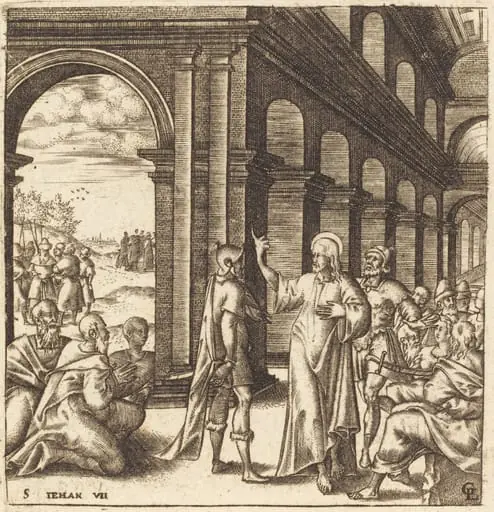
Christ Journeying to the House of a Pharisee
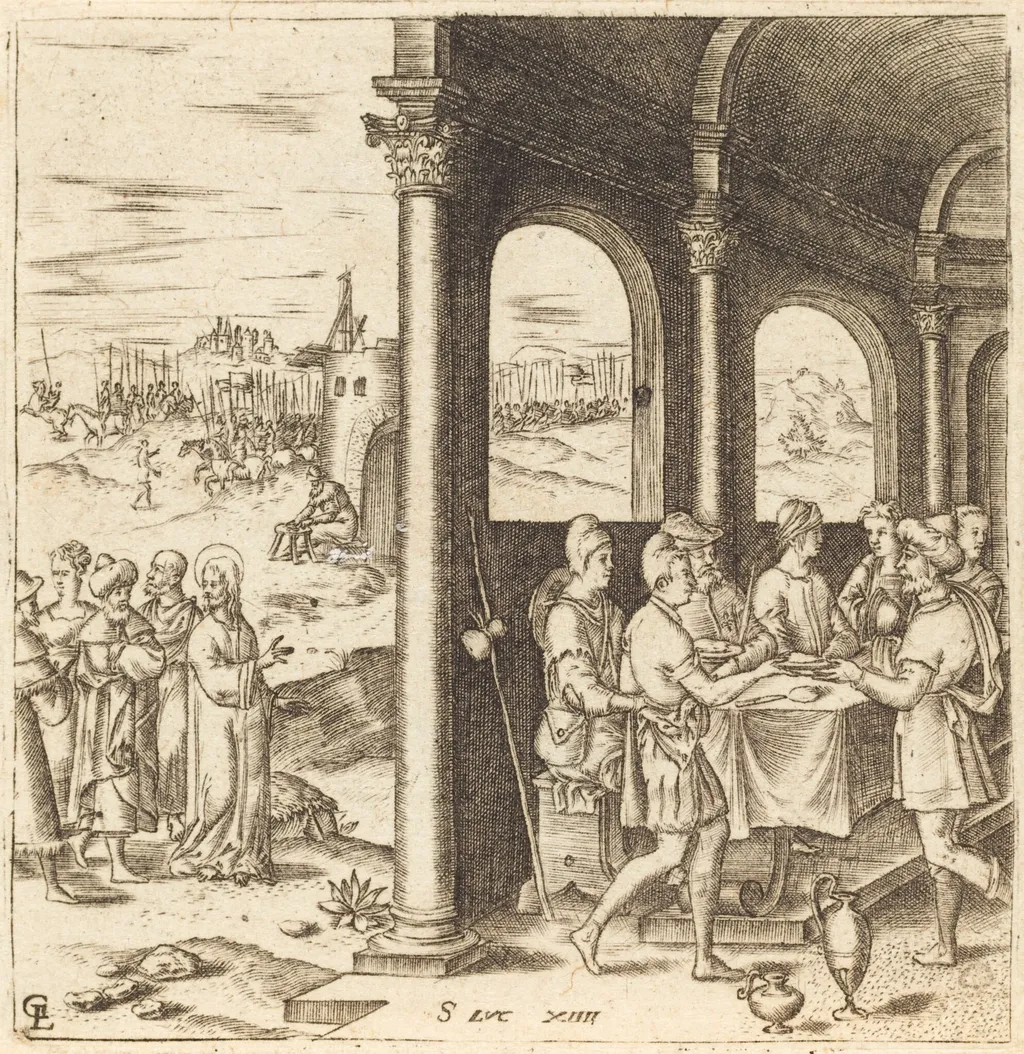
Christ Journeying to the House of a Pharisee is an ink print by the Renaissance artist Léonard Gaultier. It dates from 1578 and is held in the collection of the National Gallery of Art.
About this work
Overview
Leonard Gaultier’s engraving *Christ Journeying to the House of a Pharisee* dates to roughly 1578. Executed entirely with a graver, the print presents a complex scene that juxtaposes a biblical encounter with a bustling exterior landscape, rendered in fine, linear detail characteristic of late‑sixteenth‑century French printmaking.
Subject & Meaning
The composition depicts Christ and his followers approaching a seated Pharisee inside an arched building, while outside a procession of mounted soldiers moves past a modest village and a distant harbor. The juxtaposition of sacred dialogue and worldly activity invites reflection on the tension between spiritual authority and secular power.
Technique & Style
Gaultier employs a meticulous, line‑based approach, using cross‑hatching and varied stroke density to model faces, garments, and architectural elements. The engraving’s formal clarity reflects the influence of the Wierix brothers and the workshop of Crispyn van de Passe, whose emphasis on precise draftsmanship is evident in the rendering of spears, ships, and facial expressions.
History & Provenance
Born in Mainz around 1561, Gaultier settled in Paris, where he worked until his death in 1641. *Christ Journeying* belongs to a broader oeuvre that includes portraiture and other religious subjects, many of which he designed himself, underscoring his role as both designer and engraver within the Parisian print market of the period.
Context
The print emerges at a time when French engravers were assimilating Northern European models while catering to a growing demand for devotional imagery. Its detailed narrative and architectural framing align with contemporary efforts to make biblical scenes accessible to a lay audience through reproducible media.
Legacy
Gaultier’s work exemplifies the transition from the intricate, miniature‑like prints of the early 1500s to the more expansive, narrative-driven engravings that would dominate the seventeenth century, influencing later French printmakers who continued to explore line as a means of creating depth and drama.
Artist & collection
Artist
Léonard Gaultier, or, as he sometimes signed himself, Galter, a French engraver, was born at Mainz about 1561, and died in Paris in 1641.


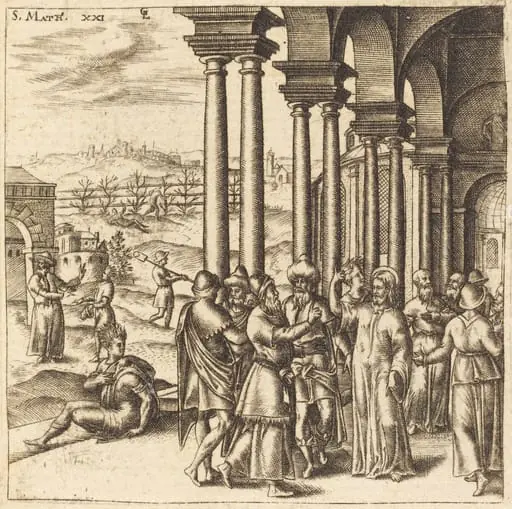 Christ in the Temple
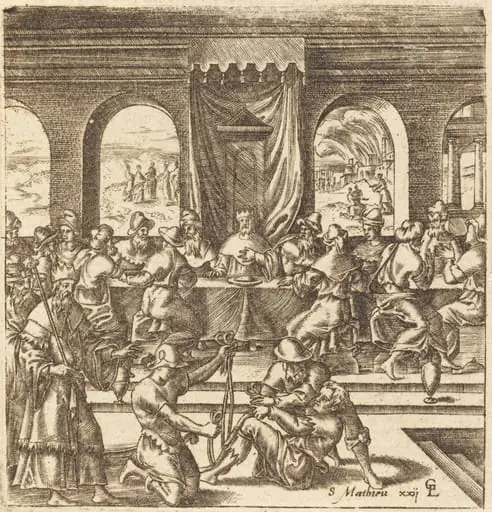 The Parable of the Marriage Feast
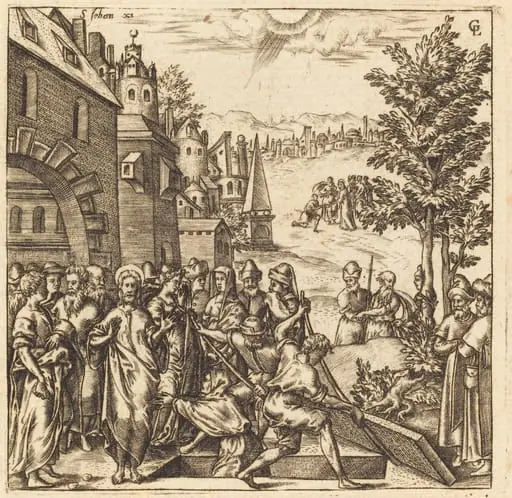 The Raising of Lazarus
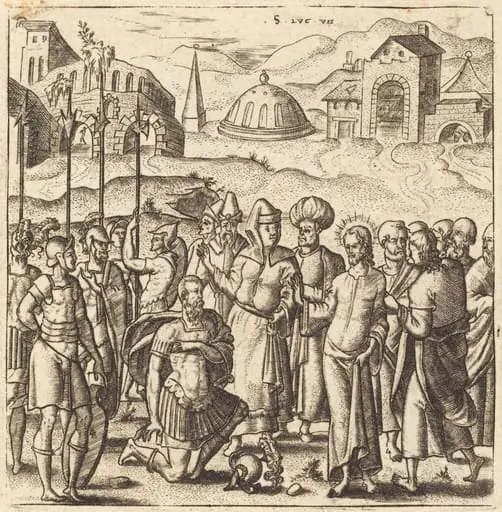 Christ and the Centurion
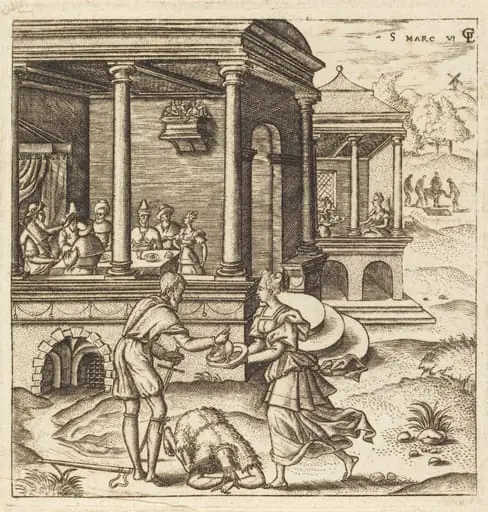 John the Baptist Beheaded
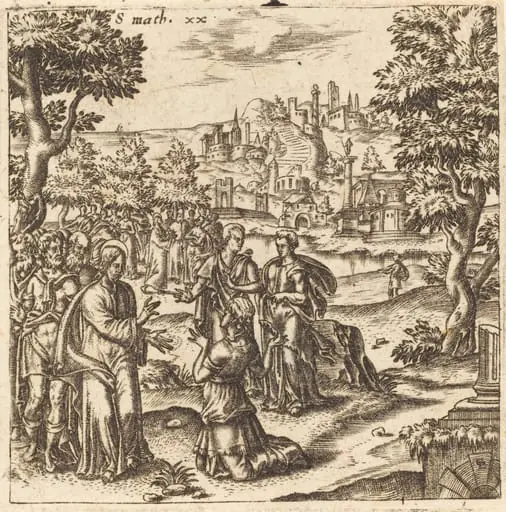 The Children of Zébédée
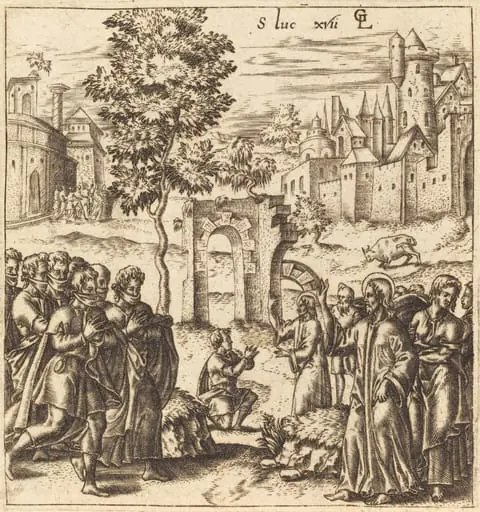 The Ten Lepers are Cleansed
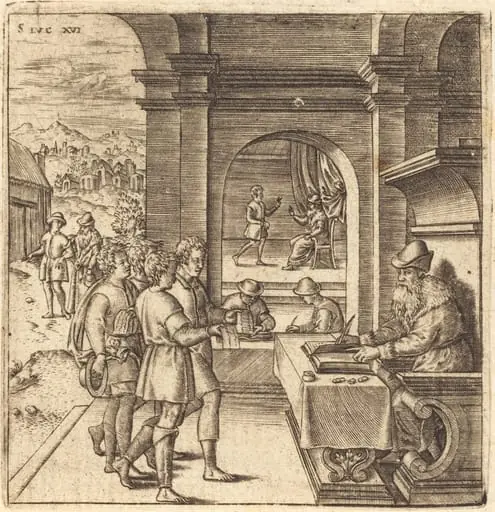 The Dishonest Steward
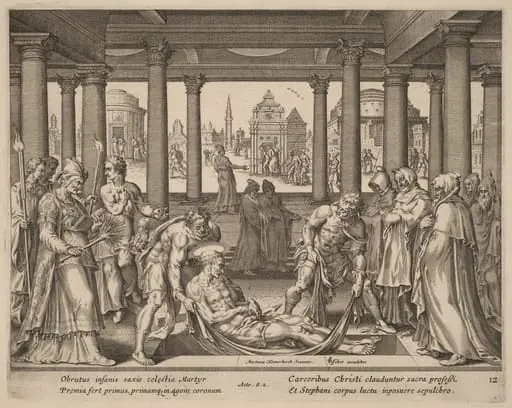 Devout Men Carrying Saint Stephen to His Burial
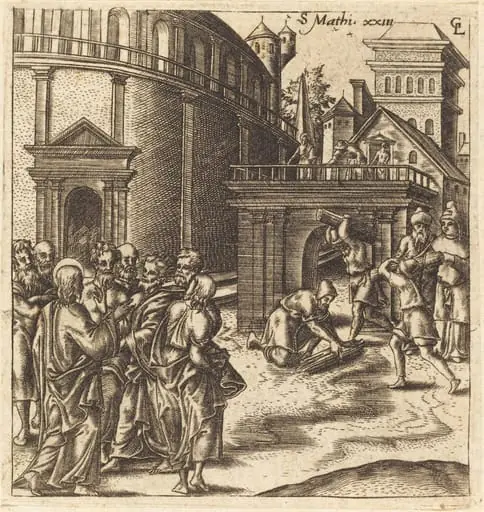 Christ Denounces the Scribes and Pharisees
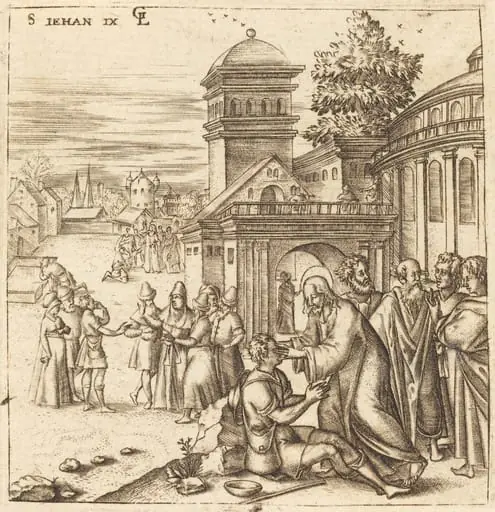 A Man Born Blind Receives Sight