Artwork
John the Baptist Beheaded
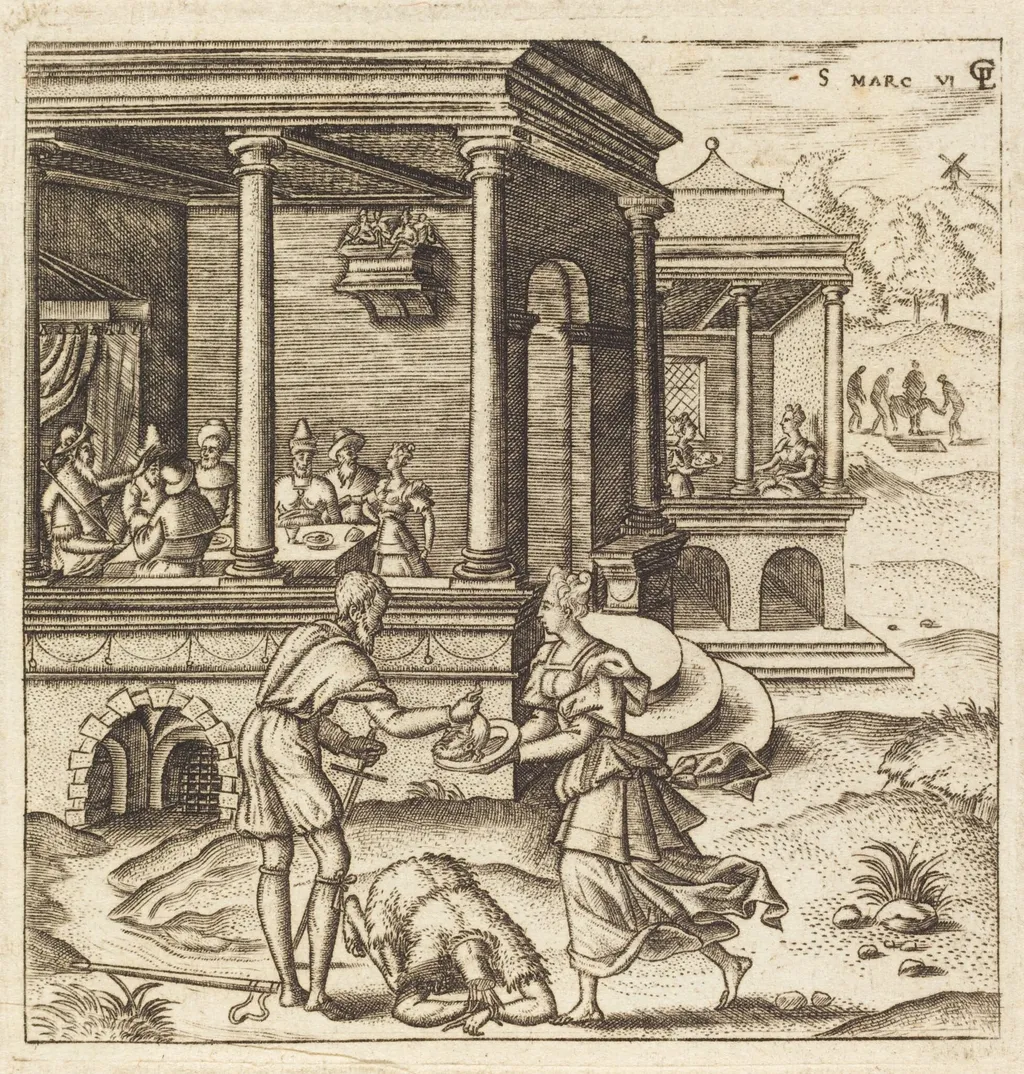
John the Baptist Beheaded is an ink print by the Renaissance artist Léonard Gaultier. It dates from 1578 and is held in the collection of the National Gallery of Art.
About this work
Overview
John the Baptist Beheaded is an engraving created by French artist Léonard Gaultier around 1578. The print depicts a dramatic biblical scene with intricate details and formal lines.
Subject & Meaning
The engraving illustrates the execution of John the Baptist, showing the decapitated figure, the executioner holding his head, and Salome nearby with a platter. The scene is set against a grand architectural backdrop with ornate details.
Technique & Style
Gaultier's engraving is characterized by precise, formal lines achieved through his skilled use of the graver. The image is built up with numerous tiny lines that create shading and texture, reflecting his training and ties to other engravers of the time.
History & Provenance
Léonard Gaultier was born in Mainz around 1561 and worked in Paris until his death in 1641. He was a prolific engraver, producing portraits and religious subjects, often entirely by his own hand.
Artist & collection
Artist
Léonard Gaultier, or, as he sometimes signed himself, Galter, a French engraver, was born at Mainz about 1561, and died in Paris in 1641.

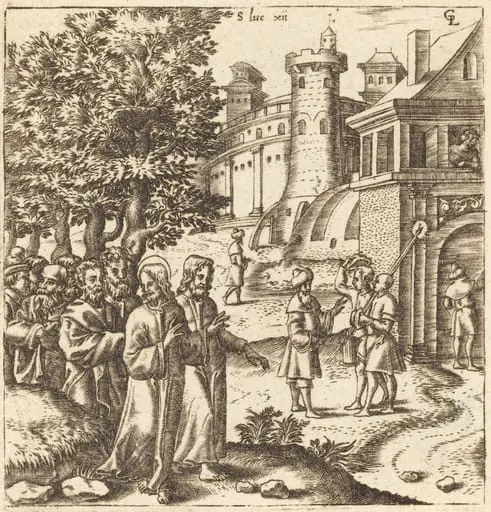
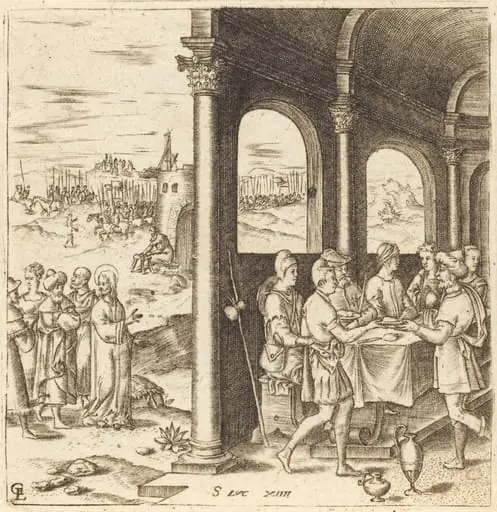 Christ Journeying to the House of a Pharisee
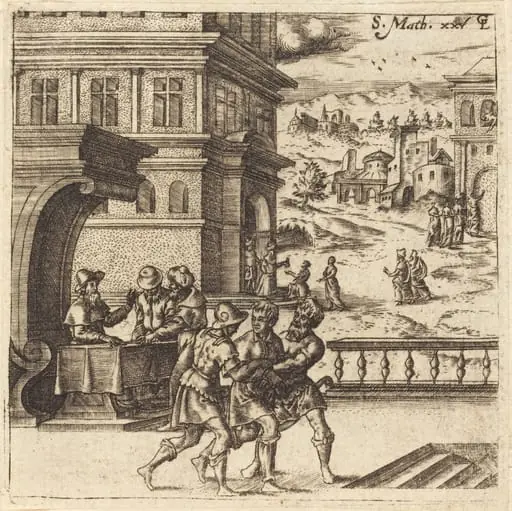 Parable of the Talents (The Worthless Servant Cast into the Outer Darkness)
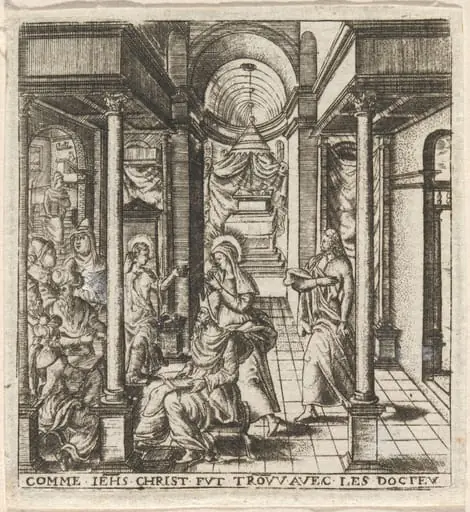
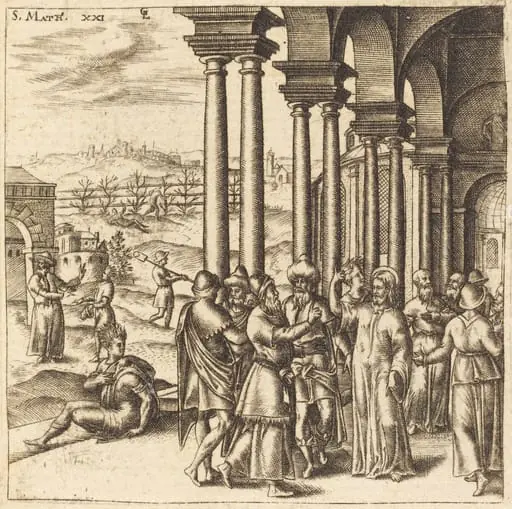 Christ in the Temple
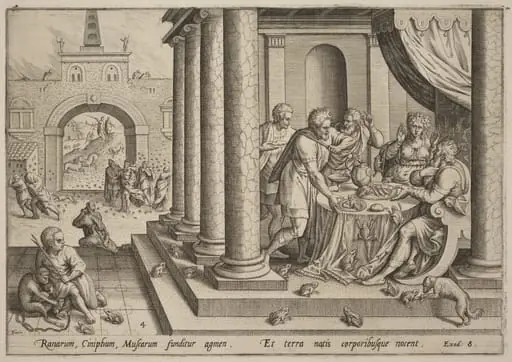 The Invasion of the Frogs
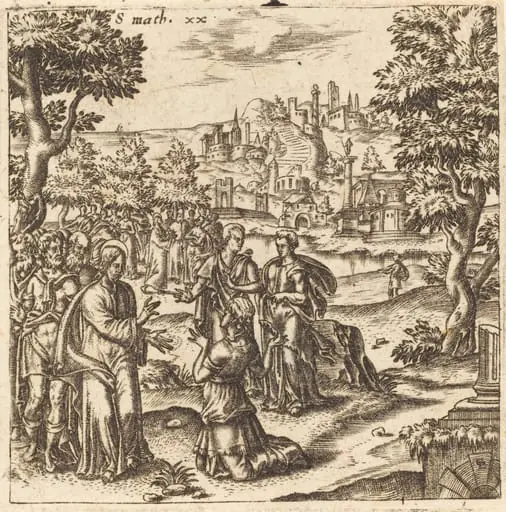 The Children of Zébédée
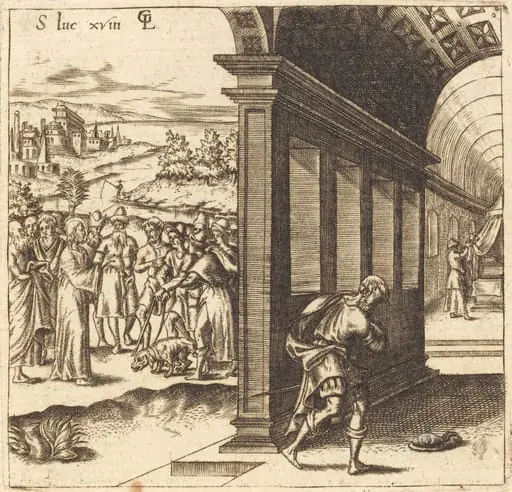 Christ the Teacher
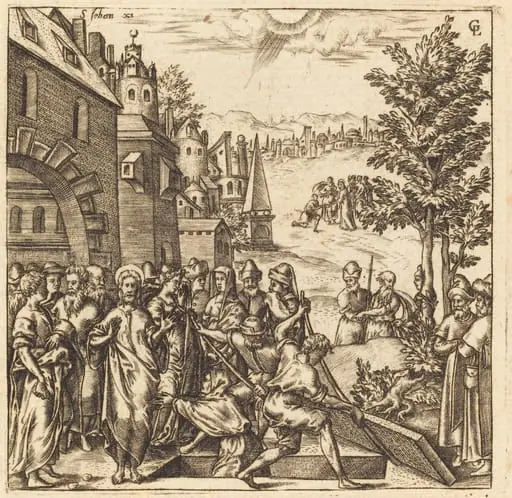 The Raising of Lazarus
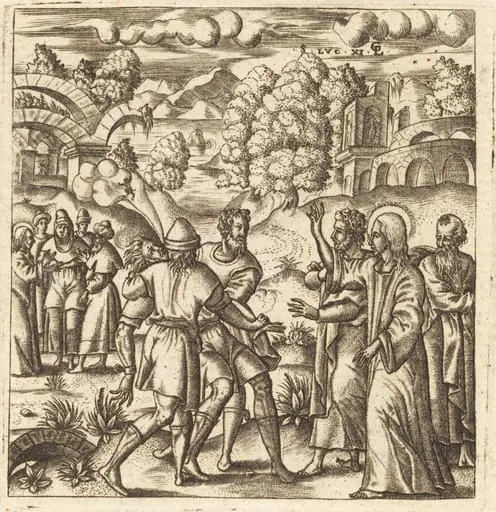 Christ Heals a Dumb Man
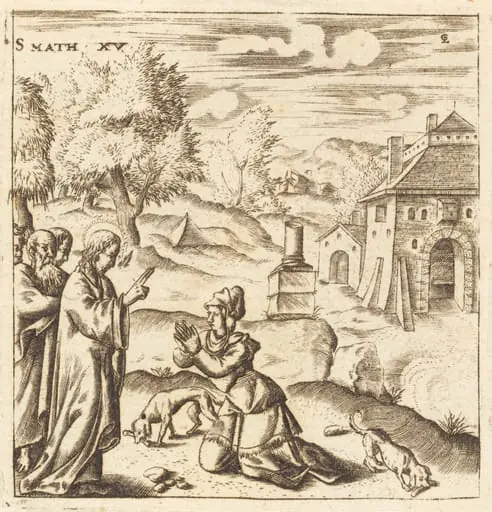 The Canaanite Woman
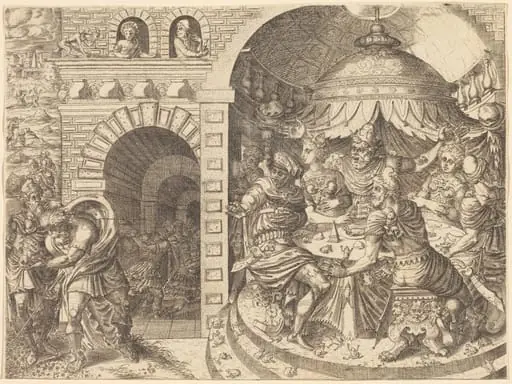 Pharaoh and the Plague of Frogs
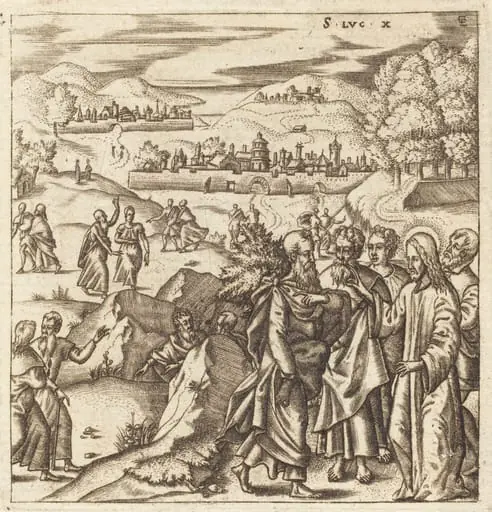 The Mission of the Seventy
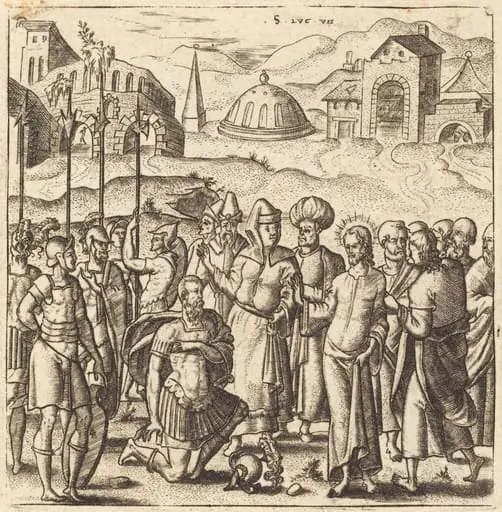 Christ and the Centurion