Artwork
Joseph, Mary and Jesus Returning to Nazareth
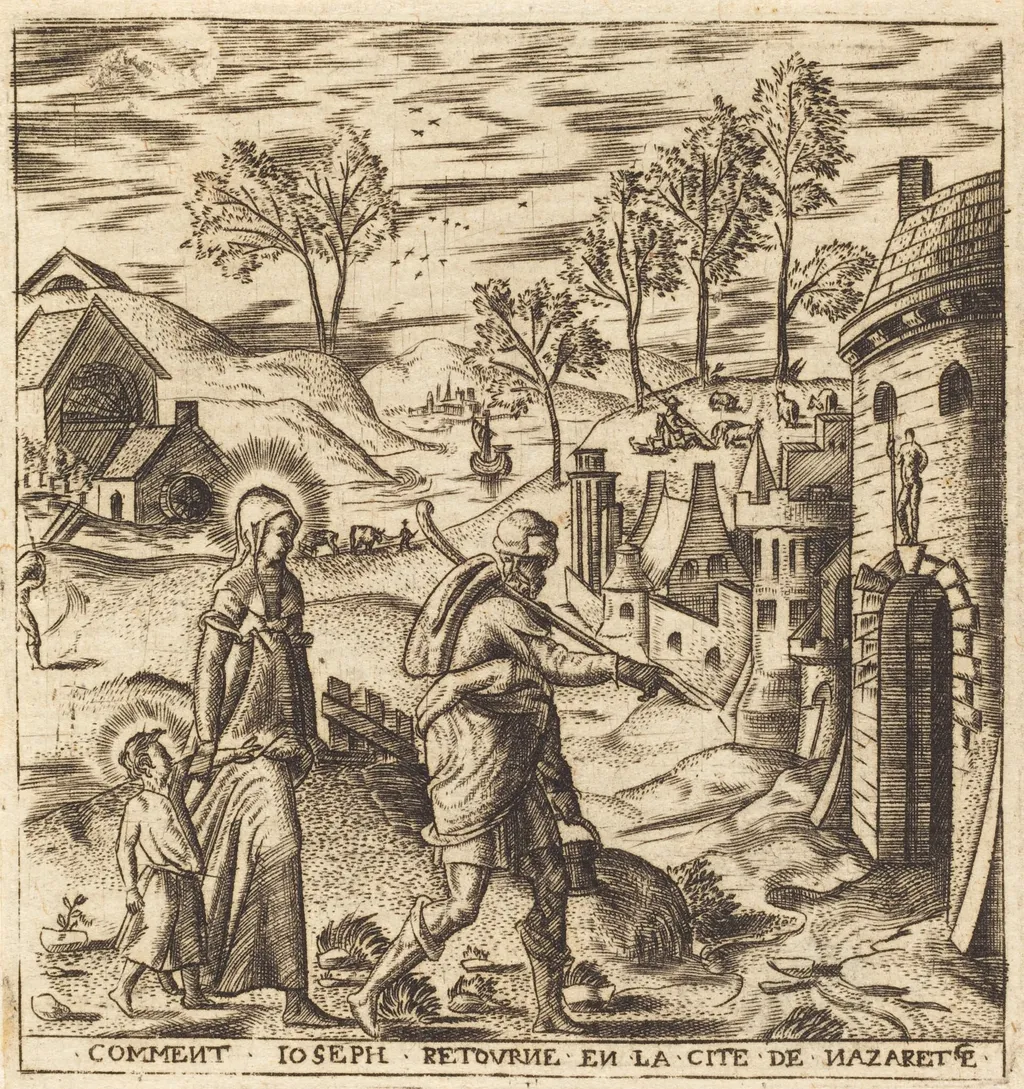
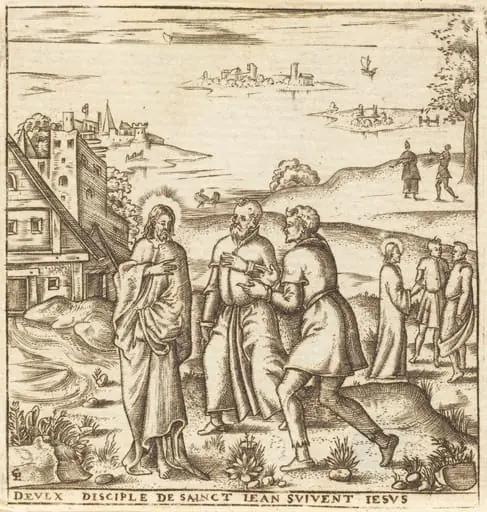
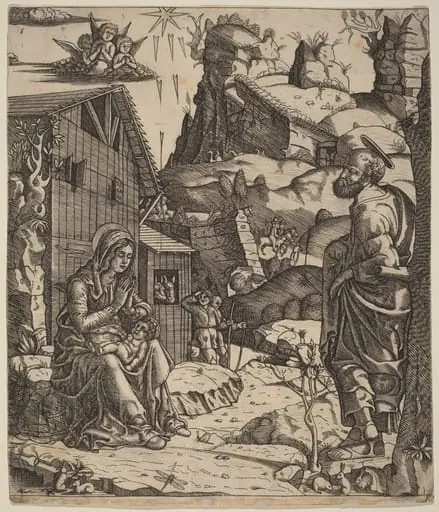
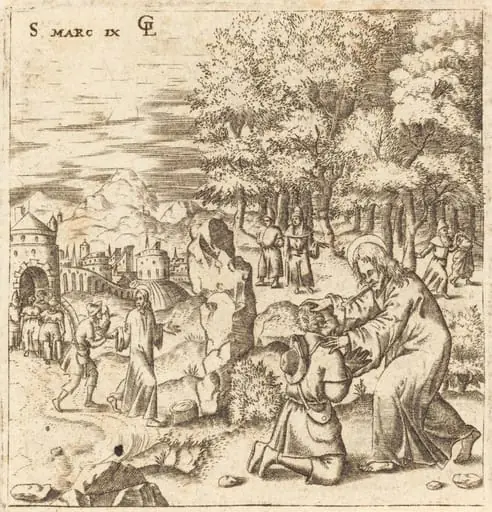
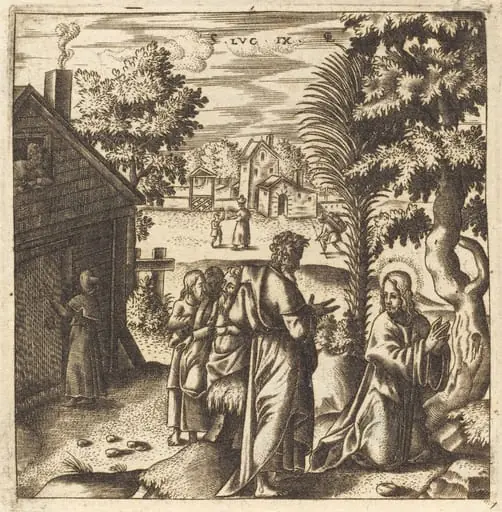
Joseph, Mary and Jesus Returning to Nazareth is an ink print by the Renaissance artist Léonard Gaultier. It dates from 1578 and is held in the collection of the National Gallery of Art.
About this work
Overview
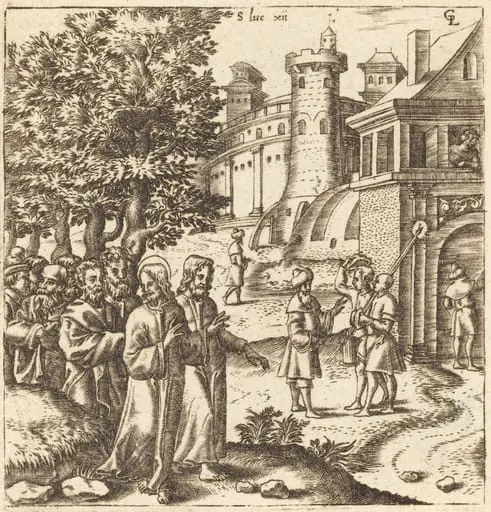
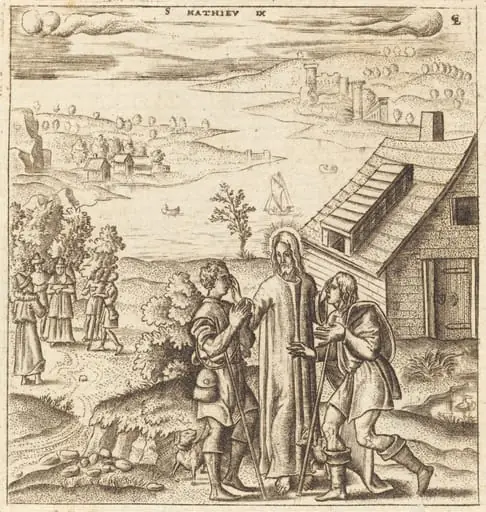
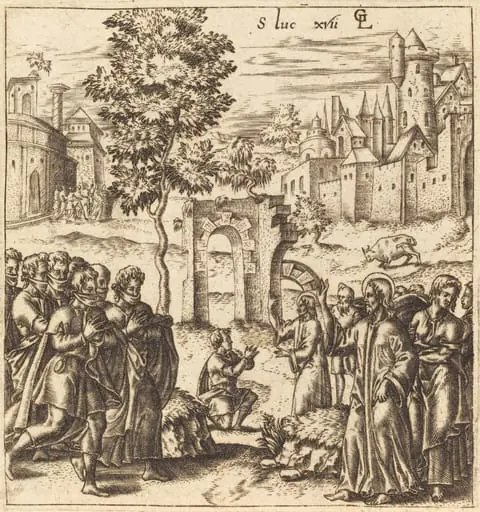
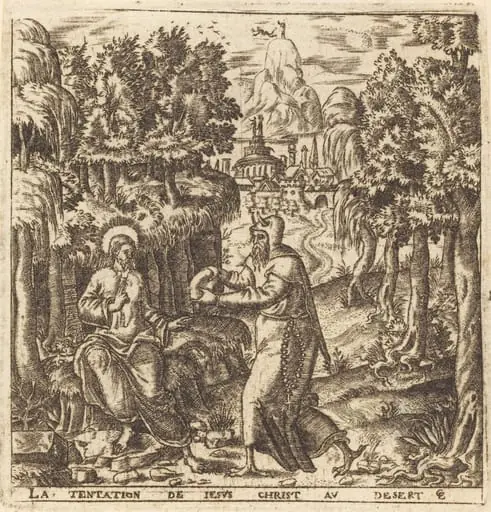
Around 1578 Léonard Gaultier, a French engraver born in Mainz who worked in Paris, produced an engraving titled *Joseph, Mary and Jesus Returning to Nazareth*. Executed entirely with a graver, the print presents a linear composition of the Holy Family traveling through a gently rolling, tree‑lined countryside toward a distant town.
Subject & Meaning
The image captures the biblical episode of the Holy Family’s return to Nazareth. Joseph leads with a staff, Mary carries a bundle, and the infant Jesus follows, symbolizing the humble pilgrimage and the familial bond at the heart of the narrative.
Technique & Style
Gaultier’s engraving relies on precise, closely spaced lines to model form, create shadow, and suggest texture in foliage, rock, and distant architecture. The approach mirrors the formal, meticulous line work of contemporaries such as the Wierix brothers and Crispyn van de Passe, emphasizing clarity over tonal variation.
History & Provenance
Born circa 1561, Gaultier remained active in Paris until his death in 1641, producing religious subjects alongside portraits and decorative designs. This particular print forms part of his early output, reflecting the demand for devotional imagery in late‑sixteenth‑century France.
Context
The work belongs to a broader tradition of printed religious scenes that circulated widely among believers and collectors. Engravings like this offered an affordable means of visualizing biblical stories, complementing painted altarpieces and manuscript illustrations of the period.
Artist & collection
Artist
Léonard Gaultier, or, as he sometimes signed himself, Galter, a French engraver, was born at Mainz about 1561, and died in Paris in 1641.