Artwork
The Man Healed of the Withered Hand
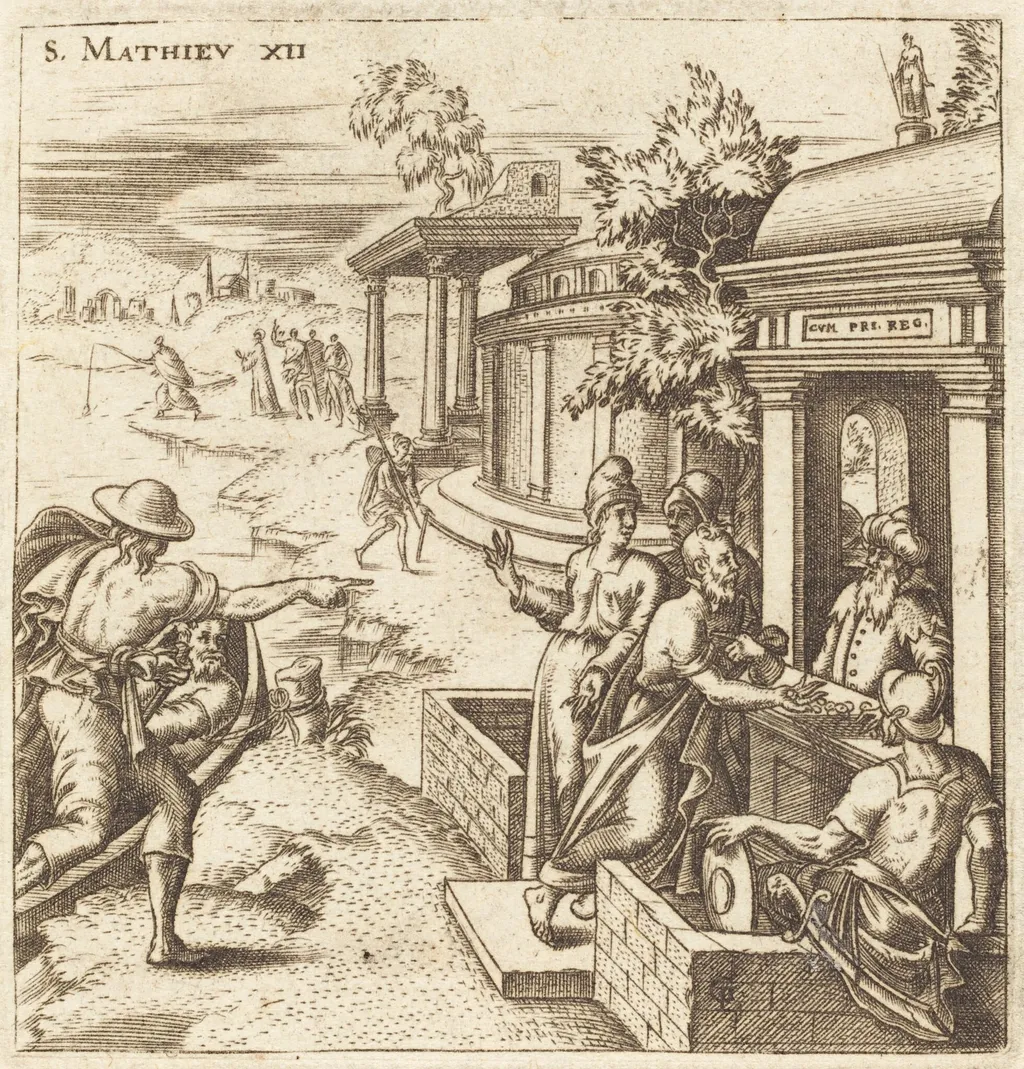
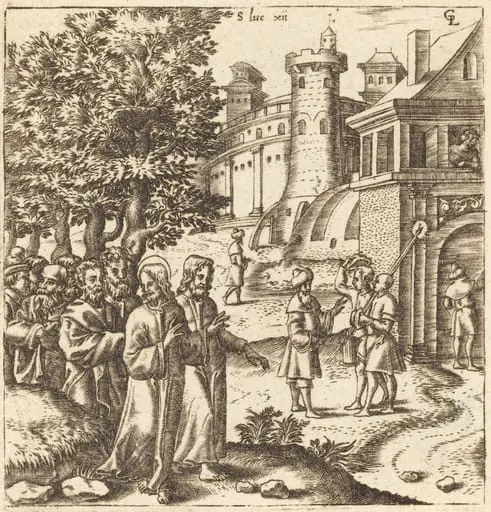
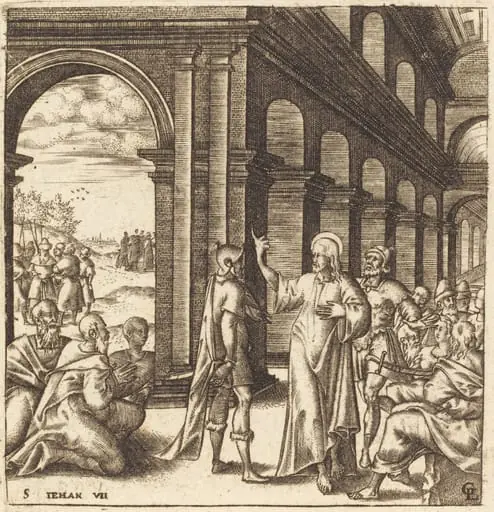
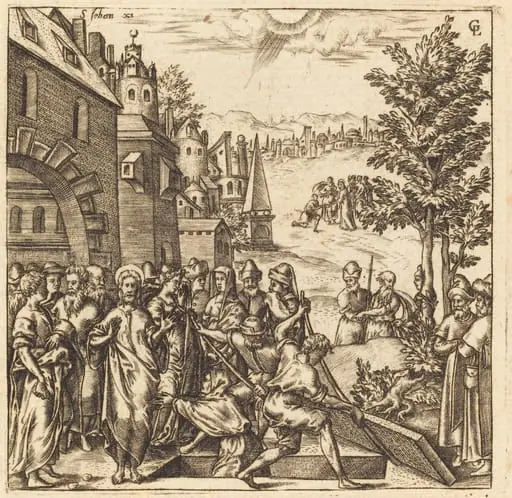
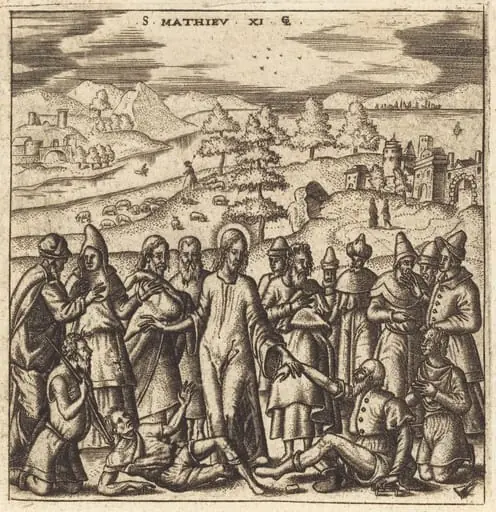
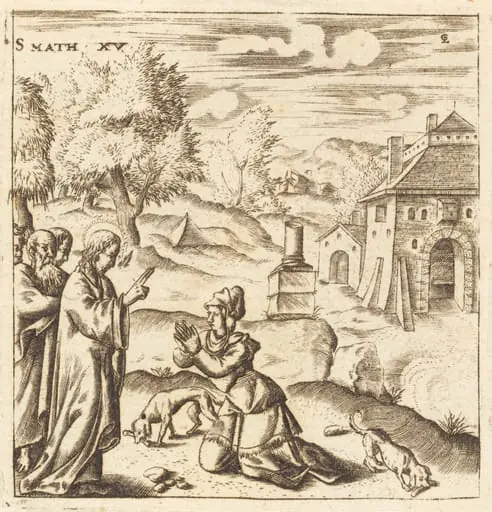
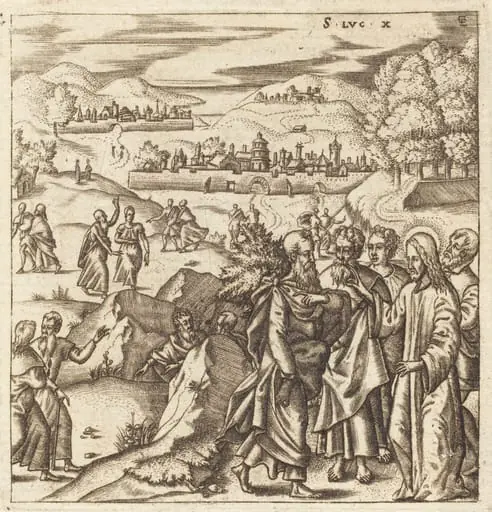
The Man Healed of the Withered Hand is an ink print by the Renaissance artist Léonard Gaultier. It dates from 1578 and is held in the collection of the National Gallery of Art.
About this work
Overview
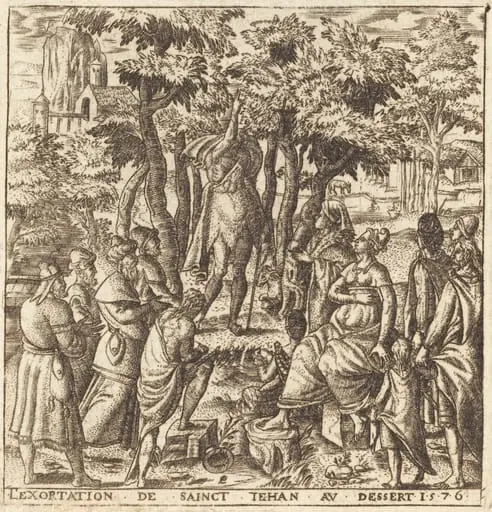
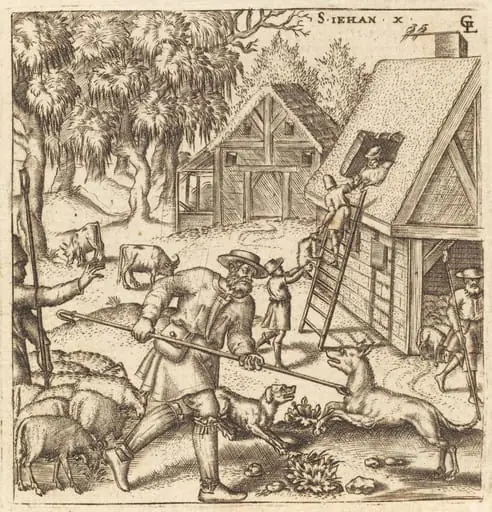
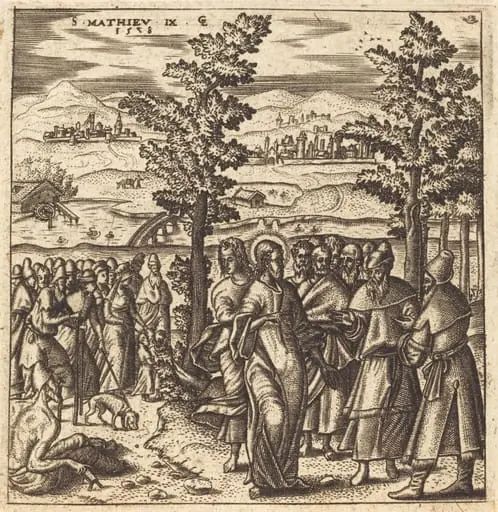
The Man Healed of the Withered Hand is an engraving created by Léonard Gaultier around 1578. It exemplifies the artist's precise and formal style, characteristic of his work as a French engraver in the late 16th and early 17th centuries.
Subject & Meaning
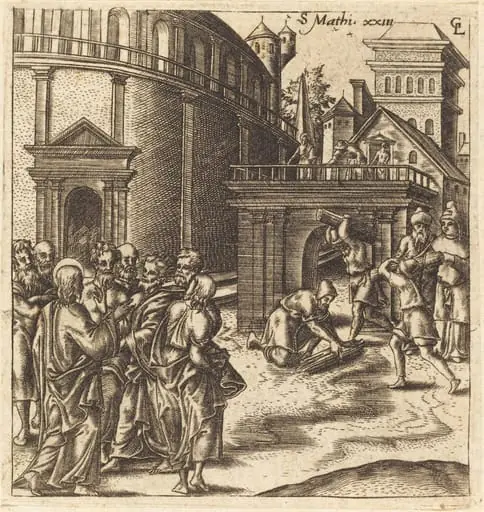
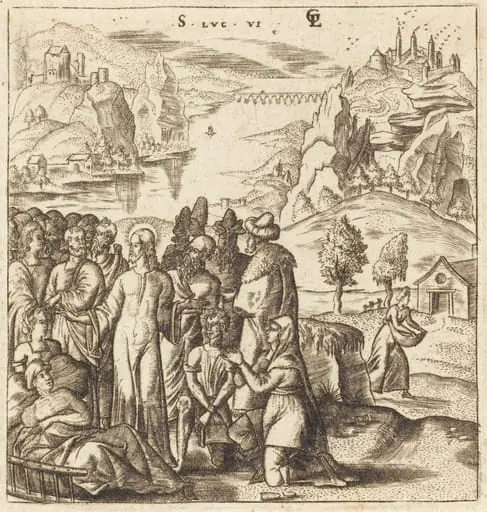
The engraving depicts a biblical scene, likely Christ healing a man with a withered hand, as described in the Gospels. The scene shows a crowd surrounding the afflicted man, with a central figure, presumably Christ, raising his hand.
Technique & Style
Gaultier's work is marked by fine lines that create a sense of light and shadow, giving the figures depth. The engraving is executed entirely with the graver, resulting in a stiff yet meticulous style, similar to that of the Wierix family and Crispyn van de Passe.
History & Provenance
Léonard Gaultier was born in Mainz around 1561 and worked in Paris until his death in 1641. His prints reflect his training and the influences of his contemporaries.
Artist & collection
Artist
Léonard Gaultier, or, as he sometimes signed himself, Galter, a French engraver, was born at Mainz about 1561, and died in Paris in 1641.