Artwork
The Canaanite Woman
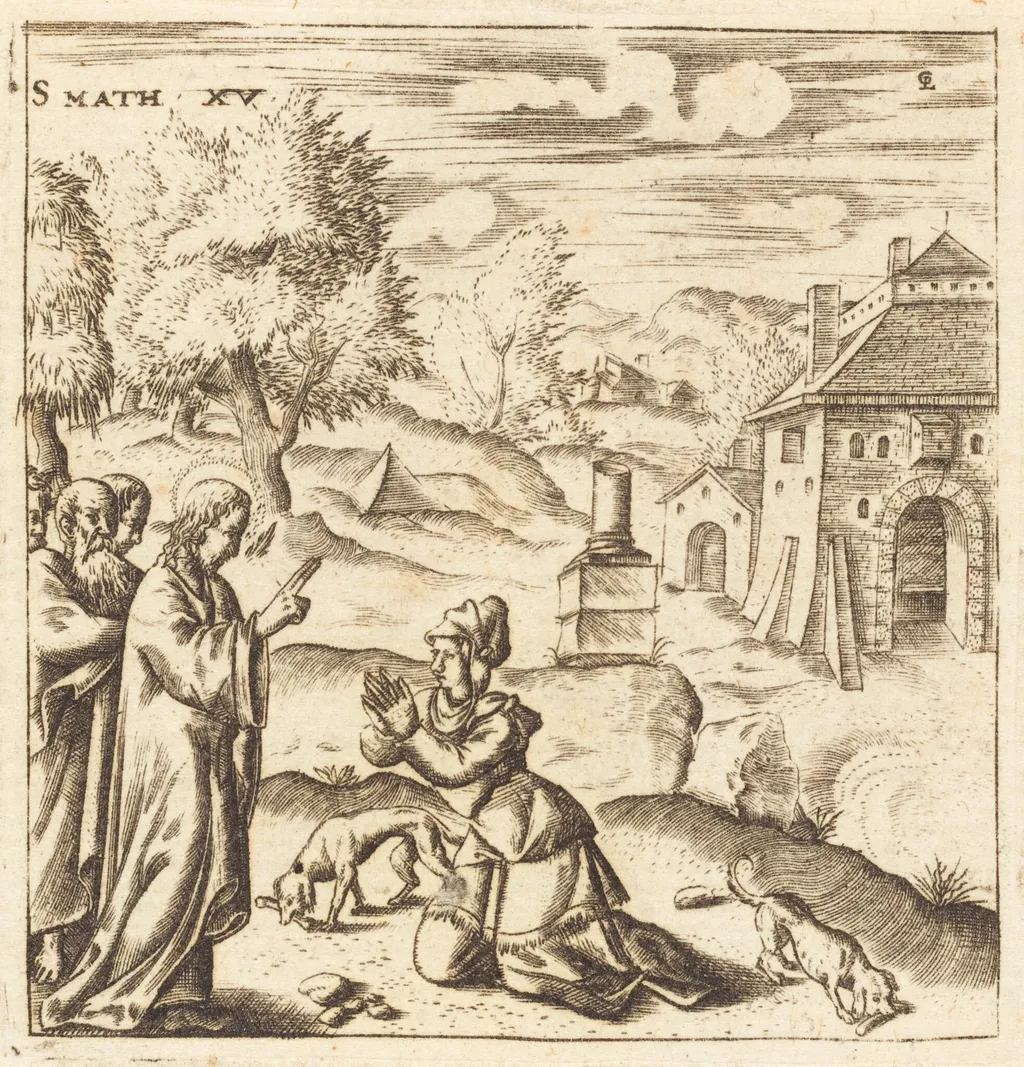
The Canaanite Woman is an ink print by the Renaissance artist Léonard Gaultier. It dates from 1578 and is held in the collection of the National Gallery of Art.
About this work
Overview
The Canaanite Woman is an engraving created by French artist Léonard Gaultier around 1578. Characterized by precision and a stiff, formal style, it reflects Gaultier's typical output of religious and portrait subjects, often from his own designs.
Subject & Meaning
The engraving depicts a biblical scene of a rural encounter. A standing woman, presumably the Canaanite Woman from scripture, offers something to a seated woman, who gazes downward, accompanied by a child. The interaction unfolds calmly near a tree, with a church and landscape in the background.
Technique & Style
Executed entirely with the graver, the piece showcases Gaultier's meticulous engraving technique. The style, marked by formal stiffness, aligns with the works of contemporaries like Wierix and Crispyn van de Passe. Notable attention is given to textile folds and landscape textures.
History & Provenance
Léonard Gaultier (c. 1561-1641), a French engraver active in Paris, produced this work circa 1578. The current provenance details are not specified in available information.
Context
Created during the late 16th century, The Canaanite Woman sits within the religious art tradition of its time, reflecting the era's preference for detailed, formally composed scenes from scripture.
Legacy
While specific influence or notable exhibitions of The Canaanite Woman are not detailed in provided sources, it remains a representative example of Gaultier's engraving skills and the artistic tastes of late 16th-century France.
Artist & collection
Artist
Léonard Gaultier, or, as he sometimes signed himself, Galter, a French engraver, was born at Mainz about 1561, and died in Paris in 1641.



 The Ten Lepers are Cleansed
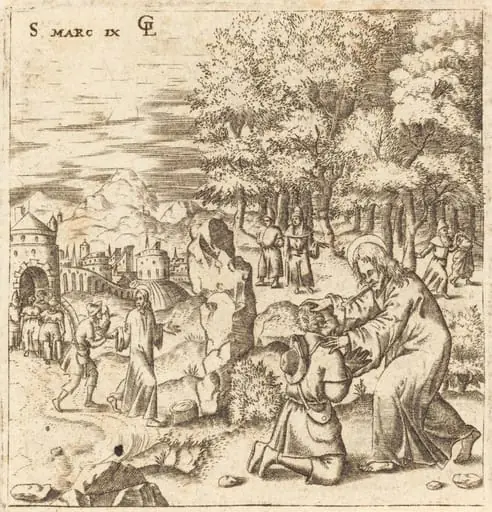 The Epileptic Child Healed
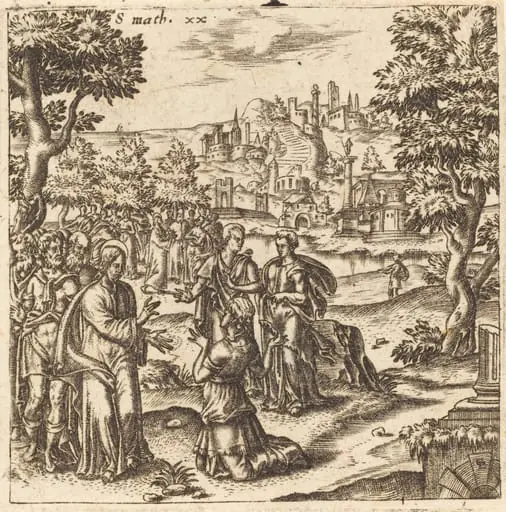 The Children of Zébédée
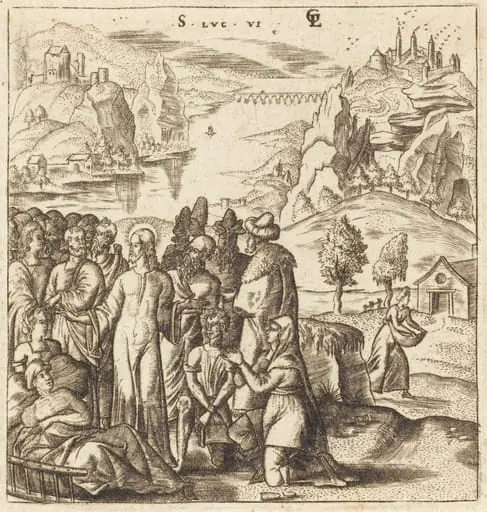 Christ Heals the Sick
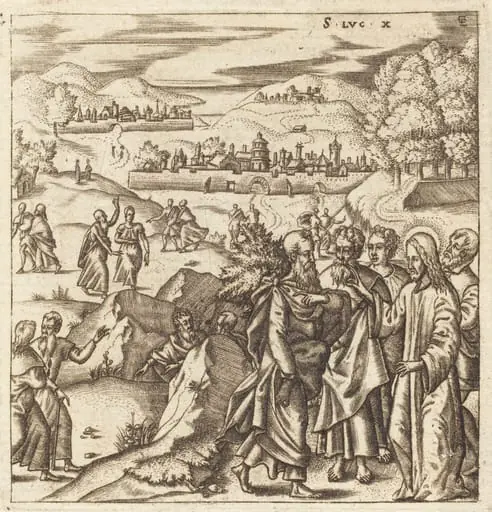 The Mission of the Seventy
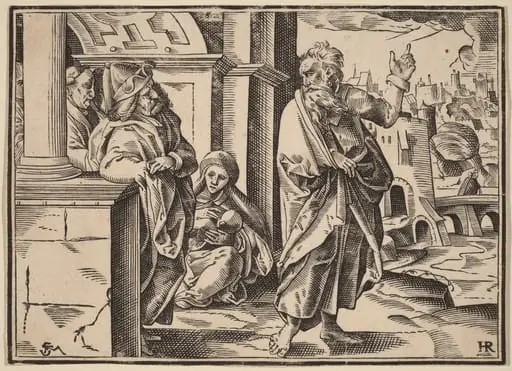 Christ Tells His Disciples of the Last Judgment
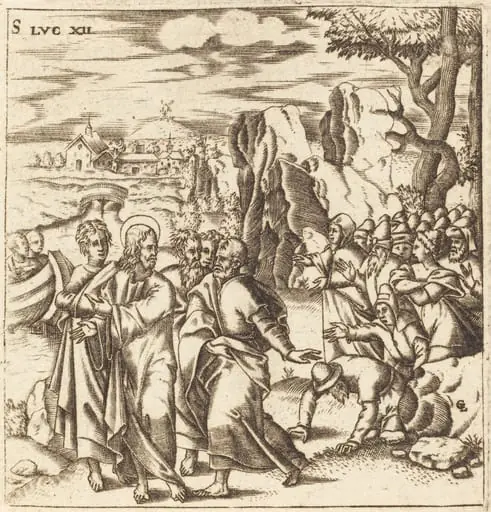 Christ Teaching the Multitude
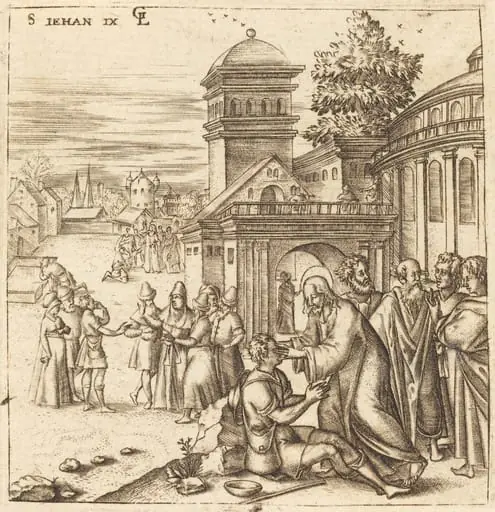 A Man Born Blind Receives Sight
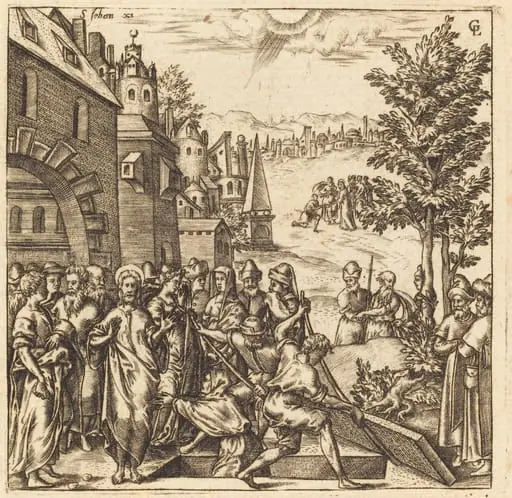 The Raising of Lazarus
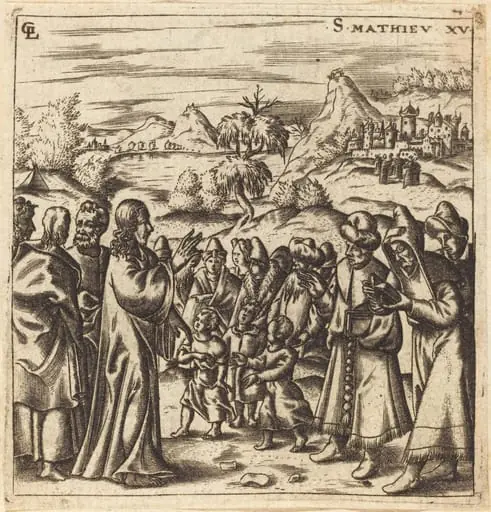 Christ Rebukes the Scribes and Pharisees
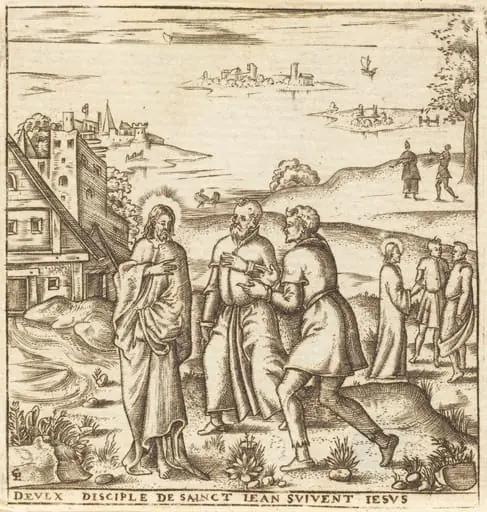 Christ Bids Two Disciples of John the Baptist to Follow Him