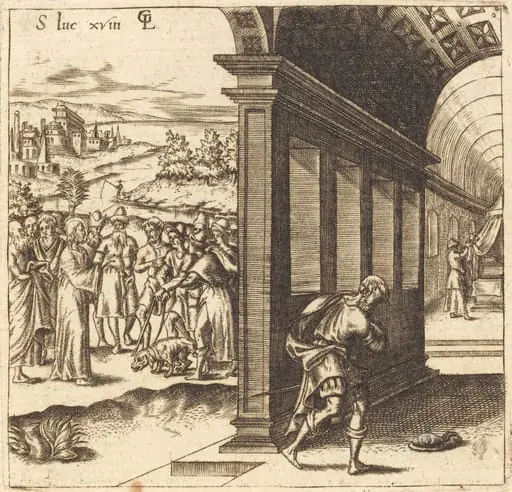
Artwork
Christ the Teacher
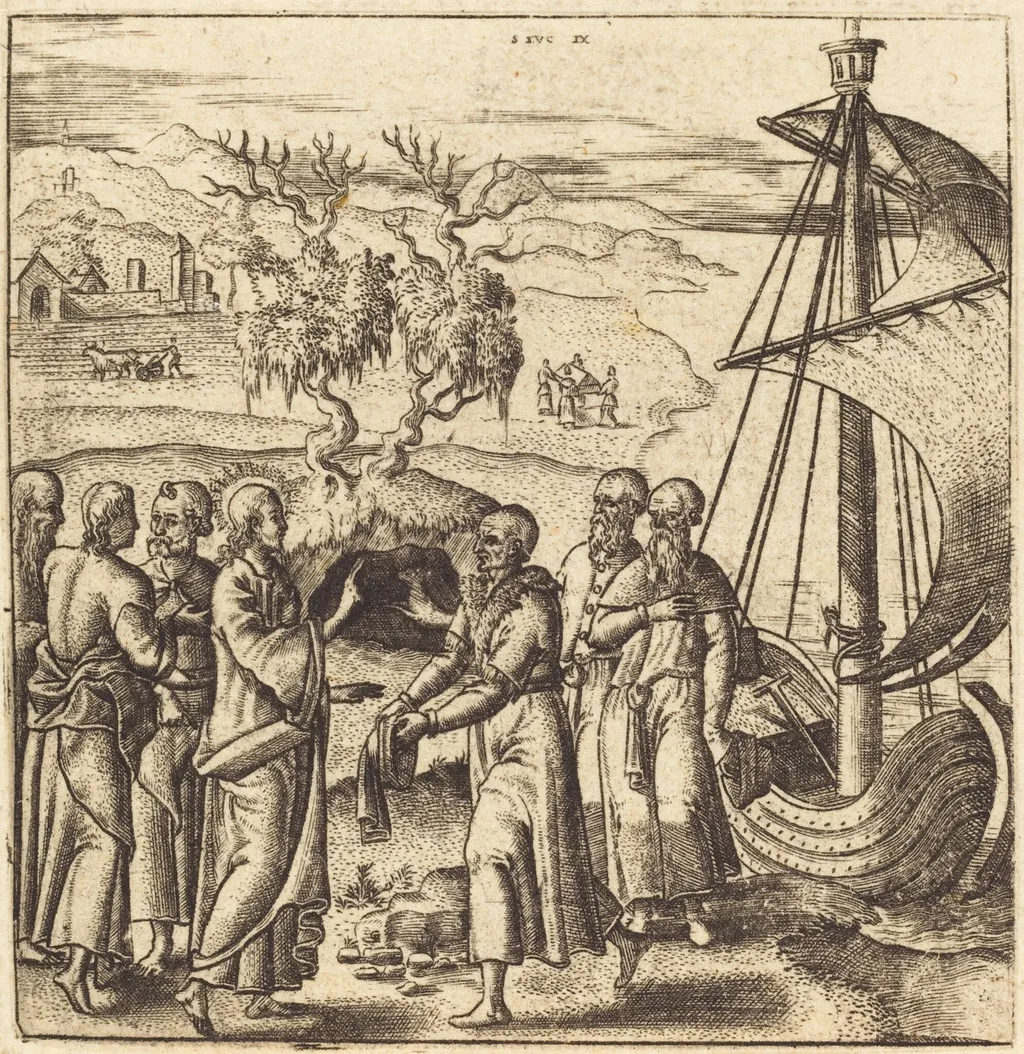
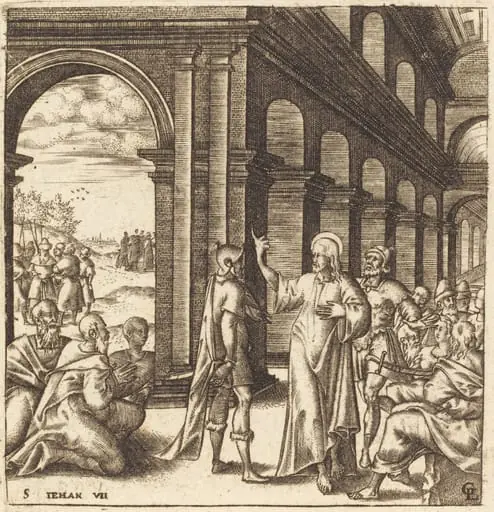
Christ the Teacher is an ink print by the Renaissance artist Léonard Gaultier. It dates from 1578 and is held in the collection of the National Gallery of Art.
About this work
Overview
Léonard Gaultier, a French engraver born in Mainz around 1561 and active in Paris until 1641, produced *Christ the Teacher* circa 1578 as a devotional print.
Léonard Gaultier, a French engraver born in Mainz around 1561 and active in Paris until 1641, produced *Christ the Teacher* circa 1578 as a devotional print. Executed entirely with a burin, the work exemplifies the meticulous line work typical of late 16th-century Northern European engraving. It belongs to a body of religious imagery Gaultier frequently produced, reflecting the period’s demand for portable spiritual subjects.
Subject & Meaning
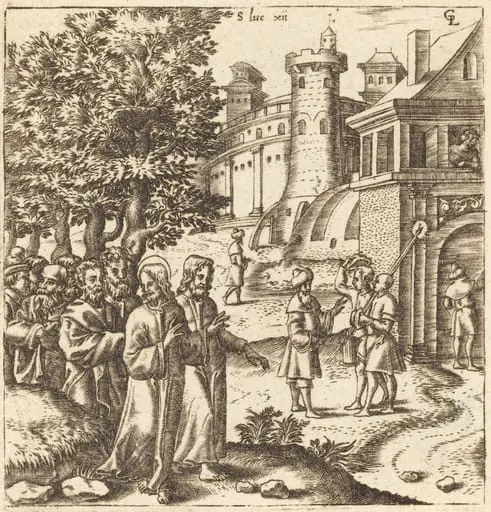
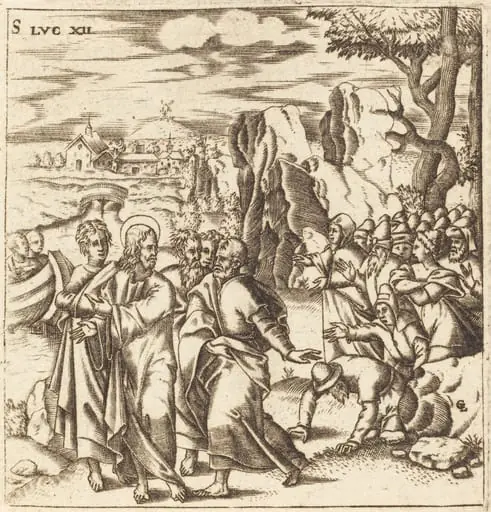
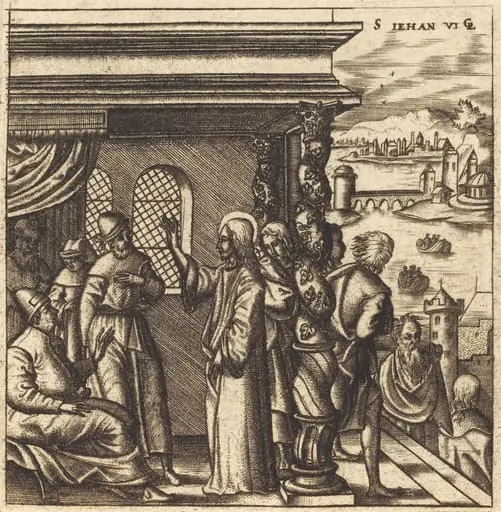
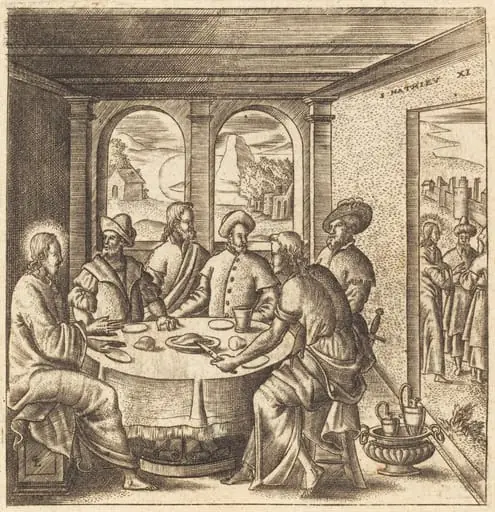
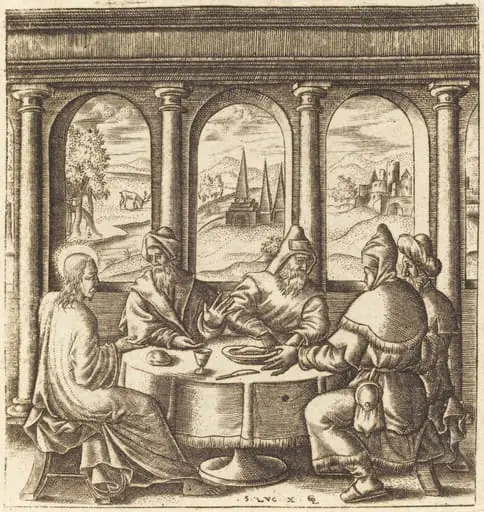
The scene centers on a figure identified as Christ, seated and engaged with a group of male followers. His posture and the attentive expressions of the listeners suggest a moment of instruction, consistent with Gospel narratives of Christ teaching disciples. The inclusion of a staff held by one figure may reference pastoral or scholarly tradition, reinforcing the theme of transmission of knowledge within a sacred context.
Technique & Style
Gaultier rendered the image using fine, controlled engraving lines, a method requiring precision with a metal burin. The composition avoids chiaroscuro, relying instead on linear density to define form and space. The style aligns with contemporaries like the Wierix brothers and Crispyn van de Passe, favoring clarity and order over emotional expression, typical of academic engraving of the era.
History & Provenance
Created during Gaultier’s early career in Paris, the print emerged amid a flourishing market for religious prints among educated Catholic audiences. While specific early ownership records are untraced, its survival in multiple institutional collections suggests it was widely circulated. Gaultier’s reputation as a skilled reproductive engraver helped ensure the print’s continued presence in private and ecclesiastical collections.
Context
In late 16th-century France, religious imagery served both devotional and didactic purposes, especially amid the tensions of the Reformation. Engravings like this one allowed laypeople to engage with biblical scenes outside church settings. The inclusion of a distant ship and riverbank may reflect contemporary interest in travel or biblical geography, though such elements were often decorative rather than narrative.
Legacy
Gaultier’s *Christ the Teacher* remains a representative example of French engraving’s technical discipline during the late Renaissance. Though not widely known today, it contributed to the standardization of religious iconography in print form. Its influence is seen in later devotional prints that prioritized clarity and compositional balance over dramatic intensity.
Artist & collection
Artist
Léonard Gaultier, or, as he sometimes signed himself, Galter, a French engraver, was born at Mainz about 1561, and died in Paris in 1641.