Artwork
Richard Carpenter
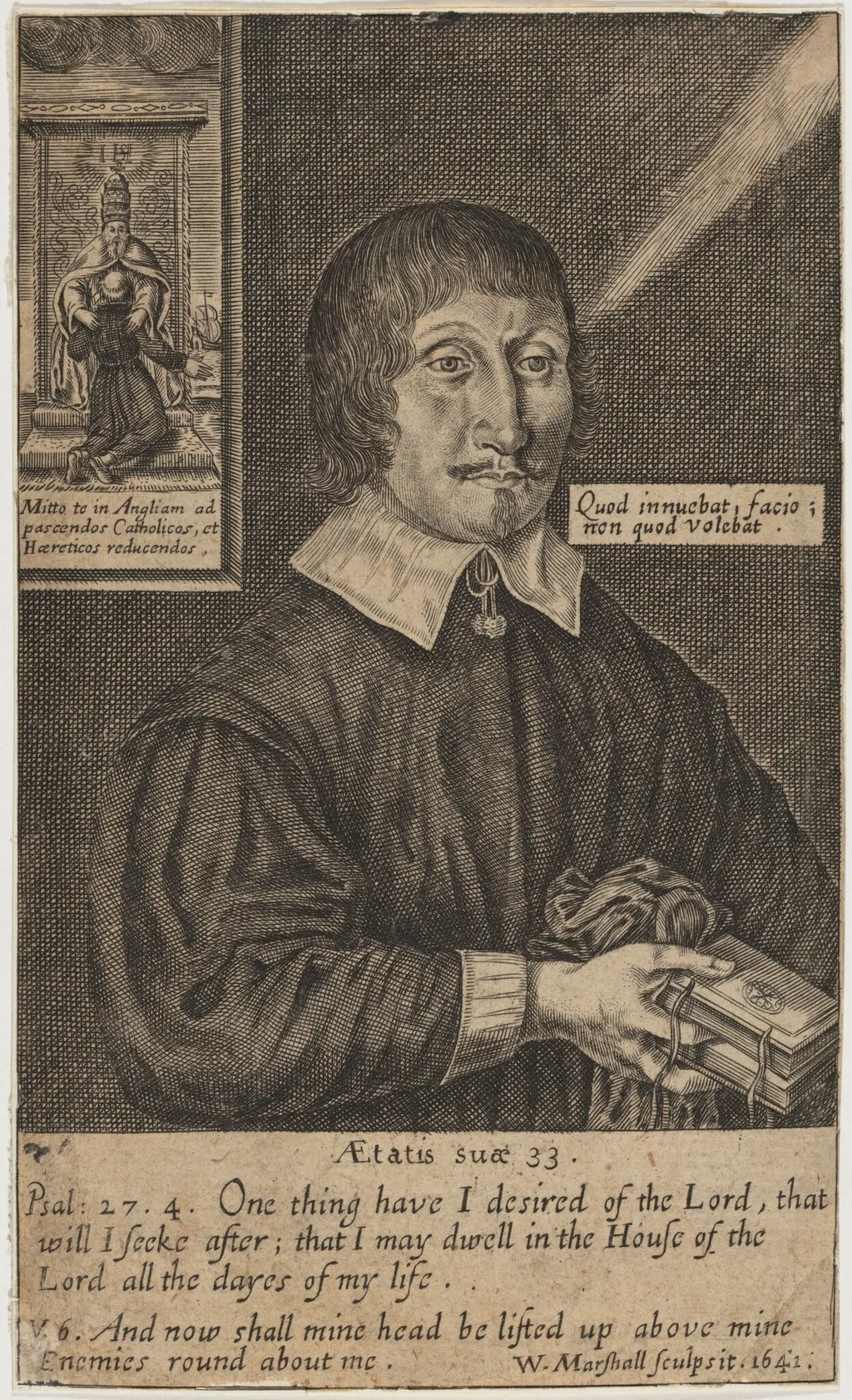
Richard Carpenter is an ink print by the Baroque artist William Marshall. It dates from 1640 and is held in the collection of the National Gallery of Art.
About this work
Overview
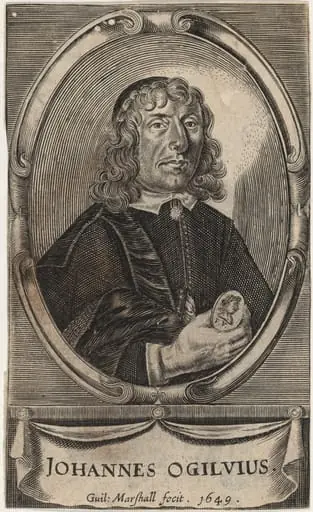
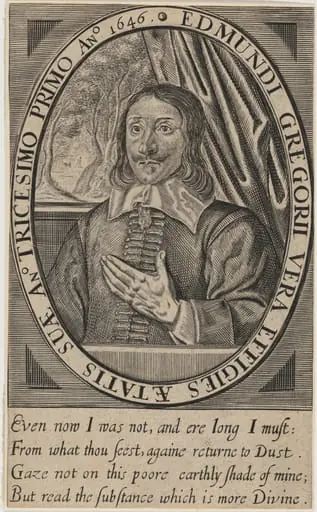
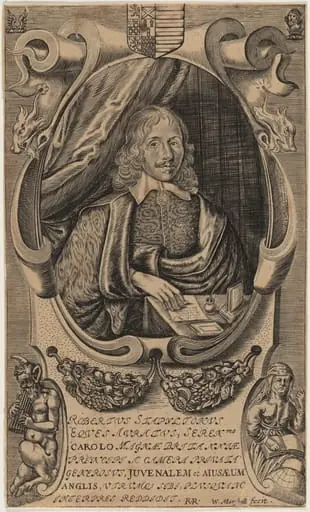
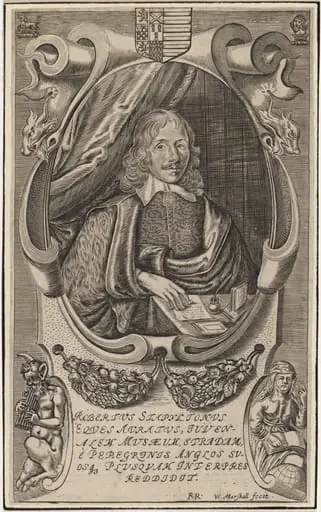
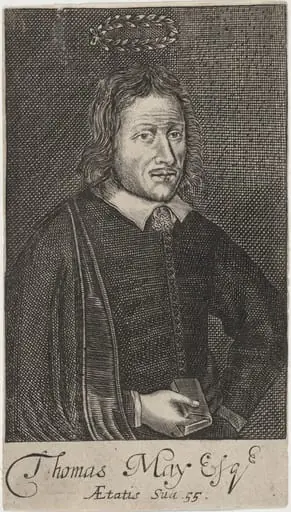
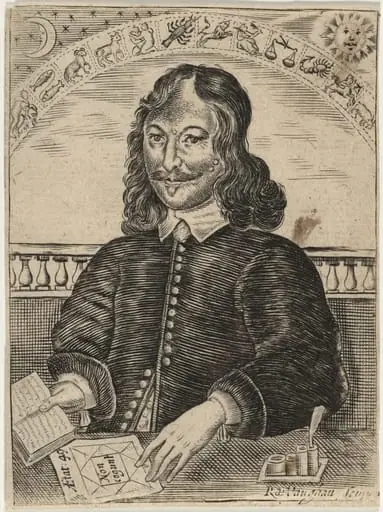
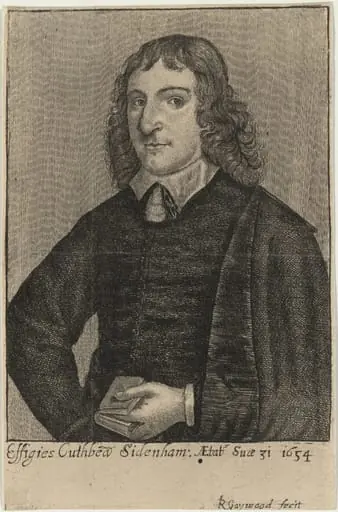
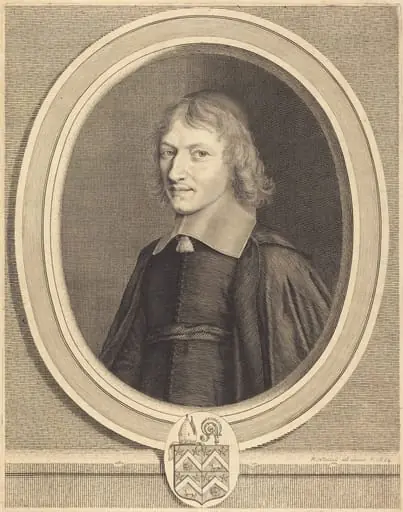
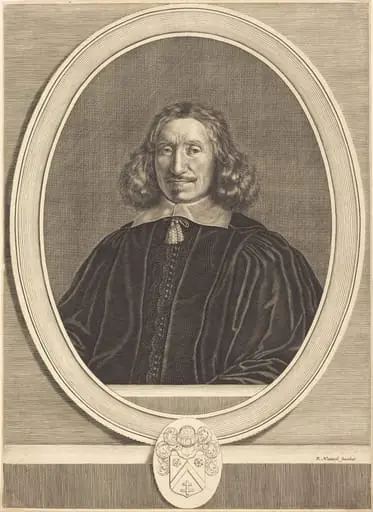
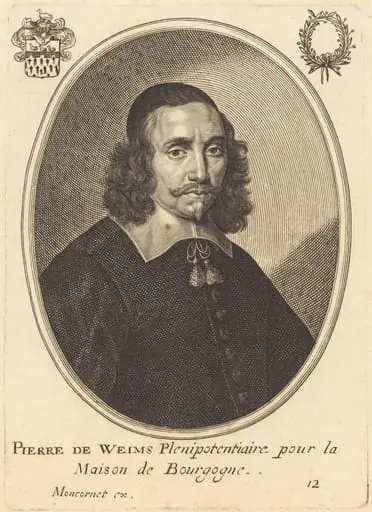
This 1640 engraving by William Marshall presents a half‑length portrait of a gentleman identified as Richard Carpenter.
This 1640 engraving by William Marshall presents a half‑length portrait of a gentleman identified as Richard Carpenter. Rendered in fine line work, the image shows the sitter with short, wavy hair, a moustache, and a dark jacket over a white collar and cuffs, holding a bound book tied with a ribbon. The background is largely dark, punctuated by a small inset figure positioned in a doorway to the left.
Subject & Meaning
The sitter’s formal attire and the presence of a book suggest a learned or clerical occupation, implying that Carpenter may have been involved in scholarly or religious pursuits. The ribbon‑tied volume reinforces the notion of a personal or professional interest in reading or writing, while the inset figure could serve as a symbolic or narrative element related to his identity.
Technique & Style
Marshall employed the traditional copper‑plate engraving technique, using a burin to incise precise lines that convey texture in the clothing, hair, and facial features. The contrast between the dark background and the illuminated figure creates a three‑dimensional effect, typical of early‑modern English portrait prints.
History & Provenance
Created in 1640, the print is attributed to William Marshall, an English engraver active in the mid‑seventeenth century. It survives in several collections of early British prints, where it is catalogued as a portrait of Richard Carpenter, though further biographical details about the sitter remain scarce.
Artist & collection