Artwork
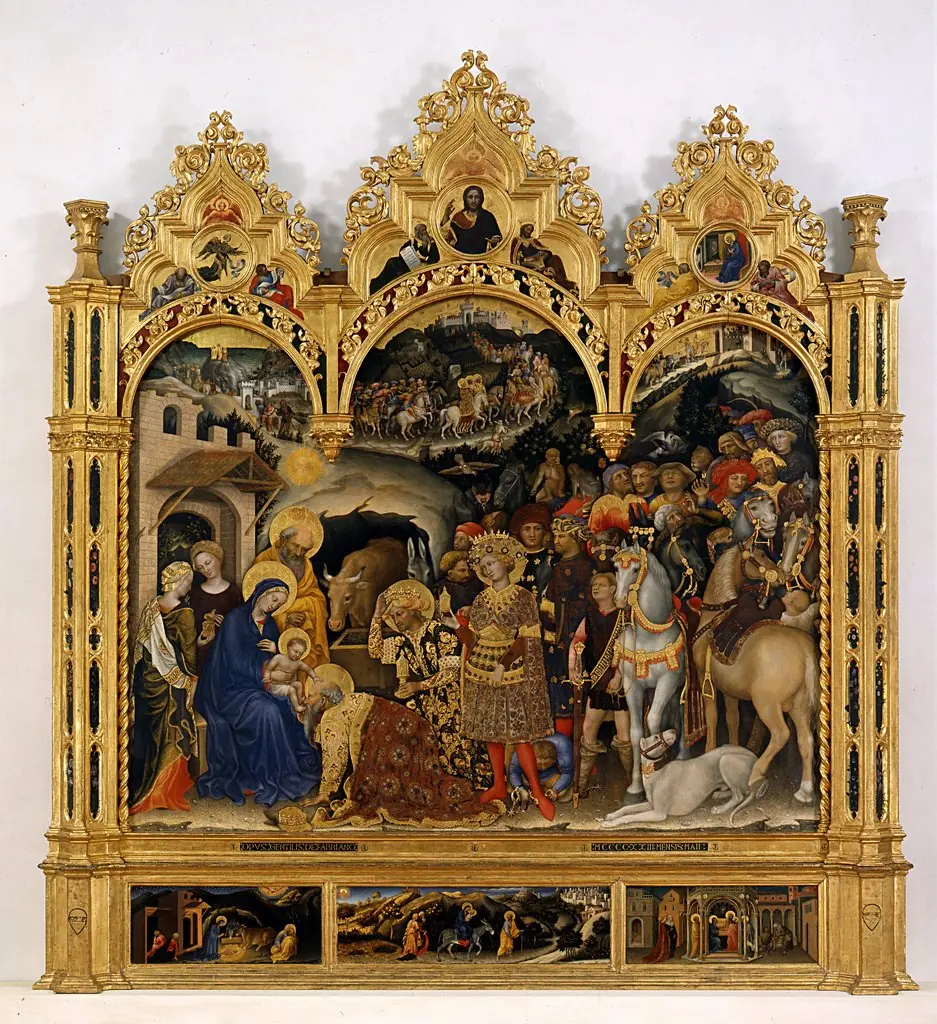
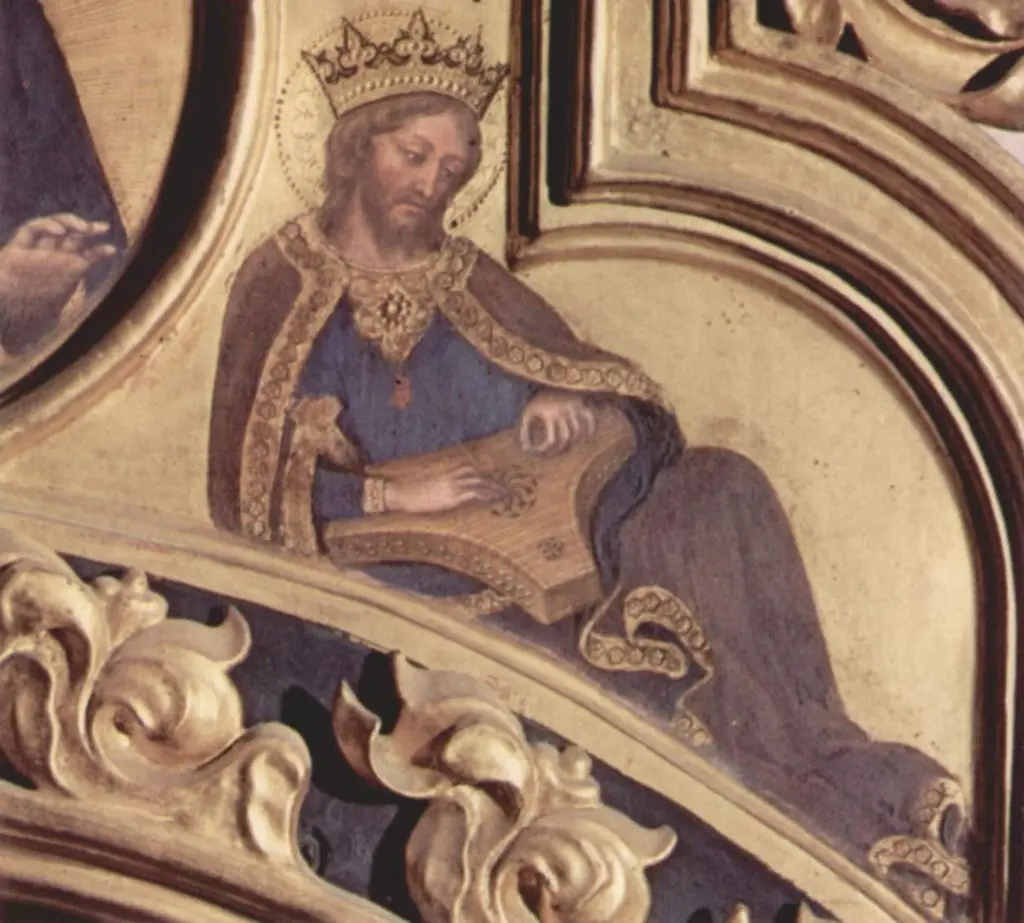
Adoration of the Three Kings - Pantocrator - Christ
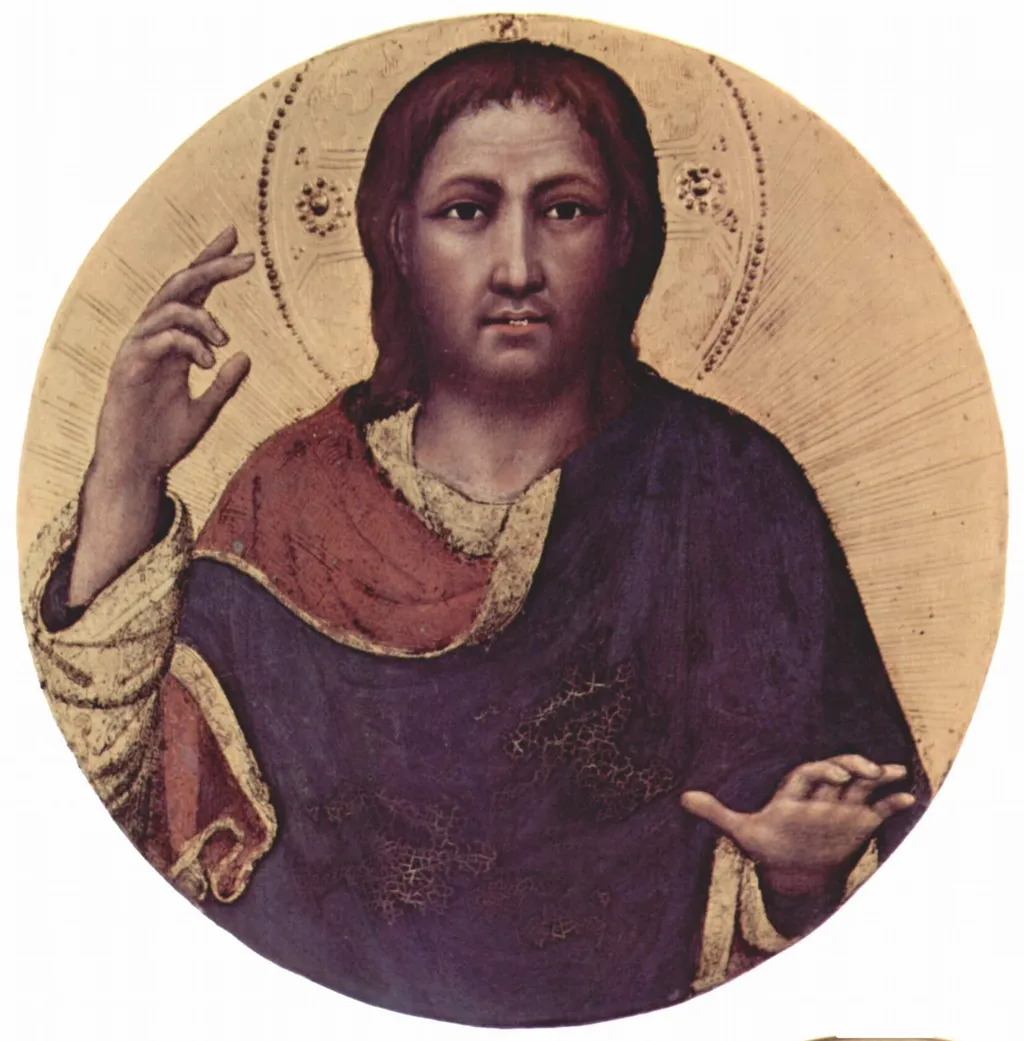
Adoration of the Three Kings - Pantocrator - Christ is an unspecified painting by the Early Renaissance artist Gentile da Fabriano. It dates from 1423 and is held in the collection of the Uffizi Gallery.
About this work
Overview
Adoration of the Three Kings - Pantocrator - Christ is a 1423 religious painting by Gentile da Fabriano, housed at the Uffizi Gallery.
Subject & Meaning
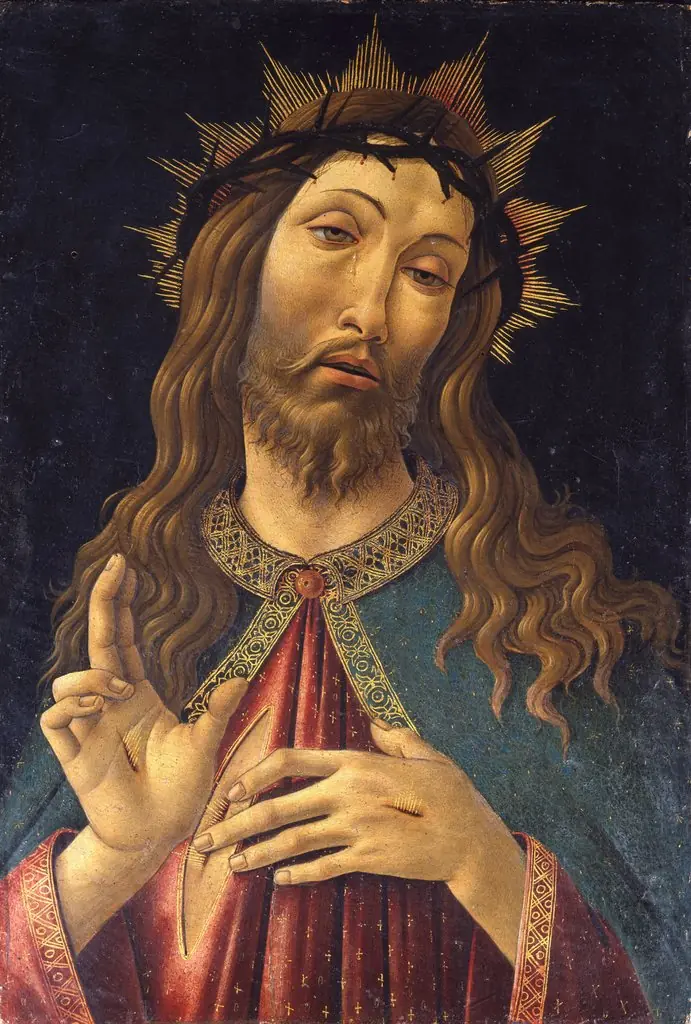
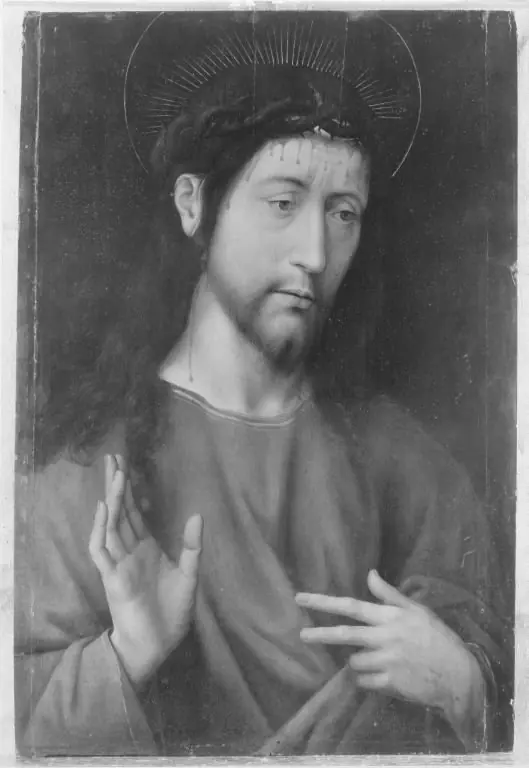
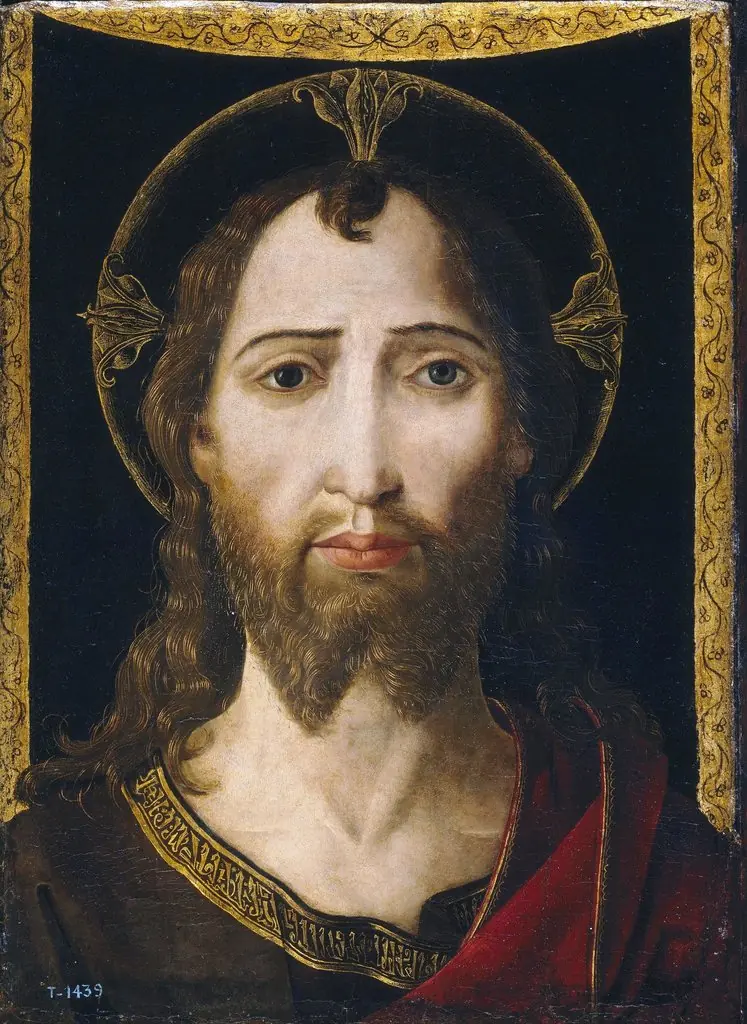
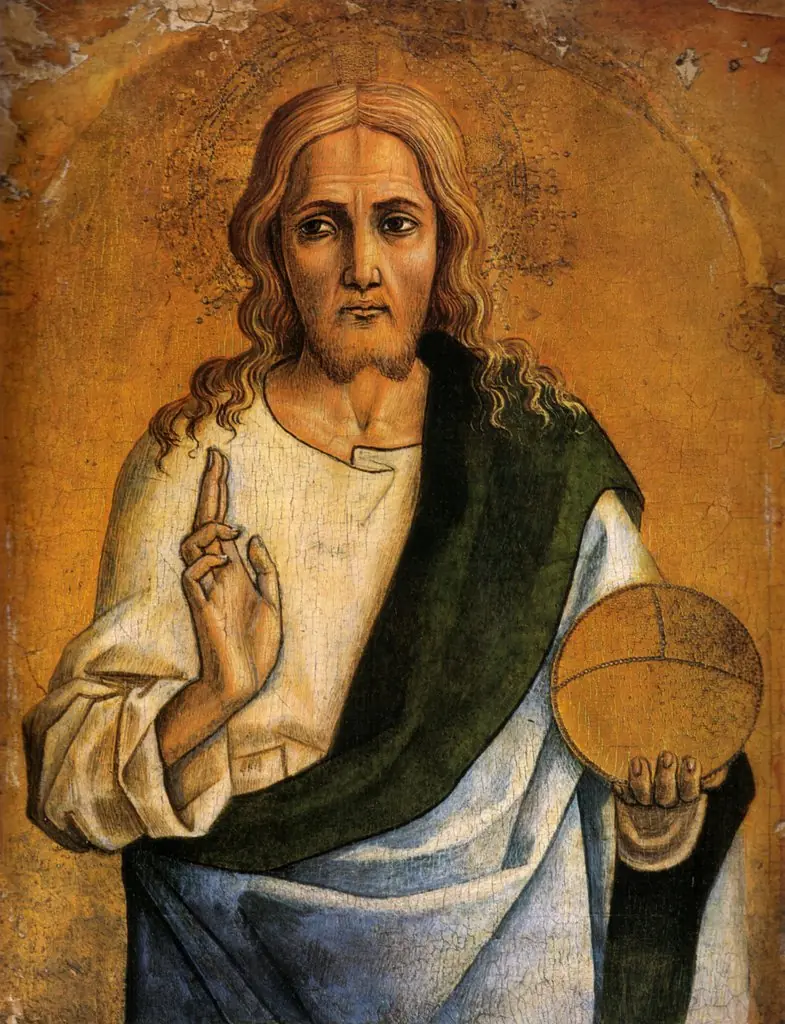
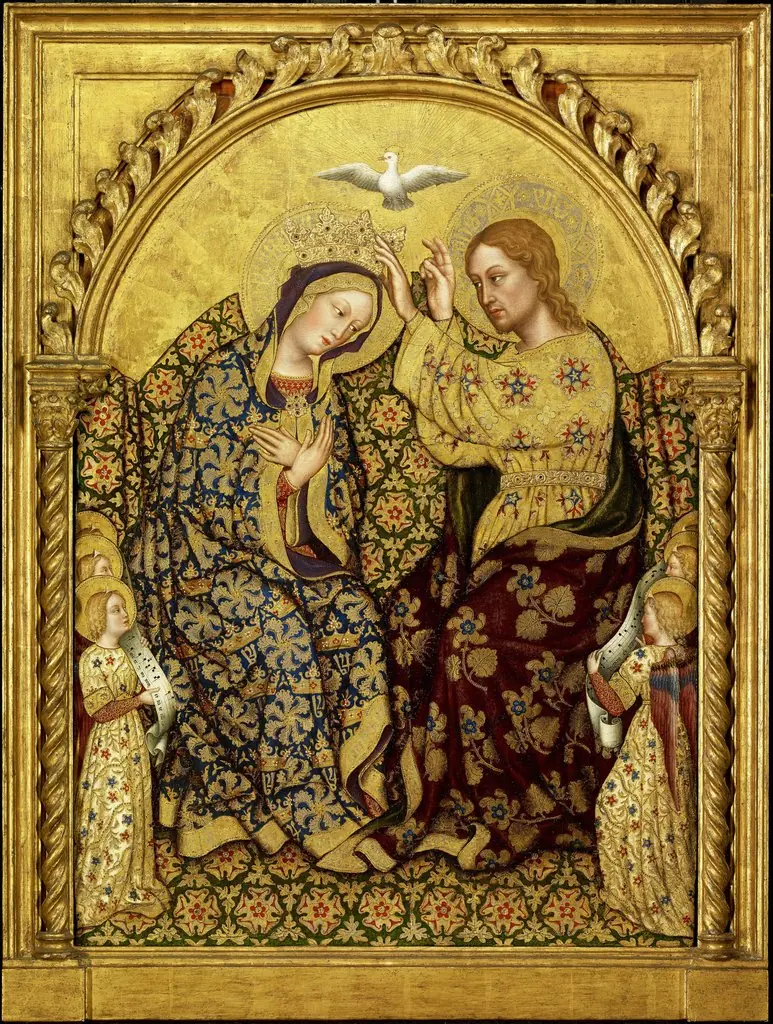
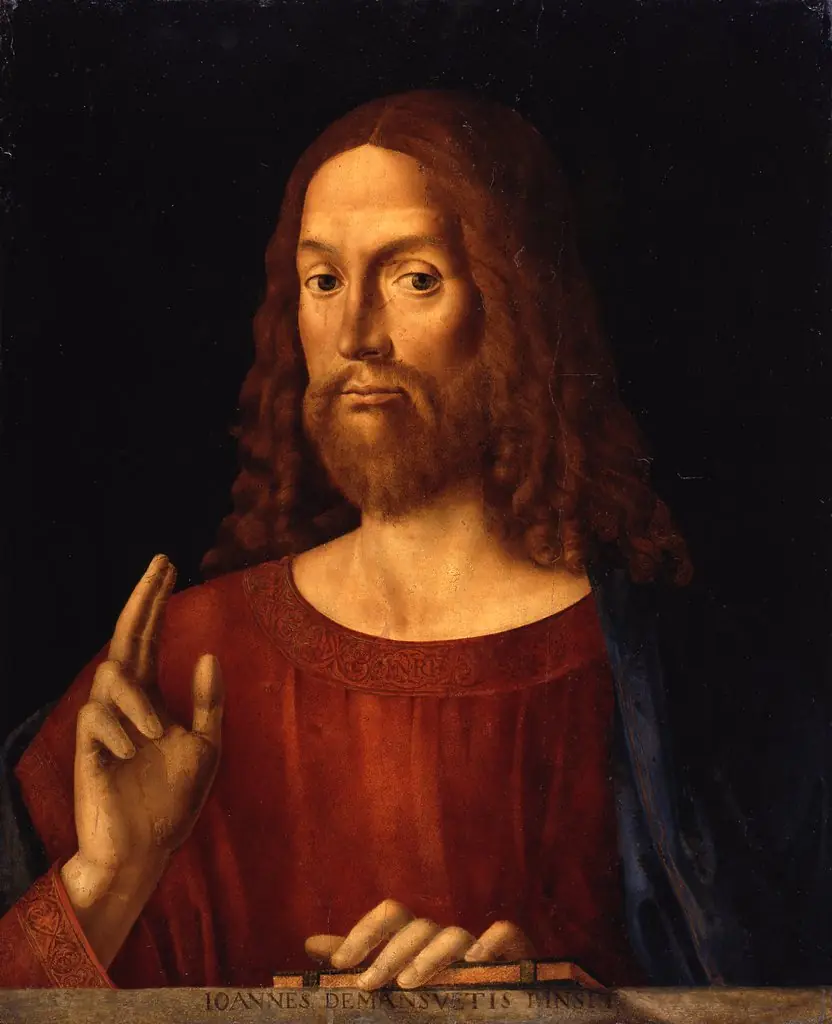
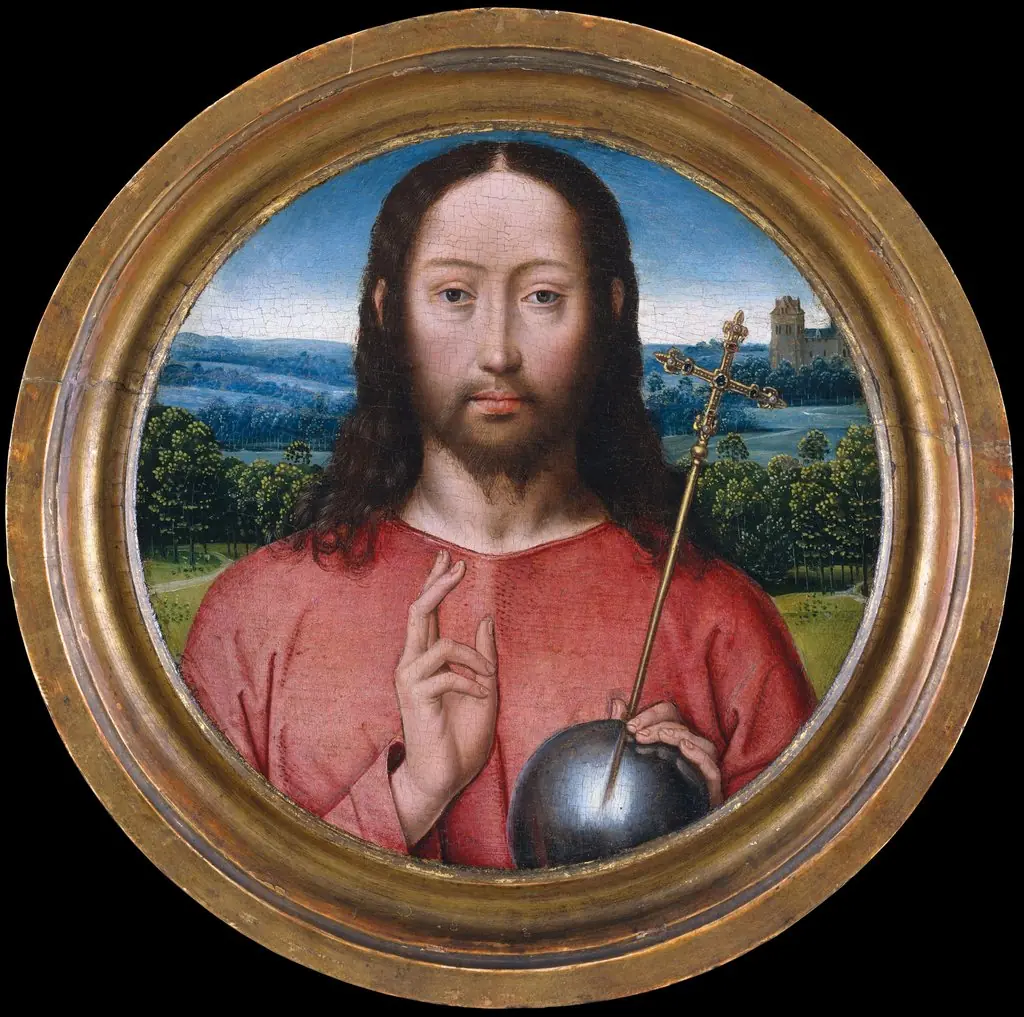
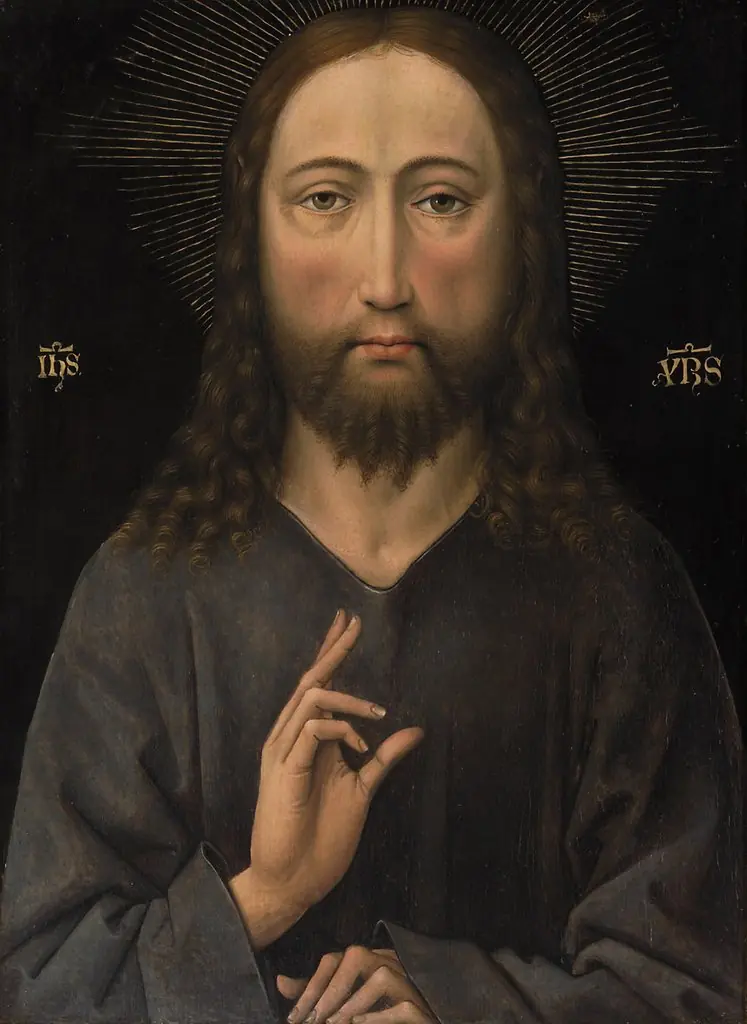
The painting depicts Christ in a circular form, characterized by long hair, a halo, and symbolic attire: a blue robe over a red garment. His right hand blesses, while his left holds an unspecified small object, conveying serenity and contemplation.
Technique & Style
The work contrasts warm, golden backgrounds with cool-toned robes, achieving a serene atmosphere. While not explicitly stated to use sfumato, the soft, hazy effects are reminiscent of techniques common during the period.
History & Provenance
Created in 1423, the painting's history prior to its current location at the Uffizi Gallery is not detailed in the provided information.
Context
Part of the early 15th-century religious art scene, this piece reflects the traditional representation of Christ with added compositional uniqueness through its circular format.
Legacy
The painting's impact or influence on subsequent art is not specified in the given details, though it remains a notable work by Gentile da Fabriano.
Artist & collection

Artist
Gentile da Fabriano was a traveler who followed the money. Around 1420 he landed in Florence chasing richer patrons than his Umbrian hometown could offer. He liked gold leaf more than gold coins—his paintings shimmer…


![Saint James Major [right panel], by Grifo di Tancredi](https://artifactworldgallery.com/img/grifo-di-tancredi--saint-james-major-right-panel--dc190378c0cddc8f-w320.webp)