Artwork
Plantae Selectae: No. 58 - Corallodendron
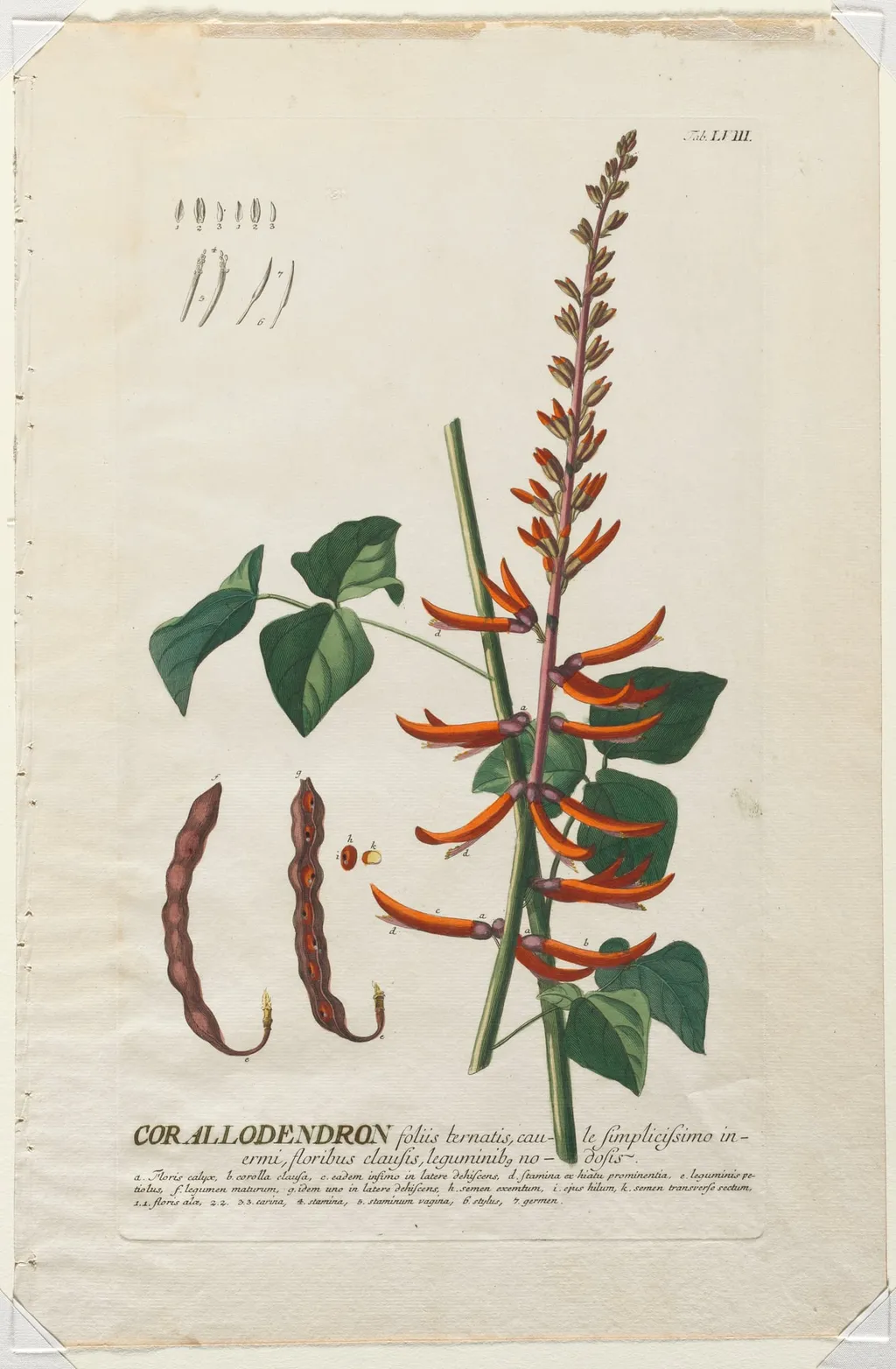
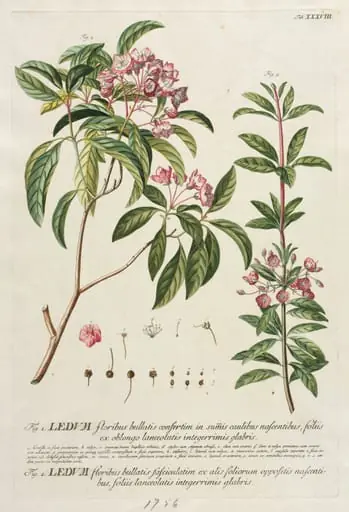
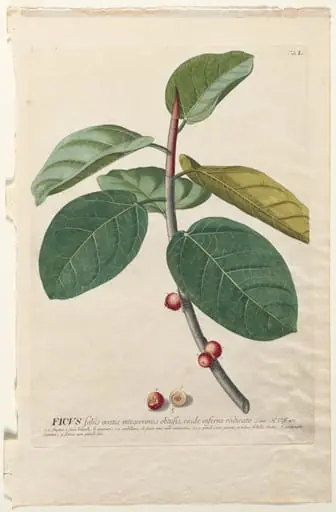
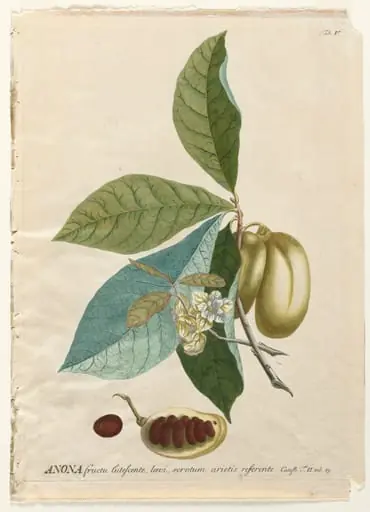
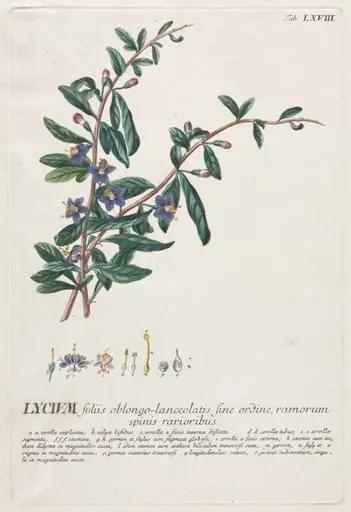
Plantae Selectae: No. 58 - Corallodendron is a print by the Romanticist artist Georg Dionysius Ehret. It dates from 1762 and is held in the collection of the Cleveland Museum of Art.
About this work
Overview
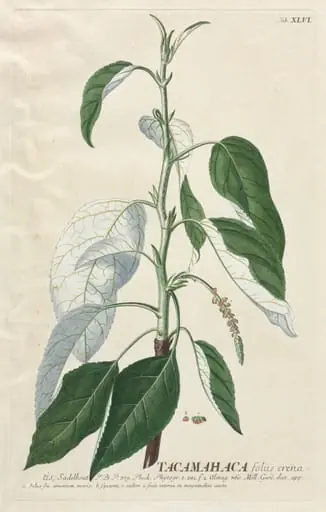
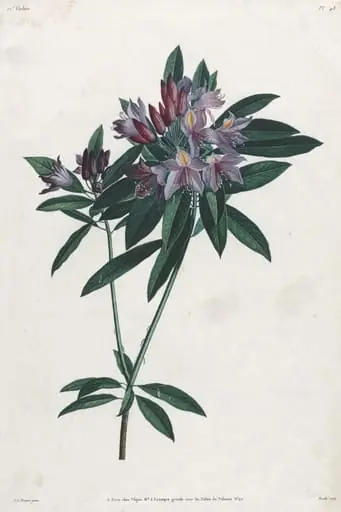
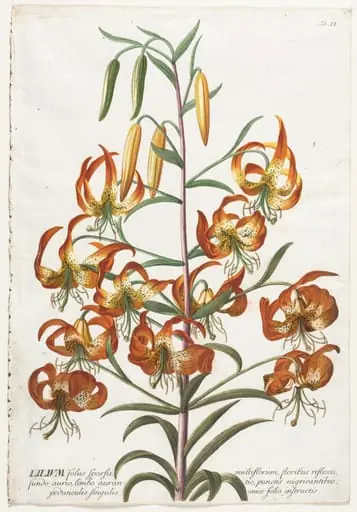
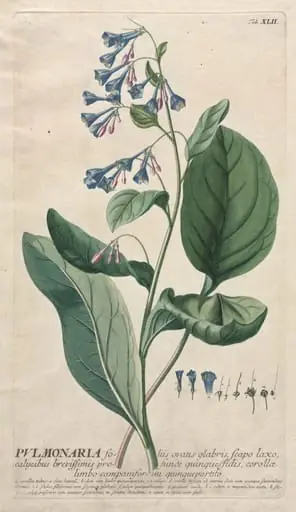
Created in 1762 by Georg Dionysius Ehret, this botanical print is part of the series Plantae Selectae. It depicts a specific plant species known as Corallodendron, rendered with precision for scientific documentation. The work is held in the collection of The Cleveland Museum of Art and reflects the intersection of art and natural history during the 18th century.
Subject & Meaning
The illustration focuses on Corallodendron, a plant characterized by slender stems bearing clusters of tubular, orange flowers resembling small horns.
The illustration focuses on Corallodendron, a plant characterized by slender stems bearing clusters of tubular, orange flowers resembling small horns. A detailed seed pod, elongated and textured, is shown at the lower left, emphasizing reproductive structures. The composition serves a taxonomic purpose, aiming to capture the plant’s morphology for scholarly study rather than symbolic or emotional expression.
Technique & Style
Ehret employed fine ink and watercolor to achieve delicate tonal gradations and precise linework. The plant is rendered against a plain background to eliminate distraction, highlighting anatomical accuracy. Leaves are depicted with subtle veining and undulating edges, while the seed pod’s surface texture is suggested through careful hatching, reflecting the conventions of scientific illustration of the period.
History & Provenance
The print was produced as part of Ehret’s collaborative project with botanist Christoph Jacob Trew, intended to document rare and exotic plants. It was originally published in a multi-volume series distributed to academic and aristocratic patrons. The Cleveland Museum of Art acquired the work as part of its broader collection of historical botanical art.
Context
In the 18th century, botanical illustration flourished alongside global exploration and the classification of flora. Ehret’s work aligned with Linnaean taxonomy, prioritizing clarity and detail over artistic embellishment. Though contemporaneous with Romanticism, this image belongs to the empirical tradition of natural history, not the emotional idealization associated with that later movement.
Legacy
Ehret’s illustrations remain valued for their scientific rigor and aesthetic discipline. They contributed to the standardization of botanical representation in European academia and influenced later illustrators. Today, such works are studied as both historical documents and examples of pre-photographic visual record-keeping in natural science.
Artist & collection

Artist
Georg Dionysius Ehret was a German botanist and entomologist known for his botanical illustrations.