Artwork
Robert de Sorbon
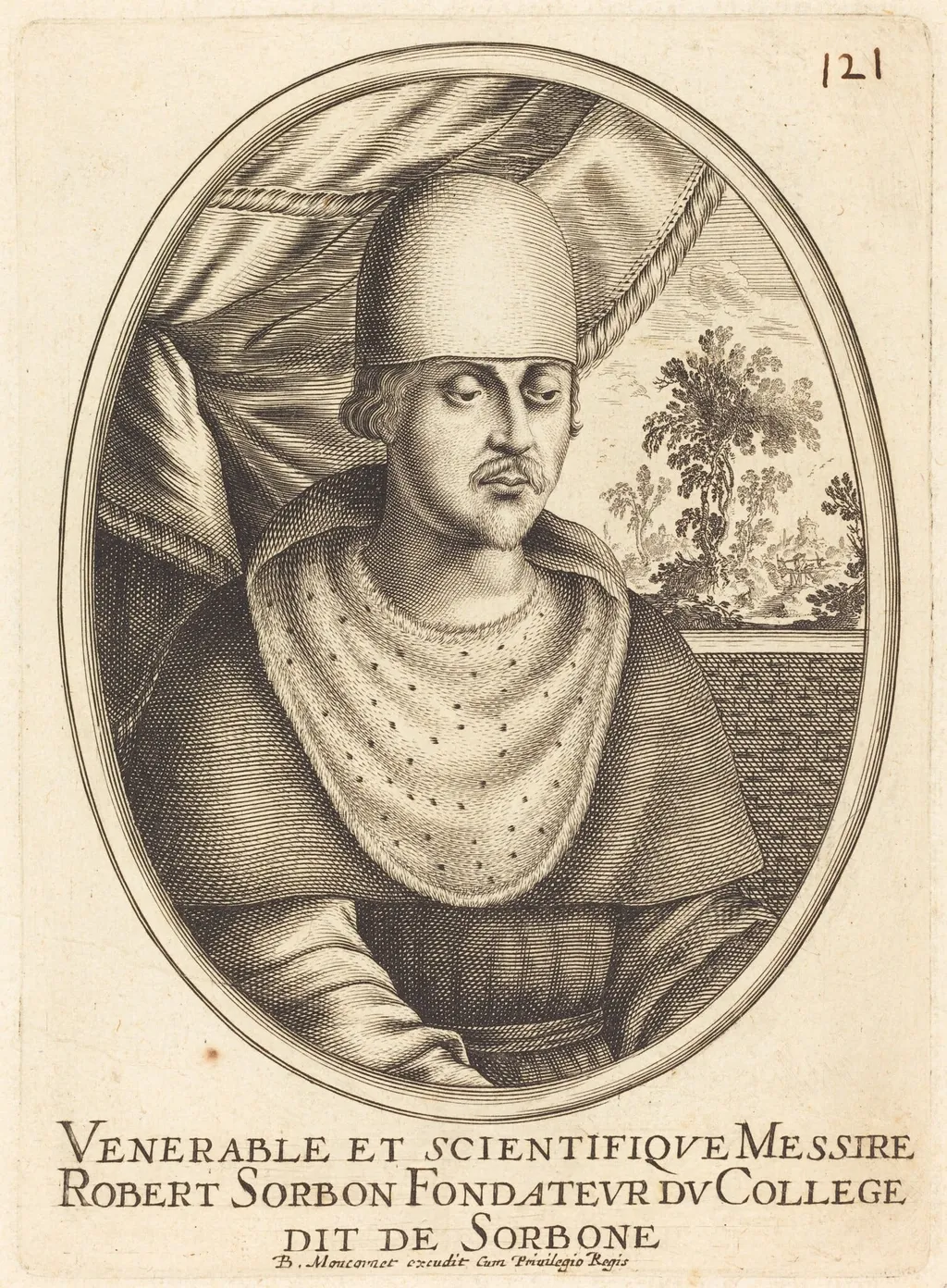
Robert de Sorbon is an ink print by the Baroque artist Balthasar Moncornet. It dates from 1634 and is held in the collection of the National Gallery of Art.
About this work
Overview
This 1634 engraving by Balthasar Moncornet depicts Robert de Sorbon, a prominent French clergyman and founder of the Sorbonne. Executed on laid paper, the work is one of approximately forty-five portrait prints Moncornet produced during his career, reflecting a broader French tradition of documenting notable figures through printmaking in the mid-seventeenth century.
Subject & Meaning
The inclusion of a modest landscape behind him subtly reinforces his association with learning and institutional legacy, rather than personal wealth or power.
Robert de Sorbon is portrayed with solemn dignity, his expression and attire conveying scholarly authority. The inscription beneath his name—'Venerable et scientifique Messire Robert Sorbon'—emphasizes his revered status and intellectual contributions. The inclusion of a modest landscape behind him subtly reinforces his association with learning and institutional legacy, rather than personal wealth or power.
Technique & Style
Moncornet employed fine, controlled etching lines to render texture and depth, particularly in the fur collar and facial features. The circular border frames the figure with classical restraint, while the crosshatching creates tonal variation without pigment. This method, typical of engraved portraiture, allowed for precise reproduction and widespread distribution among educated audiences.
History & Provenance
Created in Paris during Moncornet’s active years, the print was likely produced for dissemination among academic and ecclesiastical circles. As a tapissier and printmaker, Moncornet had access to networks that facilitated the circulation of such portraits. The work survives as part of a larger corpus of contemporary likenesses, though its specific early ownership remains undocumented.
Context
In 17th-century France, engraved portraits served as tools of cultural memory, especially for figures associated with education and religion. Sorbon’s institutional legacy made him a fitting subject, while Moncornet’s role as a printmaker aligned with the growing demand for accessible, reproducible images of public figures outside the realm of painting.
Legacy
The engraving contributes to a visual archive of French intellectual life in the early Baroque period. Though not widely exhibited today, it remains a representative example of how printmaking preserved the likenesses of scholars and clerics, bridging the gap between elite identity and broader public recognition through mechanical reproduction.
Artist & collection
Artist
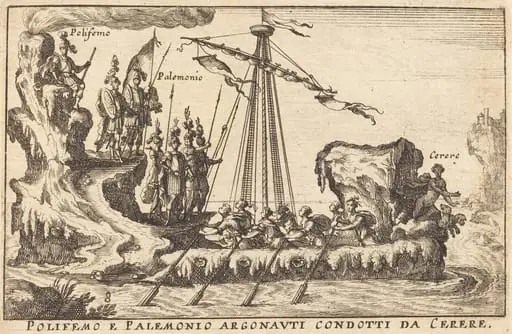
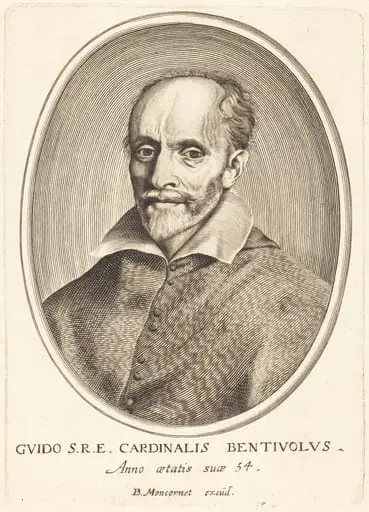
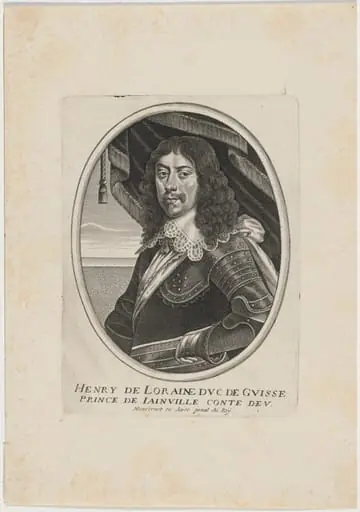
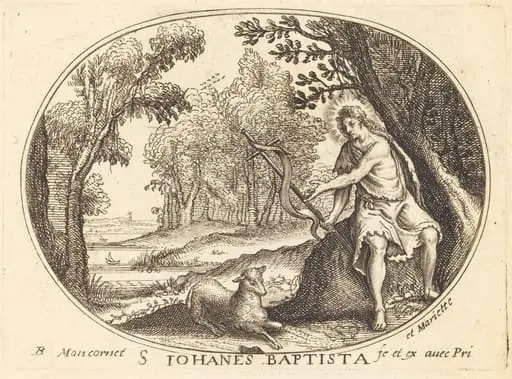
Balthasar Moncornet (1600, Rouen – 1668, Paris) was a French painter, engraver, and tapissier revered for his depictions of around 45 different prominent figures of the 17th century.

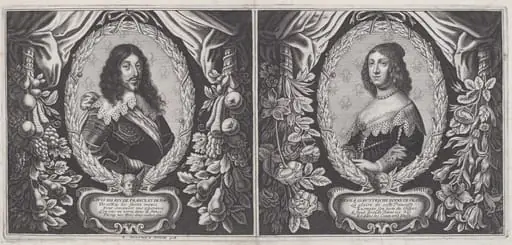
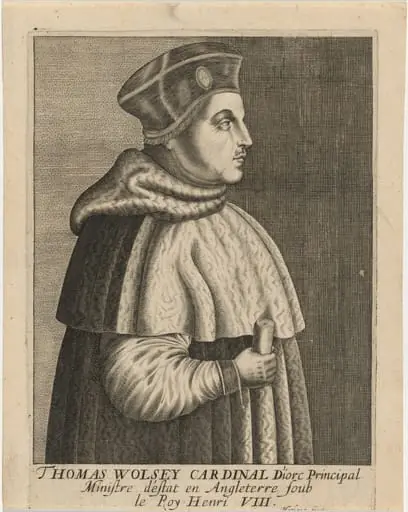 Thomas Wolsey, Cardinal, Lord Chancellor, Archbishop of York
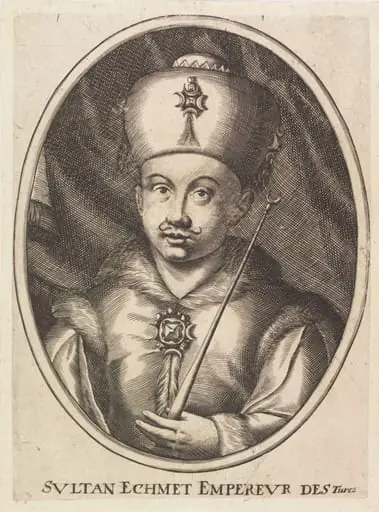 Turkish sultans, sultanas and other historical figures
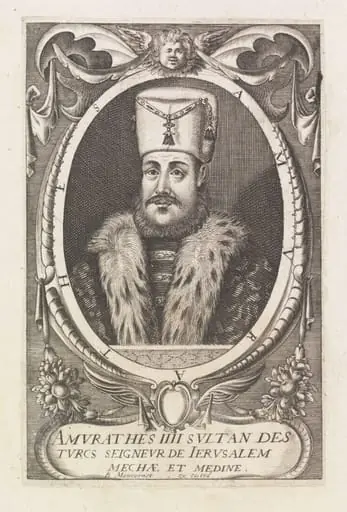 Turkish sultans, sultanas and other historical figures
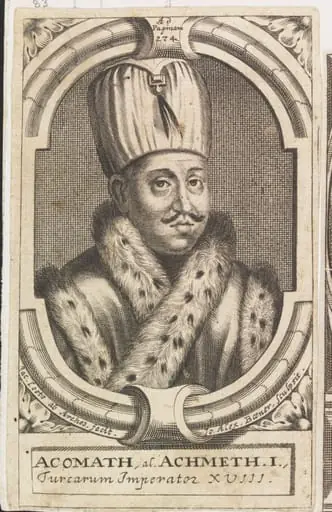 Turkish sultans, sultanas and other historical figures
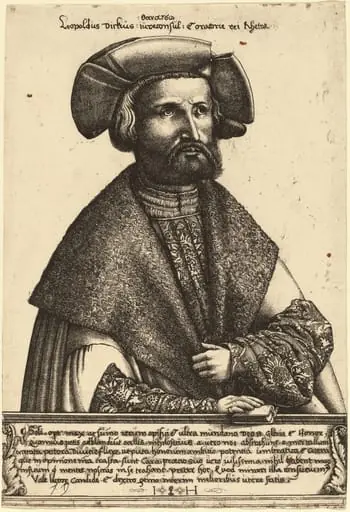 Leopold Dick
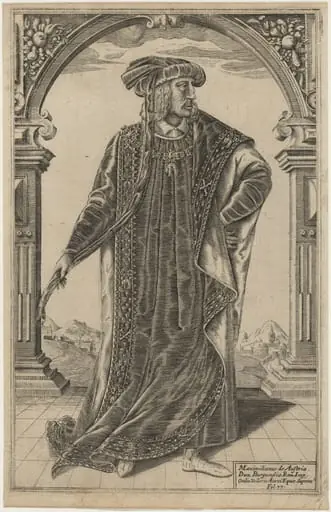 Maximilian I, Son of Emperor Frederick III
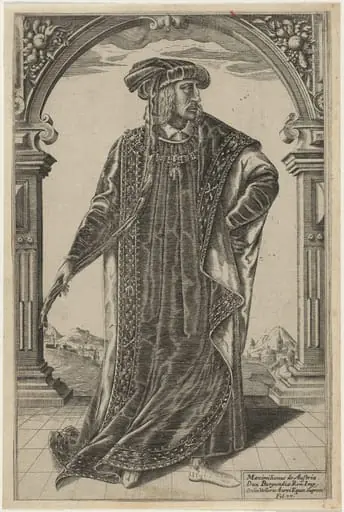 Emperor Maximilian I
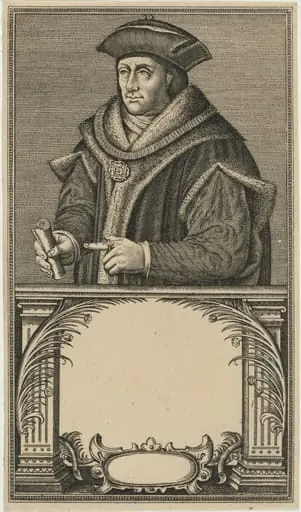 Sir Thomas More
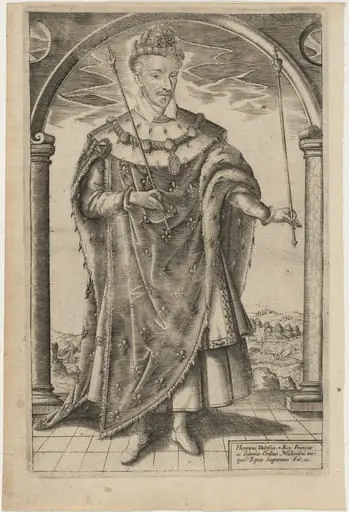 Henry III of France
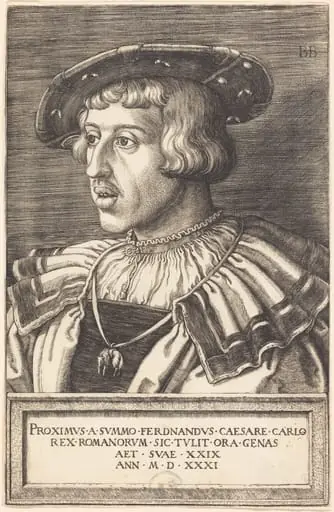 King Ferdinand I
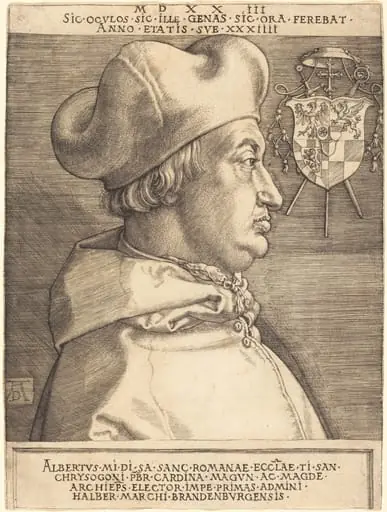 Cardinal Albrecht of Brandenburg ("Large Cardinal")
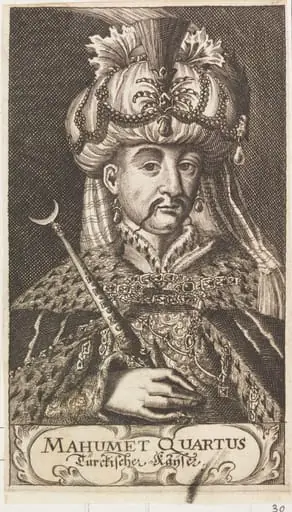 Turkish sultans, sultanas and other historical figures