Artwork
Emperor Octavian and the Sibyl
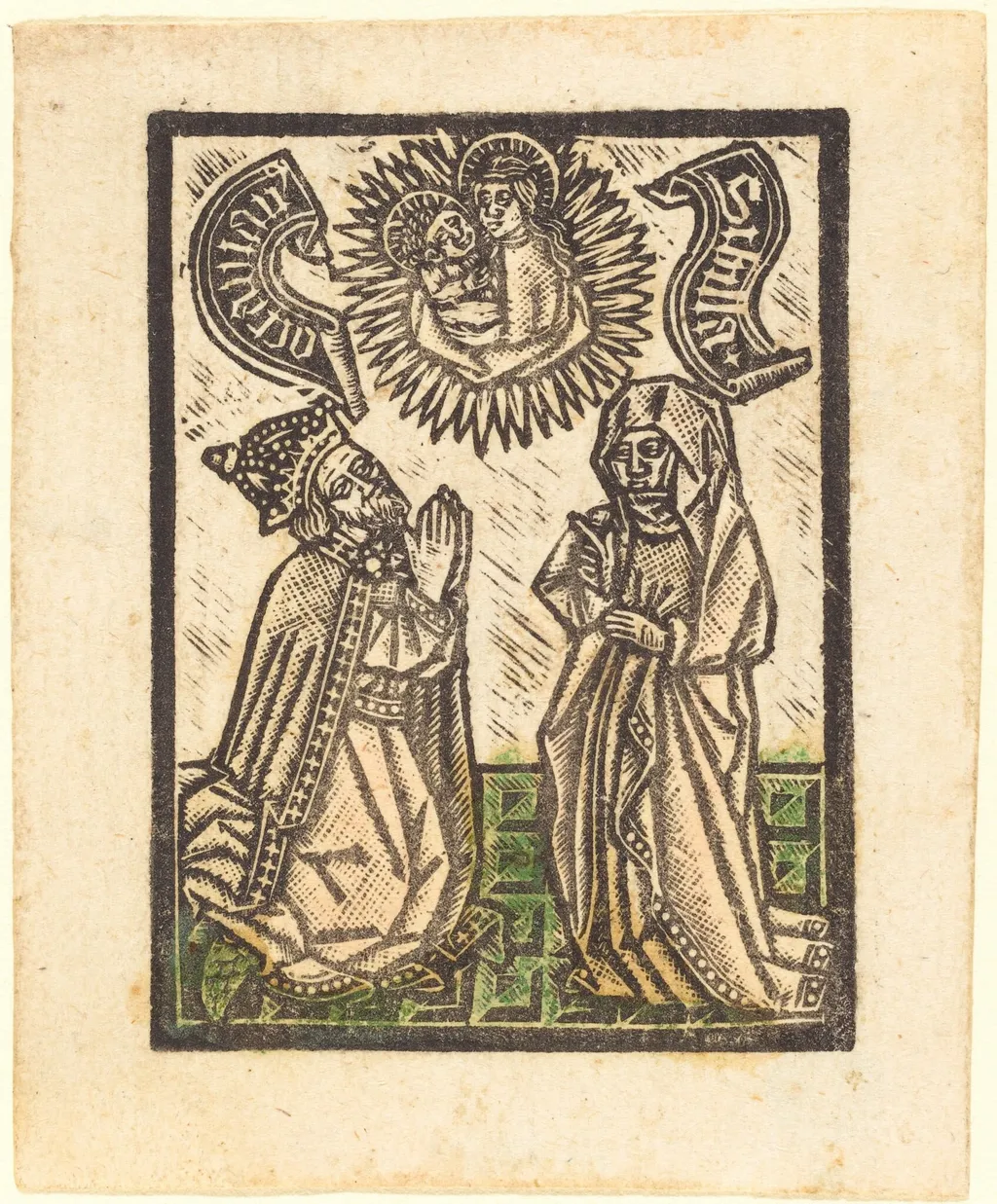
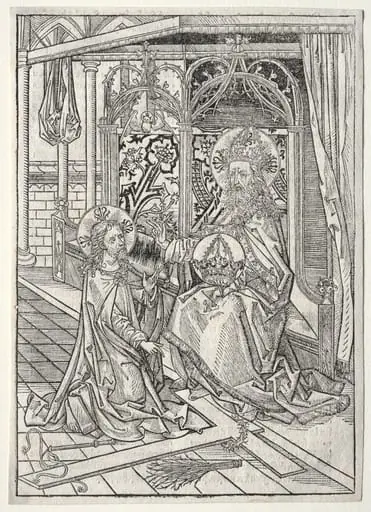
Emperor Octavian and the Sibyl is a paint print by the Renaissance artist German 15th Century. It dates from 1480 and is held in the collection of the National Gallery of Art.
About this work
Overview
The work entitled “Emperor Octavian and the Sibyl” is a hand‑coloured metalcut print on laid paper. Executed with black line work and selective washes of green, light rose and yellow, the image measures roughly the size of a typical early‑modern book illustration and was intended for multiple reproduction.
Subject & Meaning
The composition presents two figures beneath a winged angel. The kneeling figure, robed and capped, clasps his hands in a gesture of reverence, while the standing figure, staff in hand and cloaked in a patterned mantle, appears authoritative. The angel, haloed and bearing a scroll, hovers above, suggesting a divine endorsement of the encounter between the imperial and prophetic realms.
Technique & Style
Created by incising the design into a metal plate, the print employs the chiaroscuro method, using the added colour washes to model volume and suggest light falling across the forms. The limited palette of green, rose and yellow provides contrast against the dense black lines, a characteristic feature of early printed illustrations that sought visual impact with modest resources.
History & Provenance
Metalcut prints of this type circulated widely in the late 15th and early 16th centuries, often as book illustrations or devotional images. While the specific origin of this particular impression is not documented, its style aligns with the production of workshops that supplied illustrated editions in Italy and the Low Countries.
Context
The pairing of an emperor with a sibyl reflects Renaissance interest in linking classical authority with prophetic tradition. By depicting a celestial messenger mediating between the two, the image reinforces the notion of imperial rule sanctioned by divine foresight, a theme common in humanist visual culture of the period.
Legacy
Prints such as this contributed to the diffusion of classical and biblical iconography across Europe, influencing later engravings and paintings that explored the relationship between temporal power and prophetic insight.
Artist & collection

Artist
This 15th-century German artist carved vivid religious scenes into metal and wood, then hand-painted them in bright, symbolic colors.

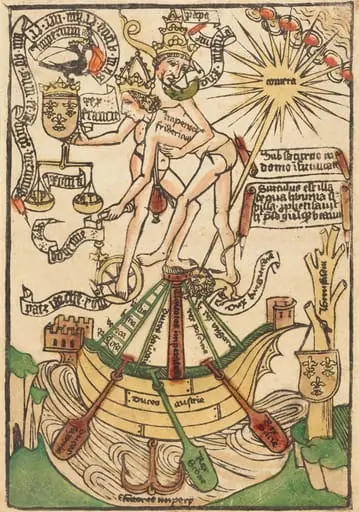 Allegory of the Meeting of Pope Paul II and Emperor Frederick III
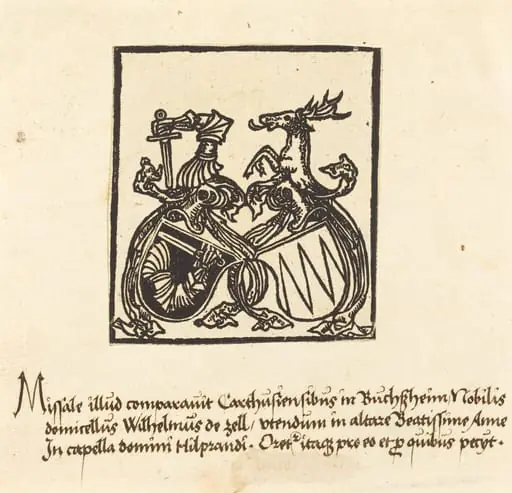 Bookplate of Wilhelm von Zell
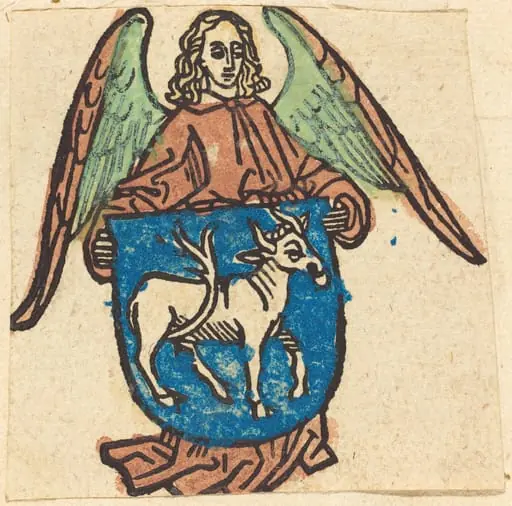 Bookplate of Hilprand Brandenburg of Bibrach
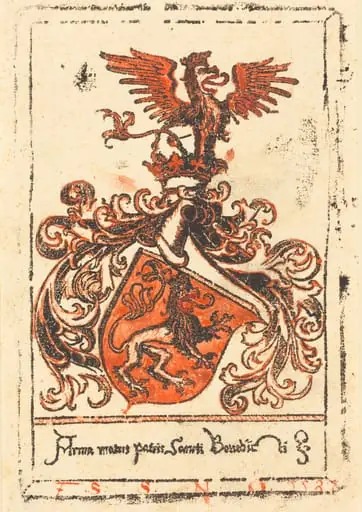 Bookplate of the Abbey of Ottobeuren
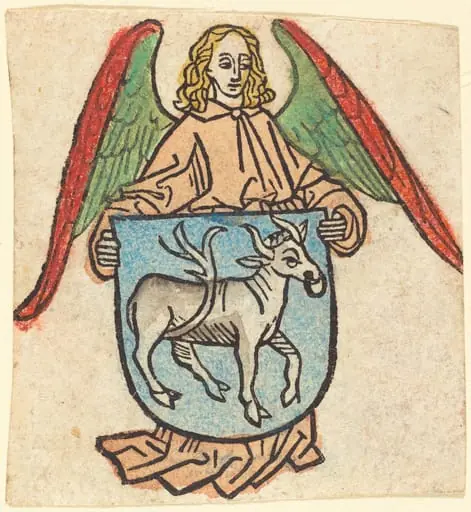 Bookplate of Hilprand Brandenburg of Bibrach
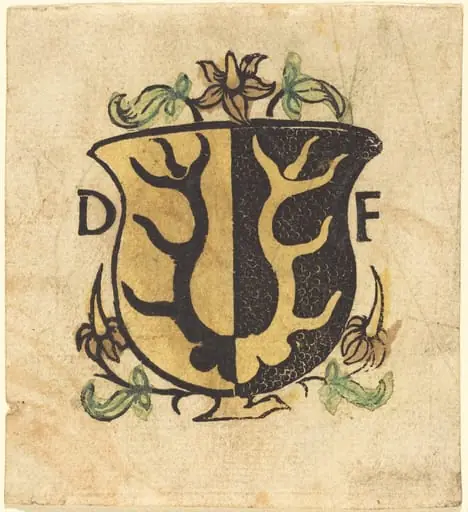 Bookplate of Dominicus Frauenfelder
![Studies for Six Figures (sheet from a model book) [recto], by German 15th Century](https://artifactworldgallery.com/img/german-15th-century--studies-for-six-figures-sheet-from-a-model-book-recto--4837429e0755bc3f-w320.webp) Studies for Six Figures (sheet from a model book) [recto]
Studies for Six Figures (sheet from a model book) [recto]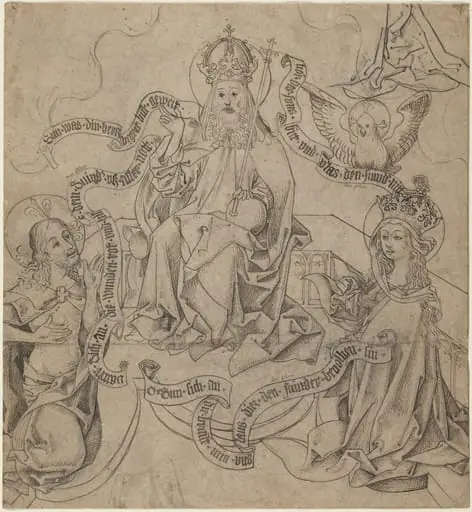 Christ and Mary Interceding with God the Father
![The Last Judgment [right], by Master of St. Erasmus](https://artifactworldgallery.com/img/master-of-st-erasmus--the-last-judgment-right--dcbf9c950423ddb7-w320.webp)