Artwork
The Adoration of the Magi
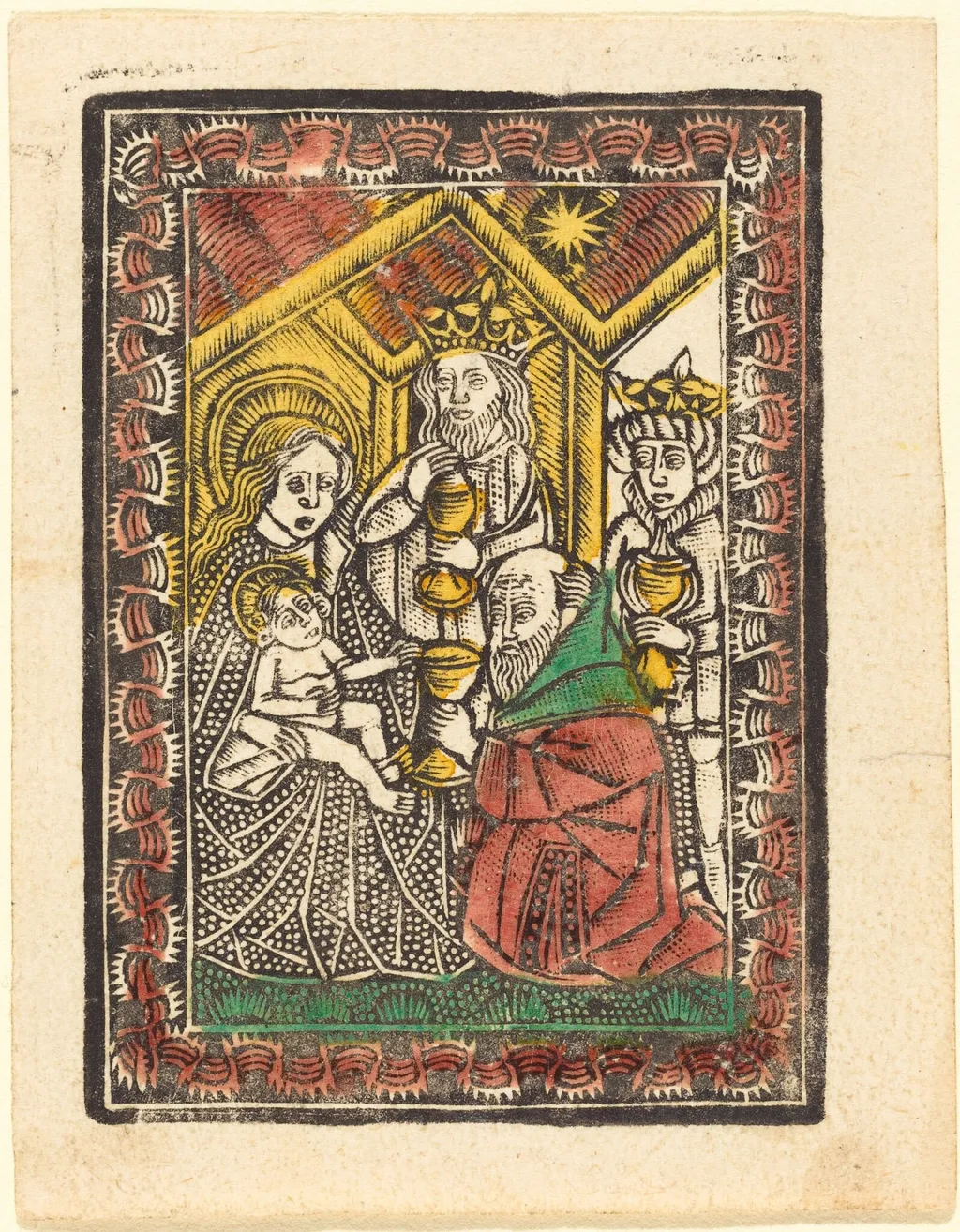
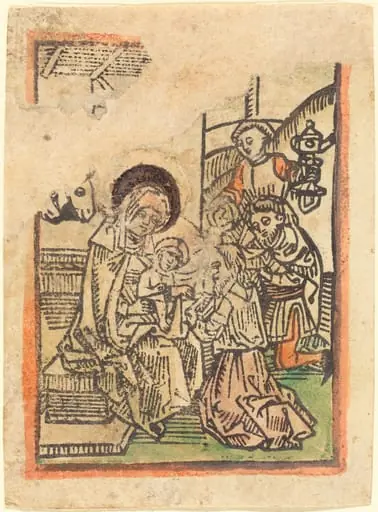
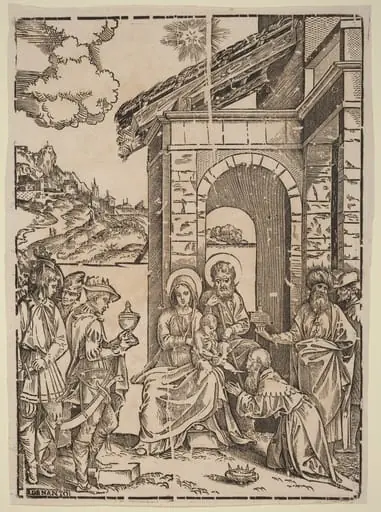
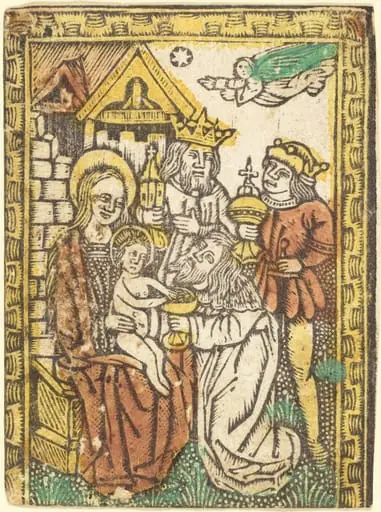
The Adoration of the Magi is a paint print by the Renaissance artist German 15th Century. It dates from 1475 and is held in the collection of the National Gallery of Art. This metalcut print depicts the biblical scene of the Magi presenting gifts to the infant Jesus.
About this work
Overview
Rendered in hand-colored red, yellow, and green on laid paper, the composition emphasizes clarity and symbolic gesture over intricate detail.
This metalcut print depicts the biblical scene of the Magi presenting gifts to the infant Jesus. Rendered in hand-colored red, yellow, and green on laid paper, the composition emphasizes clarity and symbolic gesture over intricate detail. The bold, simplified forms and bright hues convey reverence and festivity, typical of devotional prints intended for private contemplation or domestic display in the late medieval or early Renaissance period.
Subject & Meaning
The scene illustrates the moment when three kings, dressed in elaborate robes, offer gold, frankincense, and myrrh to the Christ child, who sits with the Virgin Mary. Their presence signifies the recognition of Jesus as both divine and royal by the Gentile world. The focused arrangement of figures underscores the spiritual significance of the event, minimizing distractions to highlight the act of worship and the unity of the sacred group.
Technique & Style
Executed as a metalcut, the image relies on incised lines to define forms, with color applied by hand in flat, saturated tones. The lack of shading or modeling reflects a preference for symbolic clarity over naturalism. The use of red, yellow, and green enhances the ceremonial tone, while the absence of detailed backgrounds directs attention to the central figures and their ritual interaction.
History & Provenance
This print likely originated in a workshop producing devotional imagery for northern European markets between the late 15th and early 16th centuries. Metalcuts were a cost-effective alternative to woodcuts and engravings, often used for mass distribution. Its survival in hand-colored form suggests it was valued by a private owner who invested in its visual enrichment, possibly for use in a household chapel or as a teaching aid.
Context
Produced during a period when religious imagery was widely circulated among the laity, this print reflects the growing demand for accessible devotional objects. Unlike large altarpieces, such prints were portable and affordable, allowing individuals to engage with sacred narratives at home. The emphasis on gesture over environment aligns with broader trends in popular religious art prioritizing emotional and doctrinal clarity.
Legacy
Though not attributed to a named artist, this work exemplifies the role of printmaking in shaping religious visual culture before the Reformation. Its stylistic simplicity influenced later devotional prints and contributed to the standardization of iconographic elements in Christian imagery. The hand-coloring technique, while labor-intensive, preserved a sense of individual care in an era of mechanical reproduction.
Artist & collection

Artist
This 15th-century German artist carved vivid religious scenes into metal and wood, then hand-painted them in bright, symbolic colors.

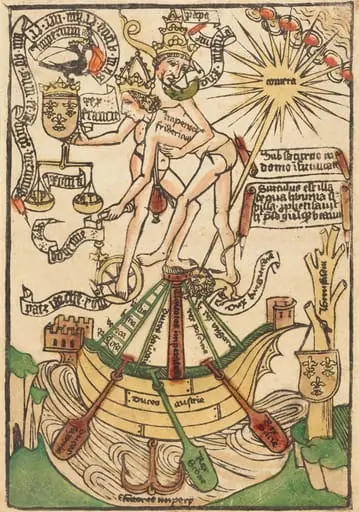 Allegory of the Meeting of Pope Paul II and Emperor Frederick III
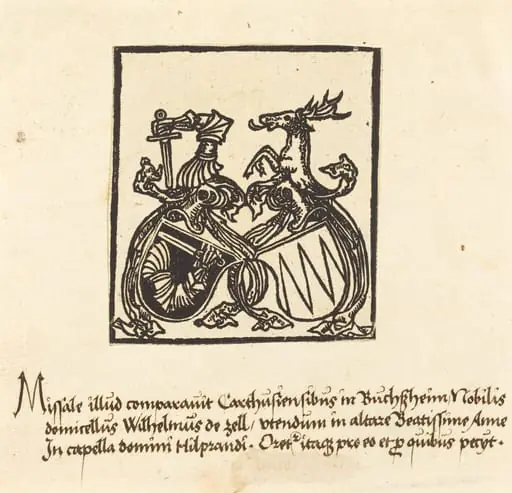 Bookplate of Wilhelm von Zell
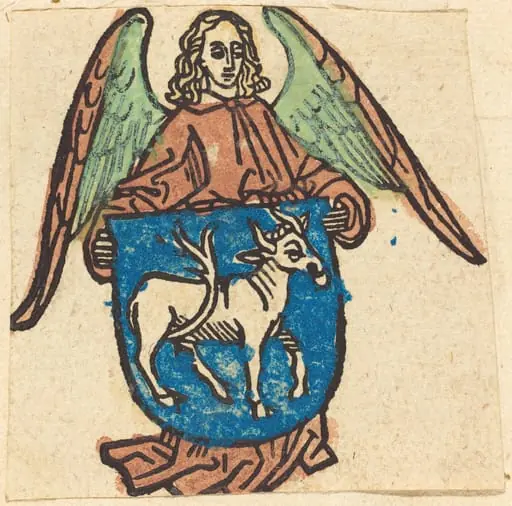 Bookplate of Hilprand Brandenburg of Bibrach
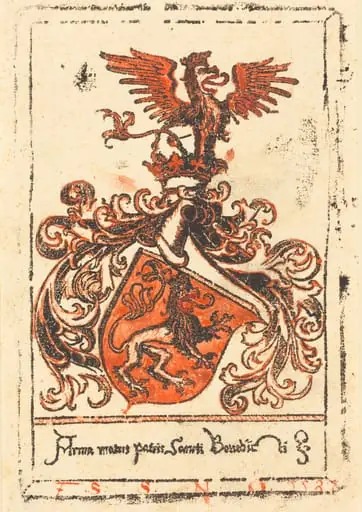 Bookplate of the Abbey of Ottobeuren
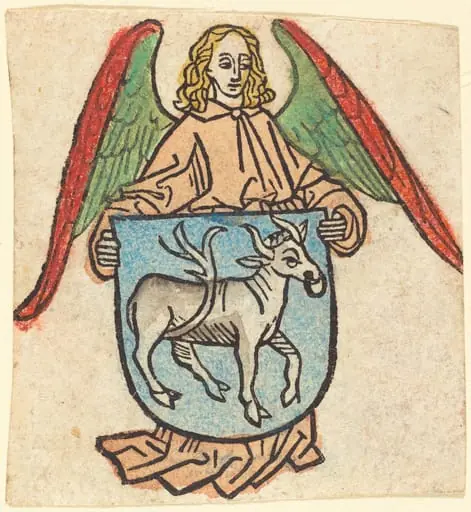 Bookplate of Hilprand Brandenburg of Bibrach
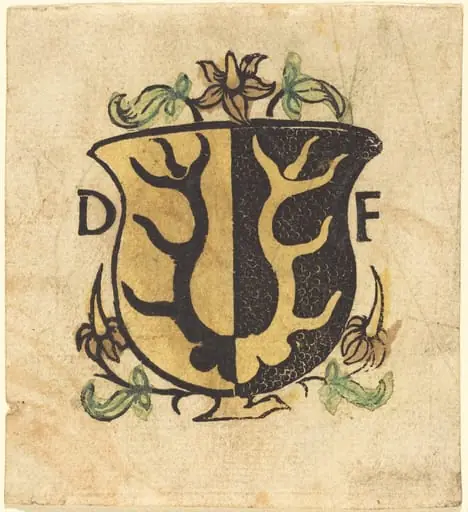 Bookplate of Dominicus Frauenfelder
![Studies for Six Figures (sheet from a model book) [recto], by German 15th Century](https://artifactworldgallery.com/img/german-15th-century--studies-for-six-figures-sheet-from-a-model-book-recto--4837429e0755bc3f-w320.webp) Studies for Six Figures (sheet from a model book) [recto]
Studies for Six Figures (sheet from a model book) [recto]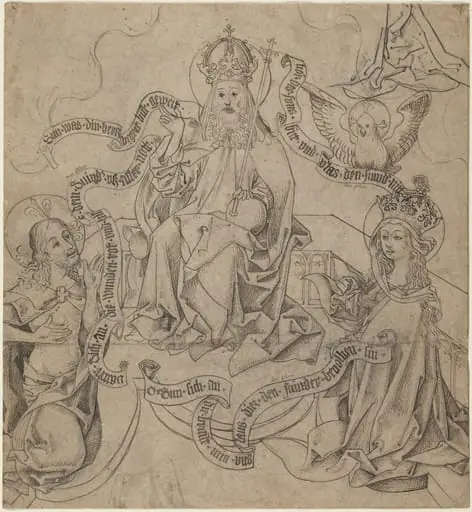 Christ and Mary Interceding with God the Father
 The Adoration of the Magi
 The Adoration of the Magi
 The Adoration of the Magi
 Saint Anne with the Madonna and Child
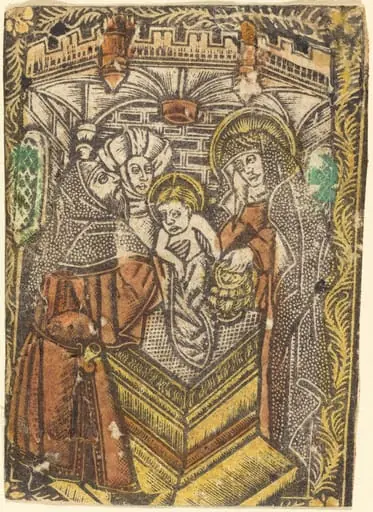 The Presentation in the Temple
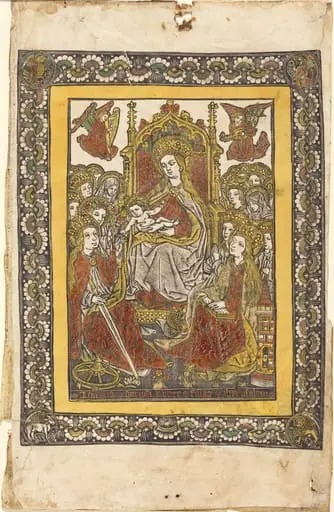 The Madonna Enthroned with Eighteen Holy Women
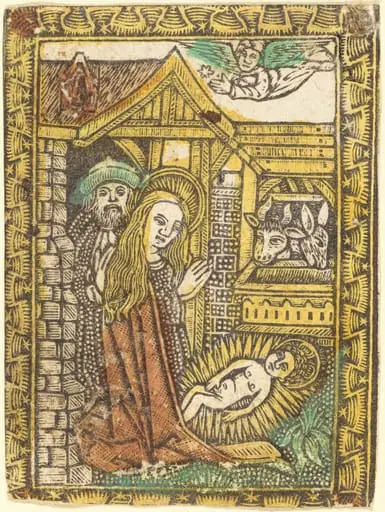 The Nativity
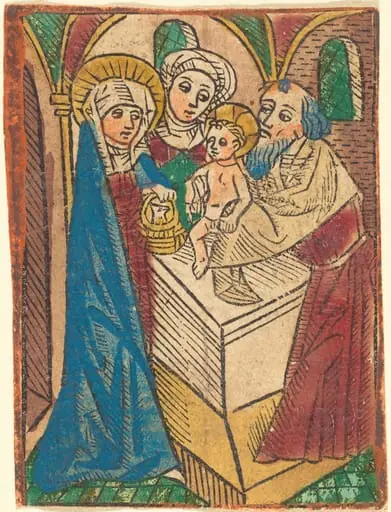 Presentation
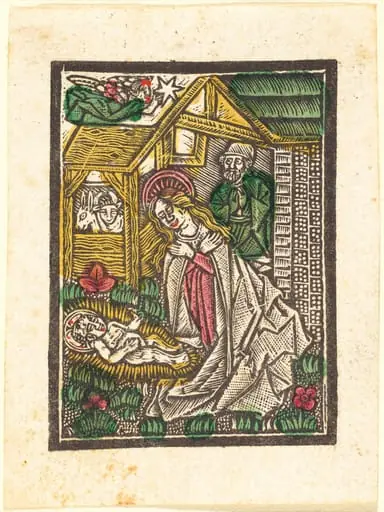 The Nativity
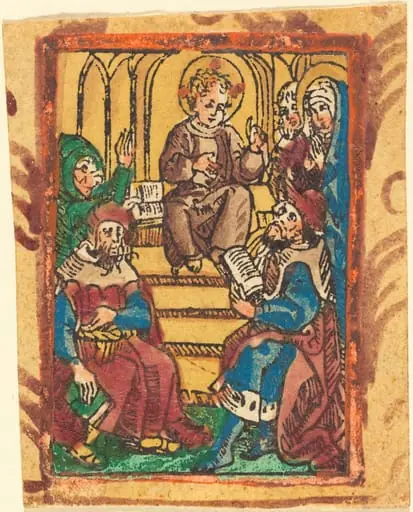 The Twelve Year Old Jesus in the Temple
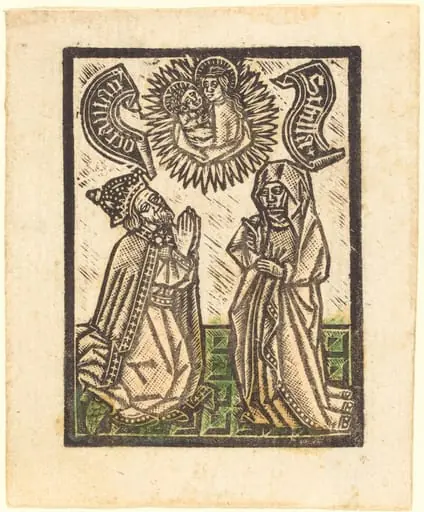 Emperor Octavian and the Sibyl
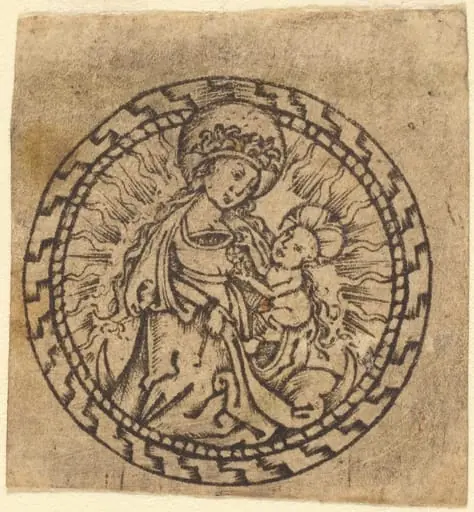 Madonna and Child