Artwork
Saint Bernard with the Madonna and Child
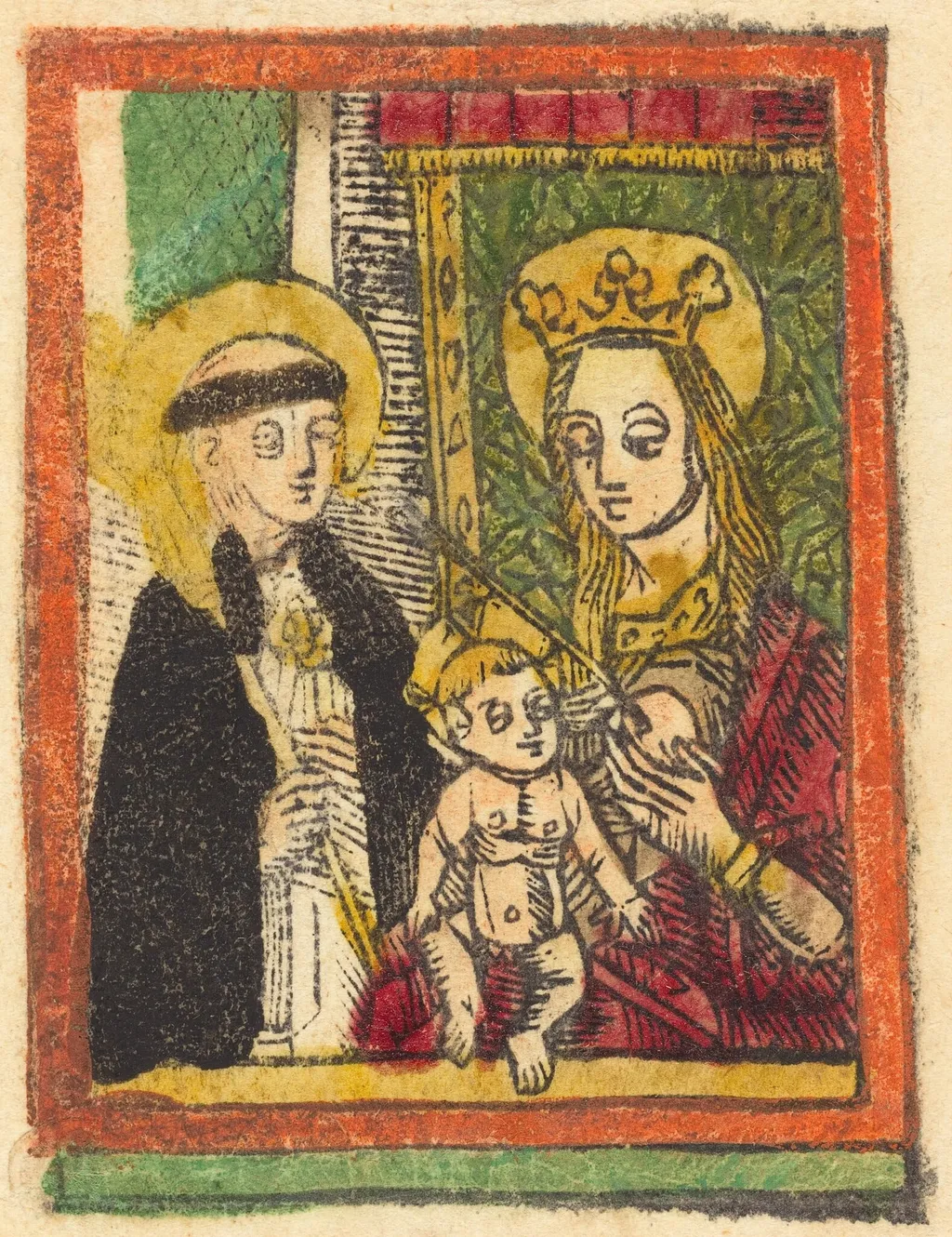
Saint Bernard with the Madonna and Child is an ink print by the Renaissance artist German 15th Century. It dates from 1490 and is held in the collection of the National Gallery of Art. This woodcut, hand-colored with red lake, yellow, green, black, and orange, portrays Saint Bernard in prayer before the Virgin and Child.
About this work
Overview
This woodcut, hand-colored with red lake, yellow, green, black, and orange, portrays Saint Bernard in prayer before the Virgin and Child.
This woodcut, hand-colored with red lake, yellow, green, black, and orange, portrays Saint Bernard in prayer before the Virgin and Child. Though labeled a painting in the description, it is a printed image enhanced by manual coloring, typical of devotional prints from the late medieval or early Renaissance period. The composition centers on quiet reverence, with figures arranged to emphasize spiritual focus over narrative action.
Subject & Meaning
Saint Bernard, a Cistercian abbot known for his devotion to the Virgin, is depicted in humble supplication, hands folded in prayer. The Madonna and Child, seated on a throne and framed by a radiant halo, symbolize divine grace and maternal tenderness. The scene reflects medieval piety, where personal devotion to Mary was believed to mediate access to the divine, reinforcing the spiritual role of saints as intercessors.
Technique & Style
The image is executed as a woodcut, with bold outlines defining the figures and a limited palette of hand-applied pigments. Red lake for the Virgin’s robe and soft yellow for the Child’s garment create focal points against a muted green background. The coloring is deliberate but restrained, enhancing emotional tone without overwhelming the linear clarity of the print, characteristic of devotional imagery meant for private contemplation.
History & Provenance
Though specific origins are unrecorded, such prints circulated widely in monastic and lay communities from the 15th century onward. Hand-colored woodcuts like this were often produced in workshops in southern Germany or the Low Countries, where demand for affordable religious imagery was high. Their survival suggests they were cherished objects, possibly used in personal prayer or as devotional aids in domestic settings.
Context
This image aligns with a broader tradition of Marian devotion in late medieval Europe, particularly among reform-minded monastic orders like the Cistercians. Saint Bernard’s writings on the Virgin influenced widespread iconography, and prints like this served to disseminate theological ideals to non-literate audiences. The intimate scale and quiet composition reflect a shift toward personal spirituality, distinct from grand liturgical art.
Legacy
As a modest but carefully rendered devotional print, it represents the democratization of religious imagery in the pre-Reformation era. While not attributed to a major artist, its craftsmanship and emotional resonance illustrate how ordinary materials could convey profound spiritual themes. Such works laid groundwork for later print culture, influencing both religious practice and the visual language of Christian iconography.
Artist & collection

Artist
This 15th-century German artist carved vivid religious scenes into metal and wood, then hand-painted them in bright, symbolic colors.

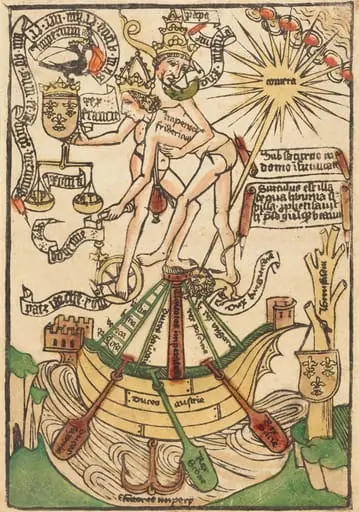 Allegory of the Meeting of Pope Paul II and Emperor Frederick III
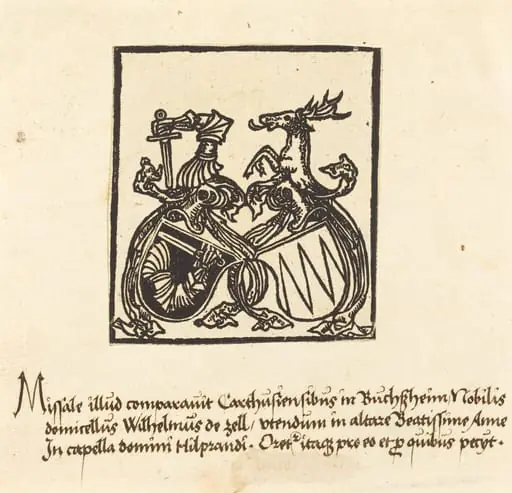 Bookplate of Wilhelm von Zell
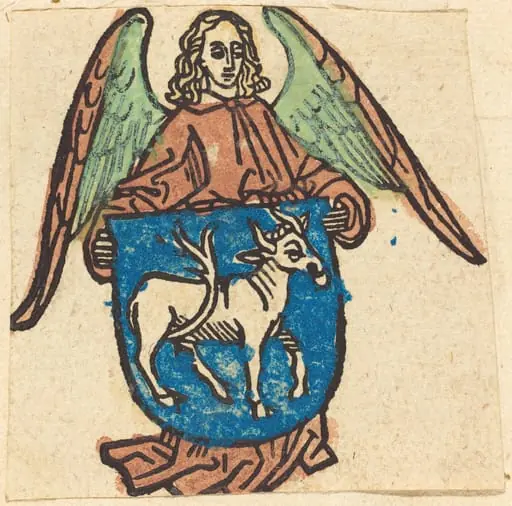 Bookplate of Hilprand Brandenburg of Bibrach
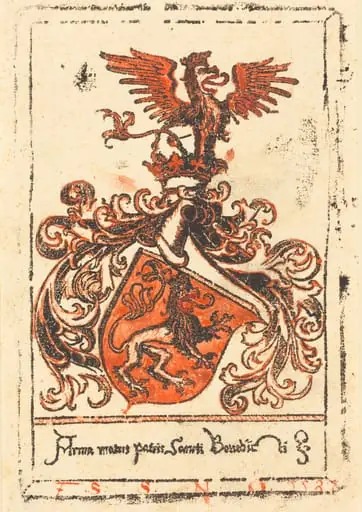 Bookplate of the Abbey of Ottobeuren
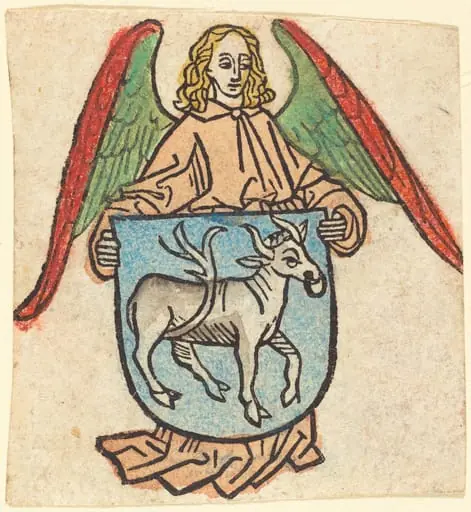 Bookplate of Hilprand Brandenburg of Bibrach
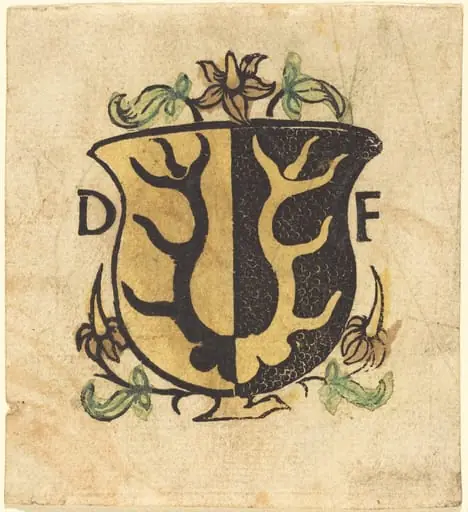 Bookplate of Dominicus Frauenfelder
![Studies for Six Figures (sheet from a model book) [recto], by German 15th Century](https://artifactworldgallery.com/img/german-15th-century--studies-for-six-figures-sheet-from-a-model-book-recto--4837429e0755bc3f-w320.webp) Studies for Six Figures (sheet from a model book) [recto]
Studies for Six Figures (sheet from a model book) [recto]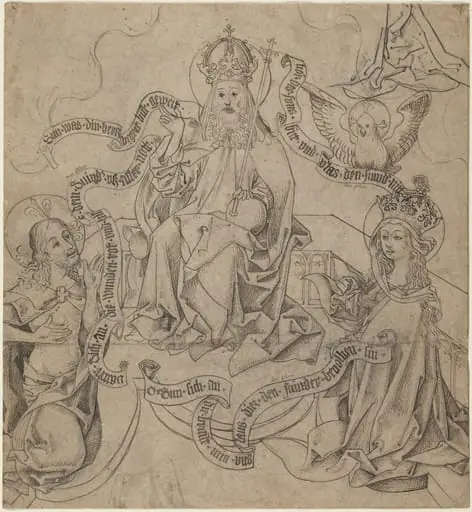 Christ and Mary Interceding with God the Father
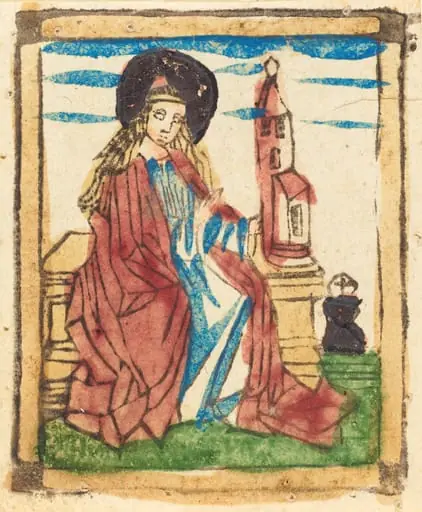 Saint Barbara
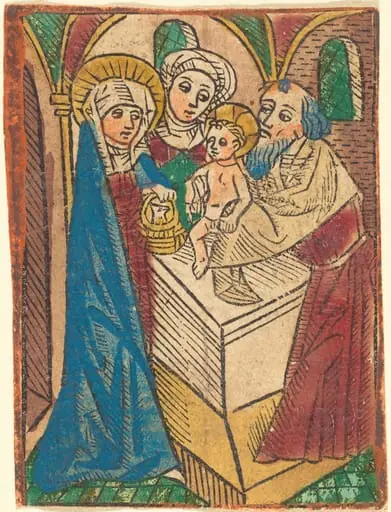 Presentation
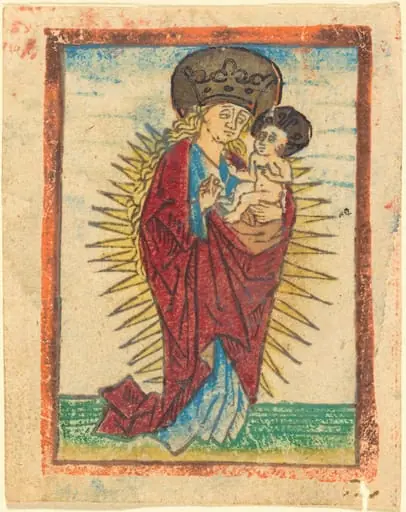 Madonna and Child in a Glory
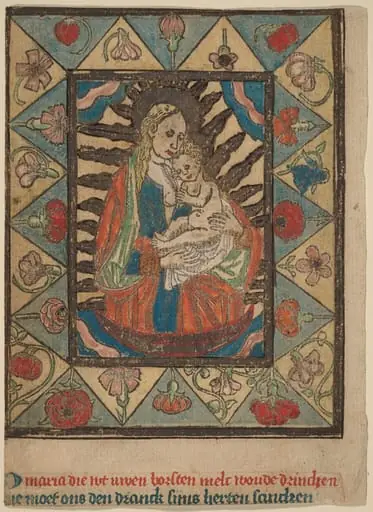 The Madonna and Child
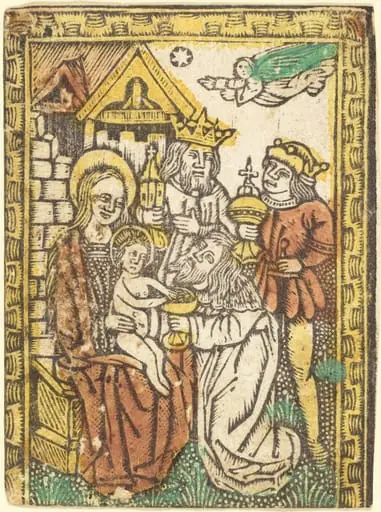 The Adoration of the Magi
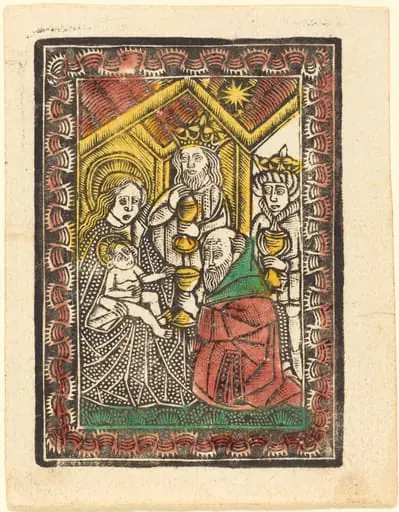 The Adoration of the Magi
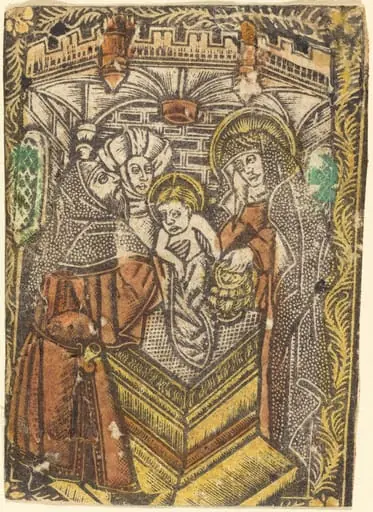 The Presentation in the Temple
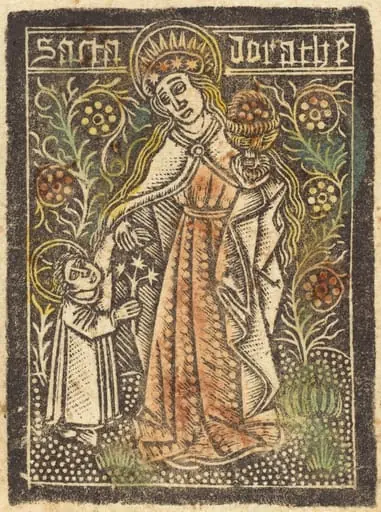 Saint Dorothy
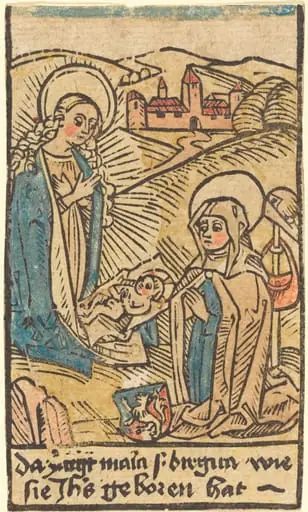 Madonna and Saint Bridget
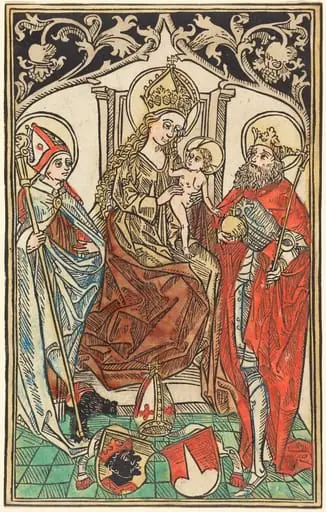 The Madonna and Child Enthroned, with Saints Corbinian and Sigismund
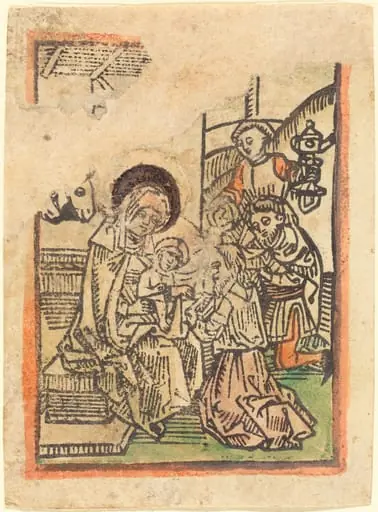 The Adoration of the Magi
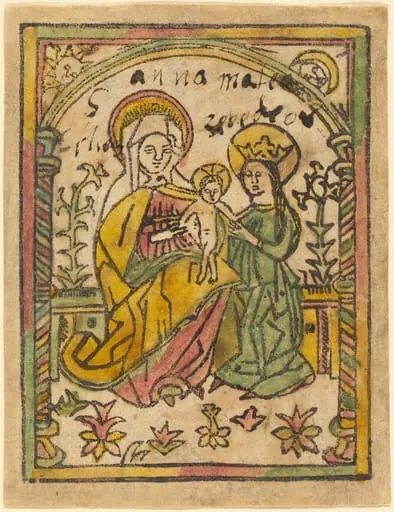 Saint Anne with the Madonna and Child