Artwork
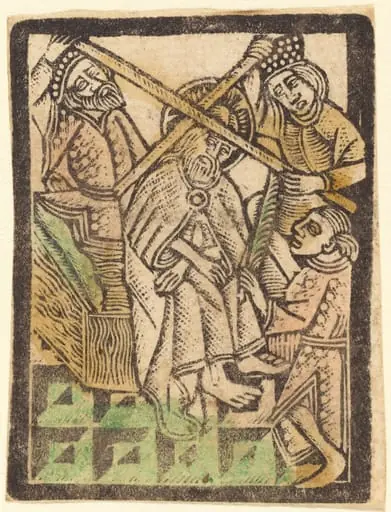
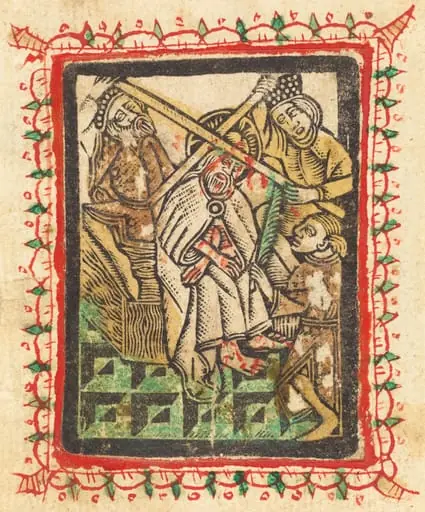
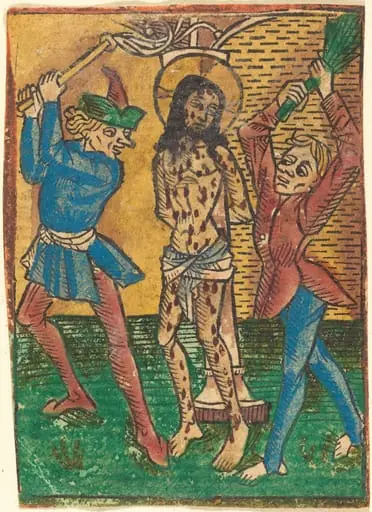
The Flagellation
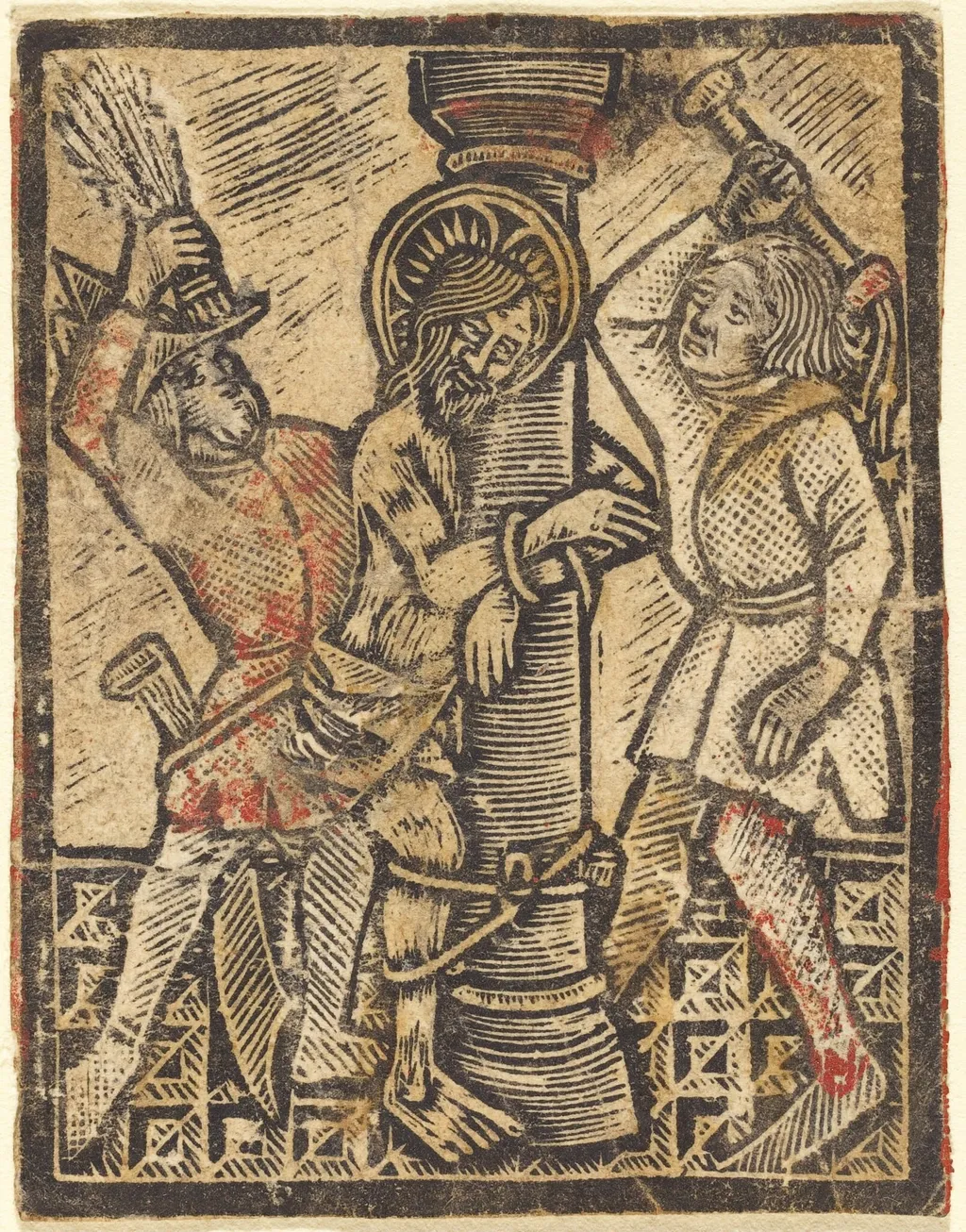
The Flagellation is a paint print by the Renaissance artist German 15th Century. It dates from 1475 and is held in the collection of the National Gallery of Art.
About this work
Overview
The Flagellation is a metalcut print on laid paper, hand-colored in red and yellow. It depicts a dramatic scene in a dimly lit space, featuring three central figures.
Subject & Meaning
The print illustrates the Flagellation of Christ, identified by the central figure's bound arms and crown of thorns. The composition conveys a moment of intense drama and devotion, underscored by the kneeling figure's prayerful pose and the rod-wielding figure's downward gaze.
Technique & Style
Executed using the metalcut technique, the print showcases sharp, carved lines and deep shadows, characteristic of chiaroscuro. This method allowed for mass production of the image. Hand-coloring in red and yellow adds selective highlights.
History & Provenance
No specific historical ownership or creation date details are provided for The Flagellation. The metalcut technique, however, places it within the early printmaking traditions.
Context
The use of chiaroscuro in The Flagellation reflects the artistic emphasis on dramatic lighting during the period, enhancing emotional intensity in religious subjects.
Legacy
The Flagellation, through its effective use of chiaroscuro and metalcut technique, contributes to the development of early printmaking and the visual representation of religious themes in art.
Artist & collection

Artist
This 15th-century German artist carved vivid religious scenes into metal and wood, then hand-painted them in bright, symbolic colors.

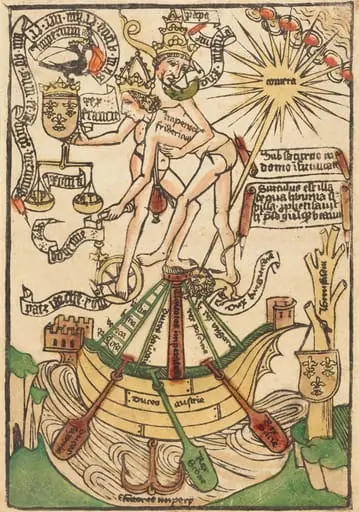 Allegory of the Meeting of Pope Paul II and Emperor Frederick III
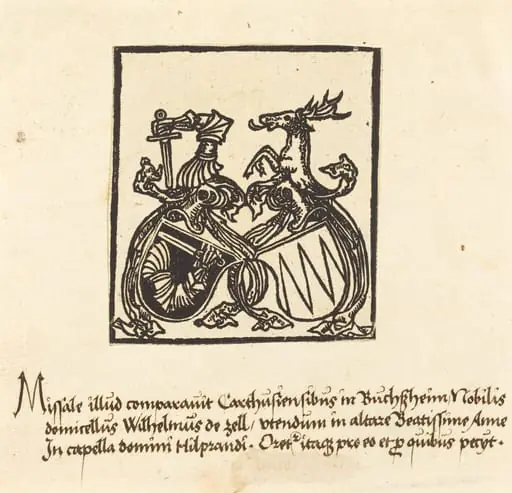 Bookplate of Wilhelm von Zell
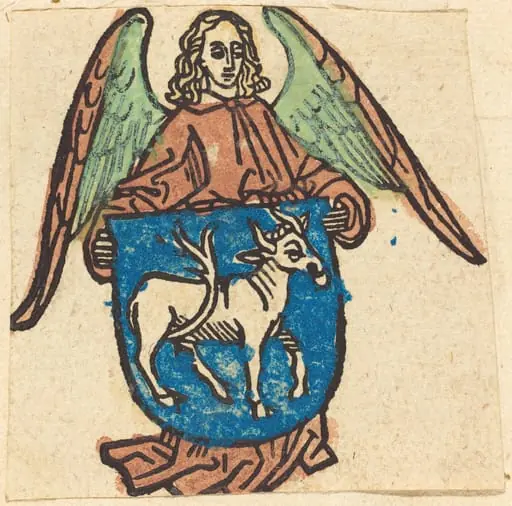 Bookplate of Hilprand Brandenburg of Bibrach
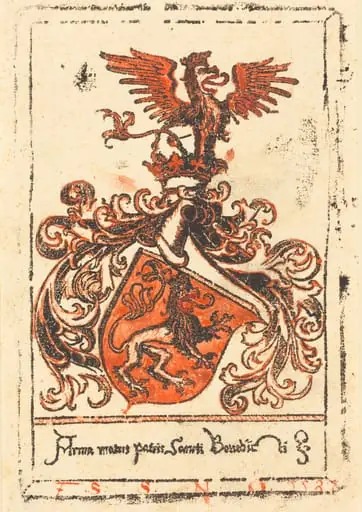 Bookplate of the Abbey of Ottobeuren
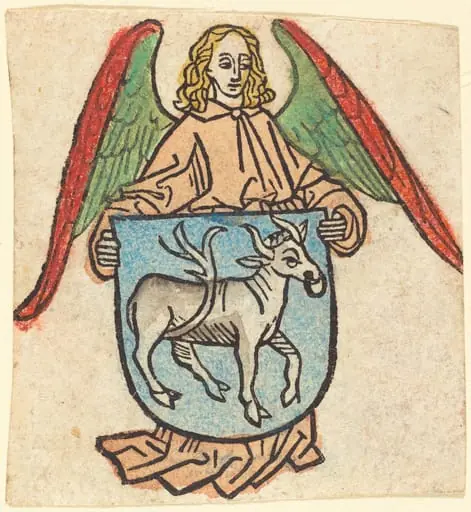 Bookplate of Hilprand Brandenburg of Bibrach
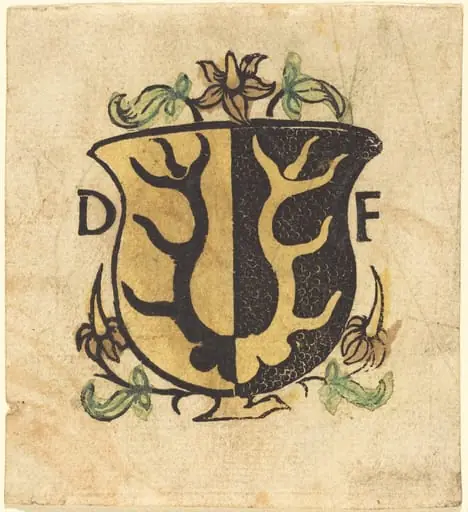 Bookplate of Dominicus Frauenfelder
![Studies for Six Figures (sheet from a model book) [recto], by German 15th Century](https://artifactworldgallery.com/img/german-15th-century--studies-for-six-figures-sheet-from-a-model-book-recto--4837429e0755bc3f-w320.webp) Studies for Six Figures (sheet from a model book) [recto]
Studies for Six Figures (sheet from a model book) [recto]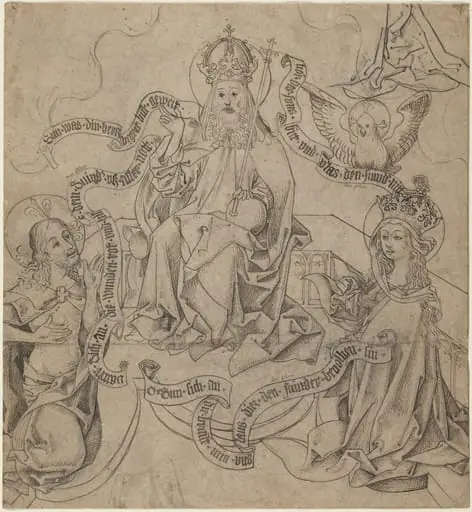 Christ and Mary Interceding with God the Father