Artwork
Trinity
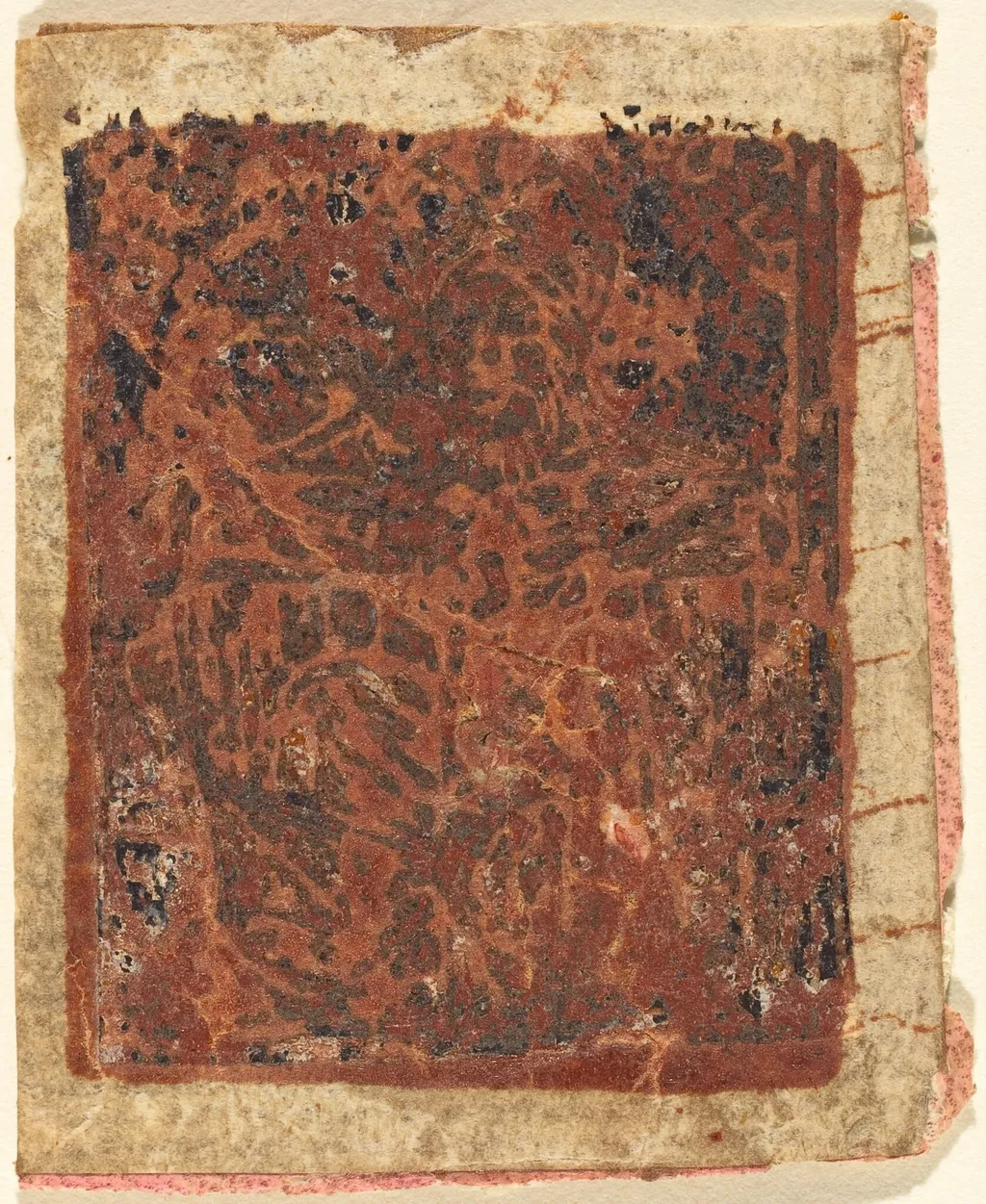
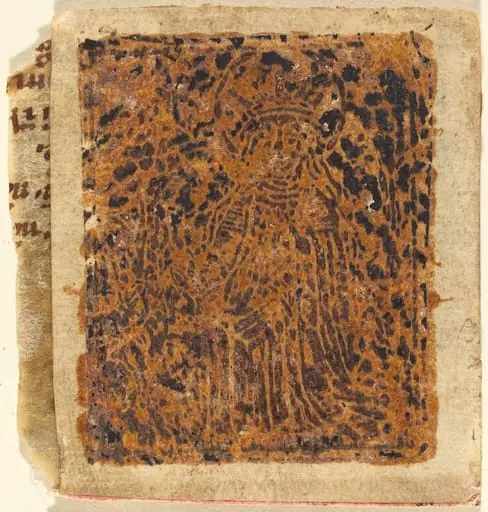
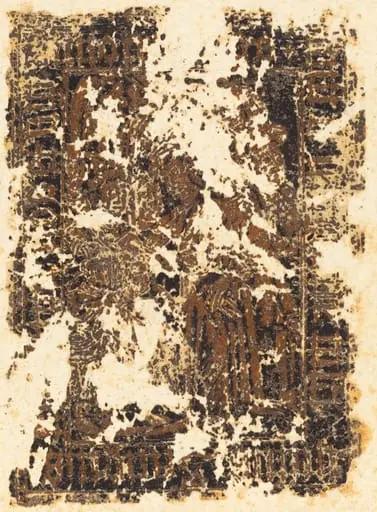
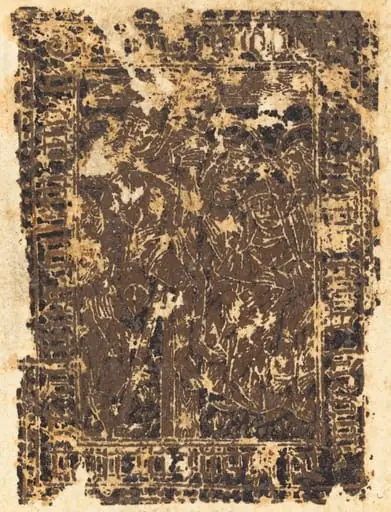
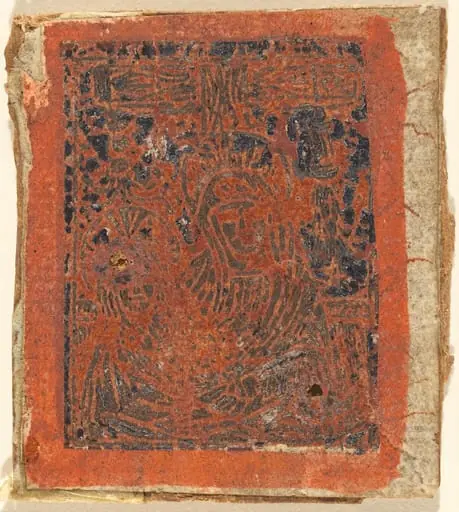
Trinity is a print by the Renaissance artist German 15th Century. It dates from 1480 and is held in the collection of the National Gallery of Art.
About this work
Overview
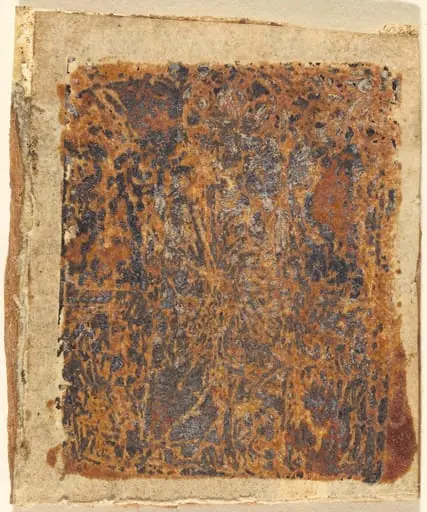
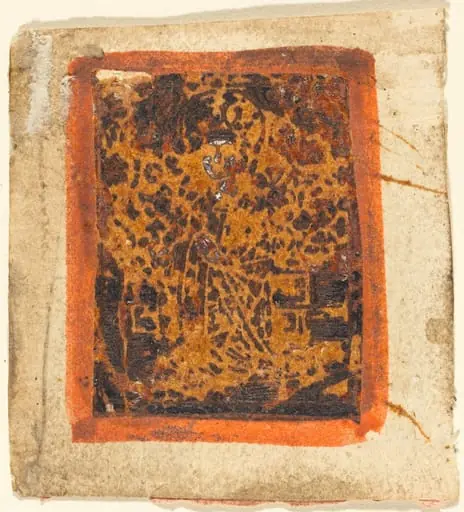
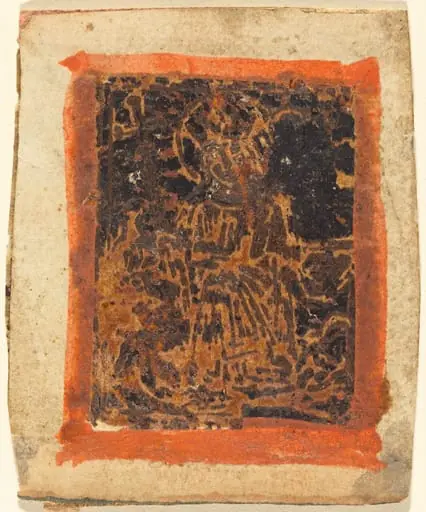
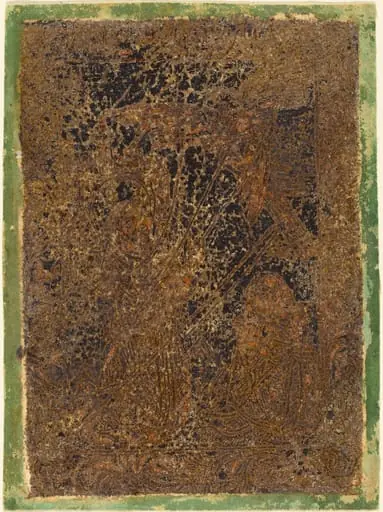
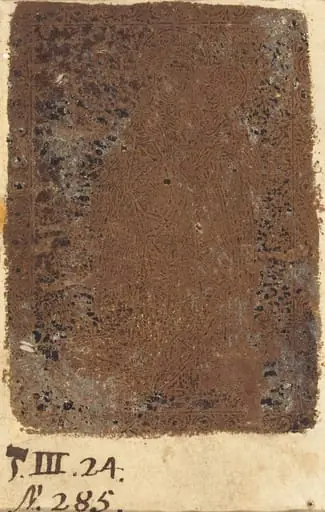
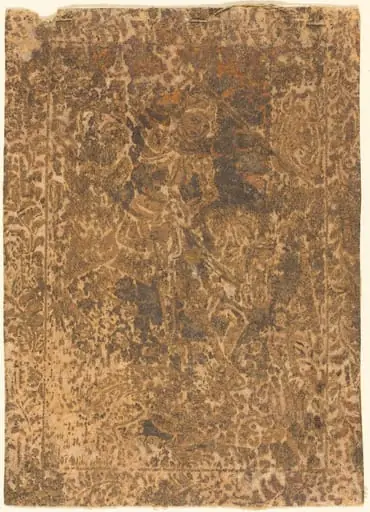
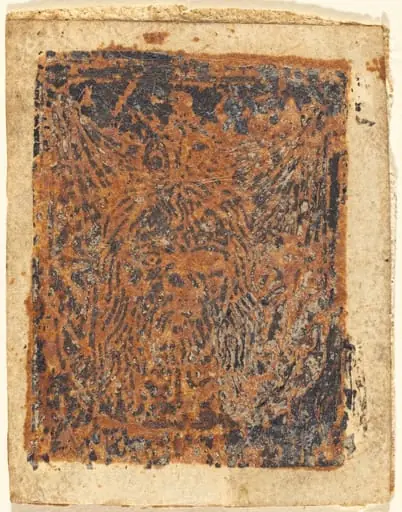
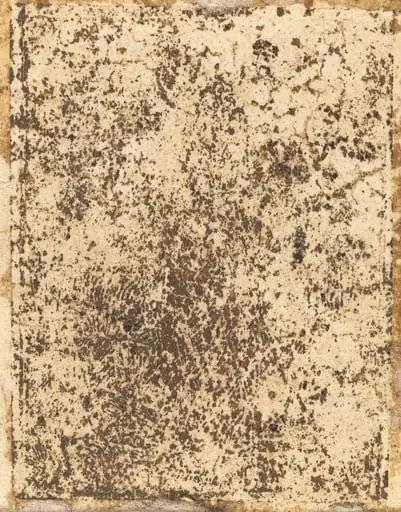
Trinity is a paste print that presents a weathered, paper‑like surface marked by brown and black splotches. The coloration is muted and uneven, suggesting a spontaneous application of pigment that has dried irregularly. Rough edges frame the composition, giving the work an aged, tactile quality. The overall effect is one of a faint, ghostly image rather than a sharply defined picture.
Technique & Style
The print employs a chiaroscuro approach, exploiting the contrast between deep shadows and lighter tones to suggest volume and depth despite the limited palette. The paste medium allows pigment to be laid down in thin, translucent layers, creating a sense of surface texture that interacts with the light. This method emphasizes the interplay of darkness and light rather than precise detail.
Subject & Meaning
The ambiguous dark marks may hint at letters, symbols, or abstract shapes, but their indeterminate nature leaves interpretation open. The work’s title, Trinity, could reference a theological concept, a triadic composition, or a personal symbolism, inviting viewers to contemplate the relationship between the three elements suggested by the title and the visual fragments.
History & Provenance
Specific information about the creation date, artist, or ownership history of Trinity is not provided. The use of paste print and the aged appearance suggest it may belong to a period when experimental print techniques were explored, possibly within a limited edition or studio practice.
Artist & collection

Artist
This 15th-century German artist carved vivid religious scenes into metal and wood, then hand-painted them in bright, symbolic colors.

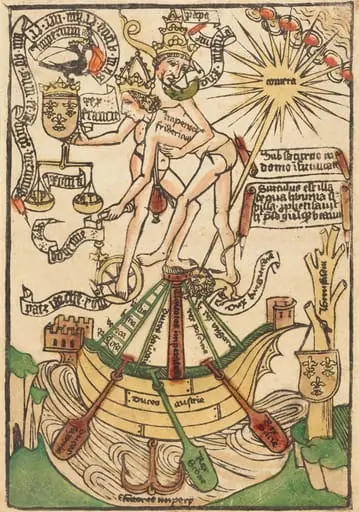 Allegory of the Meeting of Pope Paul II and Emperor Frederick III
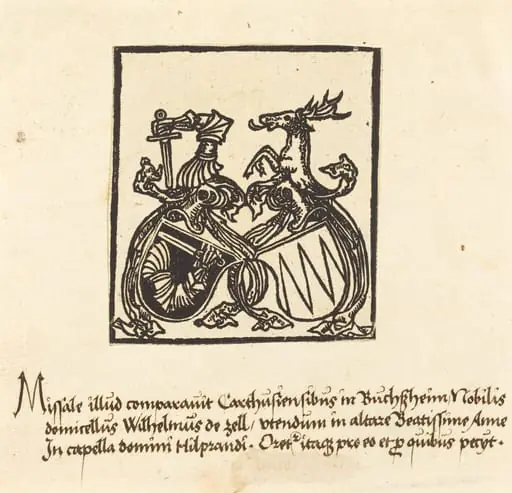 Bookplate of Wilhelm von Zell
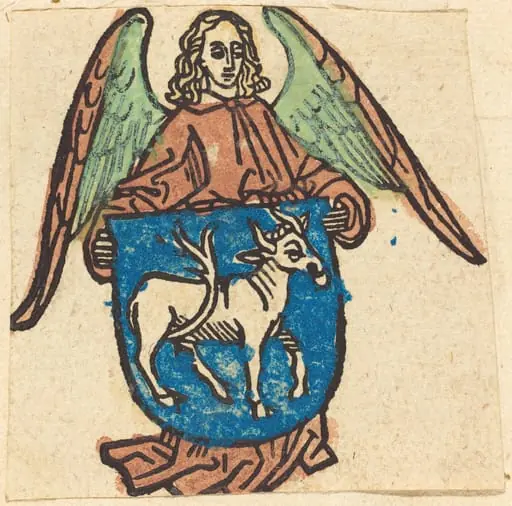 Bookplate of Hilprand Brandenburg of Bibrach
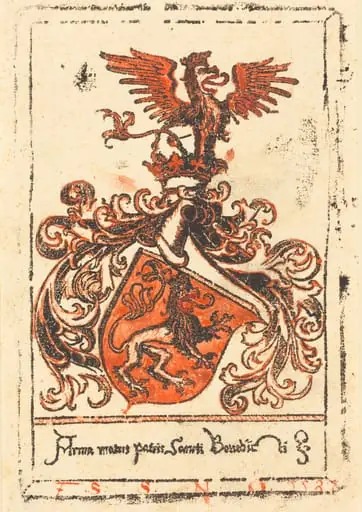 Bookplate of the Abbey of Ottobeuren
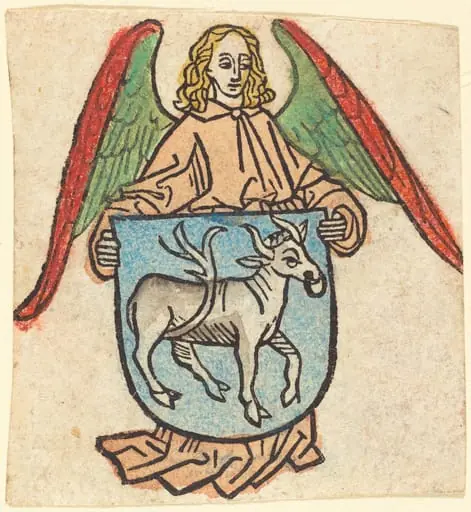 Bookplate of Hilprand Brandenburg of Bibrach
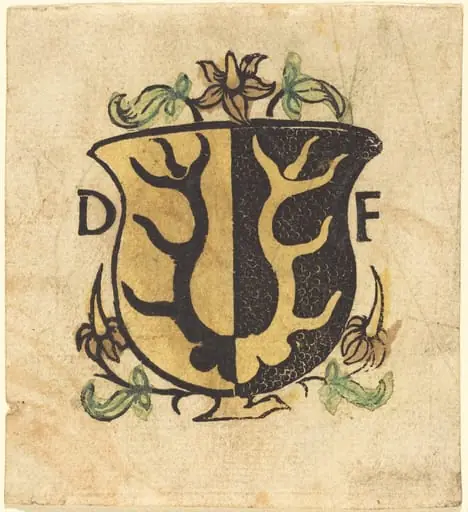 Bookplate of Dominicus Frauenfelder
![Studies for Six Figures (sheet from a model book) [recto], by German 15th Century](https://artifactworldgallery.com/img/german-15th-century--studies-for-six-figures-sheet-from-a-model-book-recto--4837429e0755bc3f-w320.webp) Studies for Six Figures (sheet from a model book) [recto]
Studies for Six Figures (sheet from a model book) [recto]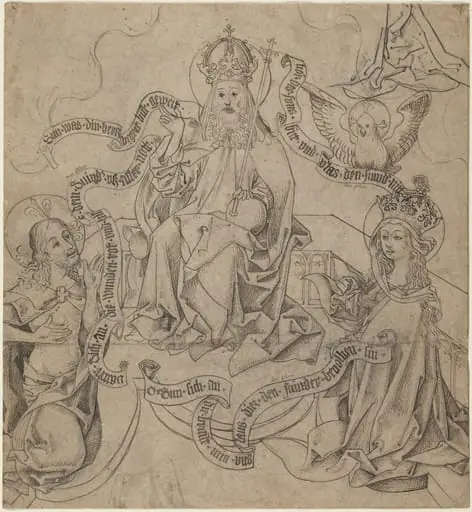 Christ and Mary Interceding with God the Father