Artwork
Masquerade
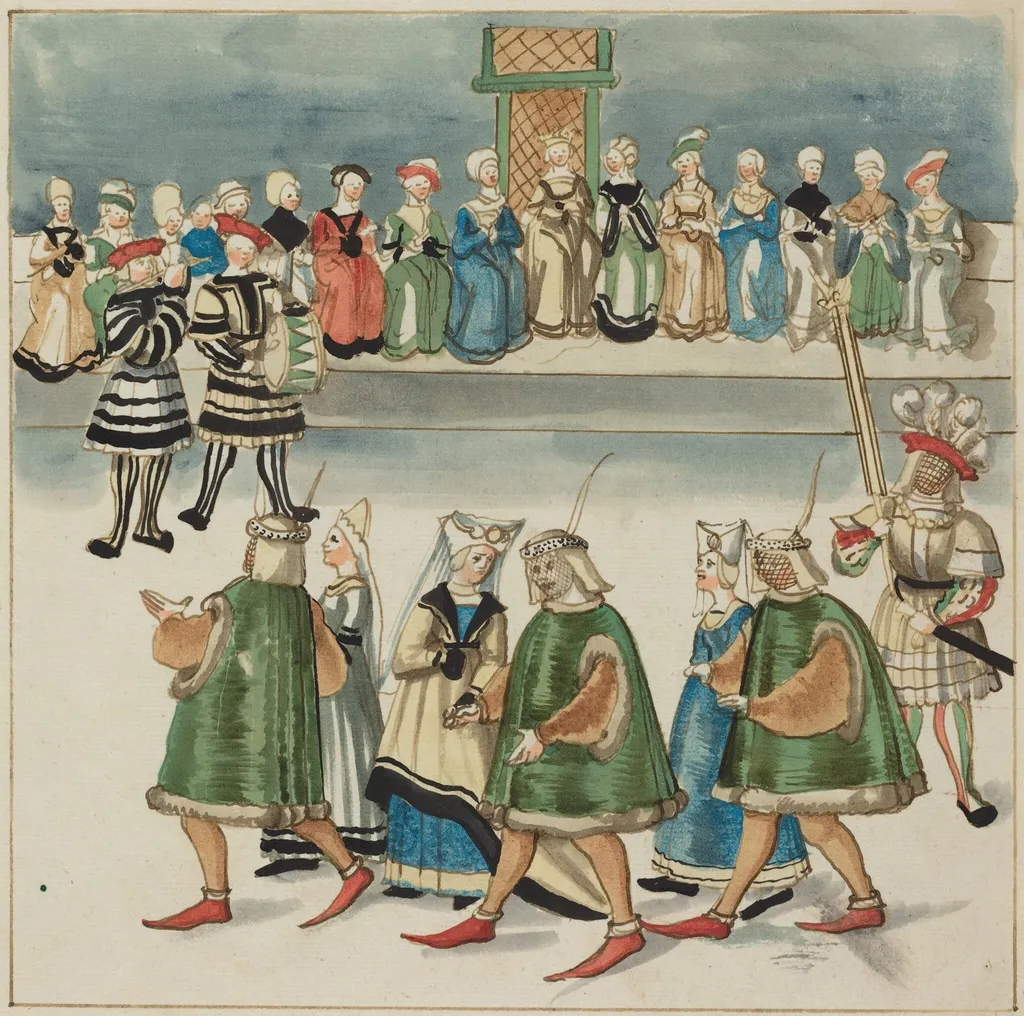
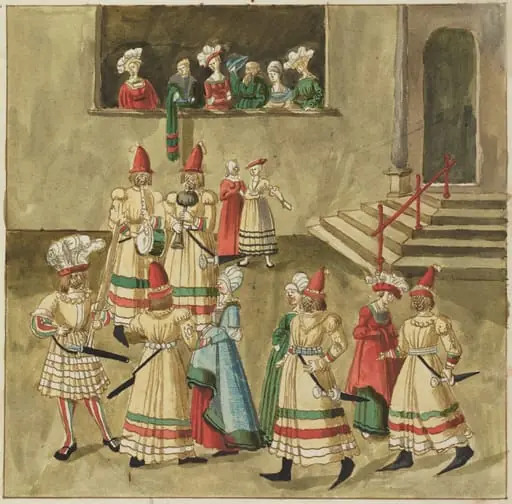
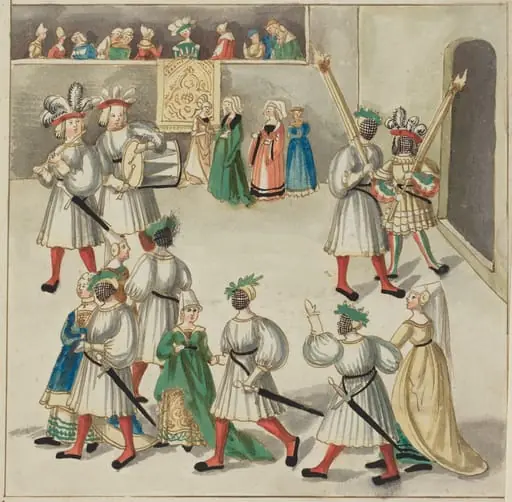
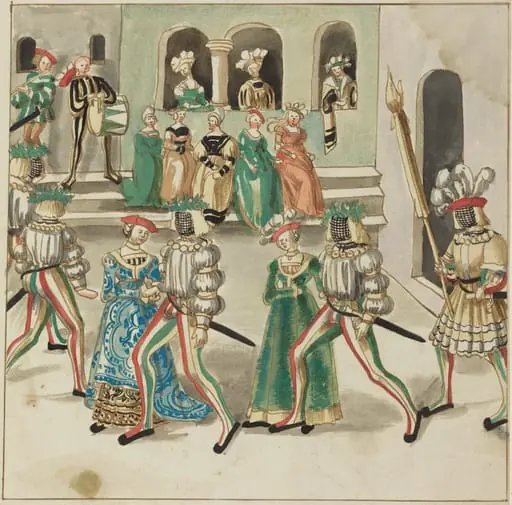
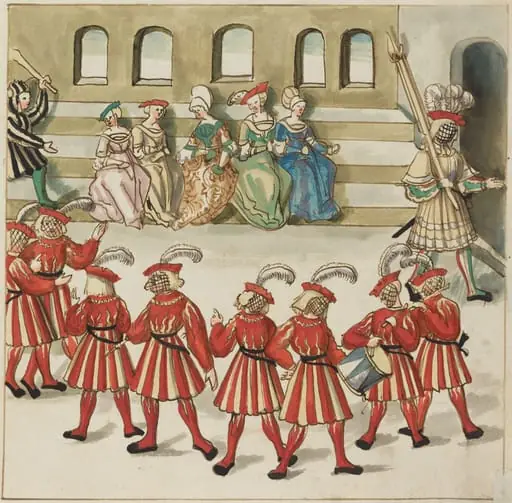
Masquerade is an ink drawing by the Renaissance artist German 16th Century. It dates from 1514 and is held in the collection of the National Gallery of Art.
About this work
This work is interesting because of its unique blend of pen, brown ink, and watercolor on laid paper.
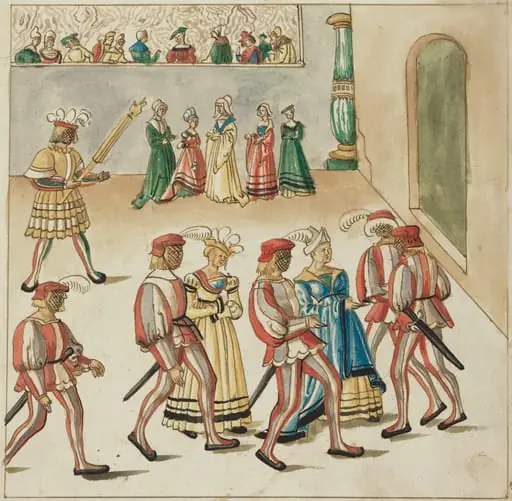
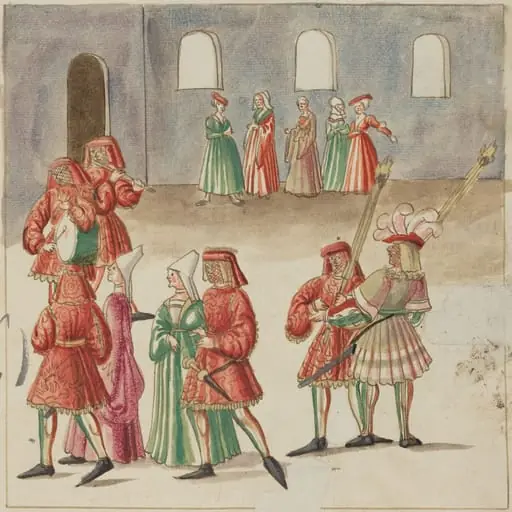
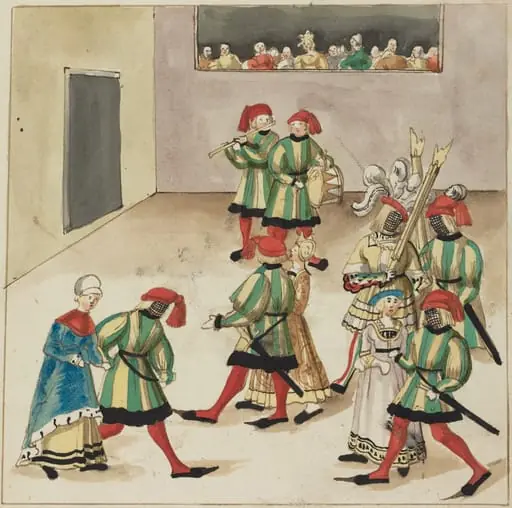
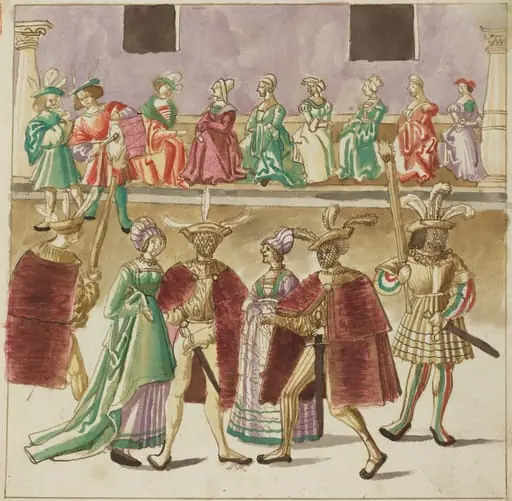
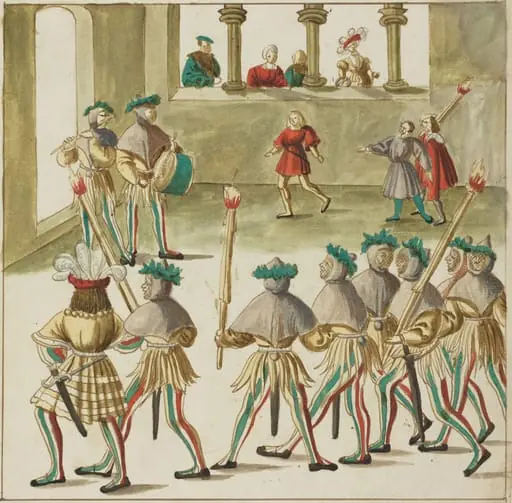
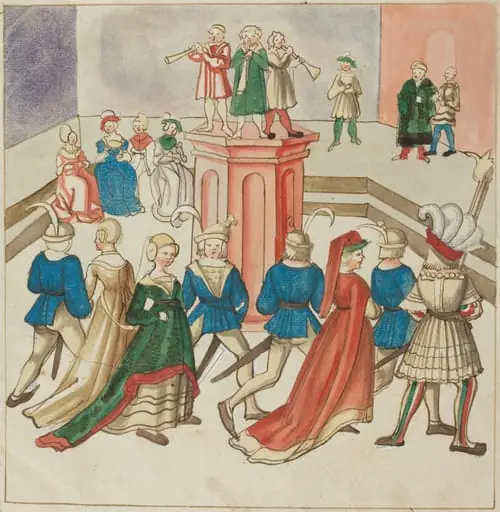
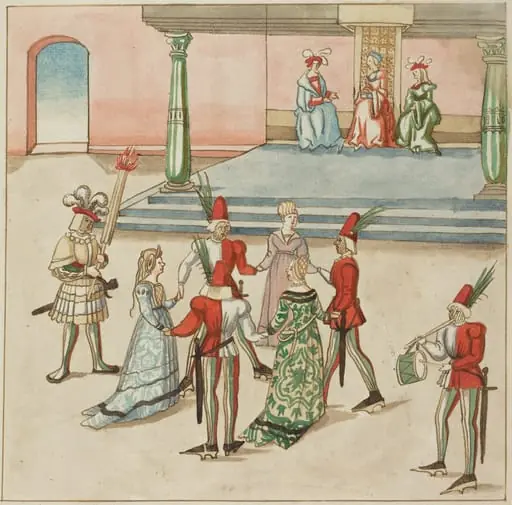
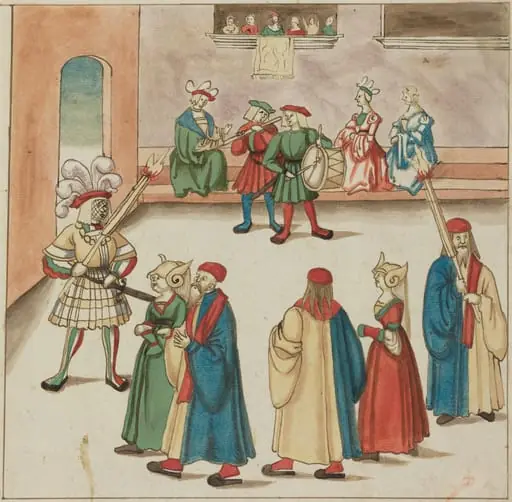
You see a masked figure in the center of the painting, surrounded by intricate details.
This work is interesting because of its unique blend of pen, brown ink, and watercolor on laid paper. The use of these materials creates a sense of depth and texture.
To learn more about similar artworks, look up the technique of glazing, a method used to achieve subtle color transitions, often seen in works at the museum, but for now, check out the work of the artist: German 16th Century.
Overview
Masquerade is a drawing executed with pen, brown ink and watercolor on laid paper. The composition centers on a masked figure, surrounded by elaborate decorative elements that draw the eye toward the enigmatic subject. The work exemplifies the careful handling of line and wash typical of late‑Renaissance German drawing.
Subject & Meaning
The central masked figure suggests themes of disguise and performance, common motifs in 16th‑century European art that explored identity and social roles. The surrounding intricate details may allude to the elaborate costumes and settings of contemporary masquerade festivities, inviting contemplation of concealment versus revelation.
Technique & Style
The artist combines fine pen work with brown ink to define contours, while watercolor glazes provide subtle tonal shifts and a sense of atmospheric depth. Applied to laid paper, the texture of the support interacts with the washes, enhancing the drawing’s tactile quality and reinforcing the layered visual effect.
History & Provenance
Created by a German artist in the 1500s, the piece reflects the period’s interest in combining drawing and watercolor for preparatory studies and finished works alike. Its survival on paper indicates careful preservation, though specific ownership records prior to its museum acquisition remain undocumented.
Context
During the 16th century, German workshops frequently employed mixed media to achieve nuanced color transitions, a practice related to the glazing techniques later formalized in oil painting. Masquerade aligns with this tradition, illustrating how artists used modest materials to convey complex visual narratives.
Artist & collection

Artist
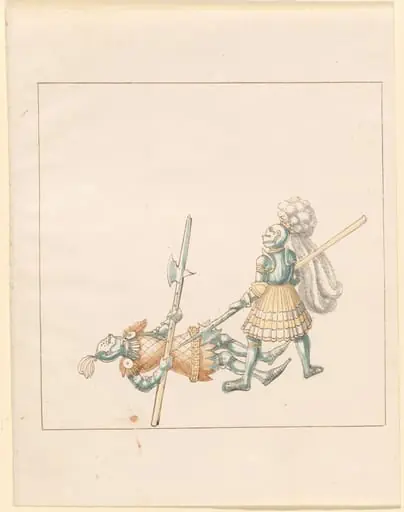
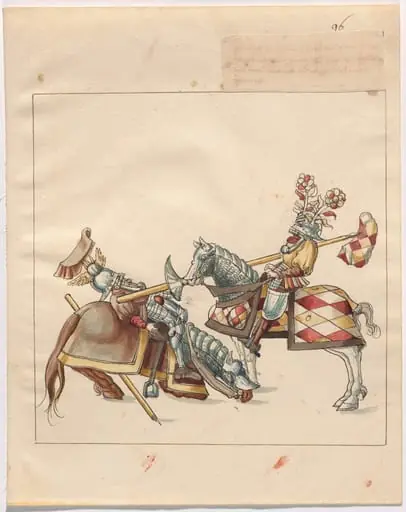
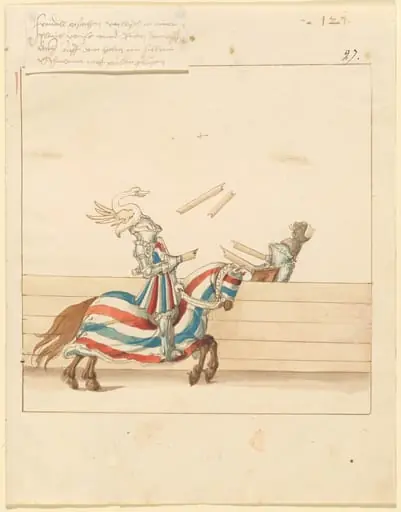
A German artist from the late 1500s drew lively scenes of knights clashing in parades and mock battles.

![Abraham Entertaining the Angels [verso], by German 16th Century](https://artifactworldgallery.com/img/german-16th-century--abraham-entertaining-the-angels-verso--69d1b25f4eba0a53-w320.webp)