Artwork
Jacob Balthazar Schitz
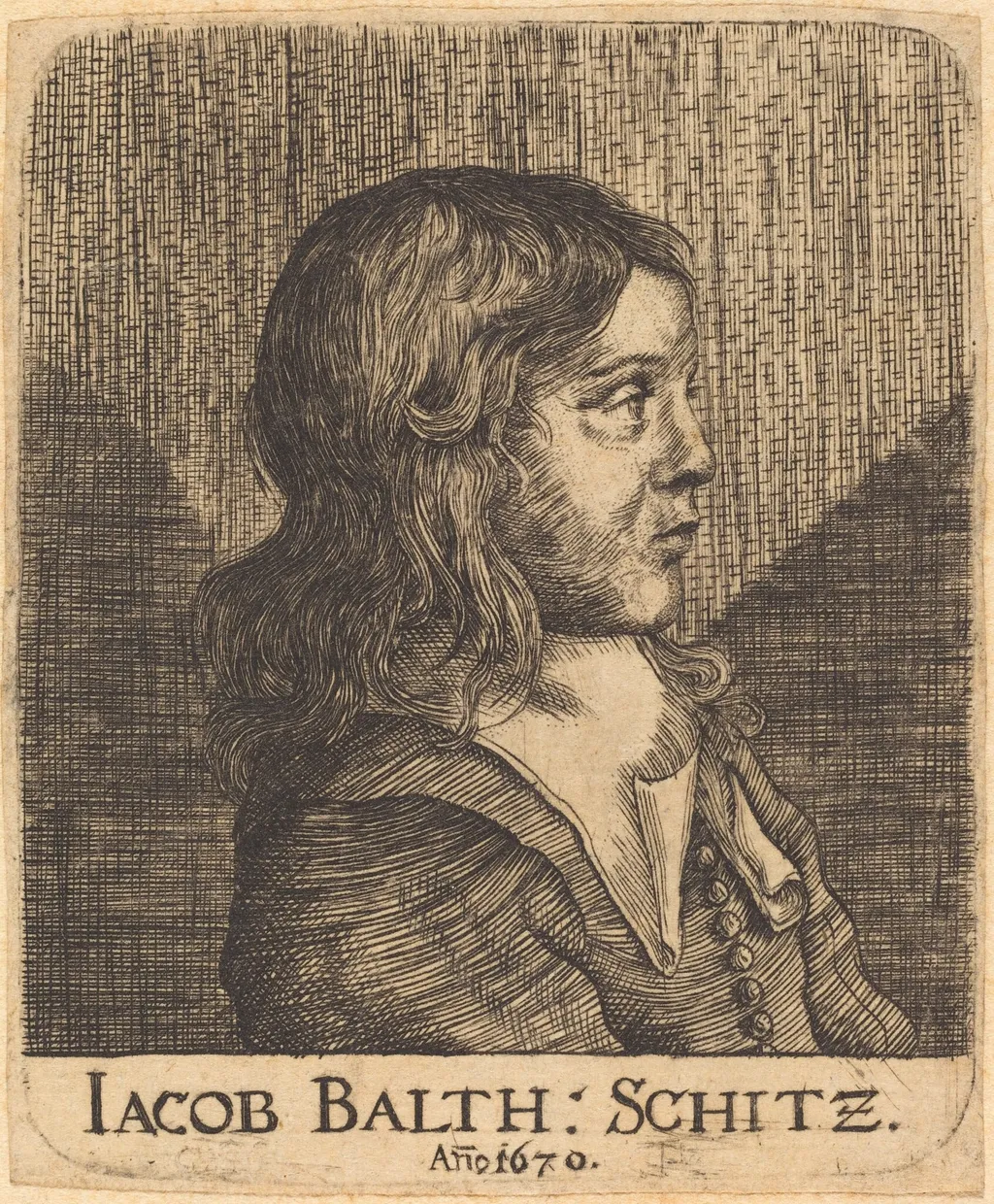
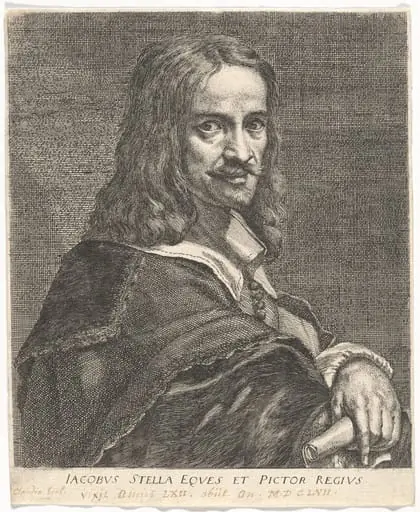
Jacob Balthazar Schitz is an ink print by the Baroque artist German 17th Century. It dates from 1670 and is held in the collection of the National Gallery of Art.
About this work
The background is filled with tiny, crisscrossed lines that give it a textured look.
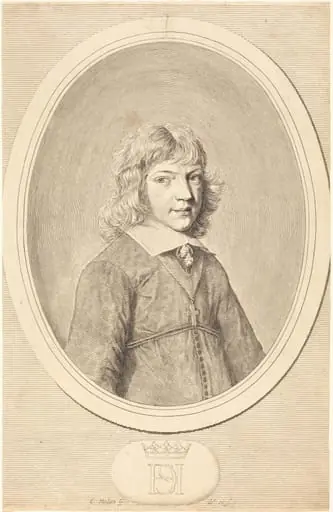
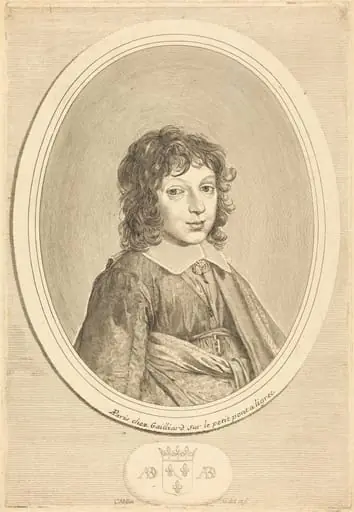
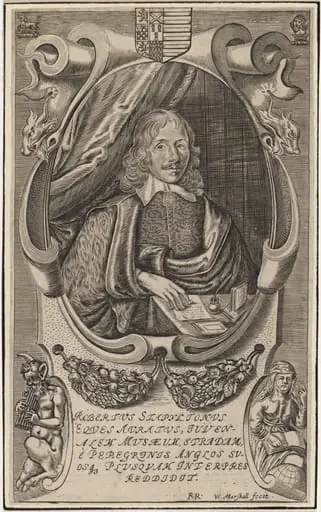
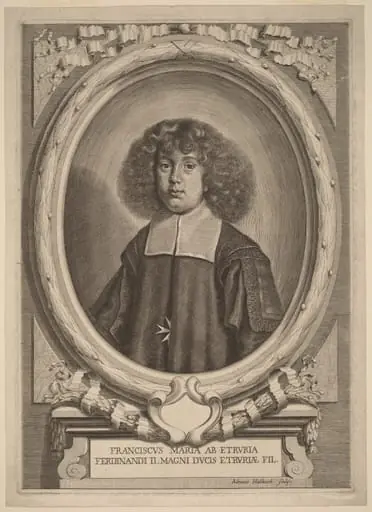
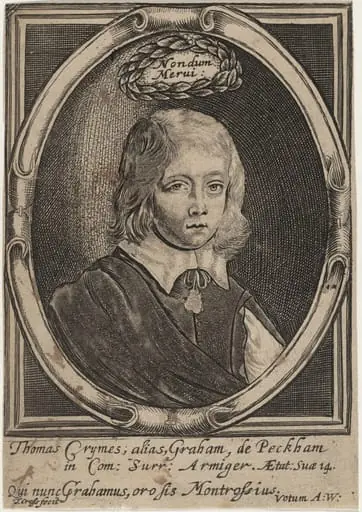
This is a black-and-white portrait of a man with curly hair and a high collar. His face is turned slightly away, looking off to the side. The background is filled with tiny, crisscrossed lines that give it a textured look.
The artist used a technique called etching to create this detailed image. The name "Jacob Balthazar Schitz" and the year 1670 are written at the bottom.
Next, check out the technique: etching to see how artists like this made prints.
Overview
This black-and-white etching, dated 1670, depicts a man named Jacob Balthazar Schitz. Rendered on laid paper, the portrait captures him in profile, his gaze directed away from the viewer. The composition is framed by a high collar and tightly curled hair, while the background is densely patterned with fine, intersecting lines. The artist’s name and the date are inscribed at the base, identifying both subject and maker.
Subject & Meaning
The sitter, Jacob Balthazar Schitz, appears to be a man of modest social standing, distinguished by his formal attire and composed demeanor. The portrait does not convey grandeur or symbolism but instead offers a quiet, direct representation. Its purpose may have been personal or familial—perhaps a record of identity rather than a statement of status or achievement.
Technique & Style
The image was created using etching, a printmaking method involving acid to carve lines into a metal plate. The artist employed fine, crosshatched strokes to model form and suggest texture, particularly in the background. The precision of the lines reflects control and patience, typical of 17th-century Northern European printmakers who valued detail over dramatic effect.
History & Provenance
The print bears the date 1670 and the artist’s full name, suggesting it was produced during the artist’s active period. No documented ownership history is available, but its survival indicates it was preserved within a private or institutional collection. The inclusion of the subject’s name implies it was commissioned or circulated among known circles rather than being a generic study.
Context
In late 17th-century Europe, etched portraits were commonly made for personal use or as gifts among the educated and merchant classes. Unlike painted portraits, prints were more affordable and reproducible. This work aligns with a broader trend of individualized portraiture in the Dutch and German-speaking regions, where likeness and modesty were valued over ostentation.
Legacy
Though not widely known today, this etching exemplifies the quiet craftsmanship of lesser-documented printmakers of the period. It contributes to the understanding of how ordinary individuals were visually recorded before the rise of photography. Its survival offers insight into the domestic culture of image-making in early modern Europe.
Artist & collection

Artist
This artist worked in 17th-century central Europe, turning myth and history into small bronze and ink scenes.

![Allegorical Female Figure in a Landscape [recto], by German 17th Century](https://artifactworldgallery.com/img/german-17th-century--allegorical-female-figure-in-a-landscape-recto--0263f304d6fc0dc9-w320.webp) Allegorical Female Figure in a Landscape [recto]
Allegorical Female Figure in a Landscape [recto]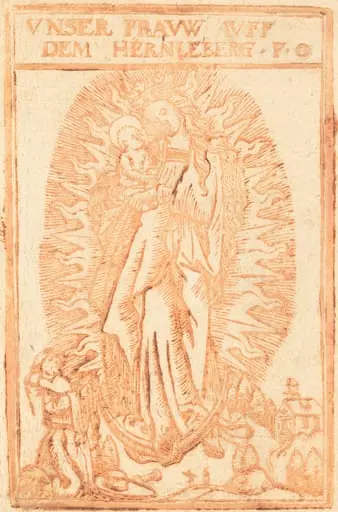 Madonna of the Hernleberg
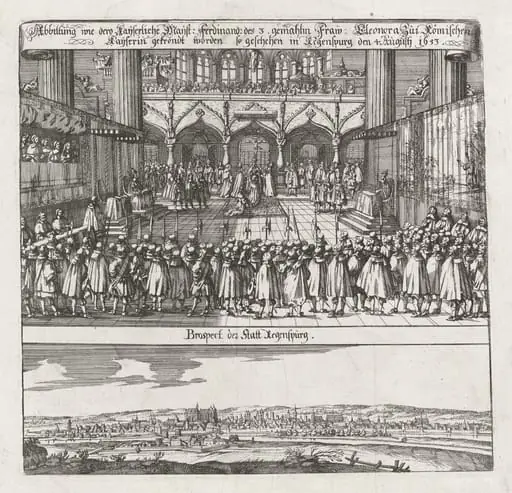 Krönung von Eleonora von Gonzaga, Gemahlin Kaiser Ferdinands III., zur Römisch-Deutschen Kaiserin ; Ansicht von Regensburg (Coronation of Eleonora von Gonzaga, wife of Emperor Ferdinand II, as Empress, with a View of Regensburg)