Artwork
Thayendanegea (Joseph Brant, c.1743–1807)
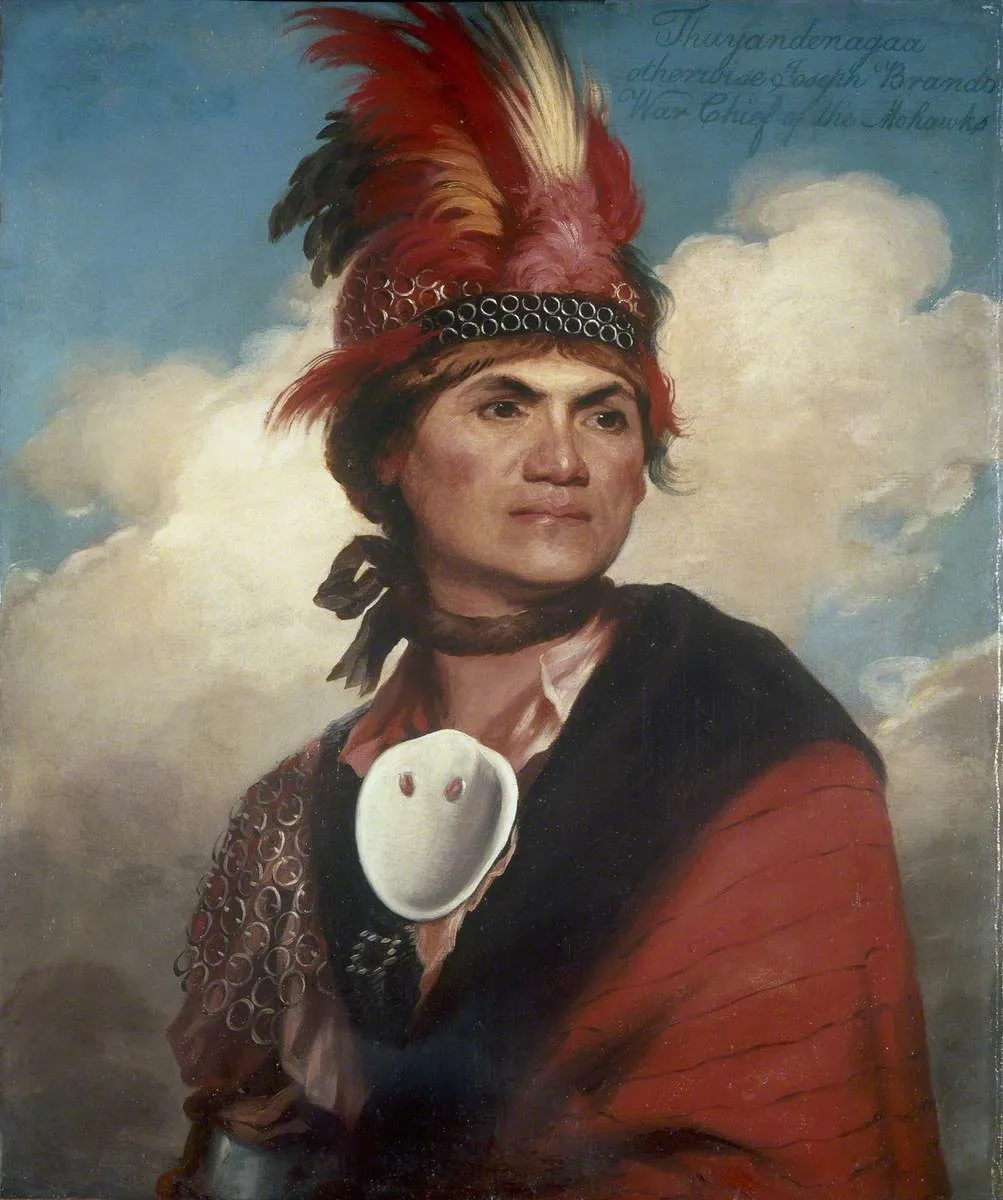
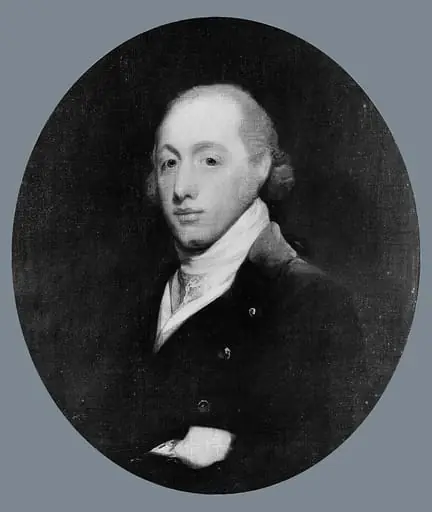
Thayendanegea (Joseph Brant, c.1743–1807) is an oil painting by the American Impressionist artist Gilbert Stuart. It dates from 1793 and is held in the collection of the British Museum.
About this work
Overview
Gilbert Stuart, an American portraitist active in the late 18th century, completed an oil painting of the Mohawk leader Thayendanegea, also known as Joseph Brant, in 1793. The work measures a modest size and is currently part of the British Museum’s collection, where it is displayed among other portraits of notable figures from the era.
Subject & Meaning
The sitter is the prominent Iroquois war chief Thayendanegea (Joseph Brant), who lived from about 1743 to 1807 and played a key diplomatic role during the American Revolutionary period. Stuart presents him with a solemn expression, emphasizing his status as a respected leader within both Indigenous and colonial societies.
Technique & Style
Executed in oil on canvas, the portrait combines the precise rendering typical of Stuart’s portraiture with a loose handling of background elements that suggest an early American approach to impressionistic light. The figure is illuminated against a sky of blue and white clouds, while the brushwork on the feathers and metal ornaments conveys texture without excessive detail.
History & Provenance
After its creation, the portrait entered private collections before being acquired by the British Museum, where it has remained since the early 20th century. Its presence in a major European institution reflects the transatlantic interest in figures who shaped early American history.
Artist & collection

Artist
Gilbert Stuart (né Stewart; December 3, 1755 – July 9, 1828) was an American painter born in the Rhode Island Colony who is widely considered one of America's foremost portraitists.

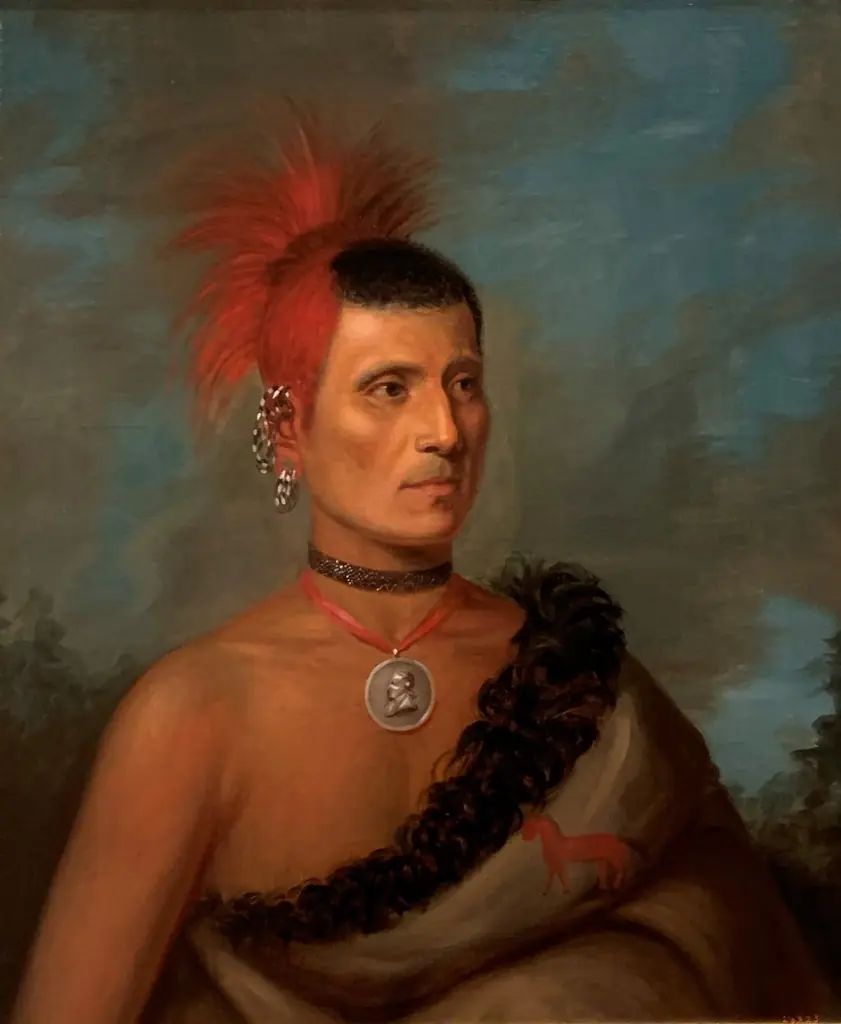 Pes-Ke-Le-Cha-Co
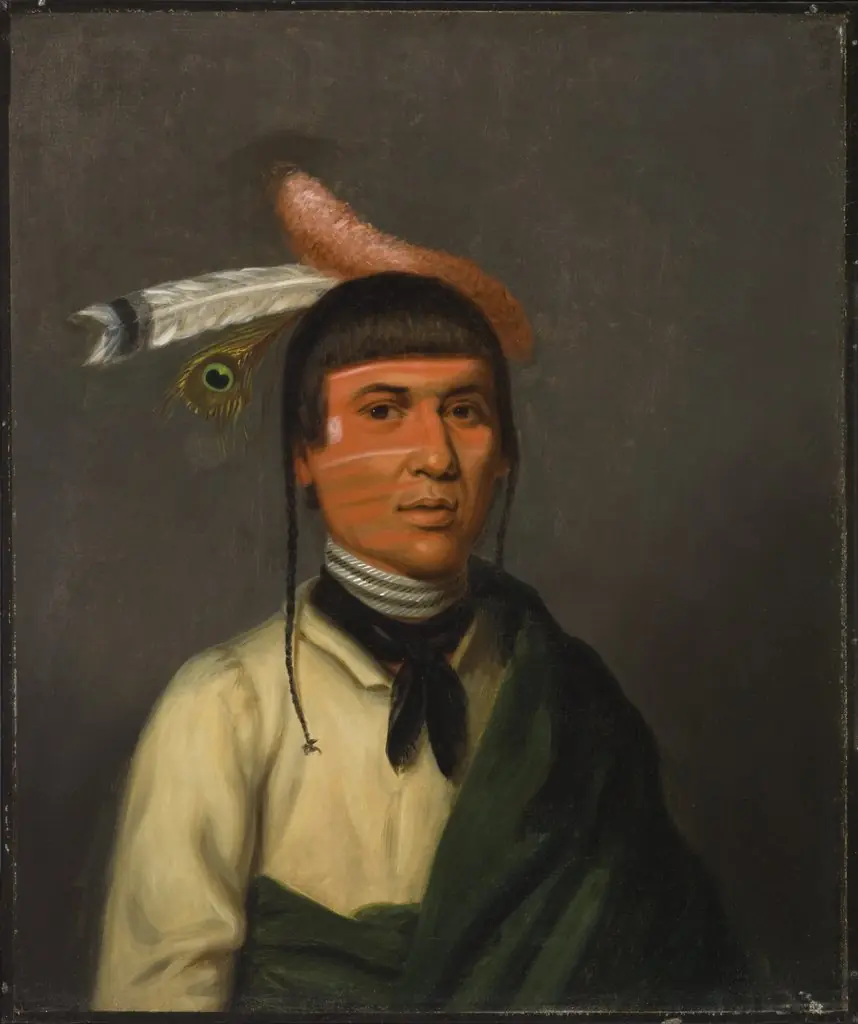 No-Tin (Wind), a Chippewa Chief
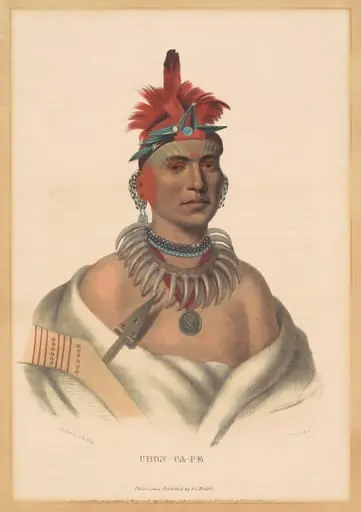 Chon-Ca-Pe
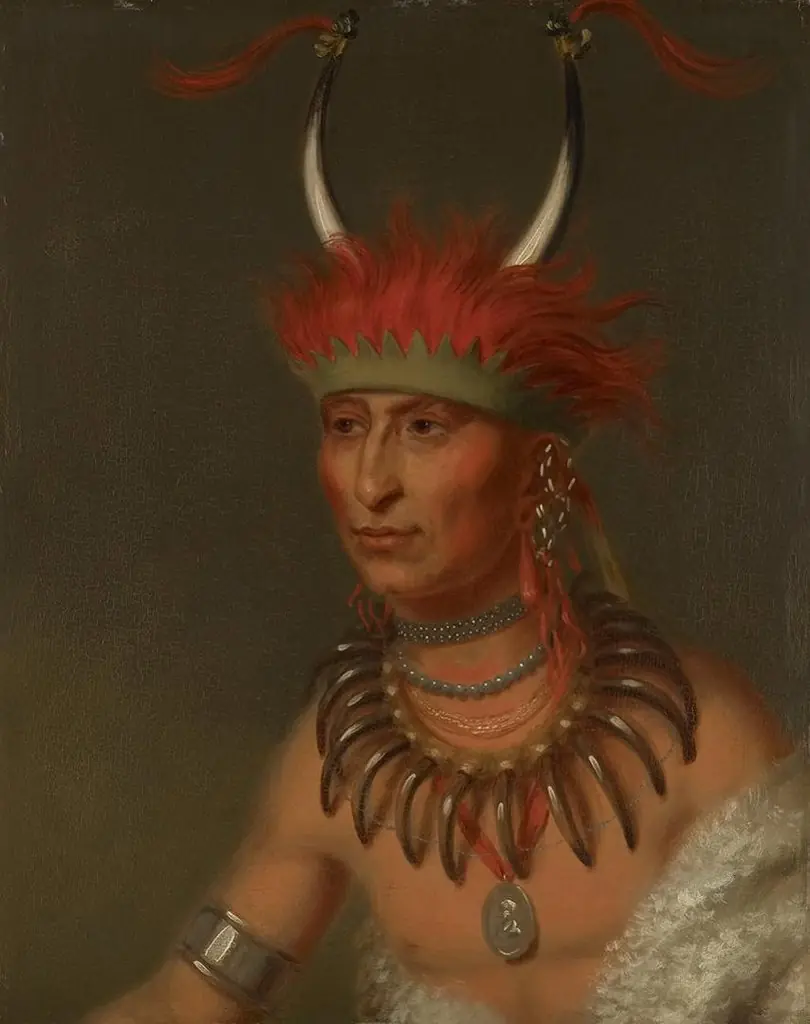 Shaumonekusse, Oto Half Chief (Husband of Eagle of Delight)
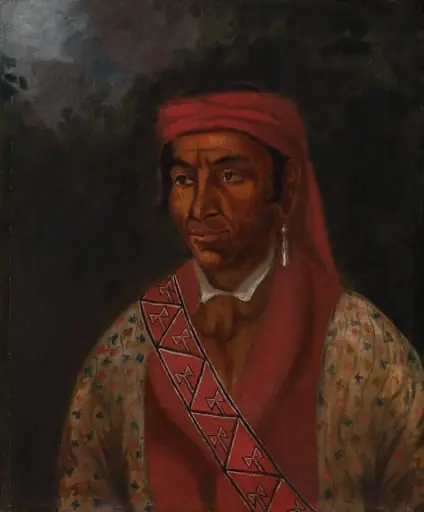 Chief Jumper of the Seminoles
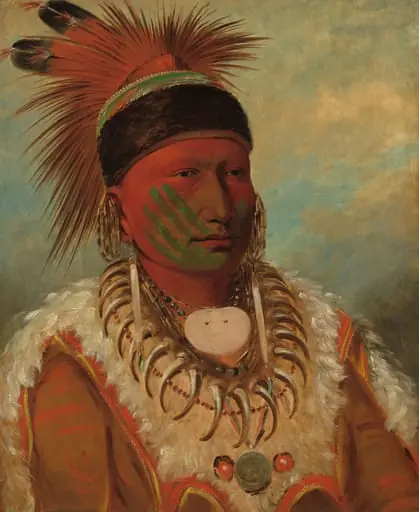 The White Cloud, Head Chief of the Iowas
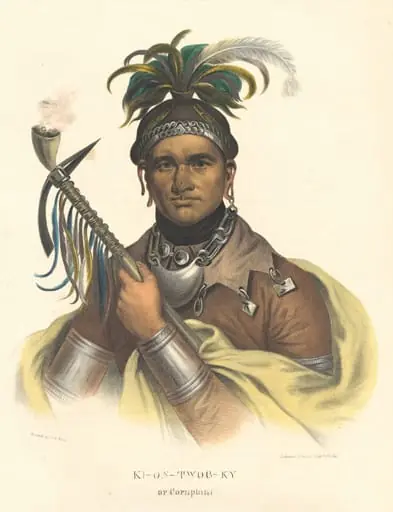 Ki-On-Twog-Ky, or Cornplanter
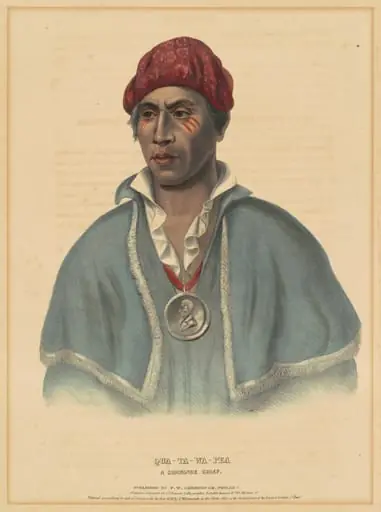 Qua-Ta-Wa-Pea, A Shawnoe Chief
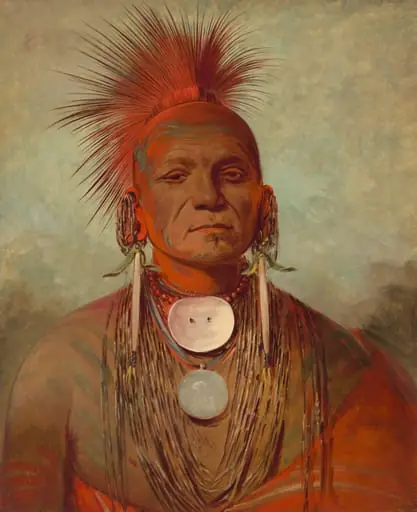 See-non-ty-a, an Iowa Medicine Man
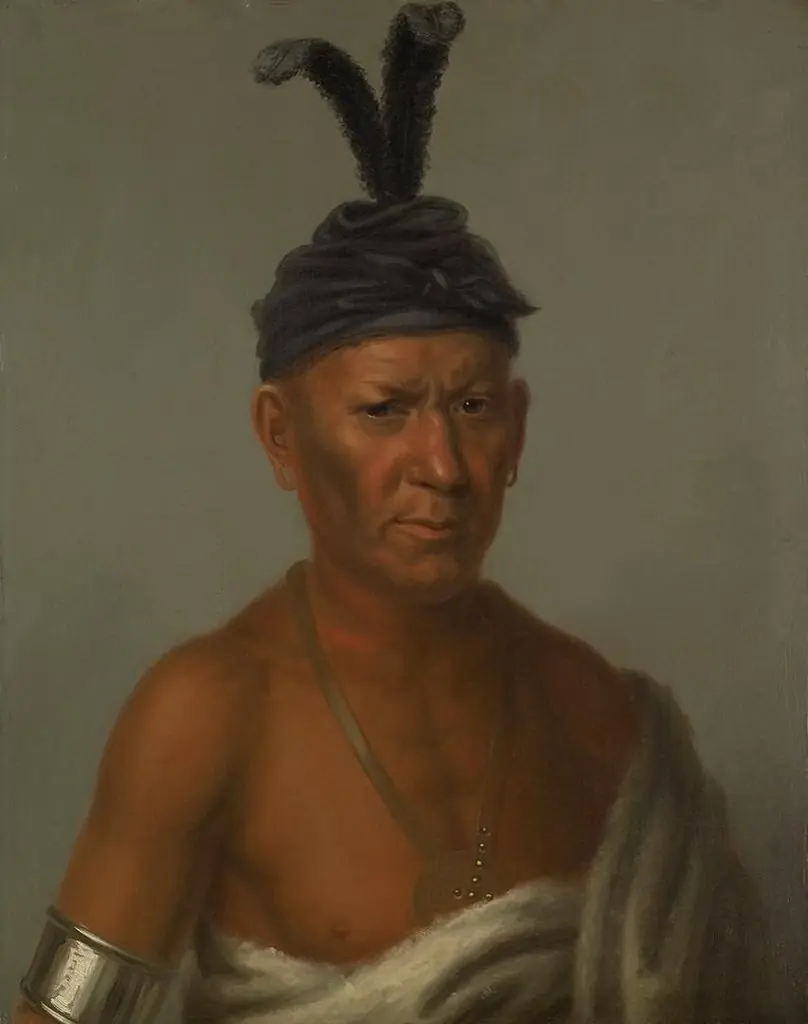 Wakechai (Crouching Eagle), Saukie Chief
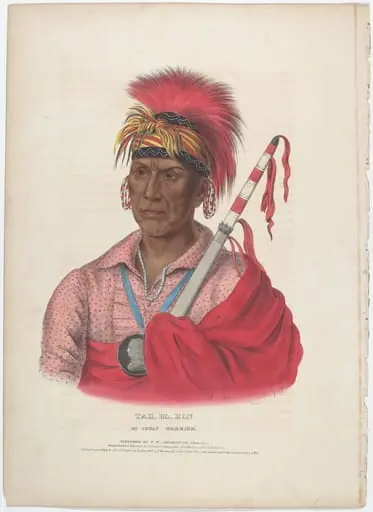 Tah-Ro-Hon, An Ioway Warrior
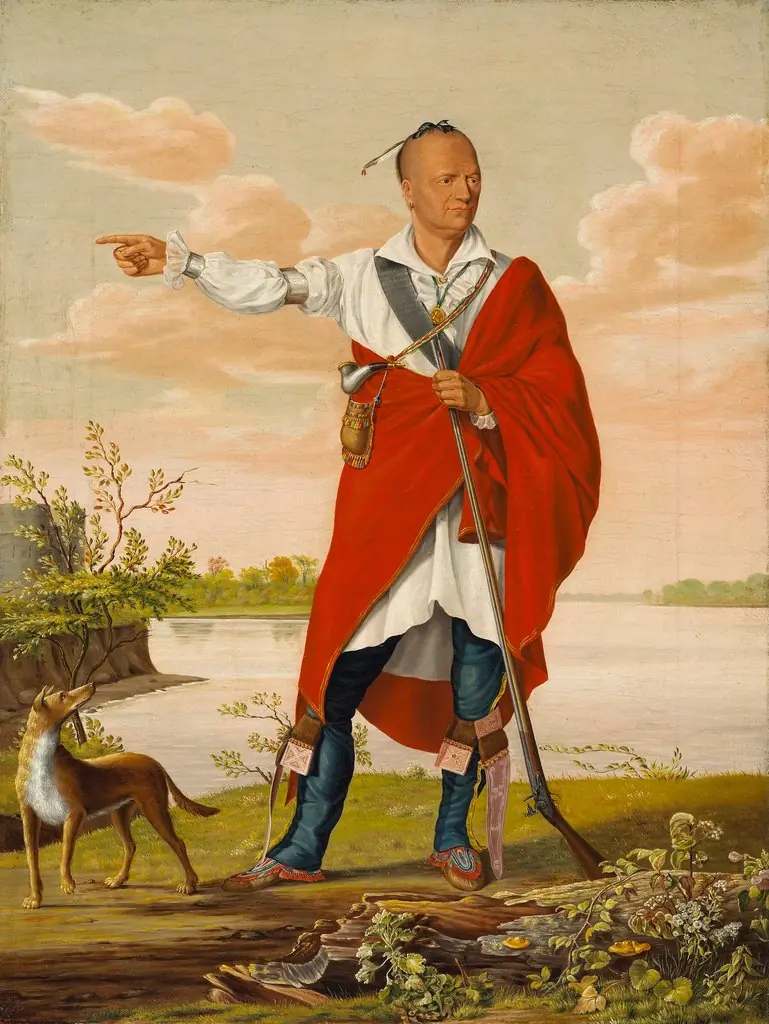 Thayendanegea (Joseph Brant)