Artwork
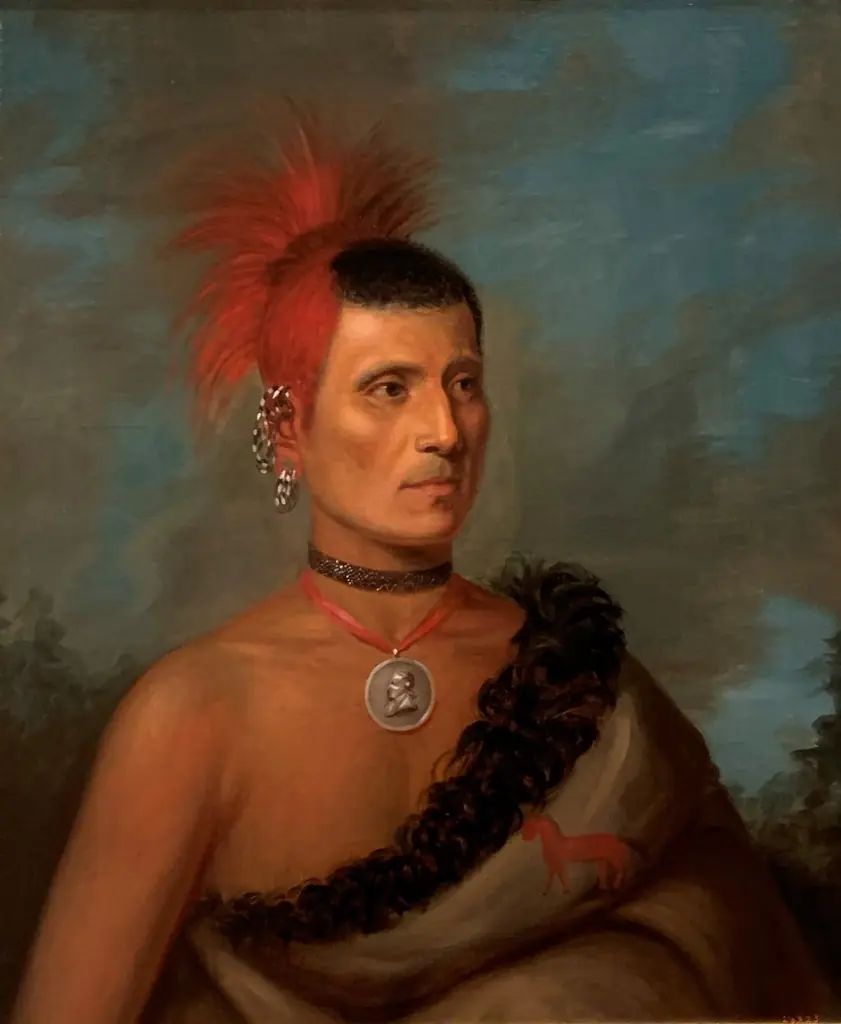
Chon-Ca-Pe
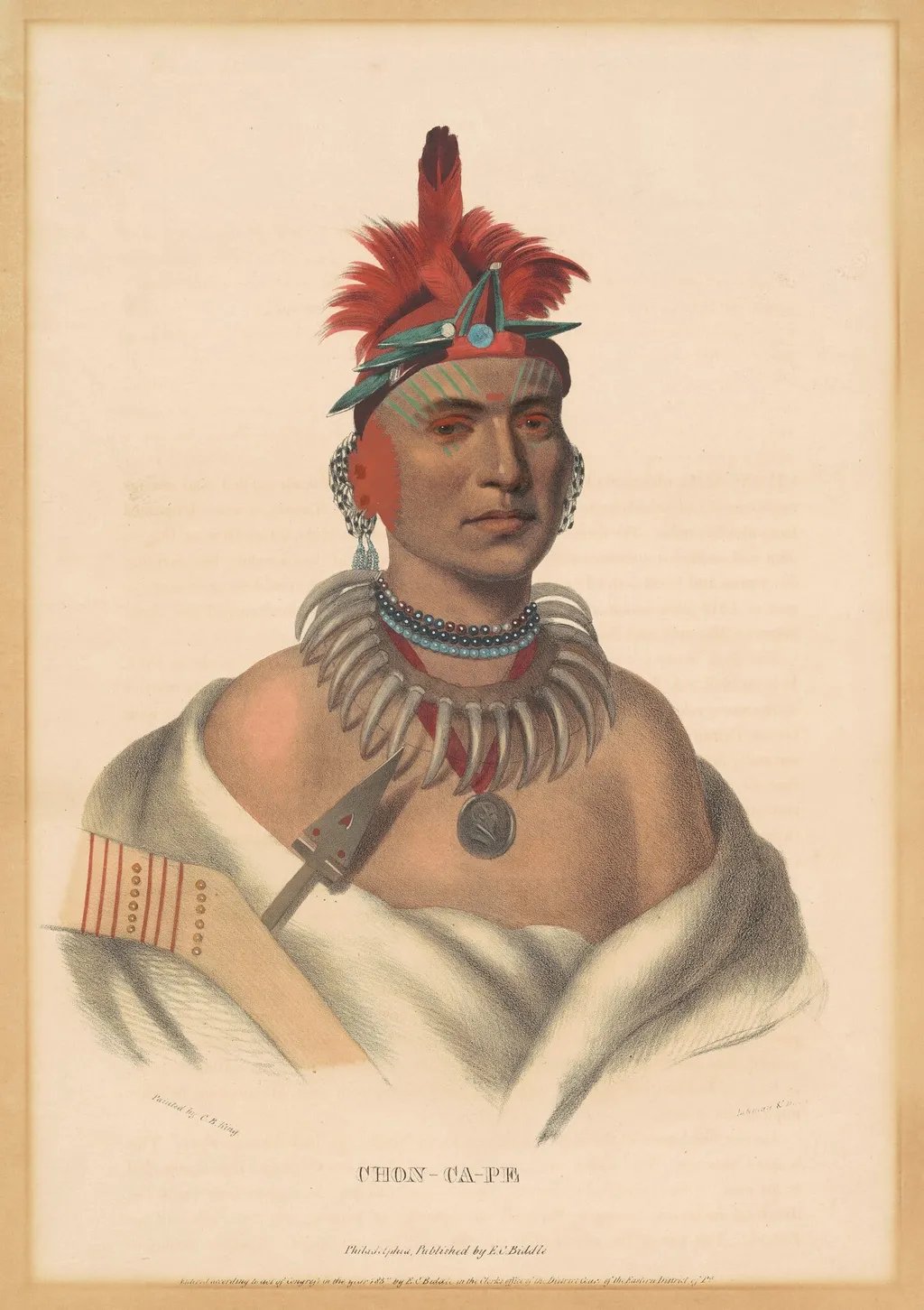
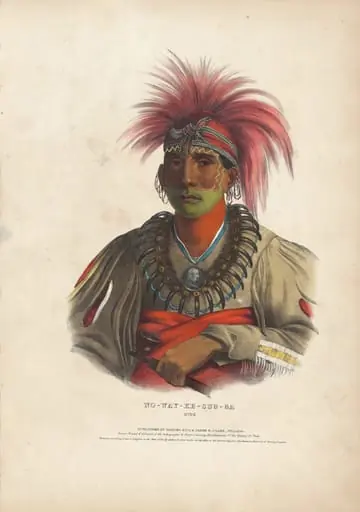
Chon-Ca-Pe is an ink print by the Romanticist artist Albert Newsam. It dates from 1837 and is held in the collection of the National Gallery of Art.
About this work
Overview
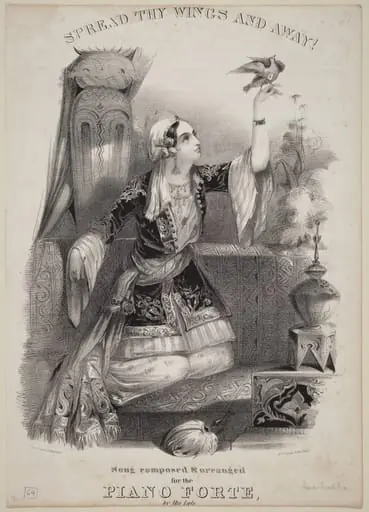
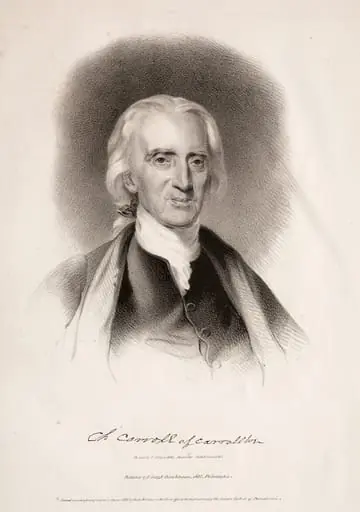
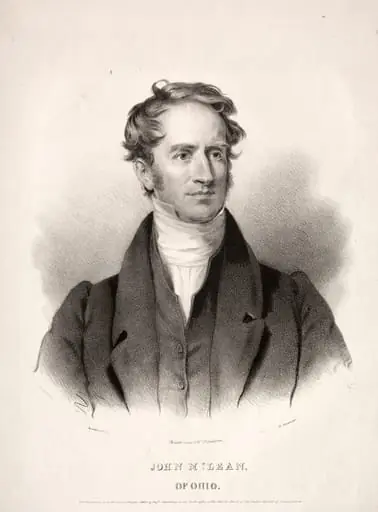
Trained at the Pennsylvania School for the Deaf, he became a skilled lithographer known for illustrations in medical, musical, and portrait publications.
Albert Newsam, a deaf American artist born in 1809 in Steubenville, Ohio, produced *Chon-Ca-Pe* in 1837 as a hand-colored lithograph on wove paper. Trained at the Pennsylvania School for the Deaf, he became a skilled lithographer known for illustrations in medical, musical, and portrait publications. This print reflects his technical precision and contribution to the early American lithographic industry, blending documentary intent with artistic interpretation.
Subject & Meaning
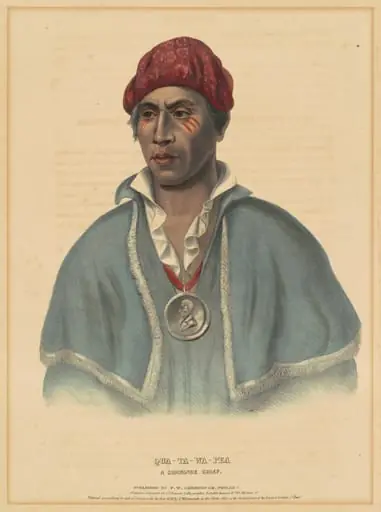
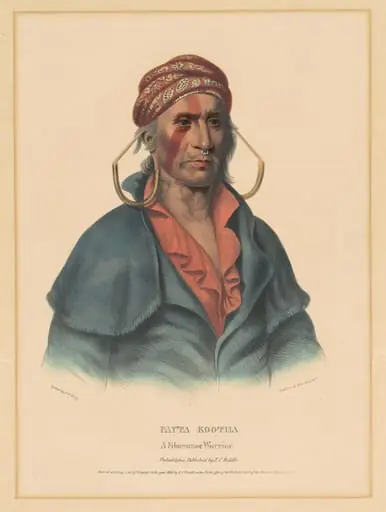
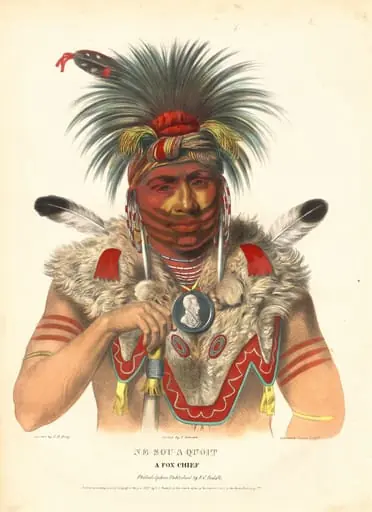
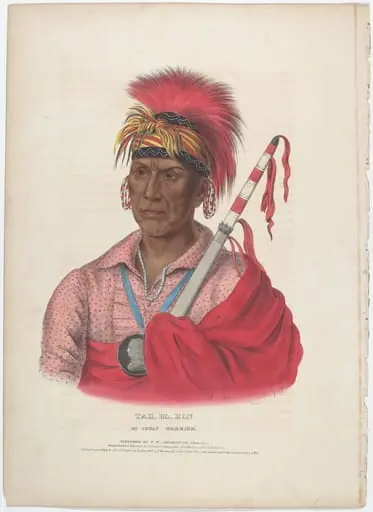
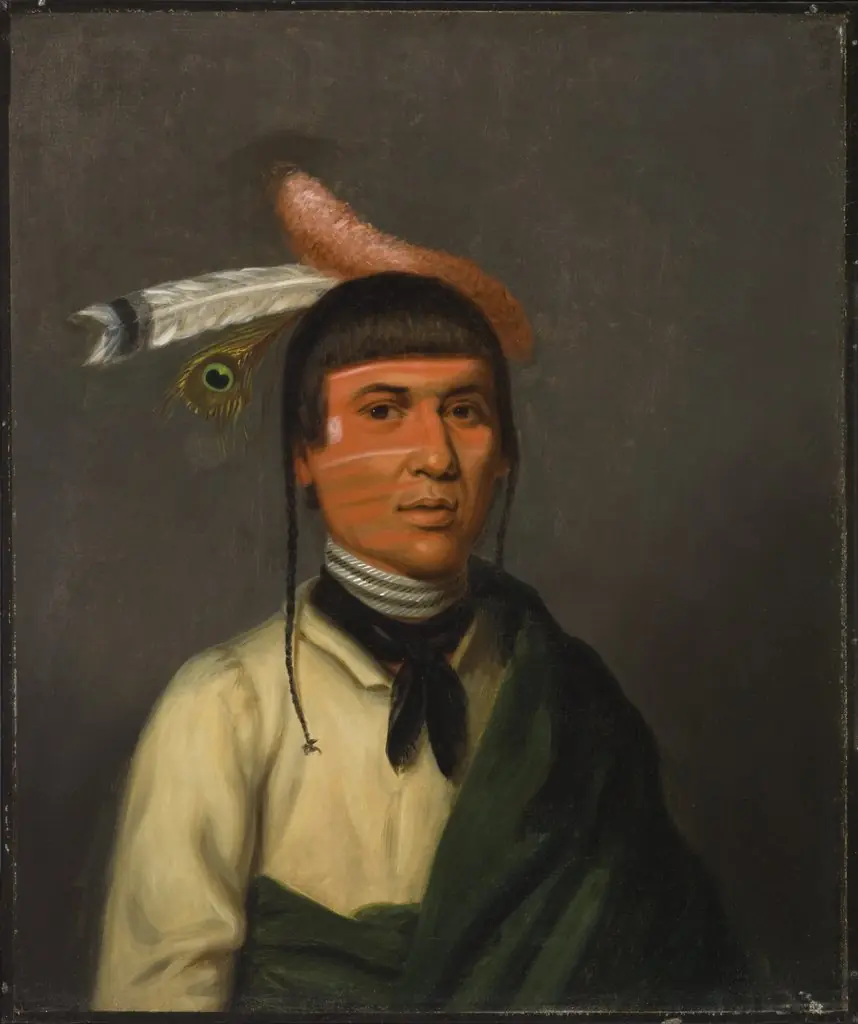
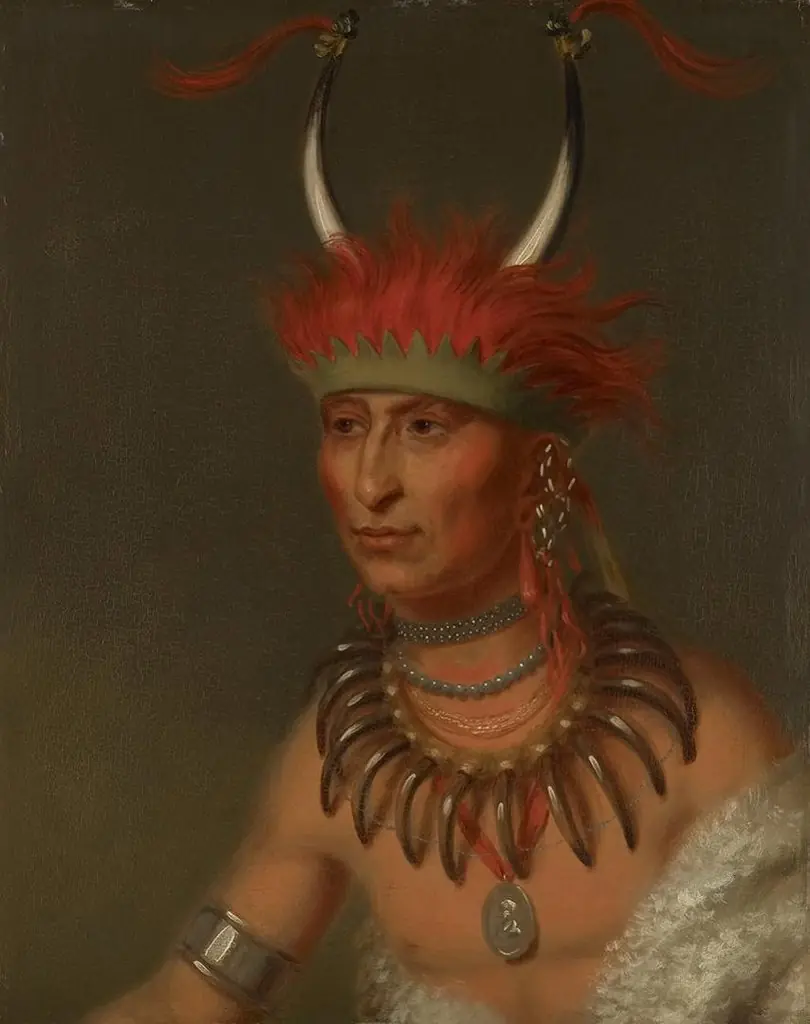
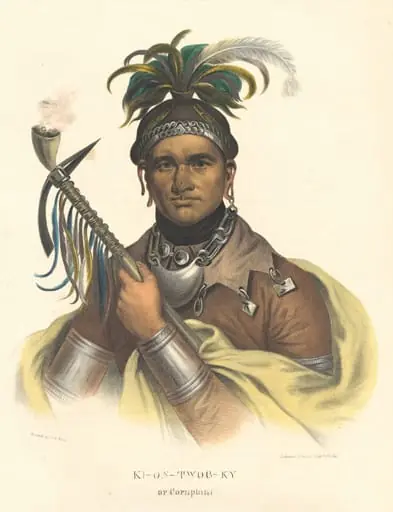
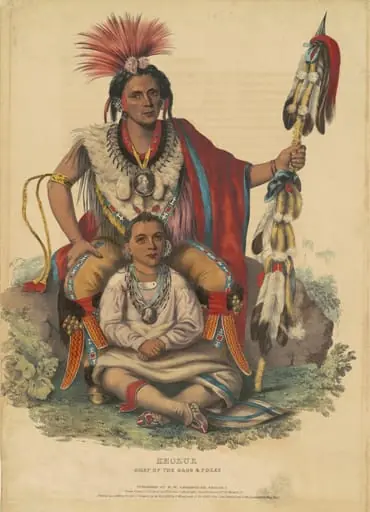
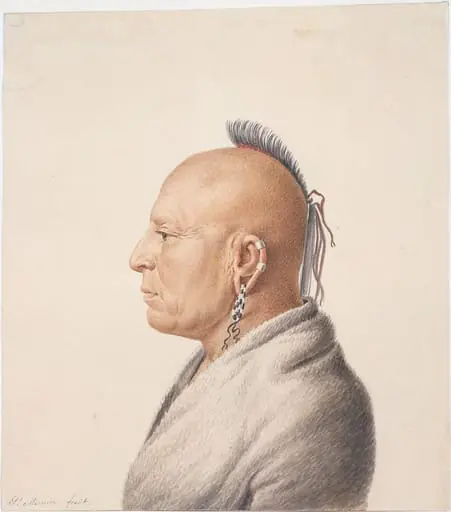
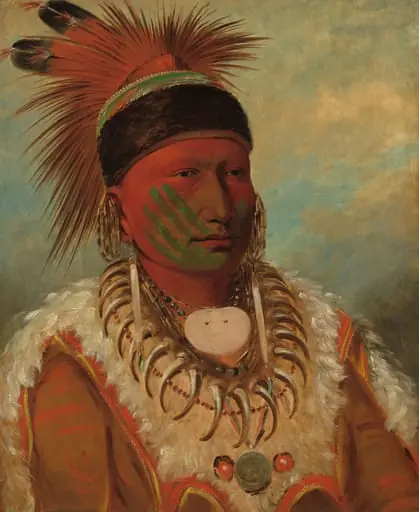
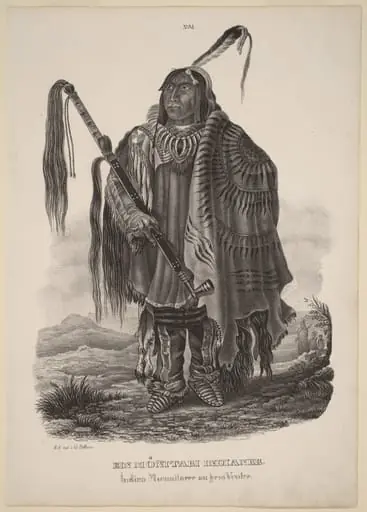
The portrait depicts a Native American man, likely representing a figure from the Great Lakes or Plains region, adorned with a red feathered headdress, a necklace of animal teeth, and a silver pendant. Facial markings in red and green, along with a blue circle on the forehead, suggest ceremonial or tribal identity. His downward gaze and restrained posture convey solemnity, possibly reflecting cultural dignity or the weight of displacement during a period of forced removals.
Technique & Style
Newsam employed lithography, a then-emerging print medium, to achieve fine detail and tonal variation. The image was hand-colored with water-based pigments, adding subtle depth to the headdress, skin tones, and accessories. The composition avoids theatricality, favoring a direct, almost ethnographic framing. While influenced by Romantic ideals of individual character, the work prioritizes observed detail over idealized emotion, distinguishing it from European Romantic portraiture.
History & Provenance
Created in 1837, *Chon-Ca-Pe* emerged during a time when lithography was becoming a dominant medium for mass reproduction in the United States. Newsam’s work was widely circulated in publications, though this specific image’s early ownership is undocumented. It likely served as a standalone portrait or was part of a broader series on Indigenous peoples, reflecting contemporary interest in documenting Native cultures amid westward expansion.
Context
In the 1830s, U.S. government policies such as the Indian Removal Act reshaped Indigenous communities, fueling public curiosity and often distorted representations of Native life. Newsam’s portrait, though not overtly political, participates in this cultural moment—presenting a dignified individual amid widespread stereotyping. His deafness may have influenced his acute visual focus, allowing him to capture nuanced details often overlooked by hearing contemporaries.
Legacy
Newsam’s work helped legitimize lithography as a serious artistic medium in America. *Chon-Ca-Pe* stands as one of the few surviving portraits by a deaf artist depicting Native subjects with relative restraint. Though not widely exhibited today, it remains a significant artifact in the history of American printmaking and early ethnographic imagery, offering insight into how visual culture engaged with Indigenous identity during a transformative era.
Artist & collection
Artist
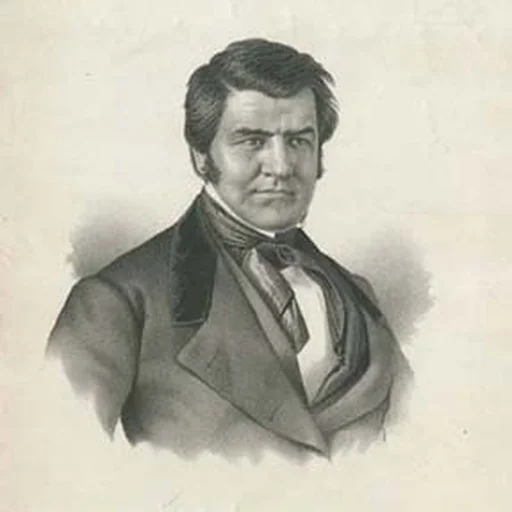
Albert Newsam (May 20, 1809 – November 20, 1864) was an American lithographer and painter.