Artwork
Ki-On-Twog-Ky, or Cornplanter
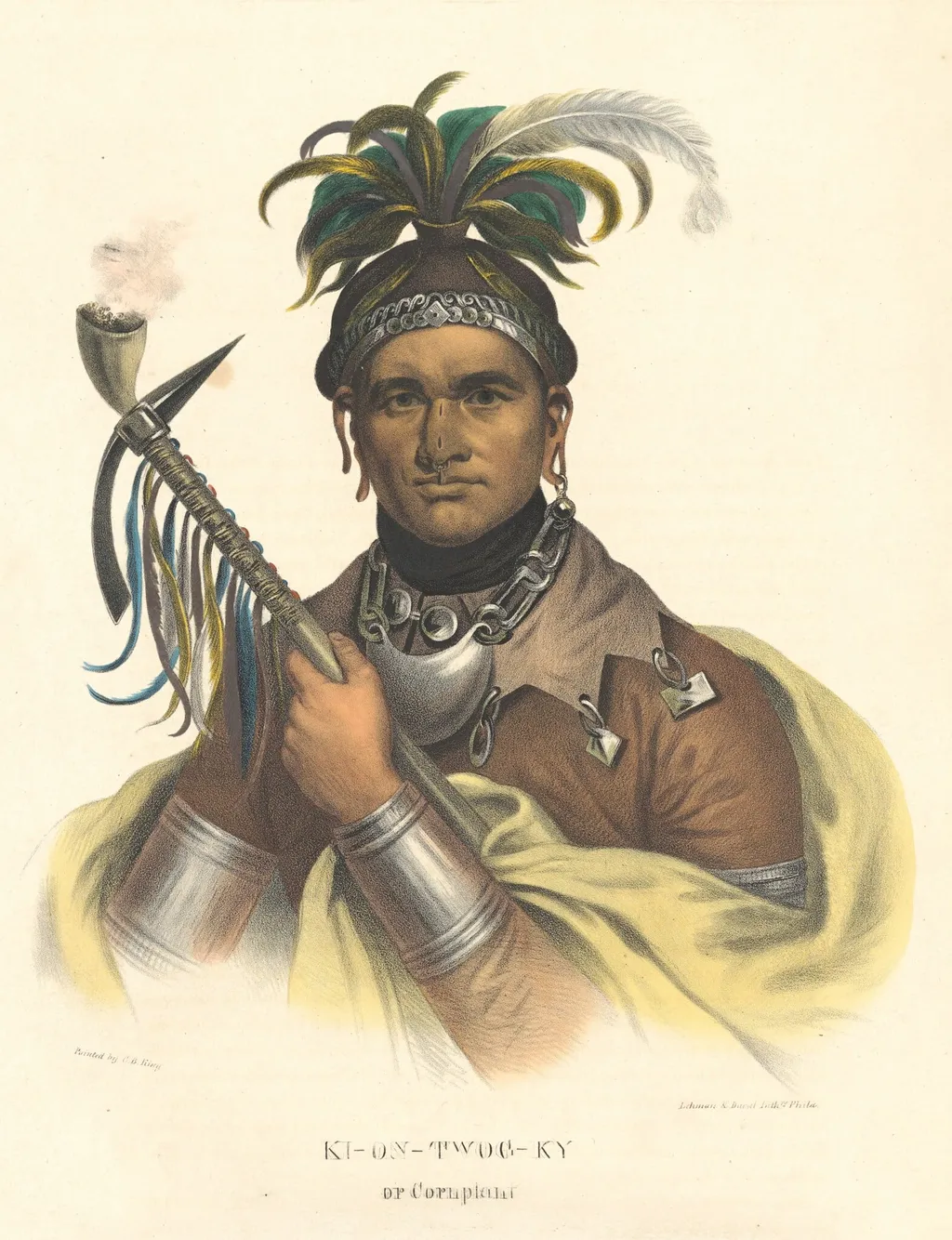
Ki-On-Twog-Ky, or Cornplanter is an ink print by the Romanticist artist Bass Otis. It dates from 1837 and is held in the collection of the National Gallery of Art.
About this work
Overview
Ki-On-Twog-Ky, or Cornplanter is a hand-colored lithograph on wove paper created by Bass Otis in 1837. The work is a portrait of Cornplanter, a prominent Seneca leader, rendered with meticulous detail and soft, hand-painted colors.
Subject & Meaning
The portrait depicts Cornplanter, a key figure in diplomatic relations between the Iroquois Confederacy and colonial/U.S. authorities. His attire and accessories, including a feathered headdress, curved pipe, and staff with ribbons, convey his status and cultural identity.
Technique & Style
Executed in hand-colored lithograph, the piece showcases Otis's skill in this medium, which he pioneered in America with the first lithograph in 1819. The soft colors and detailed hand-painting, particularly on feathers and clothing, characterize the work's visual appeal.
History & Provenance
Created in 1837 by Bass Otis, an early American portrait painter and inventor, this lithograph is part of his extensive oeuvre of likenesses of prominent U.S. figures during the early 19th century.
Context
The portrait reflects the historical context of interactions between Native American leaders and American authorities during the early 19th century, highlighting Cornplanter's significant diplomatic role.
Legacy
While specific legacy details of *Ki-On-Twog-Ky, or Cornplanter* are not highlighted, as a work by Bass Otis, it contributes to the broader legacy of early American lithography and portraiture of notable historical figures.
Artist & collection
Artist
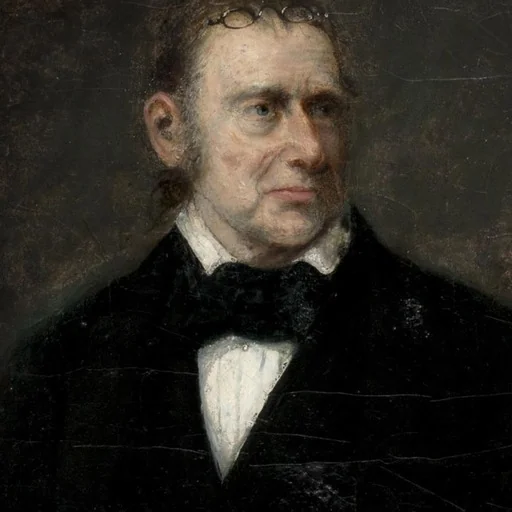
Bass Otis (July 17, 1784 - November 3, 1861), was an early American artist, inventor, and portrait painter.

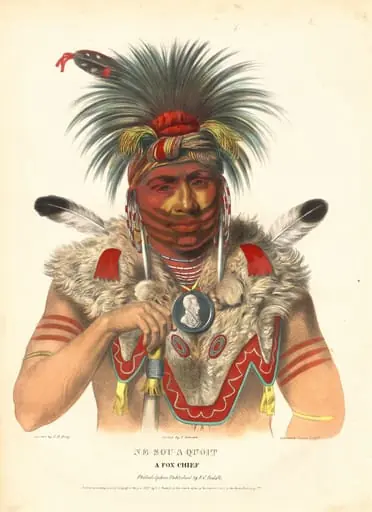 Ne-Sou-A Quoit, a Fox Chief
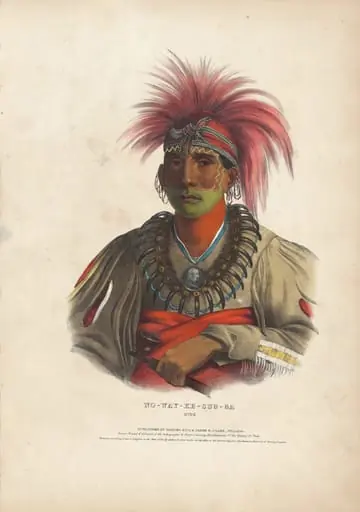 No-Way-Ke-Sug-Ga, Otoe
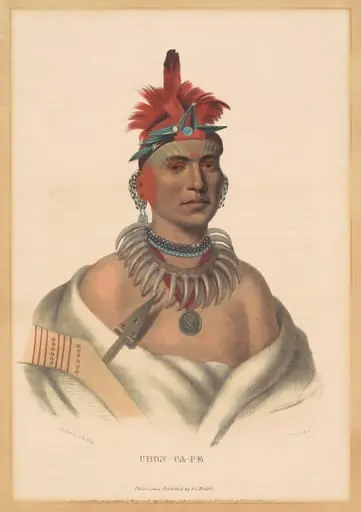 Chon-Ca-Pe
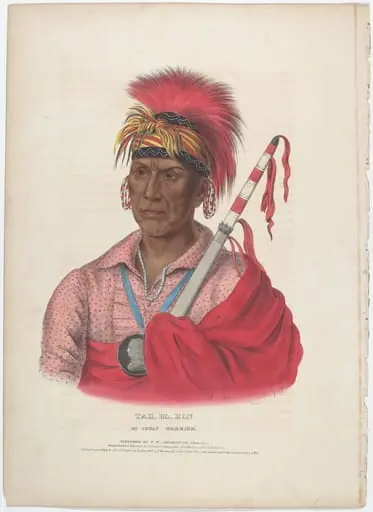 Tah-Ro-Hon, An Ioway Warrior
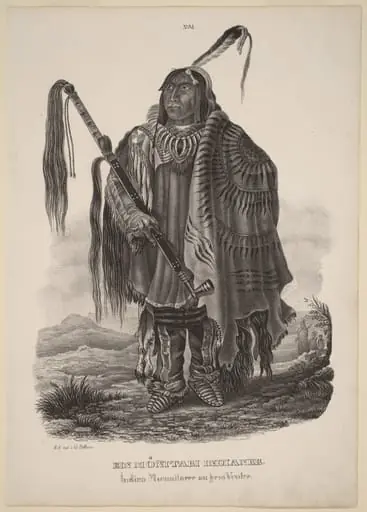 Ein Monitari Indianer
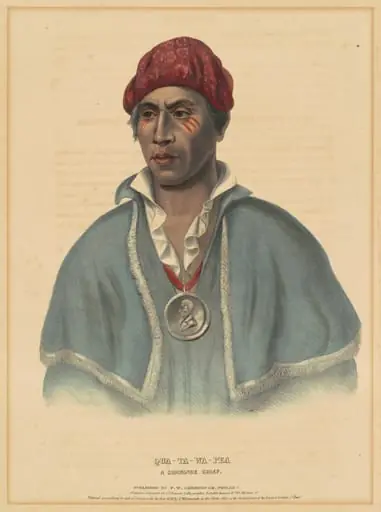 Qua-Ta-Wa-Pea, A Shawnoe Chief
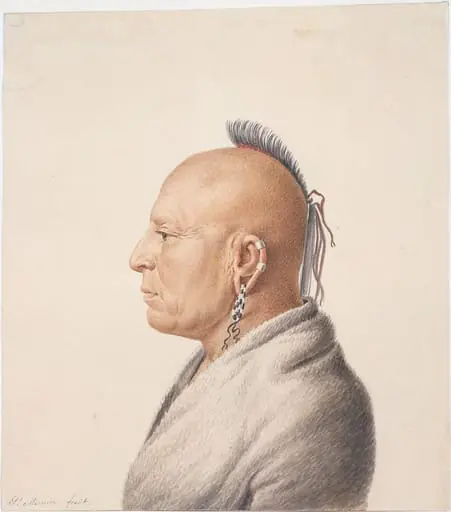 Osage Warrior
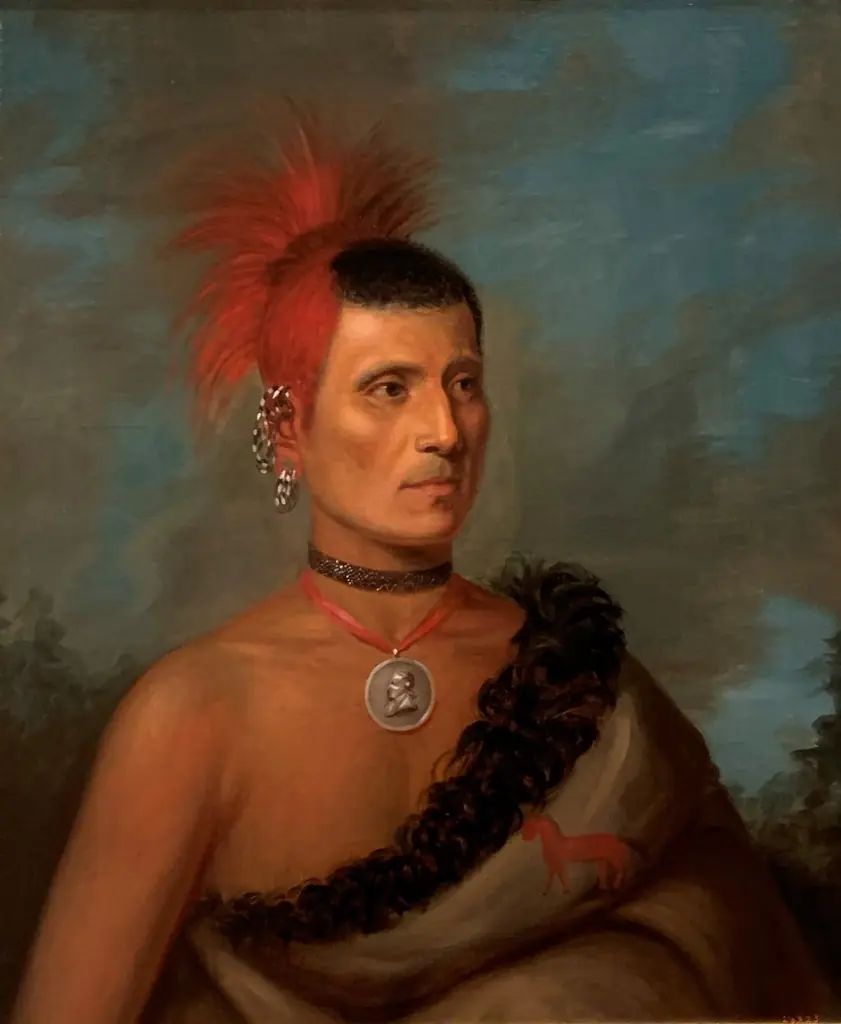 Pes-Ke-Le-Cha-Co
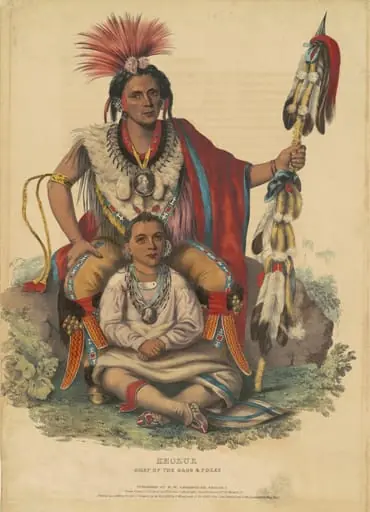 Keokuk, Chief of the Sacs and Foxes
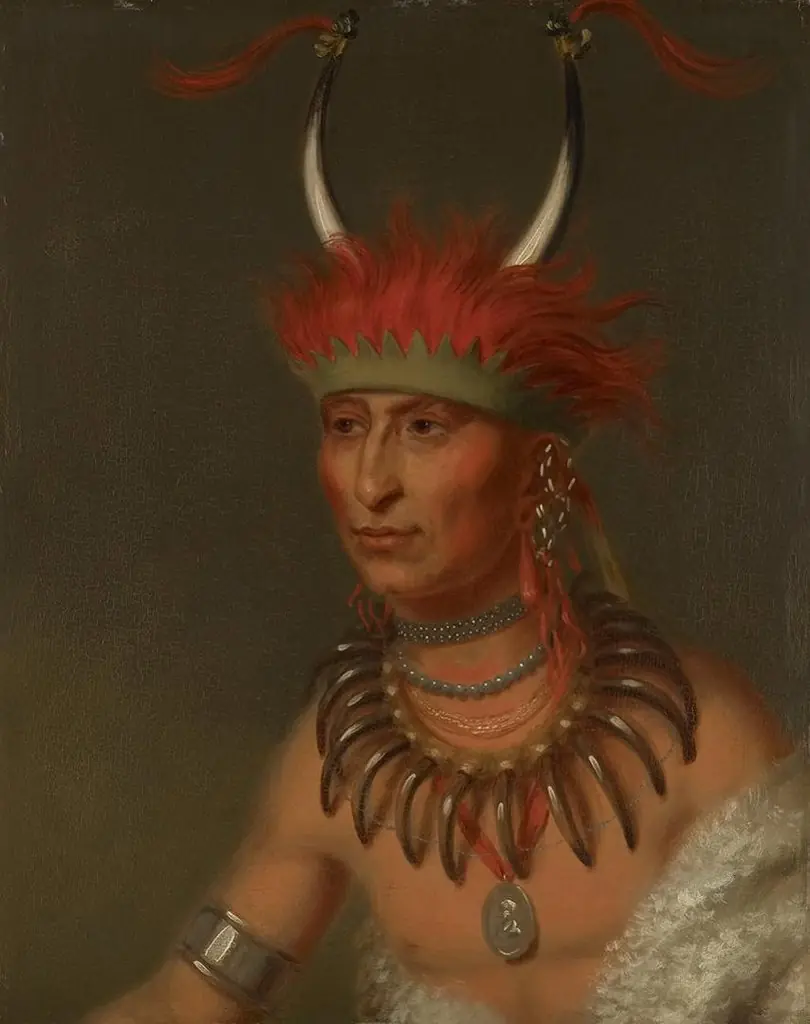 Shaumonekusse, Oto Half Chief (Husband of Eagle of Delight)
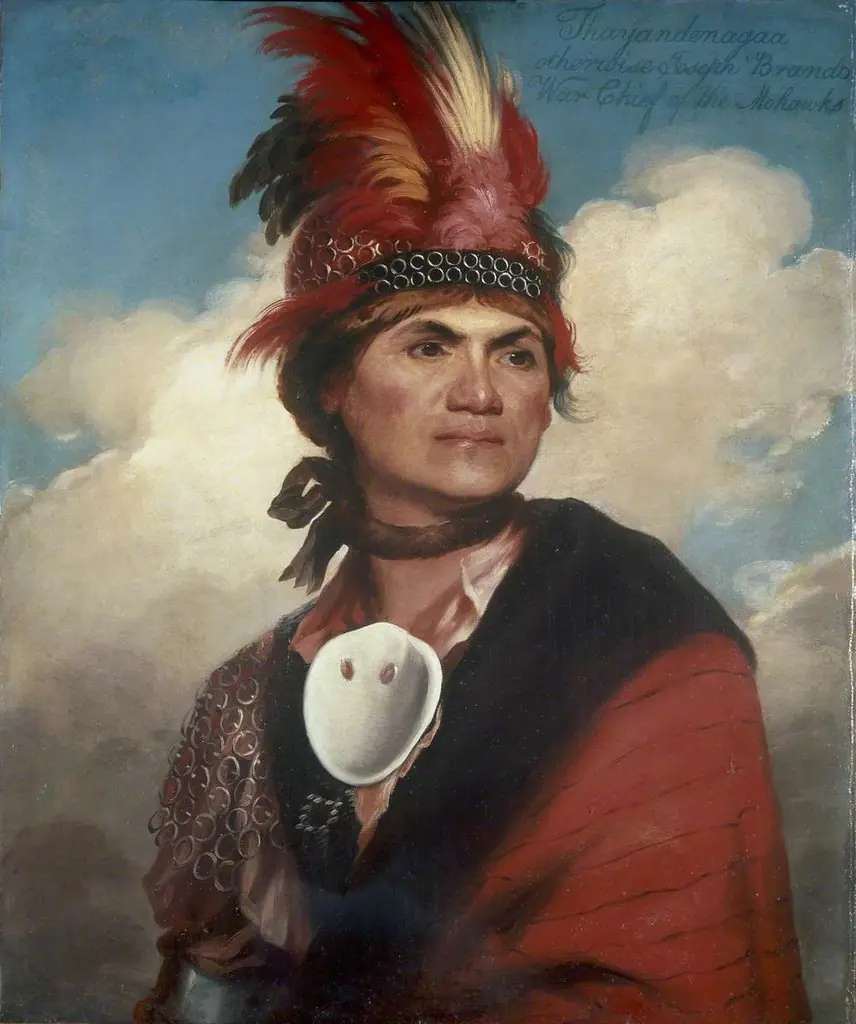 Thayendanegea (Joseph Brant, c.1743–1807)
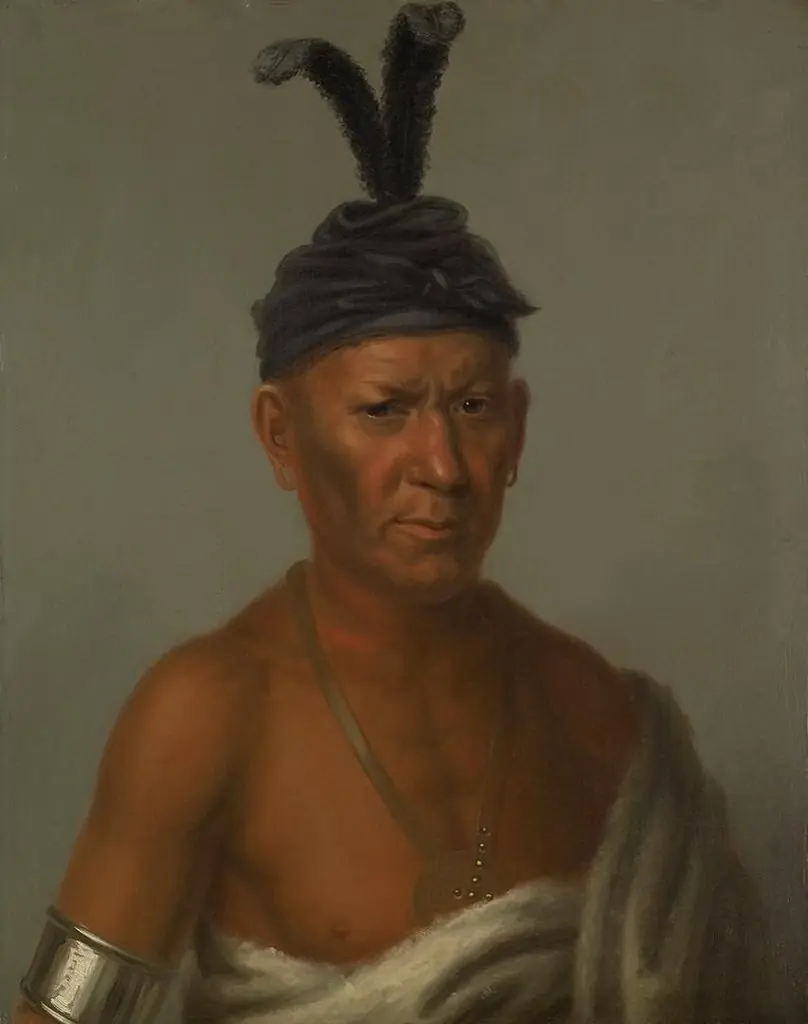 Wakechai (Crouching Eagle), Saukie Chief