Artwork
The Virgin and Child
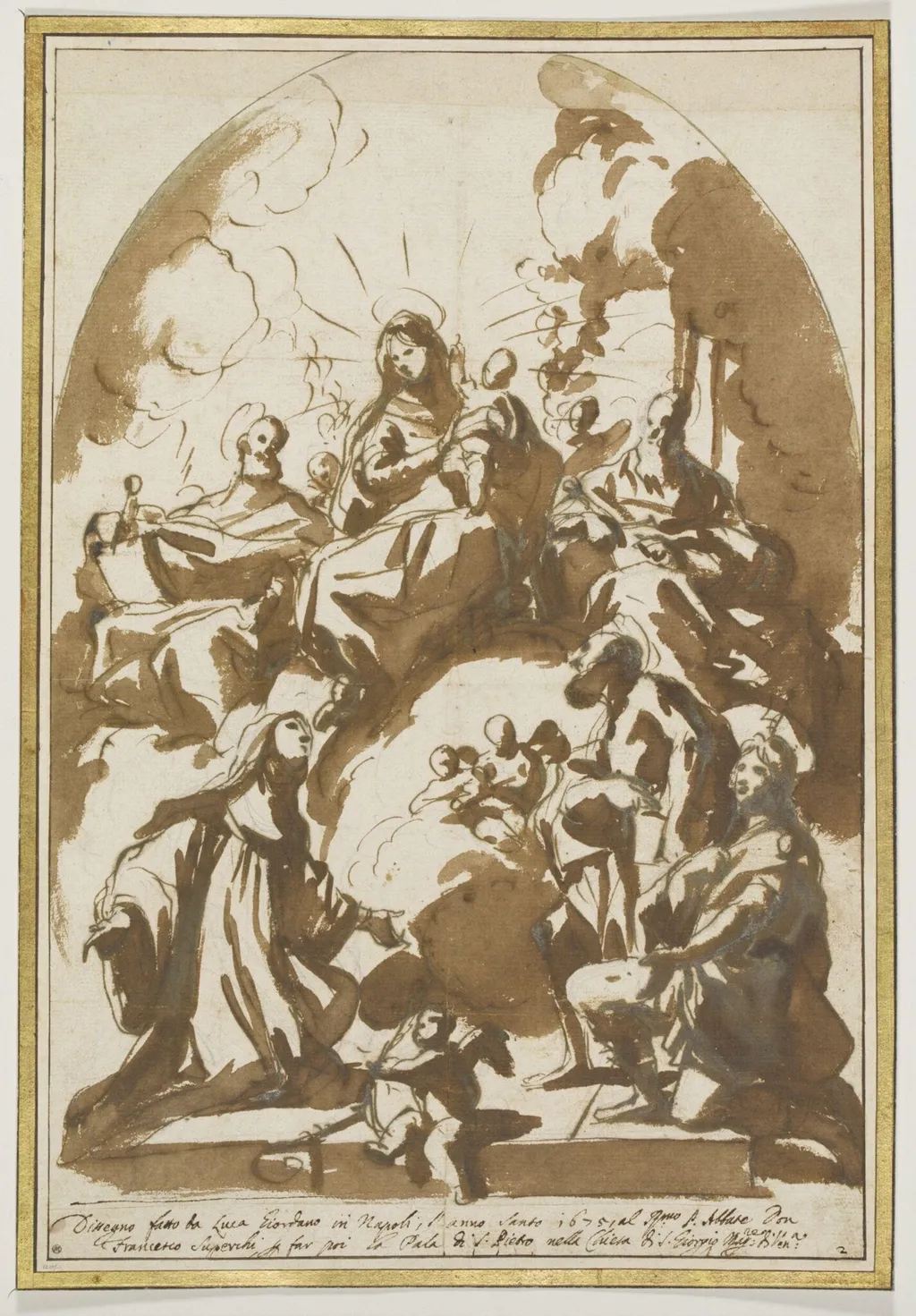
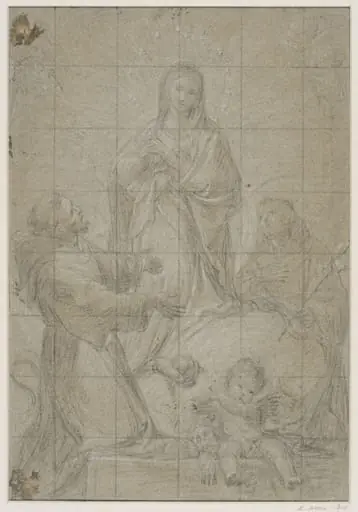
The Virgin and Child is a drawing by the Baroque artist Luca Giordano. It dates from 1675 and is held in the collection of the Victoria and Albert Museum.
About this work
Overview
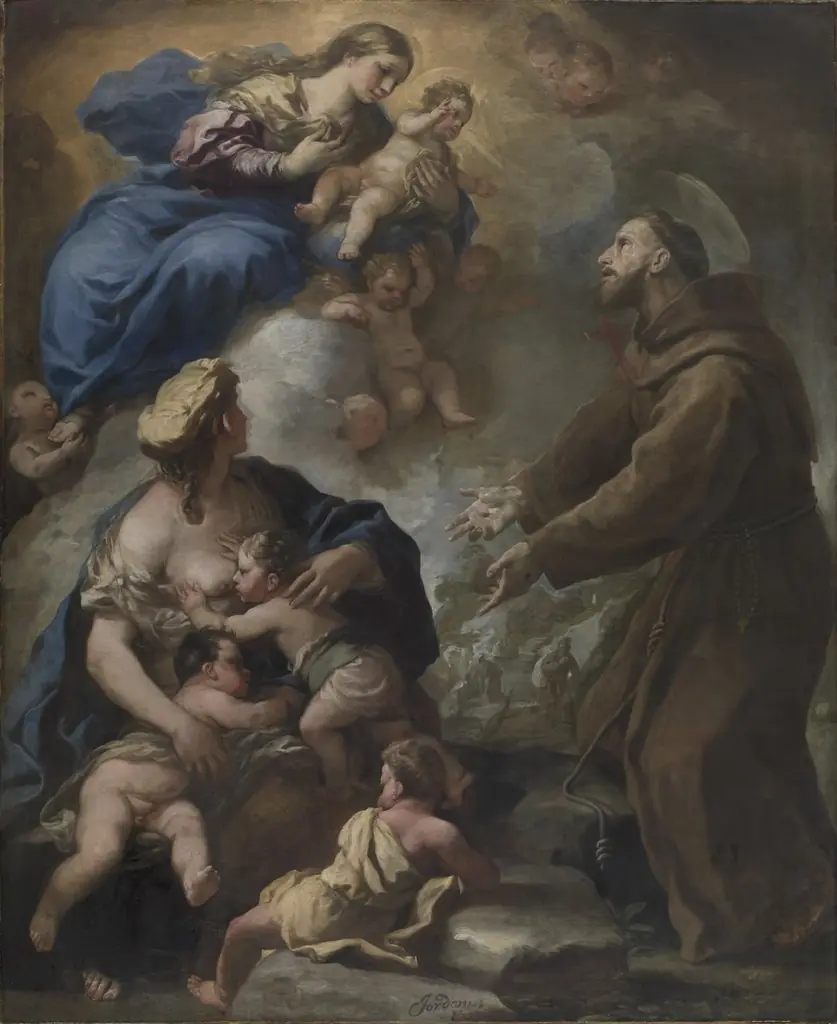
The Virgin and Child is a religious drawing created by Luca Giordano in 1675. Characterized by loose, sketchy lines and varied tonal values, the work depicts a dynamic scene with multiple figures in motion, centered around the Virgin holding the Child.
Subject & Meaning
The drawing showcases a crowded, dramatic scene juxtaposing heavenly and earthly realms. Angels and clouds occupy the upper half, while figures below pray or reach upward, conveying a sense of devotion and spiritual connection.
Technique & Style
Giordano employed quick, rough strokes to evoke movement and emotion, distinguishing his brighter, more expressive approach from the darker Neapolitan Baroque tradition. The style reflects influences from Venetian and Cortona techniques.
History & Provenance
Created in 1675 by Luca Giordano, a prolific late-Baroque artist known for his work in Naples across various mediums and scales, the drawing is now part of the Victoria and Albert Museum’s collection.
Context
This work aligns with the Baroque movement’s emphasis on dramatic intensity and movement. Its sketchy quality suggests it may have served as a study for a larger, more finished piece, typical of Giordano’s preparatory process for altarpieces or frescoes.
Legacy
As part of Giordano’s oeuvre, The Virgin and Child contributes to the understanding of late-Baroque artistic transitions, particularly Giordano’s role in bridging darker Neapolitan traditions with brighter, more dynamic styles.
Artist & collection

Artist
Luca Giordano was an Italian late-Baroque painter and printmaker in etching. Giordano was one of the most celebrated artists of the Neapolitan Baroque, whose vast output included altarpieces, mythological paintings and…

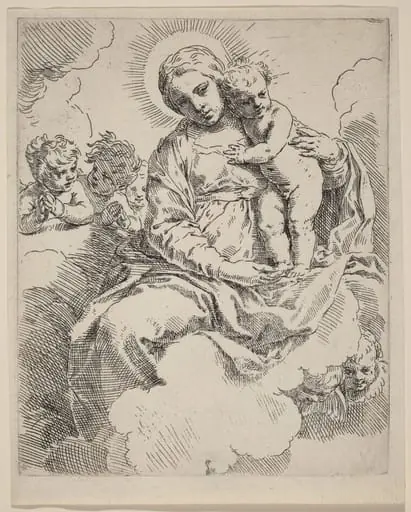 The Virgin and Child
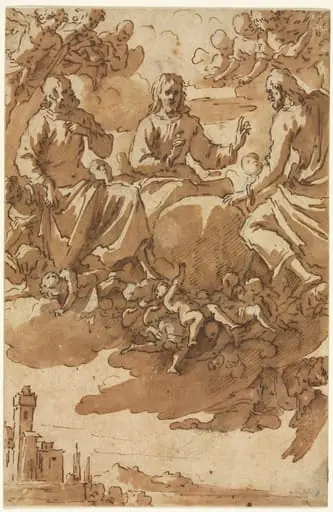 Christ in Glory with Two Saints
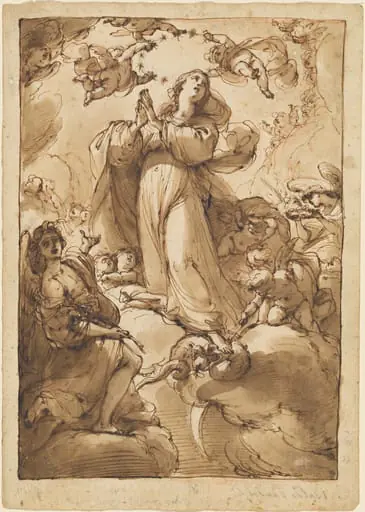 The Virgin of the Immaculate Conception
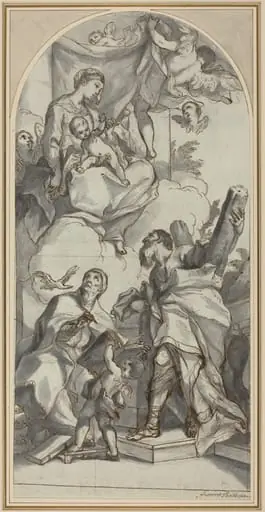 The Madonna and Child in Glory with Saints Gregory the Great and Andrew
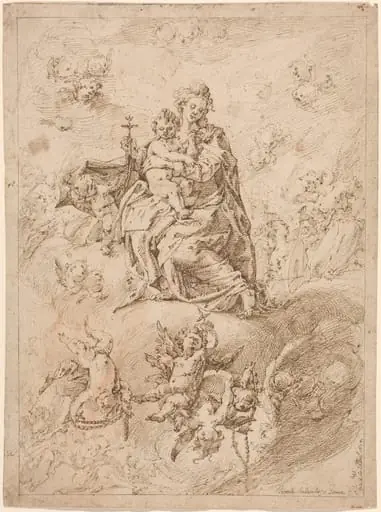 The Madonna of the Rosary
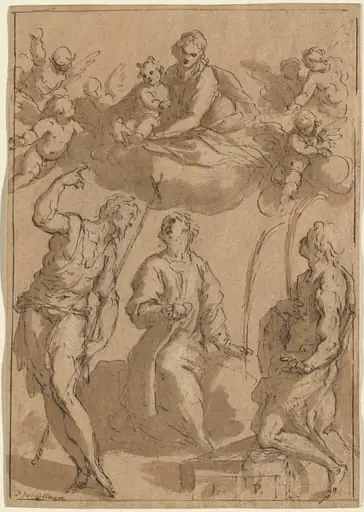 Madonna and Child in Glory with Saints John the Baptist, Stephen, and Lawrence
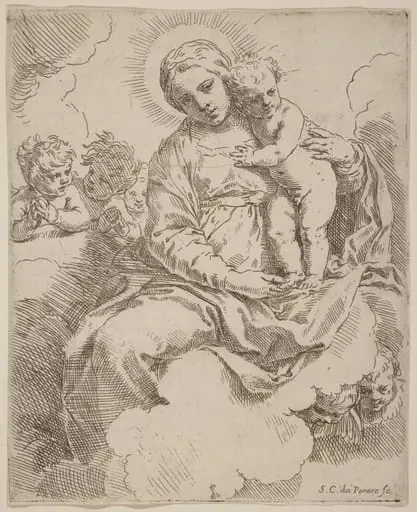 The Virgin and Child
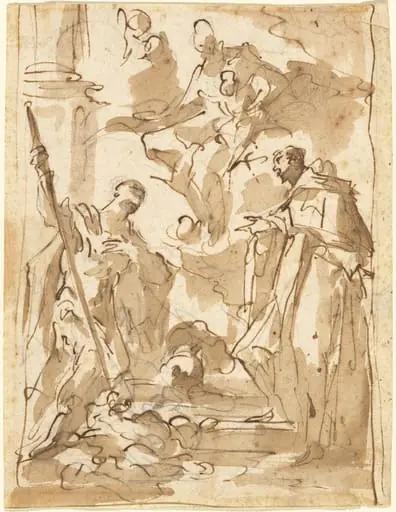 The Madonna and Child in Glory with Saint Theodore and a Monastic Saint
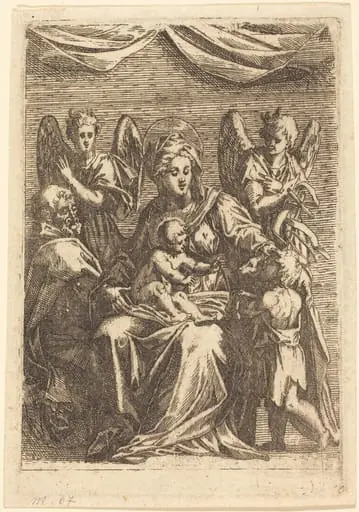 The Holy Family with Two Angels
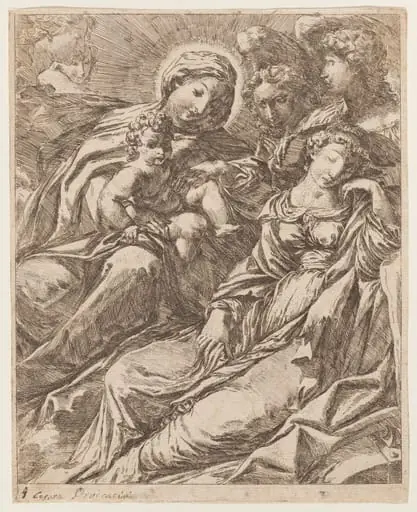 Vision of Saint Catherine of Alexandria
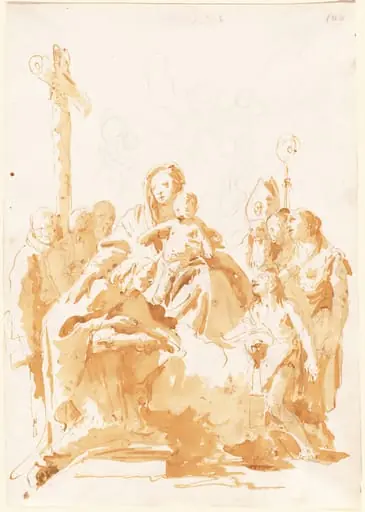 The Virgin and Child Adored by Bishops, Monks, and Women
 Saints adoring the Virgin Mary