Artwork
Sisyphus
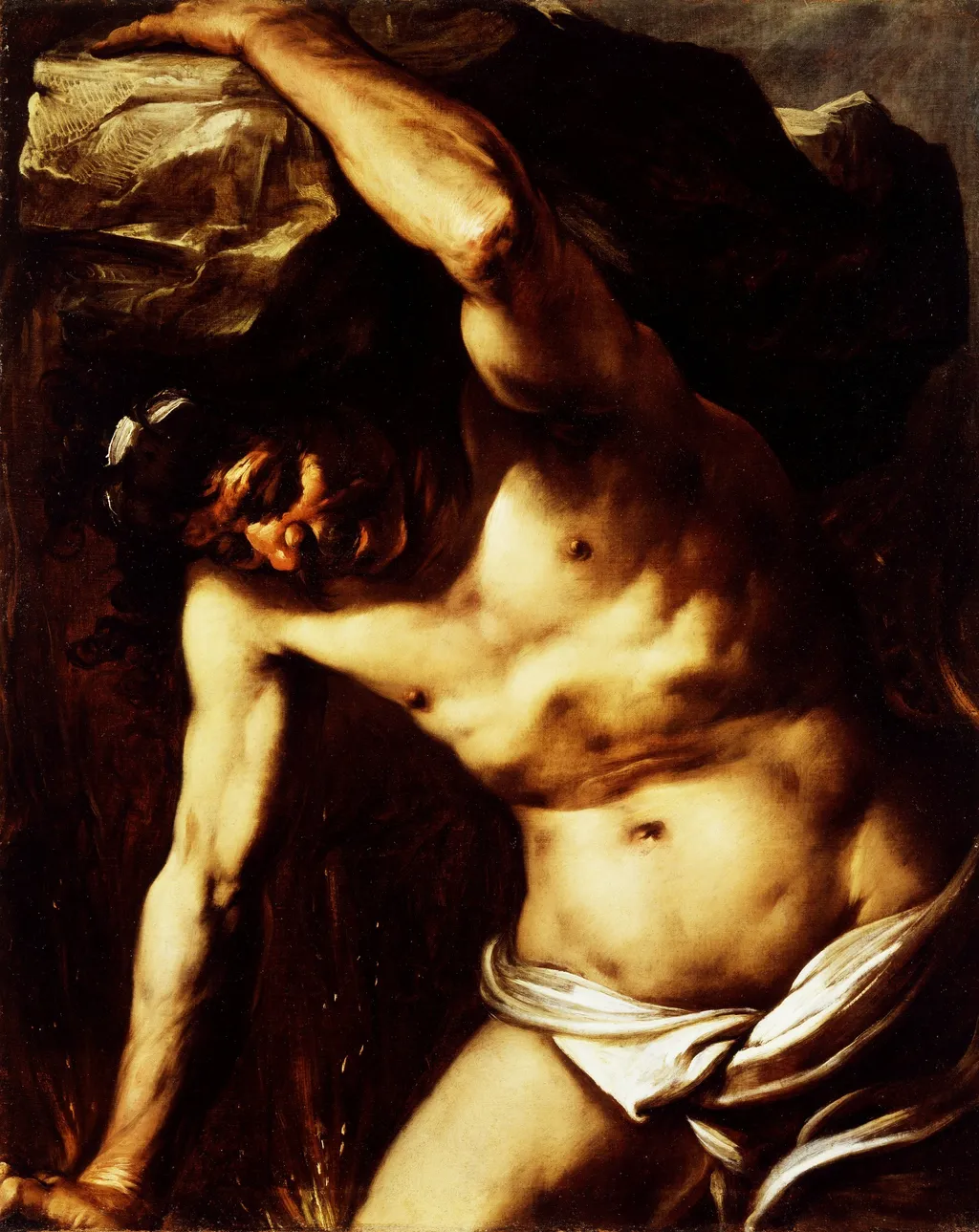
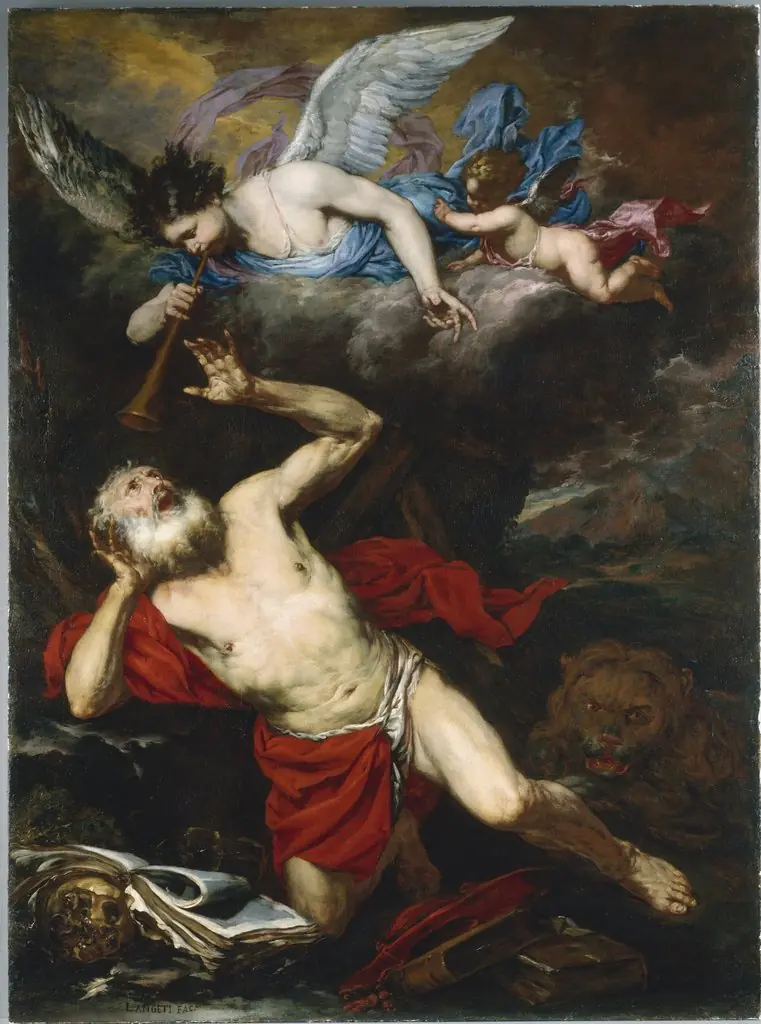
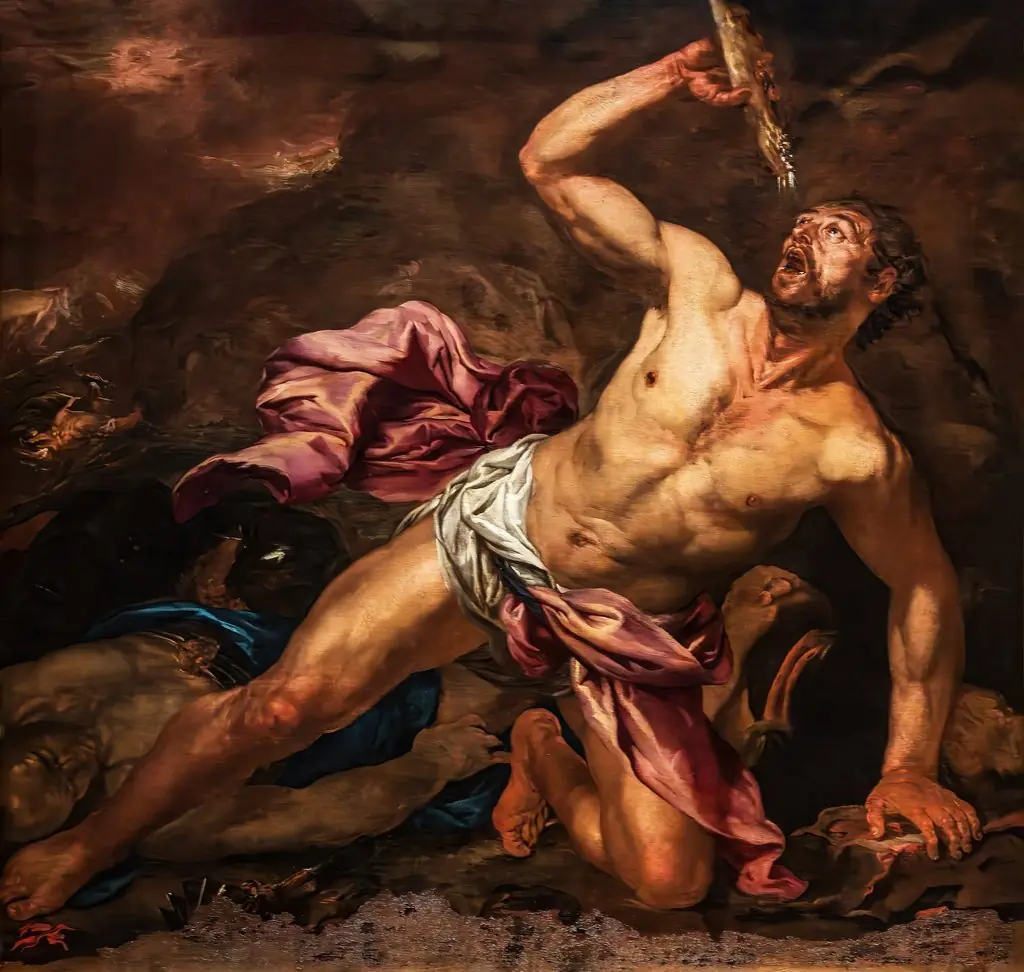
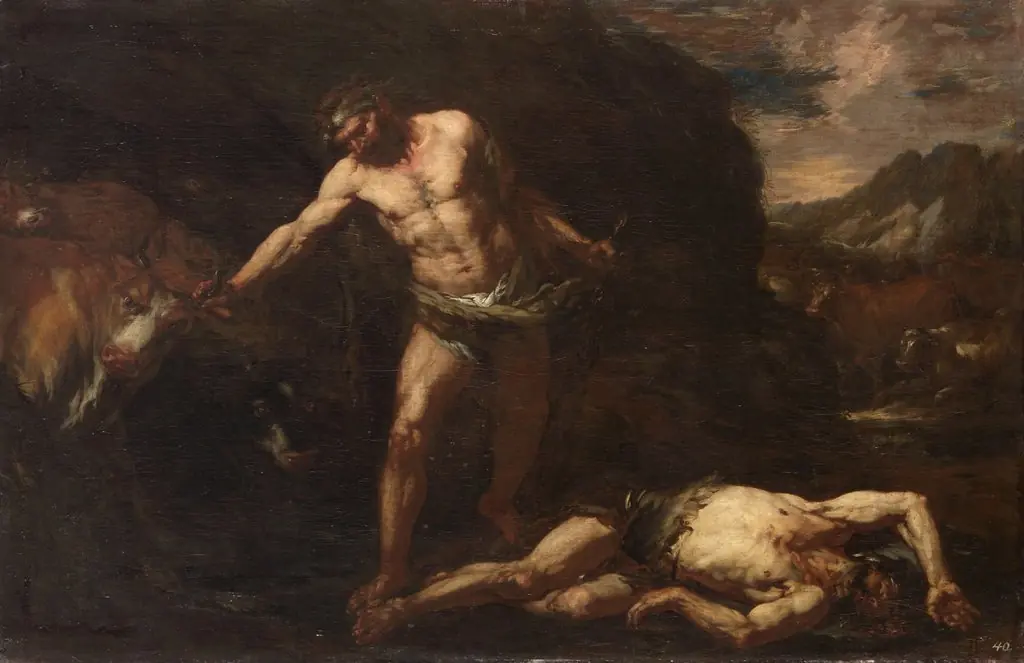
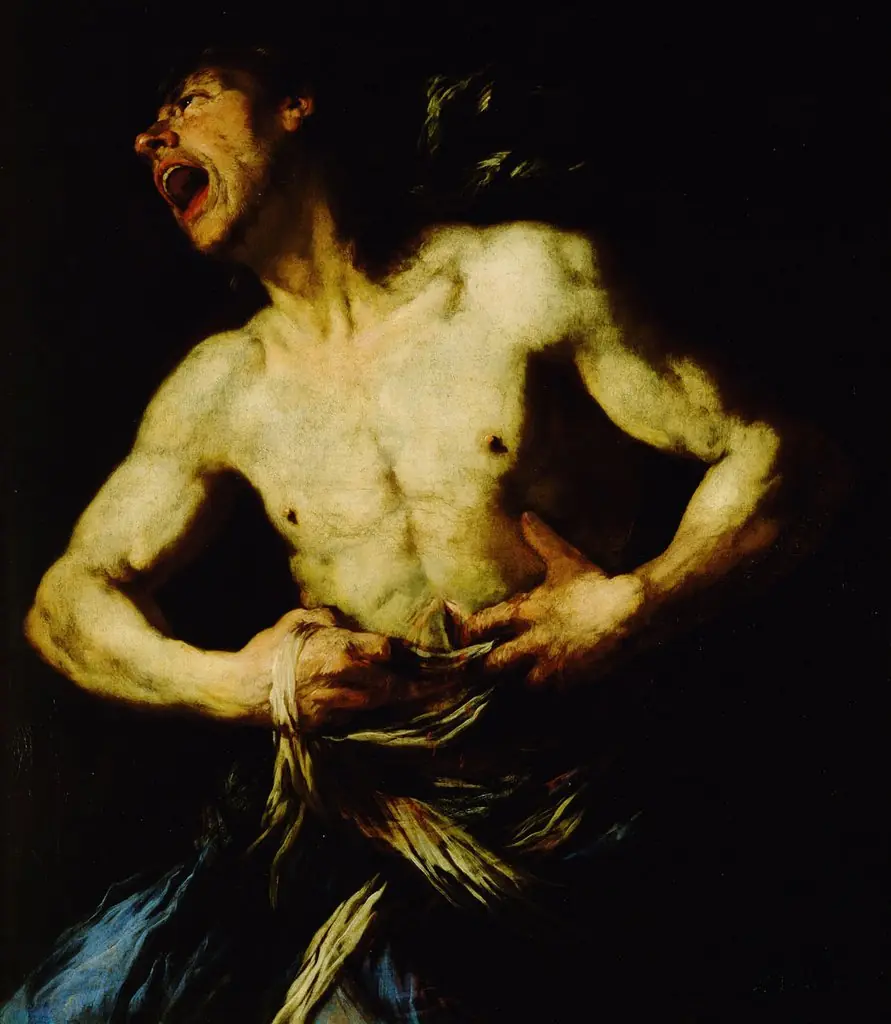
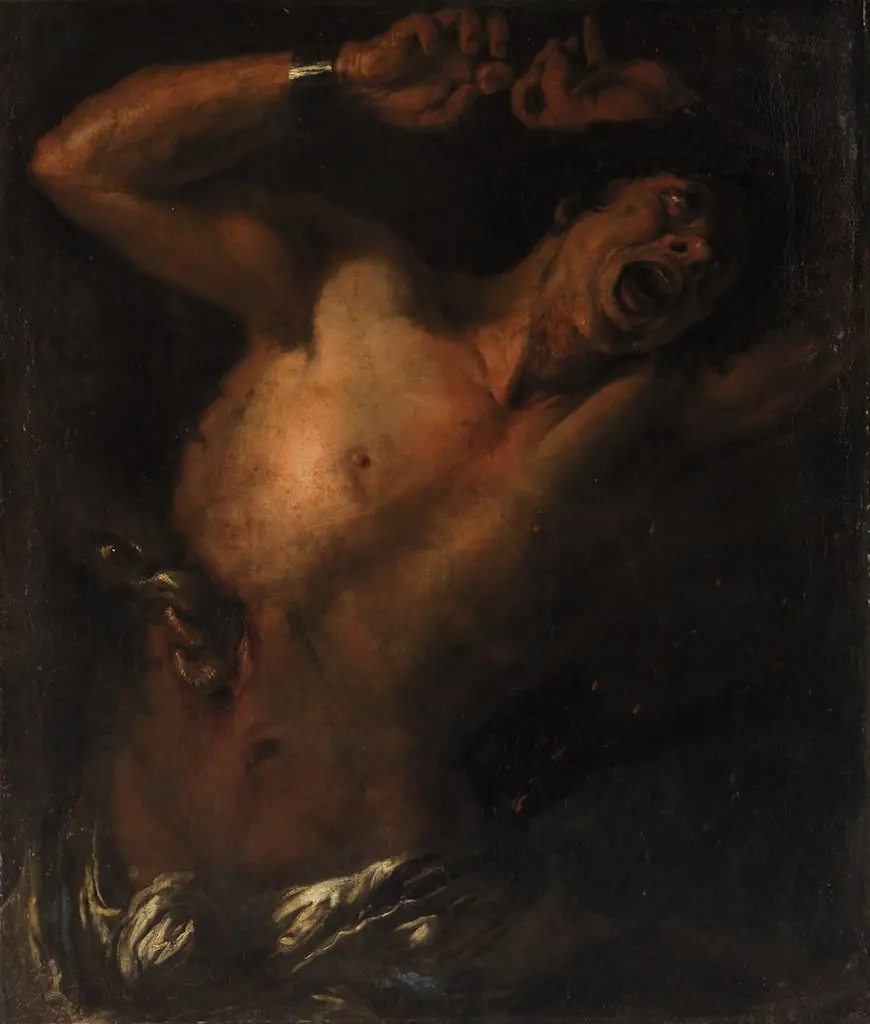
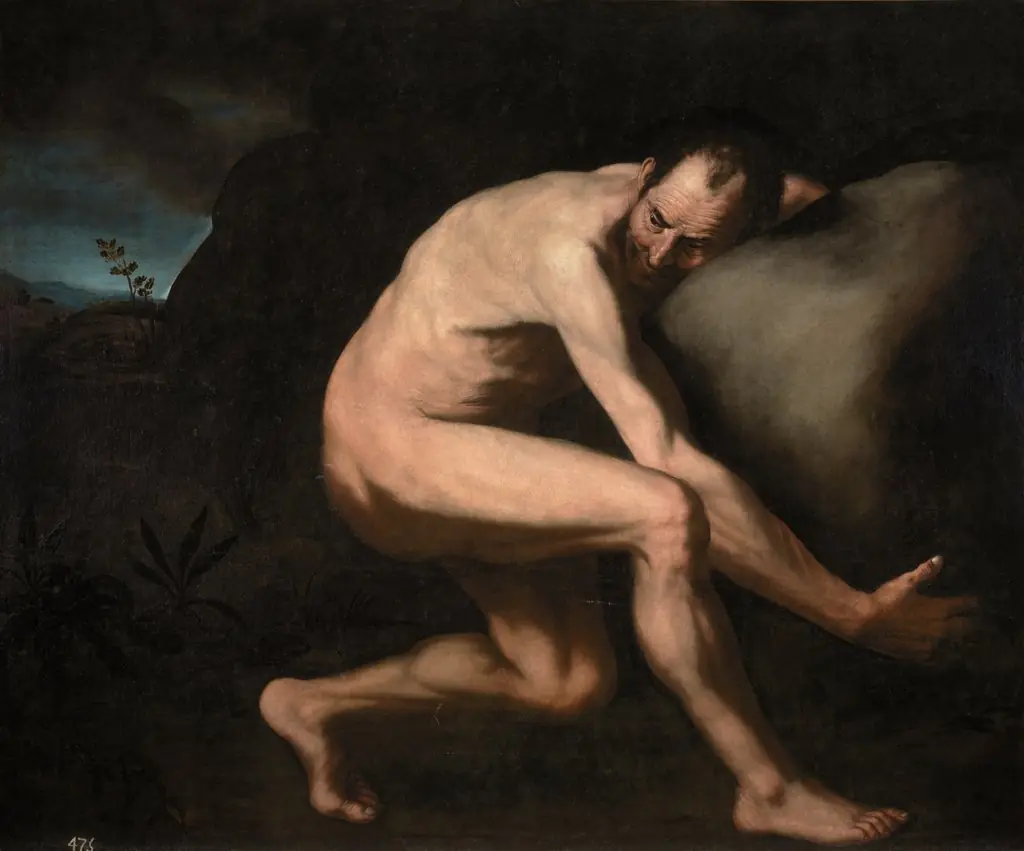
Sisyphus is an oil painting by the Early Baroque Italian artist Giovan Battista Langetti. It dates from 1660 and is held in the collection of the Detroit Institute of Arts.
About this work
Overview
This piece captures the condemned figure in a moment of exhausting labor, rendered with heightened realism and theatrical lighting.
Painted in 1660, Giovan Battista Langetti’s *Sisyphus* is an oil-on-canvas work from the early Baroque era in Italy. Active across Genoa, Rome, and Venice, Langetti rendered mythological subjects with intense physicality and emotional gravity. This piece captures the condemned figure in a moment of exhausting labor, rendered with heightened realism and theatrical lighting. It is now part of the Detroit Institute of Arts collection.
Subject & Meaning
The painting illustrates the Greek myth of Sisyphus, condemned by the gods to eternally roll a boulder uphill, only for it to roll back each time he nears the summit. Langetti emphasizes the futility and endurance of the task, focusing on the figure’s physical strain and silent anguish. The open mouth and strained posture suggest a cry without sound, underscoring the psychological weight of endless, purposeless toil.
Technique & Style
Langetti employs strong chiaroscuro to isolate the figure against a deep, shadowed background, heightening the drama of the scene. The muscular anatomy is rendered with precise, sculptural detail, and the white loincloth contrasts sharply with the dark surroundings. The light falls diagonally across the body and rock, accentuating tension in the limbs and the weight of the boulder, reinforcing the physical struggle through controlled illumination.
History & Provenance
Created during Langetti’s mature period, the painting reflects his engagement with Caravaggisti traditions and the emotional intensity favored in mid-17th-century Italian painting. It entered the Detroit Institute of Arts collection in the 20th century, though its earlier ownership history remains largely undocumented. Its survival and preservation reflect its recognition as a significant example of Genoese Baroque narrative painting.
Context
In the decades following Caravaggio’s death, Italian painters increasingly turned to mythological and biblical themes to explore human suffering and moral endurance. Langetti’s *Sisyphus* aligns with this trend, resonating with contemporary audiences familiar with classical literature and Catholic themes of penance. The work’s focus on solitary struggle reflects broader cultural preoccupations with fate, labor, and divine punishment.
Legacy
Though Langetti is less widely known than his contemporaries, *Sisyphus* stands as a compelling example of his ability to merge classical narrative with visceral realism. The painting contributes to the understanding of how Baroque artists adapted myth to express psychological depth. Its continued presence in a major American museum ensures its role in ongoing scholarly and public engagement with early modern Italian art.
Own this work as a print
Artist & collection
Artist
Giovanni Battista Langetti (1635 – 22 October 1676), also known as Giambattista Langetti, was an Italian late-Baroque painter. He was active in his native Genoa, then Rome, and finally for the longest period in Venice.