Artwork
Tityus
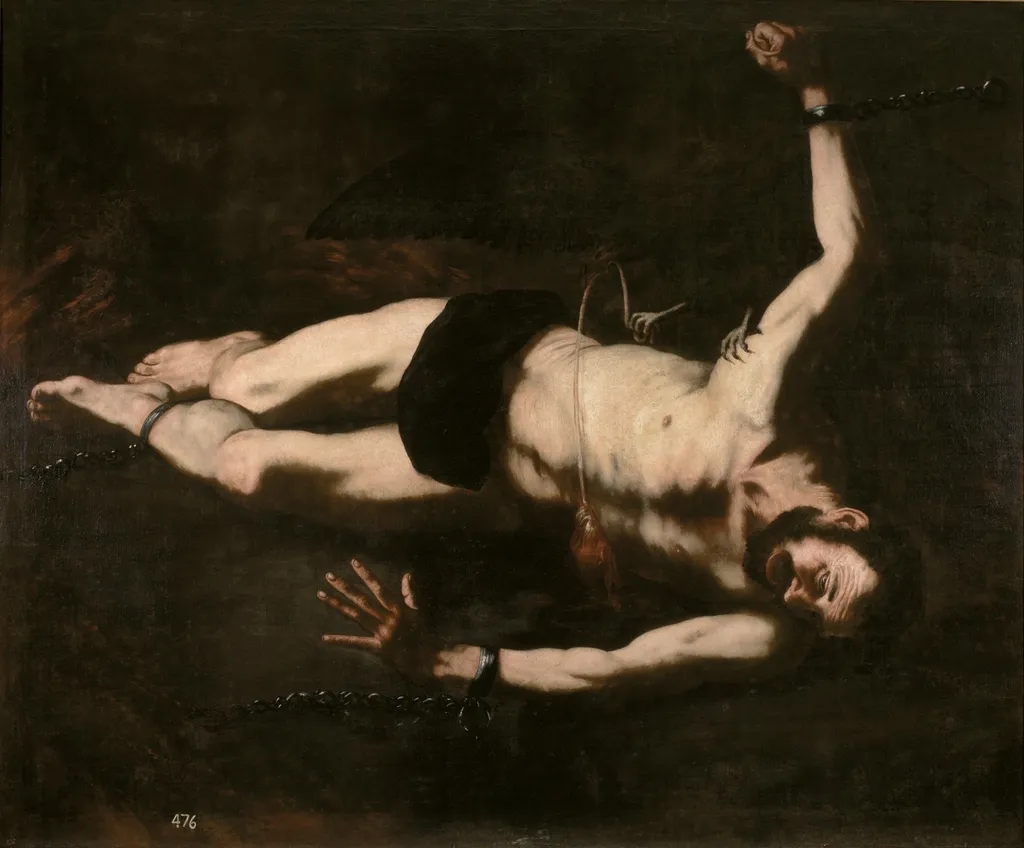
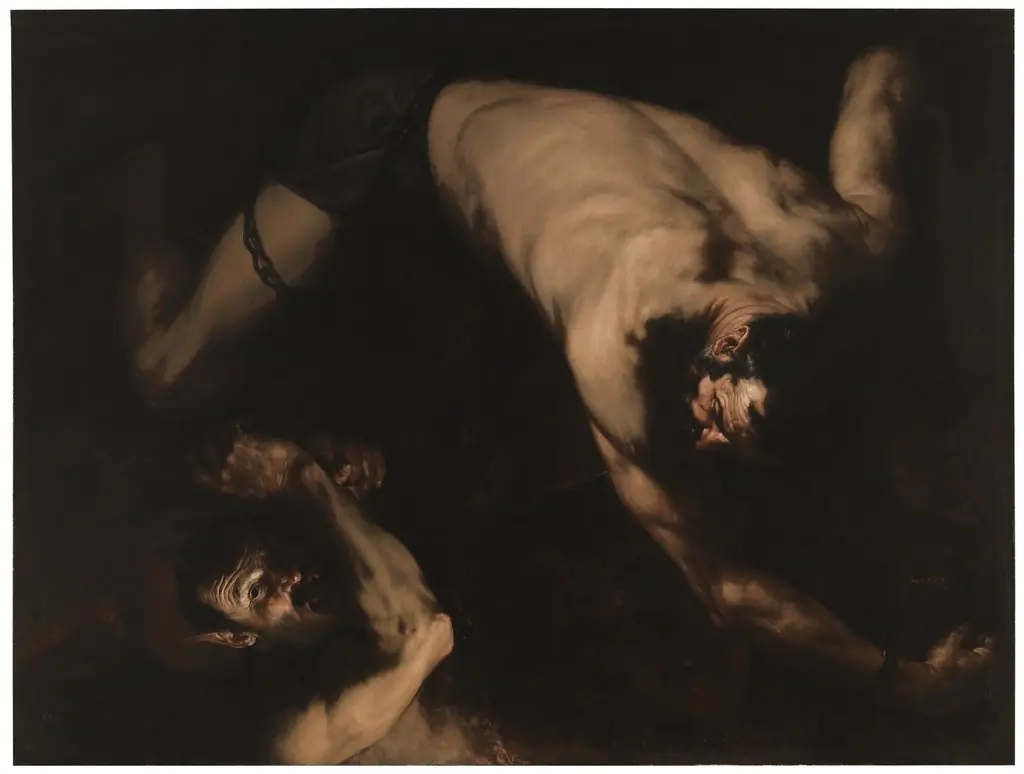
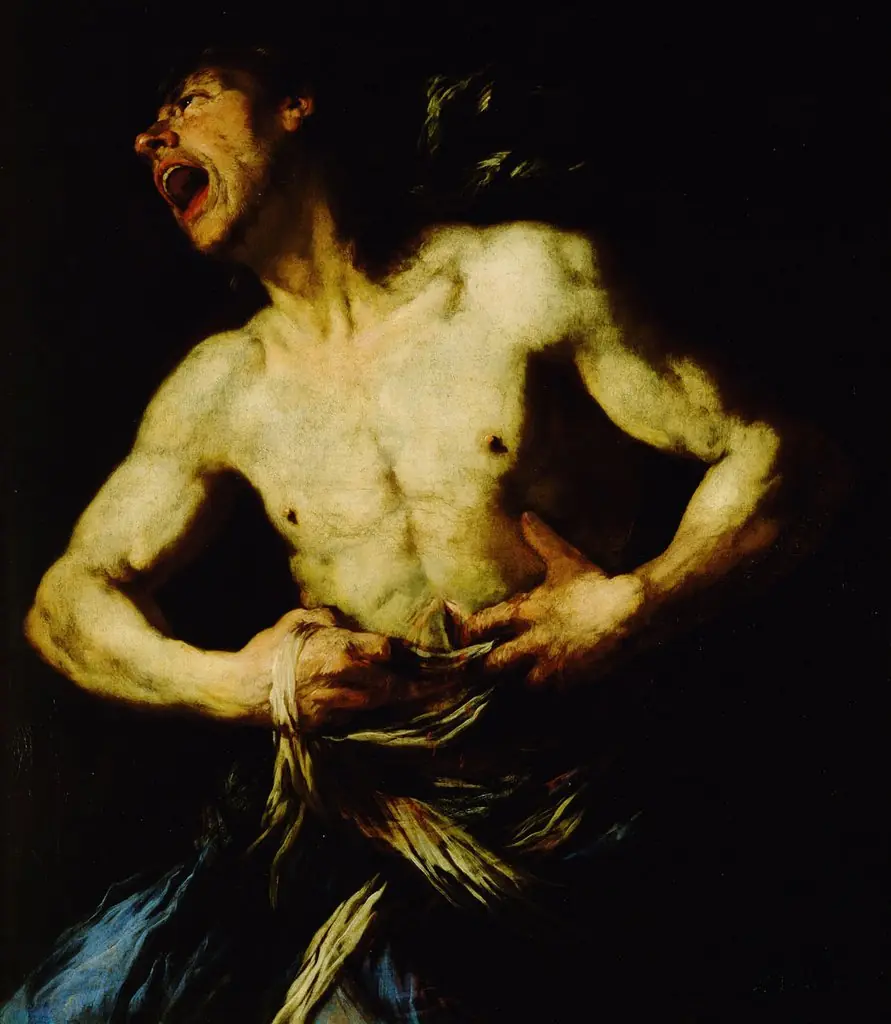
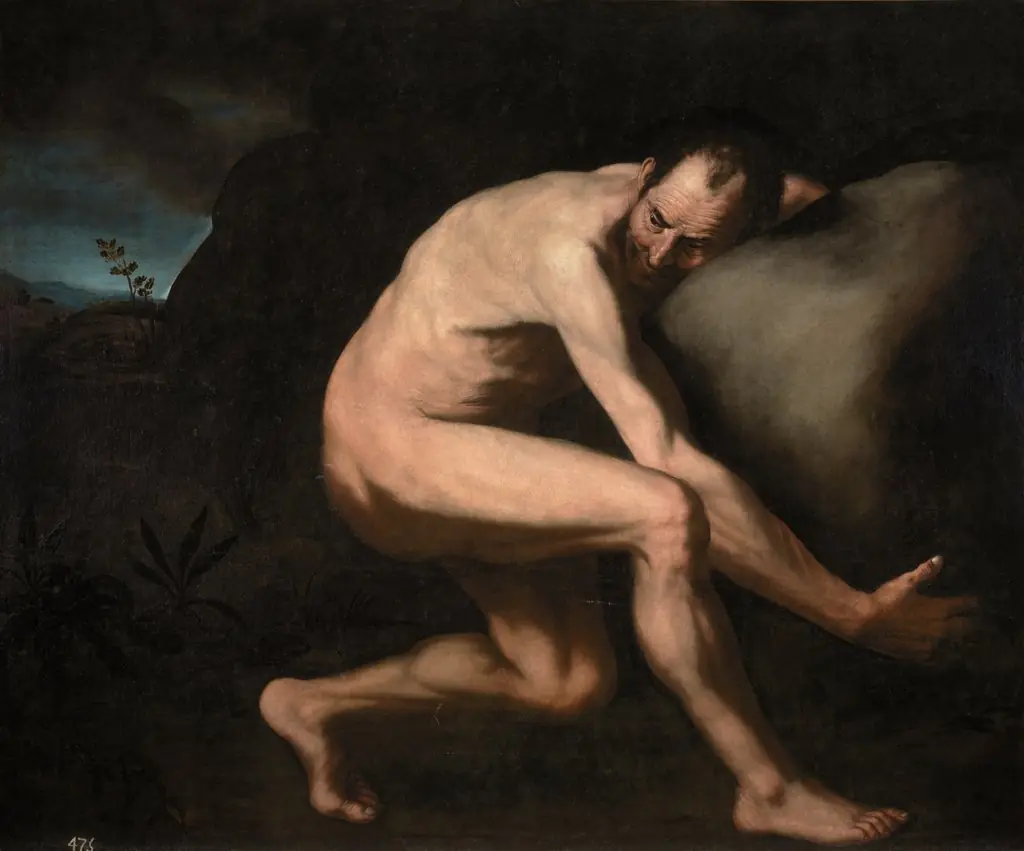
Tityus is an oil painting by the Early Baroque Italian artist Jusepe de Ribera. It dates from 1601 and is held in the collection of the Museo del Prado.
About this work
Overview
Jusepe de Ribera’s oil painting *Tityus*, executed in 1601, depicts the tormented figure of the mythic giant Tityus beneath a looming bull’s head. The composition is dominated by stark lighting that isolates the contorted body against a dark background, emphasizing the physical and emotional distress of the subject.
Subject & Meaning
The work illustrates the punishment of Tityus, a figure from Greek mythology condemned to perpetual agony as a bull devours his liver. Ribera captures the moment of relentless suffering, using the animal’s open maw as a visual metaphor for inexorable torment and the consequences of hubris.
Technique & Style
Ribera employs a pronounced chiaroscuro, juxtaposing intense illumination on the flesh with deep shadows that recede into darkness. This manipulation of light not only models the anatomy with a three‑dimensional quality but also heightens the dramatic tension characteristic of early Baroque visual language.
History & Provenance
Created during Ribera’s early period, the painting entered the Spanish royal collection before being transferred to the Museo del Prado, where it remains part of the institution’s permanent holdings. Its provenance reflects the artist’s rising reputation within the Spanish court of the early seventeenth century.
Context
*Tityus* aligns with the broader Italianate Baroque movement that influenced Spanish painters of the time, integrating dynamic composition and emotional intensity. Ribera’s approach parallels contemporaries such as Caravaggio, whose dramatic lighting and naturalistic treatment of mythological subjects shaped the visual vocabulary of the era.
Own this work as a print
Artist & collection
Artist
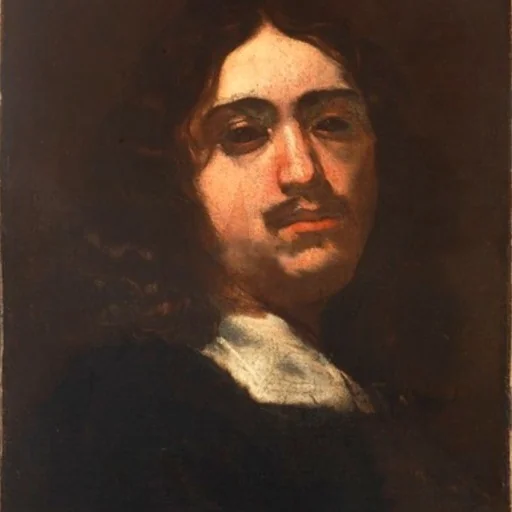
Jusepe de Ribera (Valencian: ; baptised 17 February 1591 – 3 November 1652) was a Spanish painter and printmaker.