Artwork
Veduta dell'avanzo dell'Anfiteatro Castranse
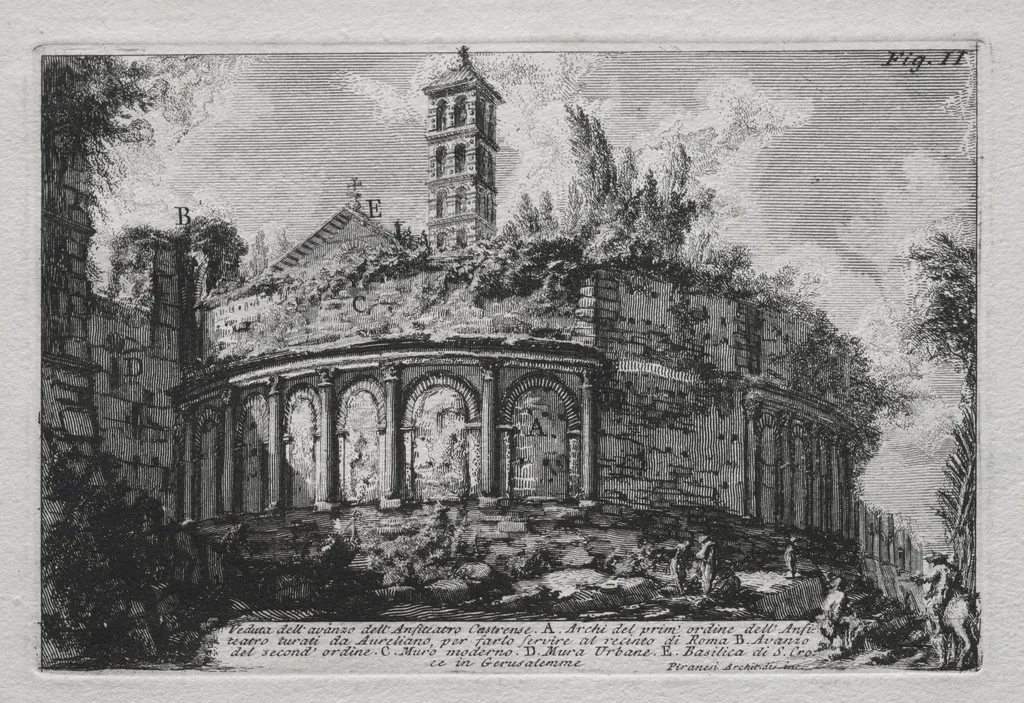
Veduta dell'avanzo dell'Anfiteatro Castranse is a print by the Romanticist artist Giovanni Battista Piranesi. It dates from 1754 and is held in the collection of the Cleveland Museum of Art.
About this work
Overview
The composition emphasizes structural remnants—arches, columns, and stairways—while figures in the foreground suggest scale and quiet human presence.
Created around 1754, this etching by Giovanni Battista Piranesi depicts the fragmented remains of an ancient amphitheater. Rendered in precise black-and-white lines, the image captures the decay of stone architecture amid overgrown vegetation. The composition emphasizes structural remnants—arches, columns, and stairways—while figures in the foreground suggest scale and quiet human presence. The work belongs to a series documenting Rome’s antiquities, reflecting Piranesi’s interest in archaeological record.
Subject & Meaning
The print focuses on the ruins of the Castranse Amphitheater, a structure now largely lost to time. Piranesi labels architectural elements such as 'Arches of the first order' and 'Basilica of S. Croce,' indicating an intent to catalog rather than idealize. These annotations transform the image into a scholarly record, positioning the ruins not as mere scenery but as evidence of lost civilization. The quiet human figures reinforce the passage of time and the contrast between past grandeur and present neglect.
Technique & Style
Piranesi employed etching to achieve fine, controlled lines that define texture and depth. The contrast between dark shadows and bright stone surfaces enhances the sense of volume and decay. His meticulous attention to architectural detail—crumbling masonry, uneven steps, and weathered arches—reveals a draftsperson’s precision. The composition is neither romanticized nor dramatized; instead, it favors clarity and spatial accuracy, aligning with Enlightenment-era values of observation and documentation.
History & Provenance
The print was produced during Piranesi’s early years in Rome, when he began systematically recording ancient monuments. It entered the collection of The Cleveland Museum of Art through established acquisition channels, likely as part of a broader group of his vedute. While the exact provenance prior to the 20th century is not fully documented, its inclusion in major collections attests to its enduring value as a historical record of Roman antiquities.
Context
In mid-18th century Rome, interest in classical ruins surged among scholars, travelers, and artists. Piranesi’s work emerged within this climate, responding to both antiquarian curiosity and the rise of archaeological study. Unlike painters who idealized ruins, he focused on their physical state, often including inscriptions and measurements. His prints served as references for architects and historians, bridging artistic practice and scholarly inquiry during a period of renewed engagement with antiquity.
Legacy
Piranesi’s etchings of ruins influenced generations of architects and artists, shaping how antiquity was visually understood. This particular print exemplifies his method of combining documentary precision with compositional discipline. Though the Castranse Amphitheater itself has faded from memory, the image preserves its form with enduring clarity. Today, such works remain vital resources for archaeologists and historians studying the material culture of ancient Rome.
Artist & collection
Artist
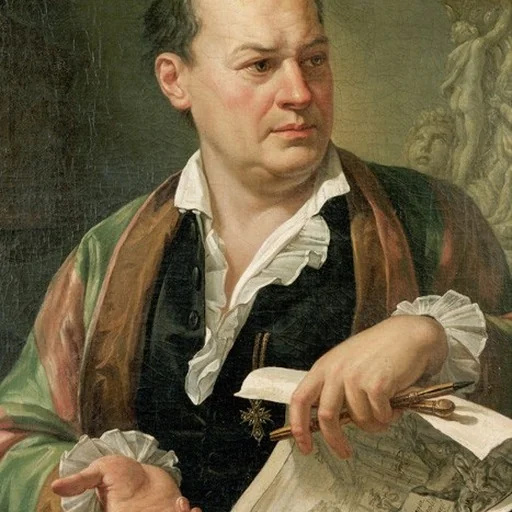
Giovanni Battista (or Giambattista) Piranesi (Italian pronunciation: ; also known as simply Piranesi; 4 October 1720 – 9 November 1778) was an Italian classical archaeologist, architect, and artist, famous for his…

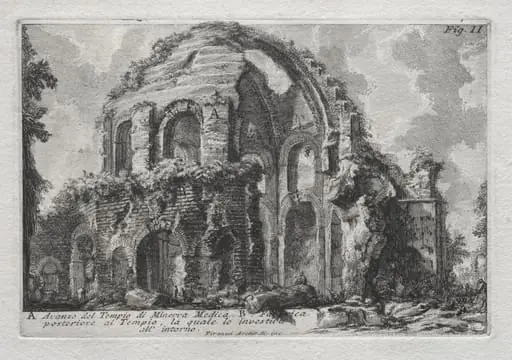 Avanzo del Tempio di Minerva Medica
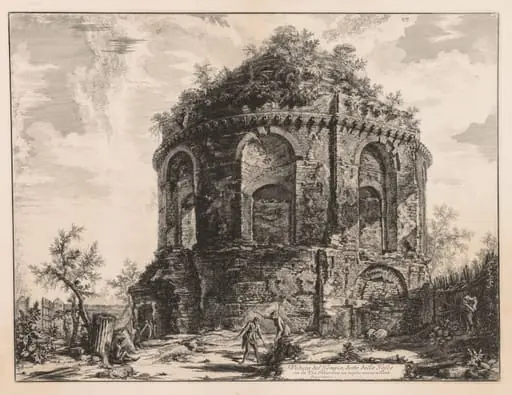 Views of Rome: The So-called Tempio della Tosse, near Tivoli
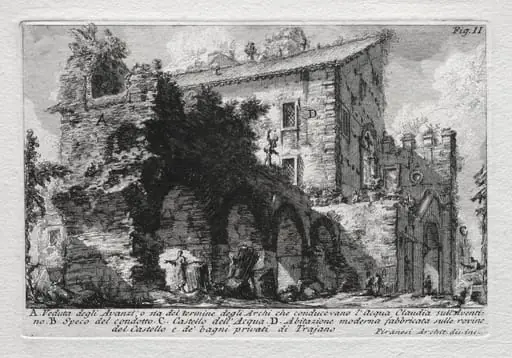 Veduta degli Avanzi, o sia del termine degli Archi che conducevano l'Acqua Giulia
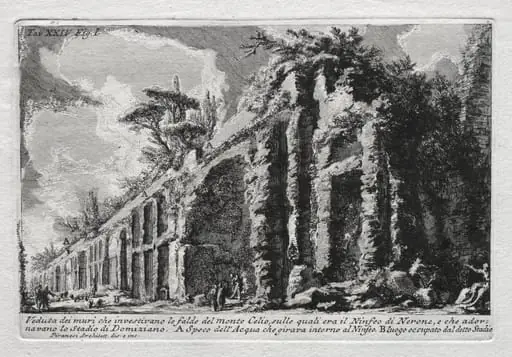 Veduta dei muri che investivano le falde del Monte Celio
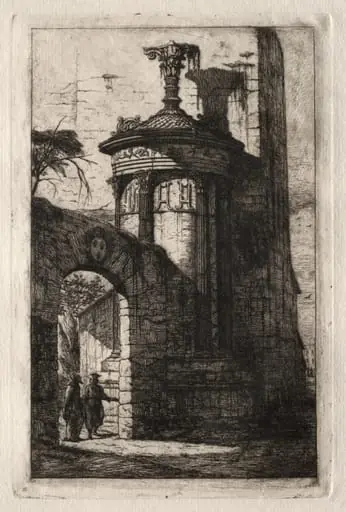 Entrance to the French Capuchin Convent at Athens
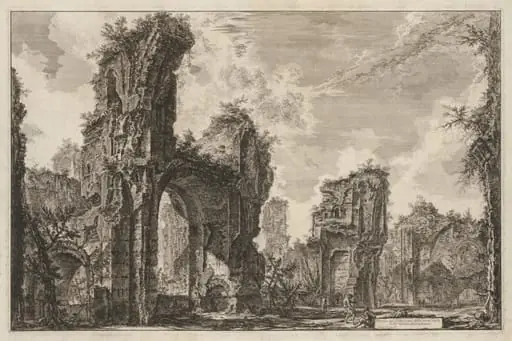 Views of Rome: Rovine del Sisto o sia della gran sala delle Terme Antoniniane
 Foro di Augusto
 Veue des ruines d'une Tour qu'on dit avoir ete batie par les Romains
 Landscape with Classical Ruins
 View in the Garden of a Roman Villa, with the Temple of Hercules Victor and the Temple of Portunus
 Veduta dell'Arco di Gallieno
 Avanco del Tempio della Concordia