Artwork
A Capriccio of Roman Ruins
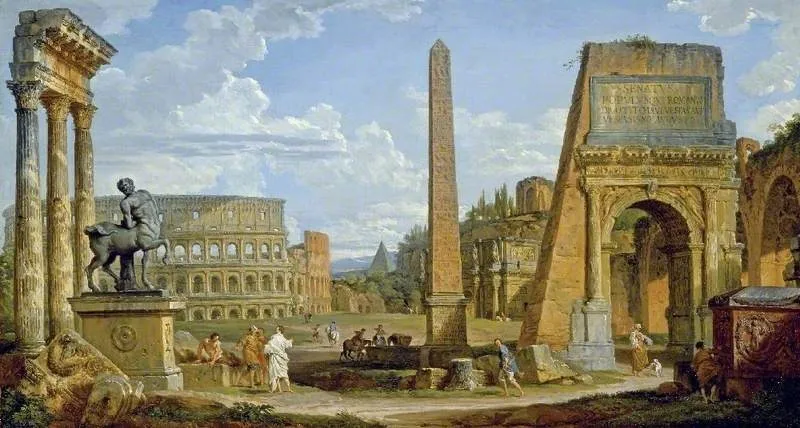
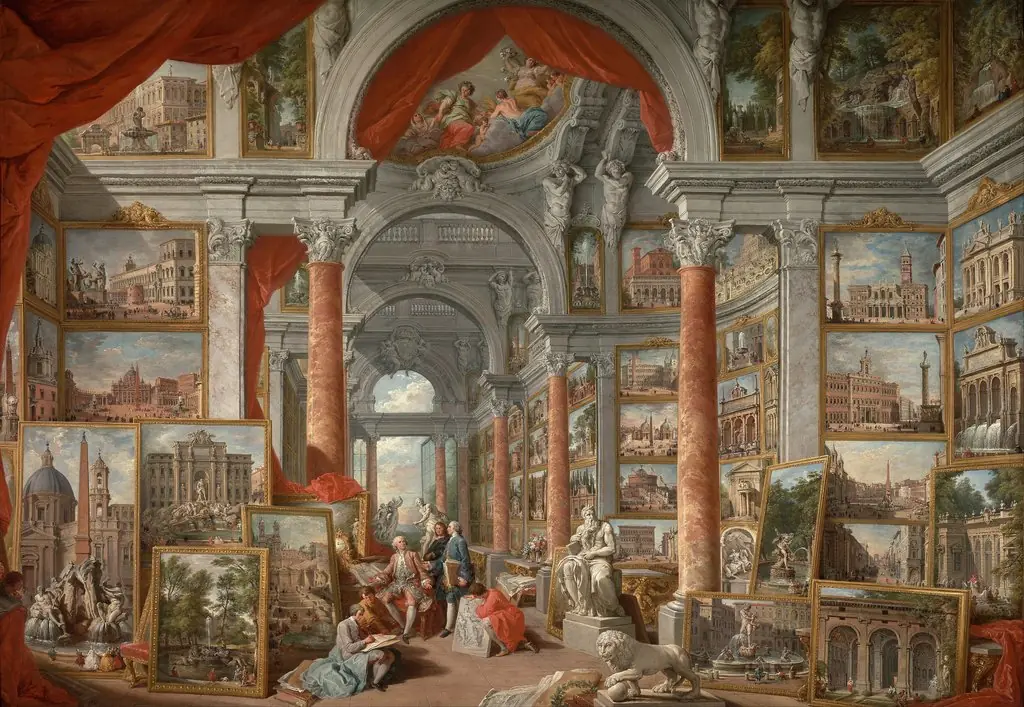
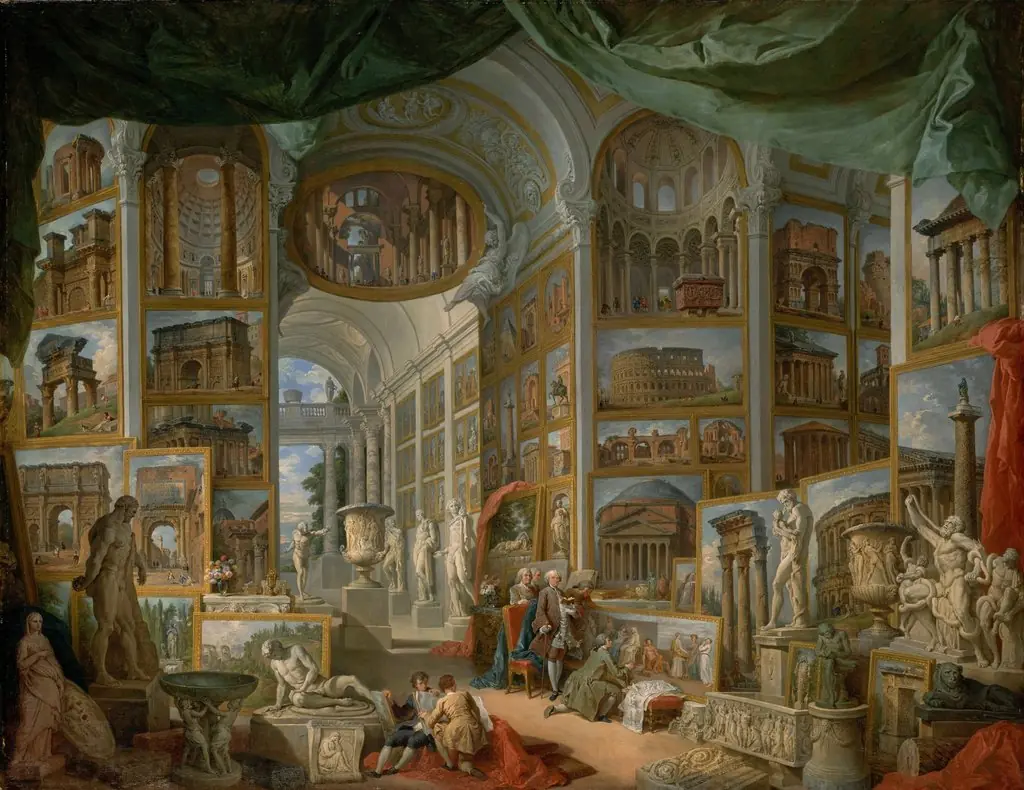
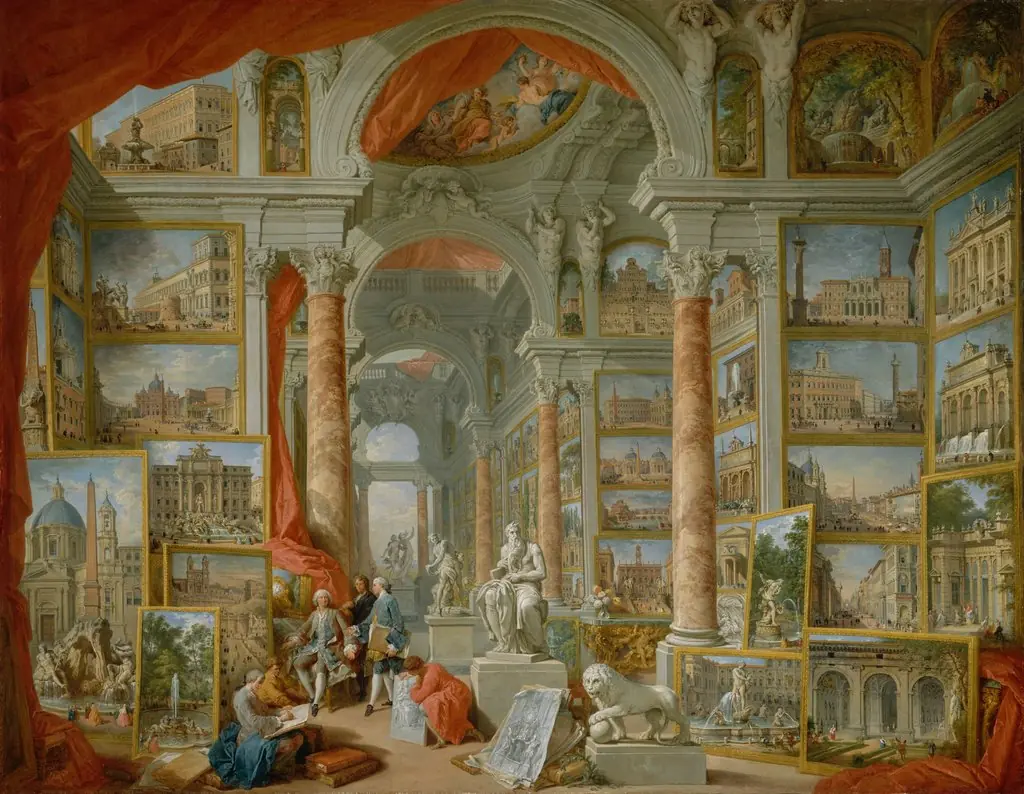
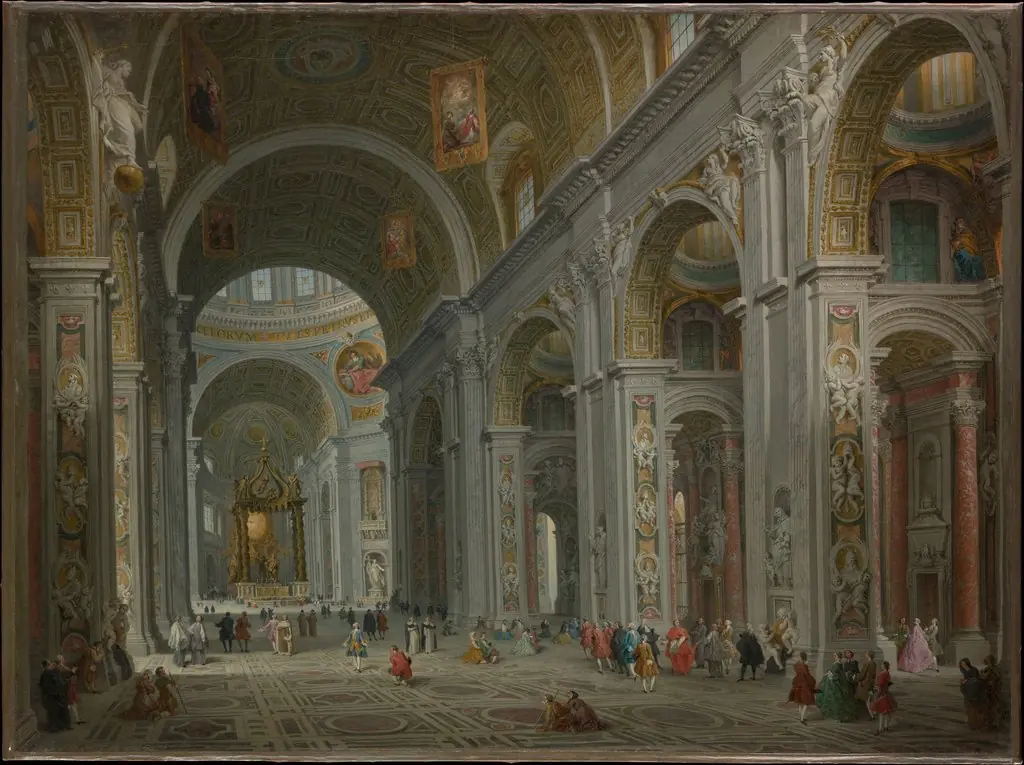
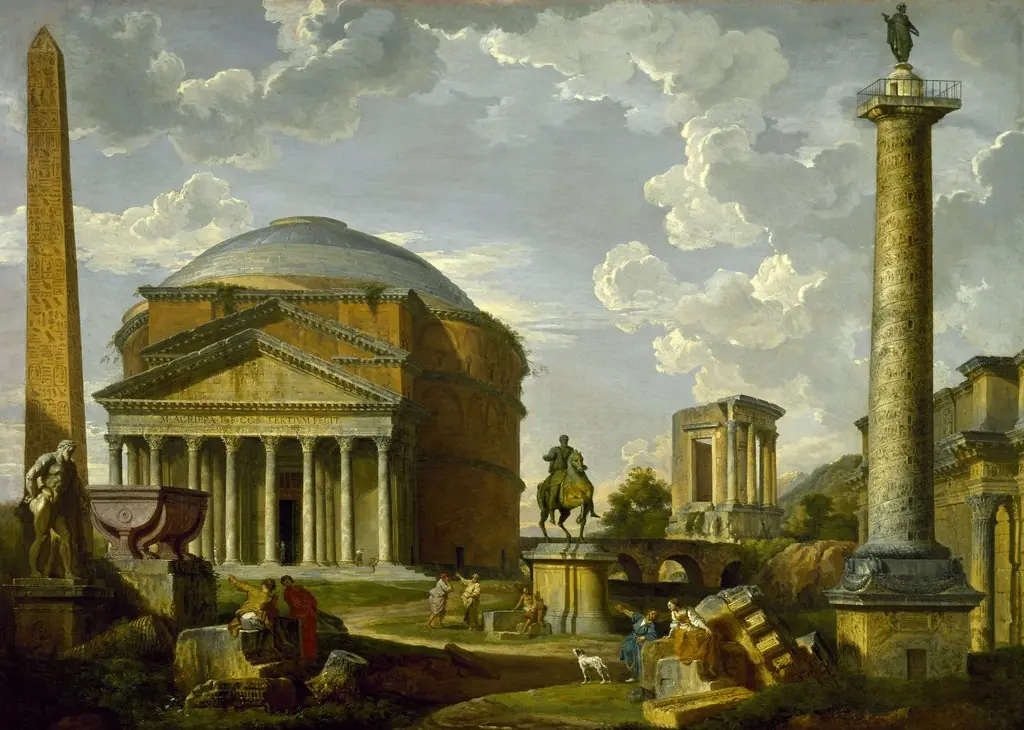
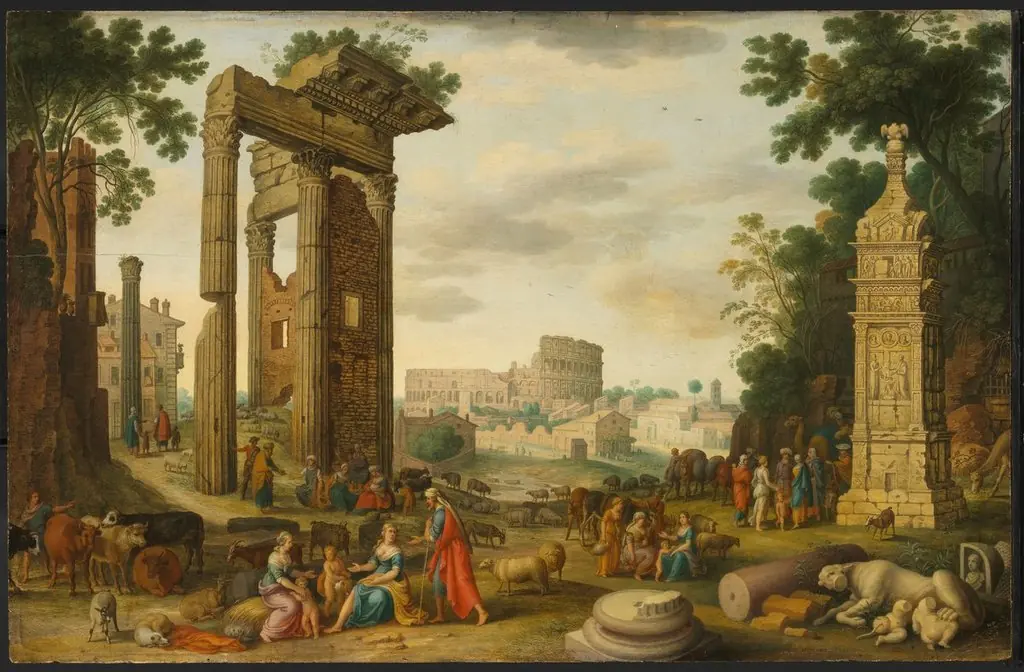
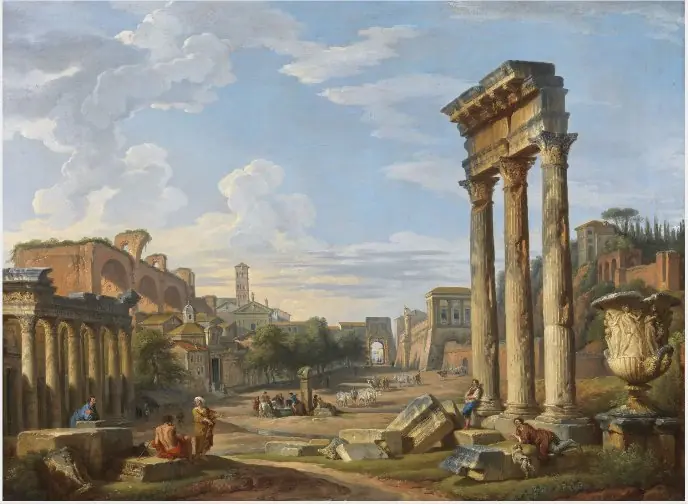
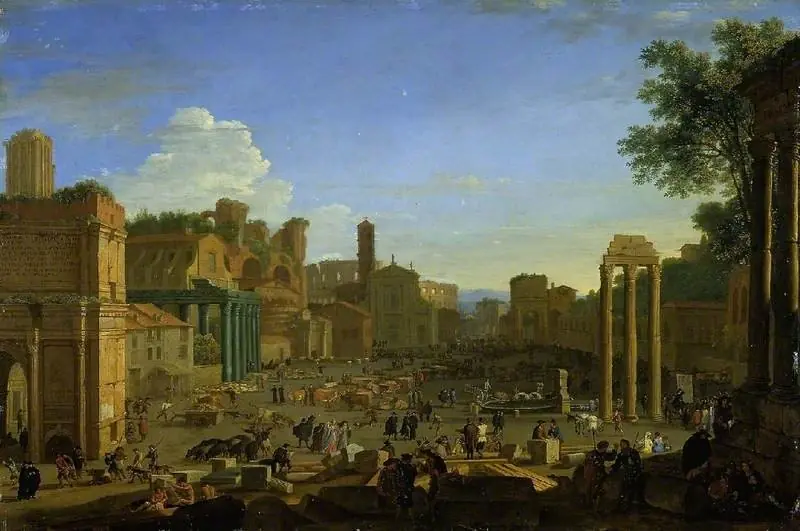
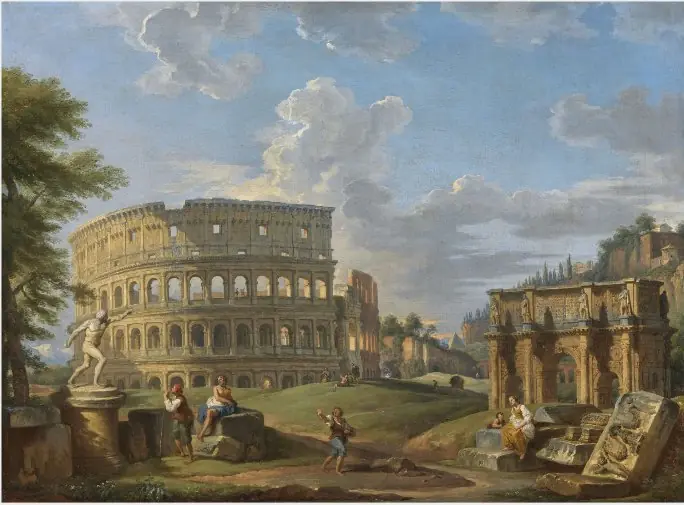
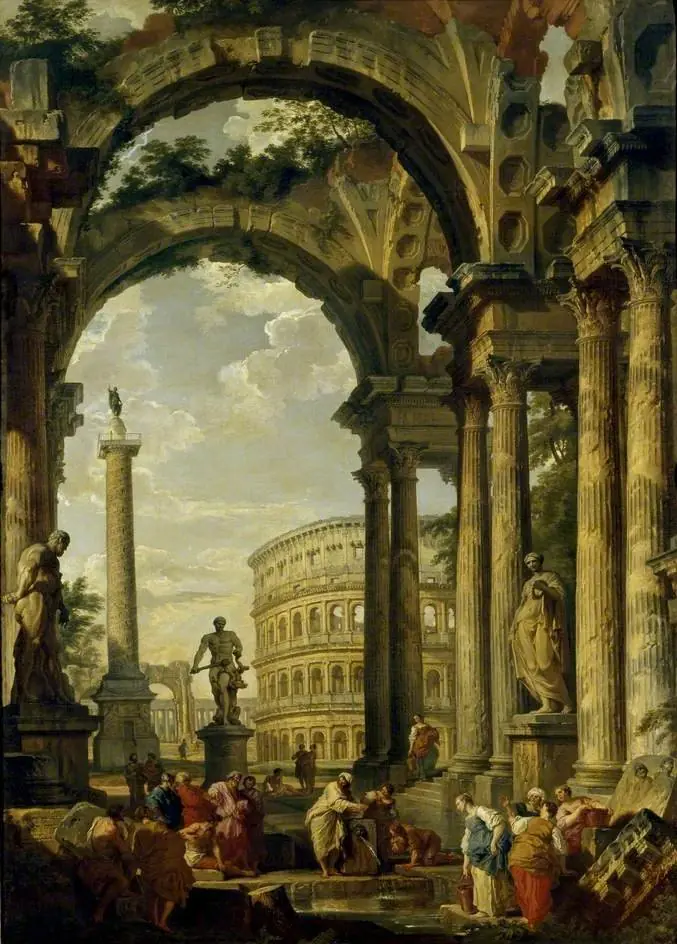
A Capriccio of Roman Ruins is an oil painting by the Rococo painting artist Giovanni Paolo Panini. It dates from 1737 and is held in the collection of the Fitzwilliam Museum.
About this work
Overview
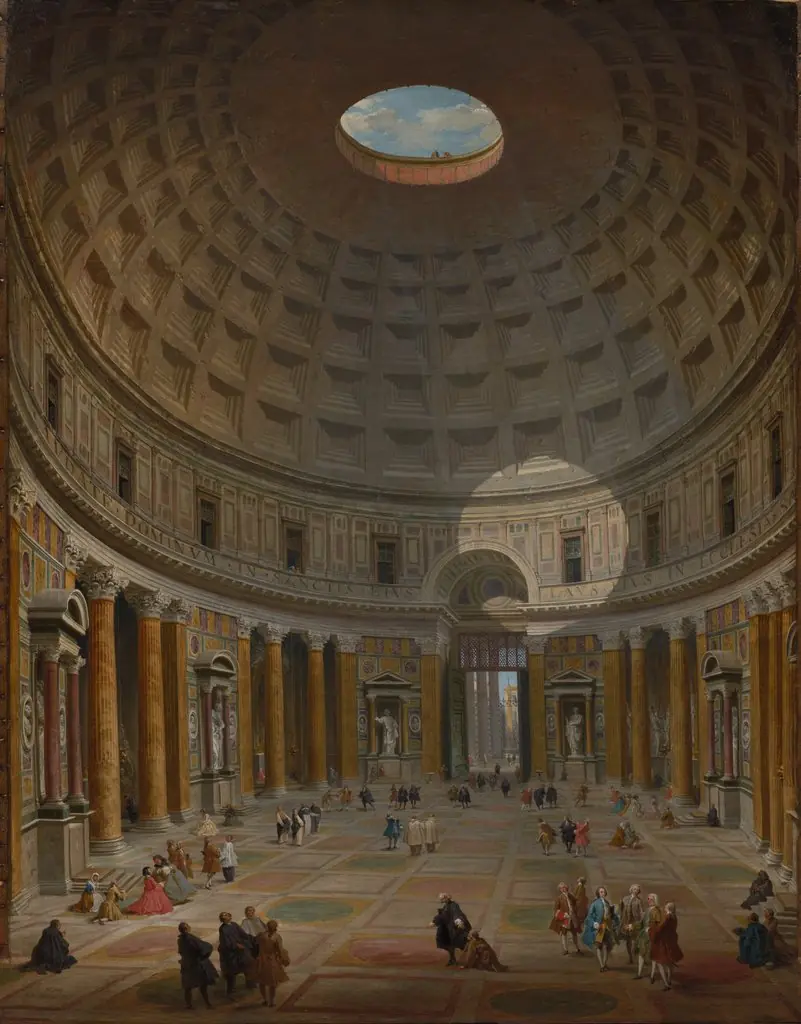
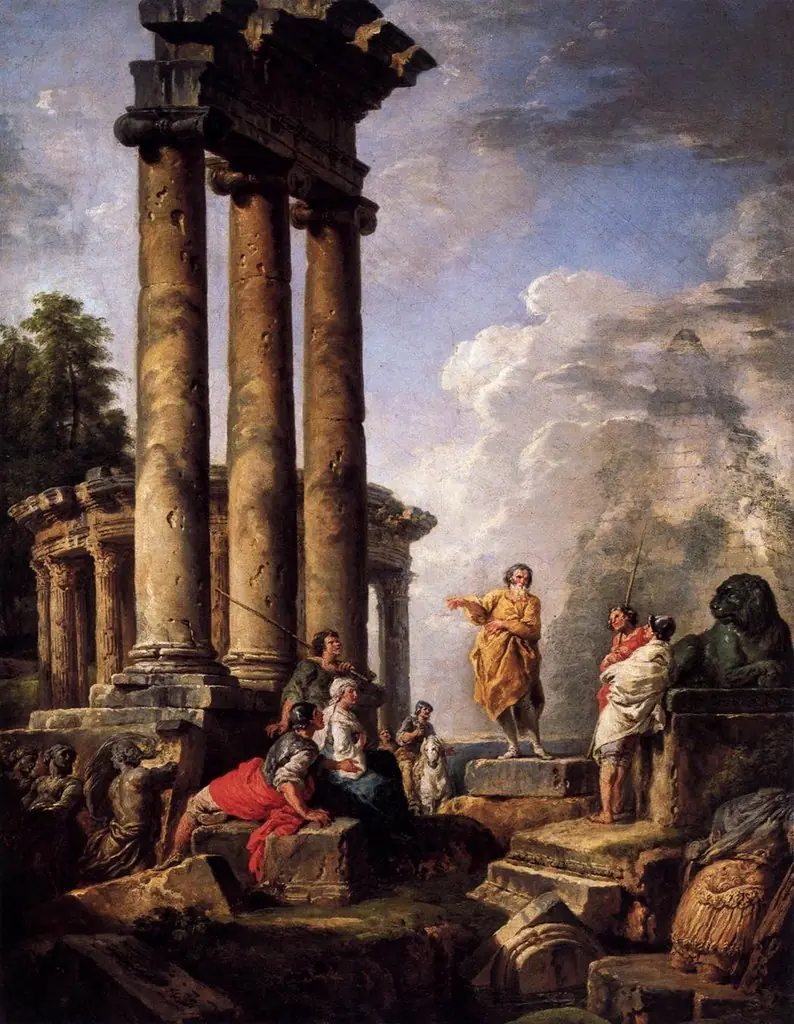
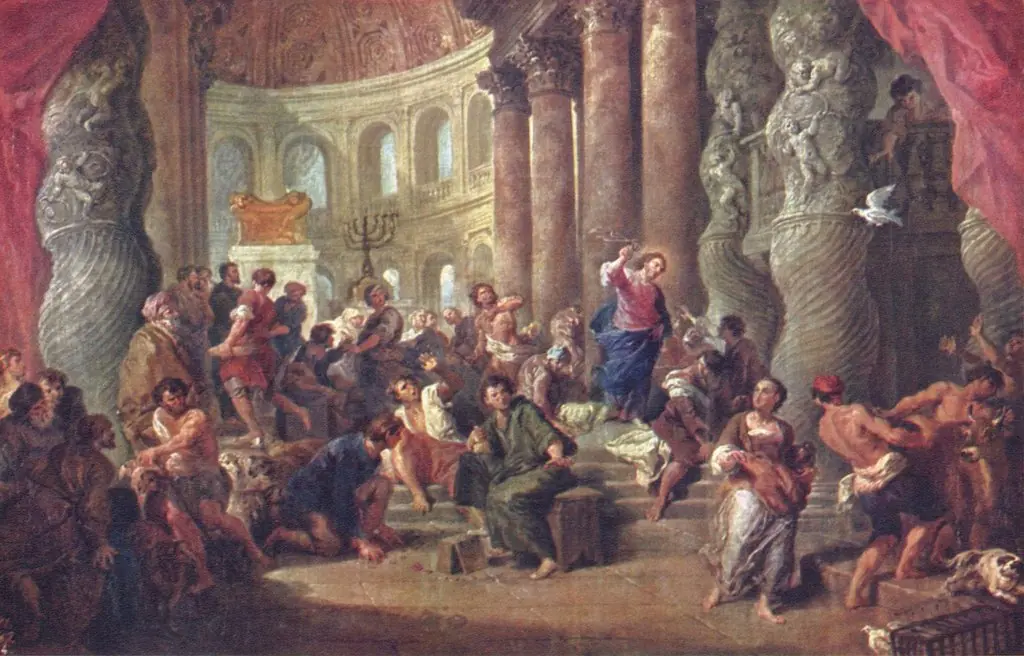
Giovanni Paolo Panini painted *A Capriccio of Roman Ruins* in 1737 with oil on canvas. The composition gathers several iconic Roman monuments into a single, imagined vista, typical of Panini’s imaginative cityscapes. The work is part of the Fitzwilliam Museum’s collection and exemplifies the decorative sensibility of the late Rococo period.
Subject & Meaning
The canvas presents a fanciful assembly of ancient structures, including the Colosseum, the Pantheon, a towering obelisk and a grand arch. Figures in period dress stroll among the ruins, accompanied by horses and dogs, suggesting a leisurely, almost theatrical encounter with Rome’s past.
Technique & Style
Panini employs a precise, almost architectural draftsmanship, rendering intricate carvings and sculptural details with fine brushwork. The palette favors muted earth tones—browns, ochres and tans—punctuated by clear blues and whites in the sky, creating a balanced, atmospheric perspective.
History & Provenance
Created toward the end of Panini’s career, the painting reflects his reputation as a leading vedutista. It entered the Fitzwilliam Museum’s holdings in the 19th century, where it has remained on public display.
Context
During the Rococo era, capriccio paintings allowed artists to blend factual architecture with imaginative composition. Panini’s work aligns with this trend, offering a romanticized vision of Rome that appealed to Grand Tour travelers and collectors fascinated by antiquity.
Artist & collection
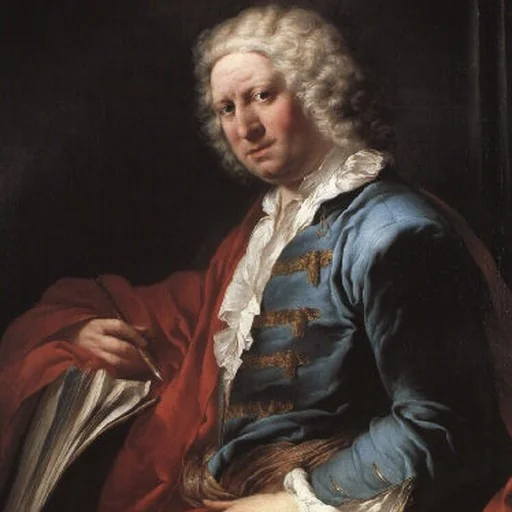
Artist
Giovanni Paolo, also known as Gian Paolo Panini or Pannini (17 June 1691 – 21 October 1765), was an Italian Baroque painter and architect who worked in Rome and is primarily known as one of the vedutisti ("view painters").