Artwork
Roman Capriccio
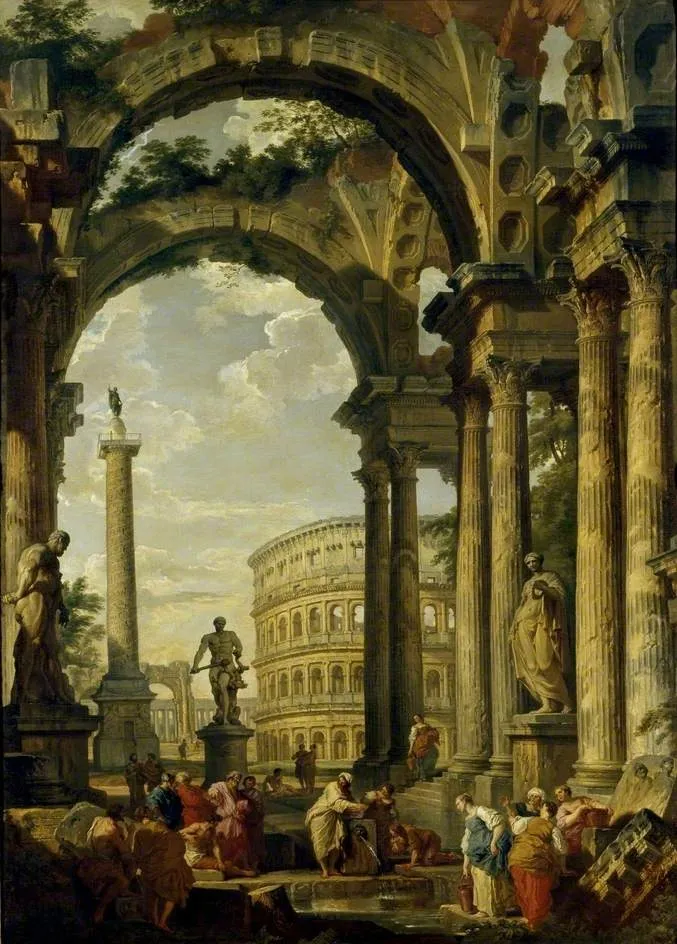
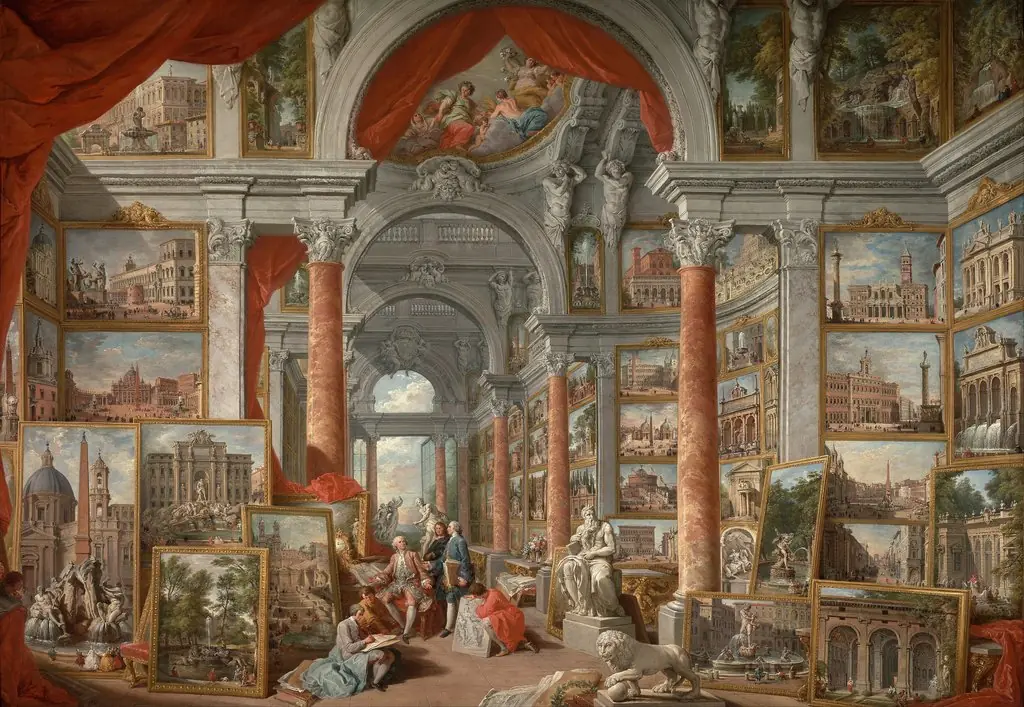
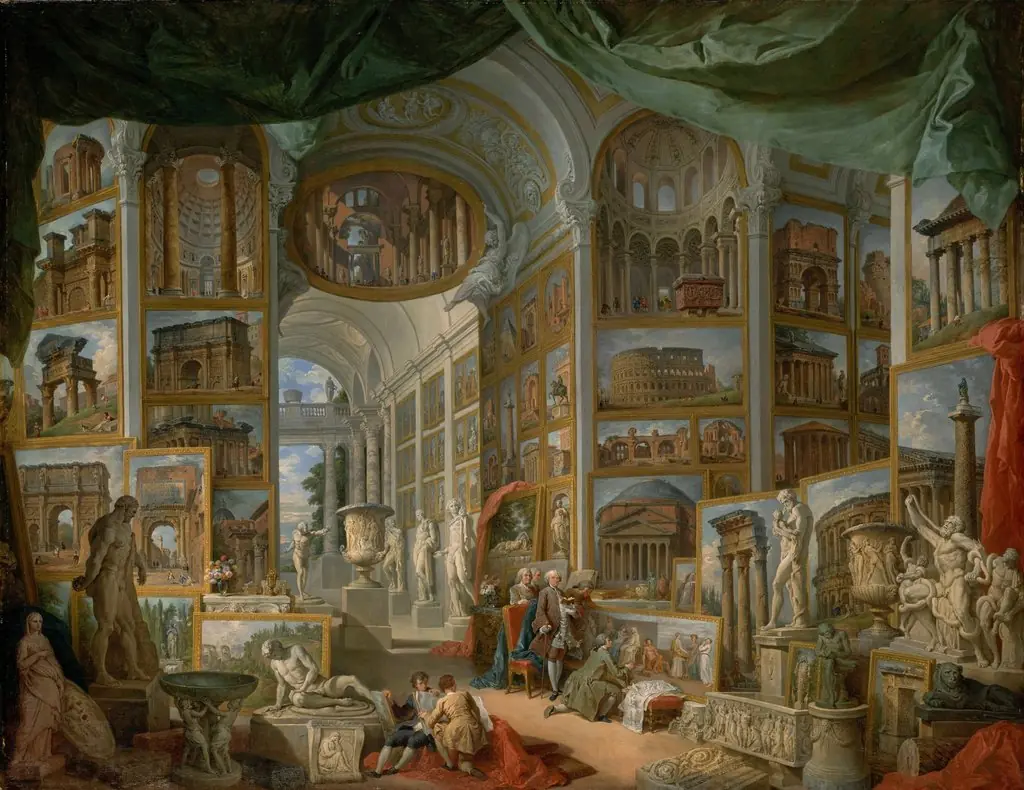
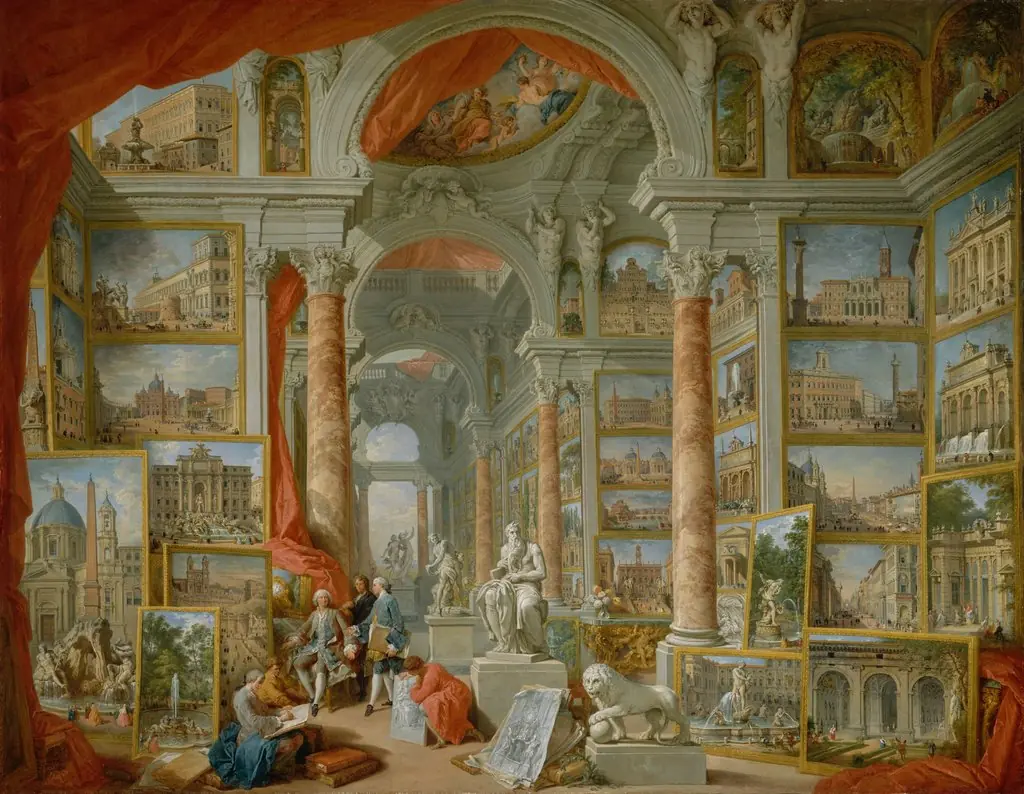
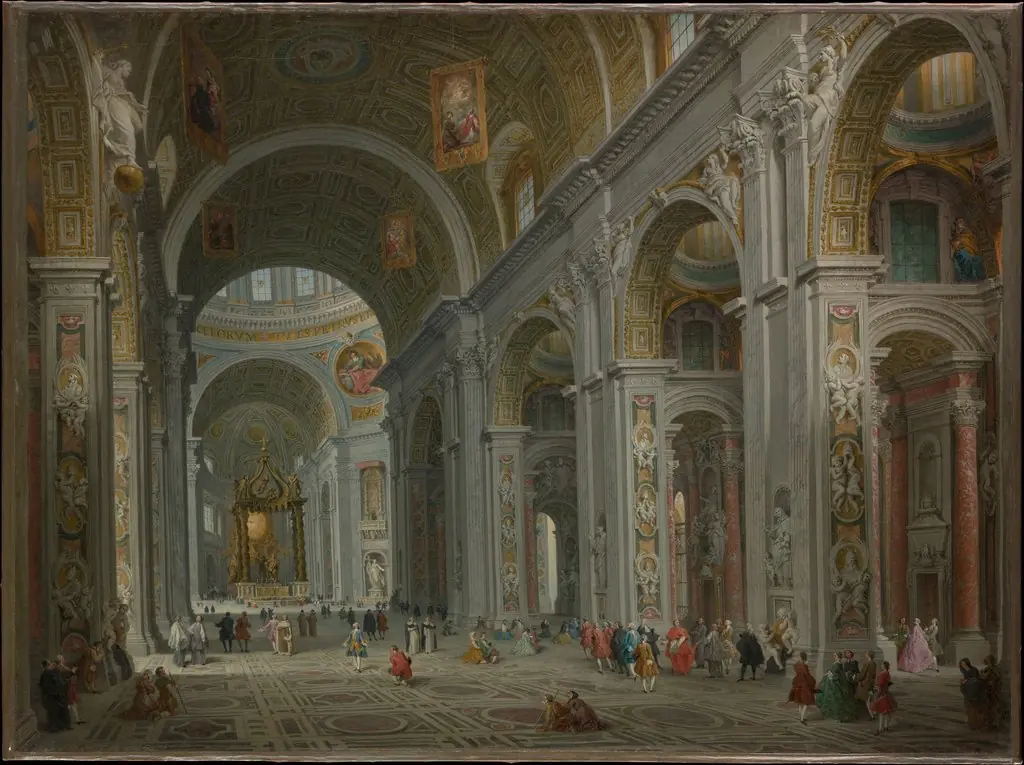
Roman Capriccio is an oil painting by the Rococo painting artist Giovanni Paolo Panini. It dates from 1740 and is held in the collection of the Ashmolean Museum.
About this work
Overview
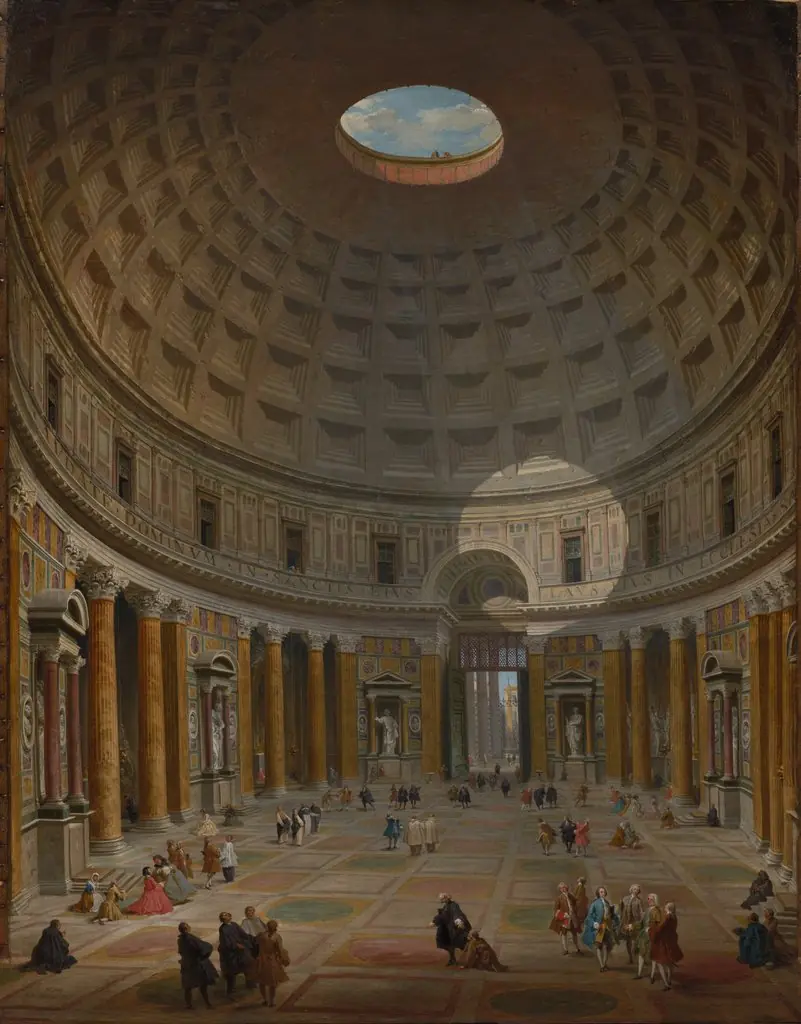
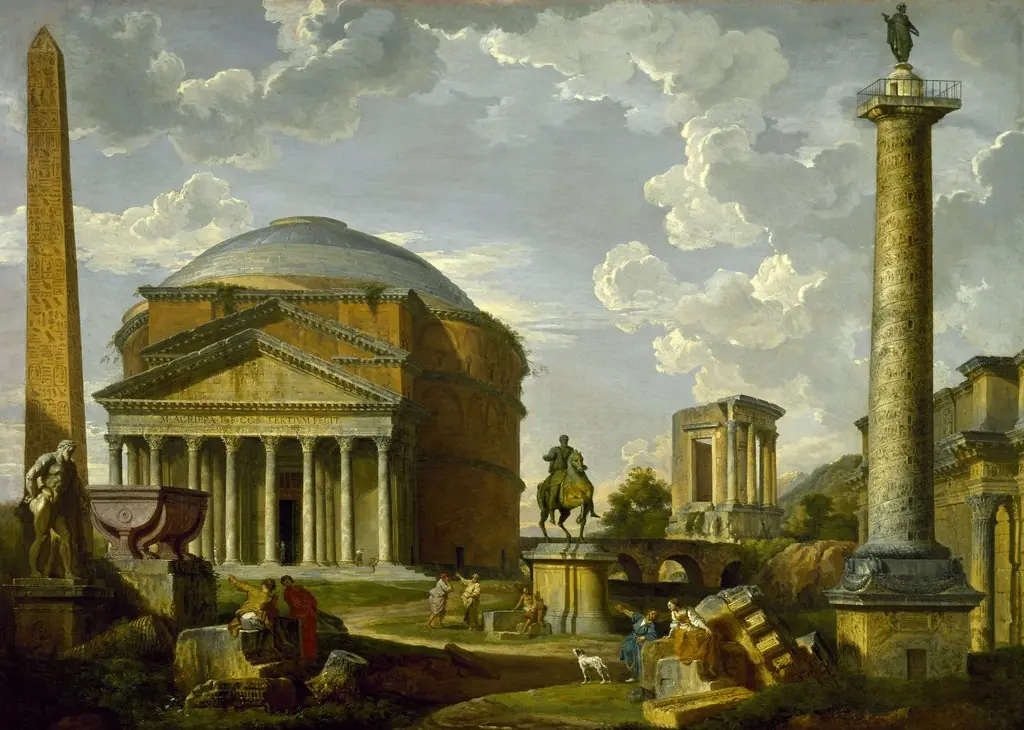
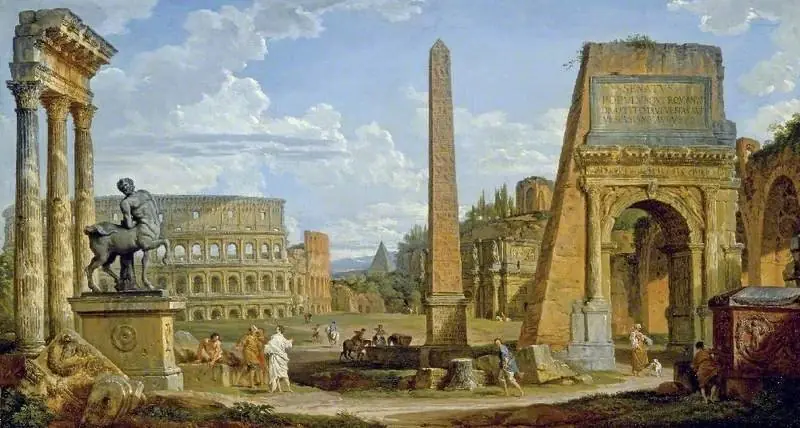
Painted in 1740 by Giovanni Paolo Panini, *Roman Capriccio* is an oil-on-canvas work that merges real Roman monuments with imaginative architectural elements.
Painted in 1740 by Giovanni Paolo Panini, *Roman Capriccio* is an oil-on-canvas work that merges real Roman monuments with imaginative architectural elements. Panini, known for his detailed vedute, constructed this scene not as a topographical record but as a poetic arrangement of antiquities. The painting reflects the Rococo era’s fascination with classical forms, reimagined through a lens of fantasy rather than strict accuracy.
Subject & Meaning
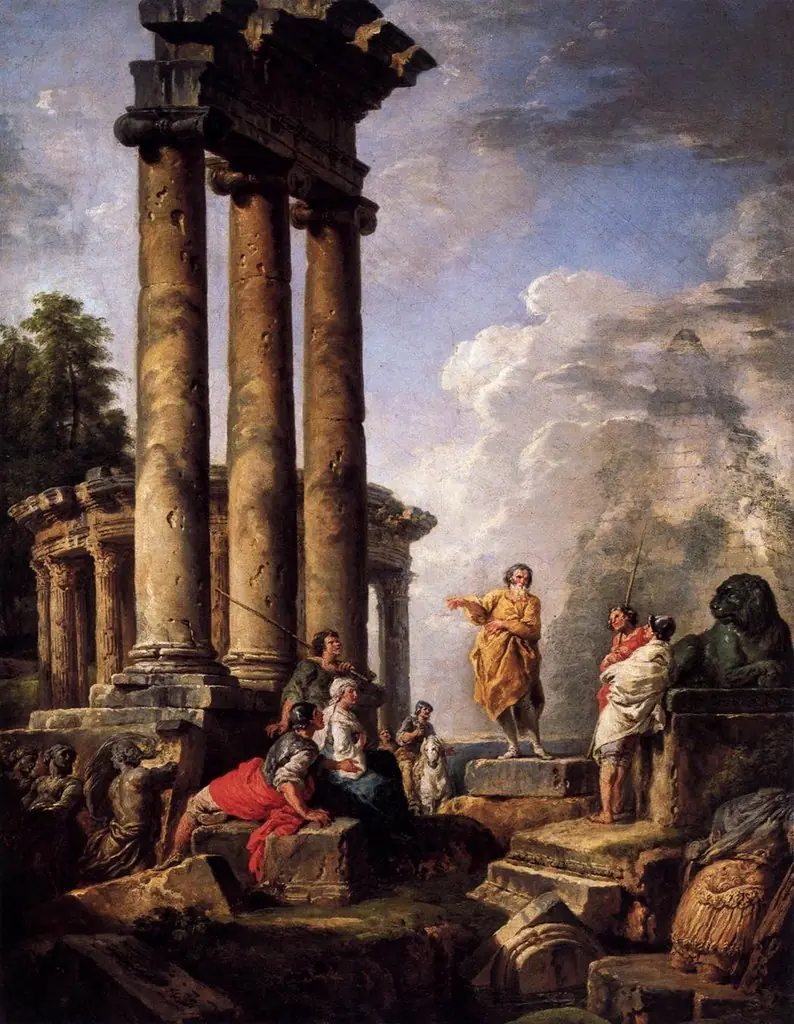
The scene presents a fictionalized Roman landscape where the Colosseum, an obelisk, and a monumental arch coexist in a single vista. Figures in classical garb move through the space, suggesting ritual or leisure, but their presence serves more to scale the architecture than to tell a narrative. The composition invites contemplation of Rome’s layered past, blending decay and grandeur without overt moralizing.
Technique & Style
Panini employed a restrained palette of earth tones to unify the ruins, contrasting subtly with the brighter hues of the figures’ garments. Atmospheric perspective softens distant elements, while precise rendering of stone textures grounds the fantasy in visual plausibility. The brushwork is controlled, favoring clarity over drama, aligning with the Rococo preference for refined elegance over Baroque intensity.
History & Provenance
Created during Panini’s mature period in Rome, the painting reflects his established reputation among Grand Tour travelers seeking idealized souvenirs of antiquity. It entered the Ashmolean Museum’s collection in the 19th century, likely through academic or aristocratic channels. Its survival in good condition underscores its early recognition as a representative example of 18th-century Italian veduta painting.
Context
In mid-18th-century Rome, interest in ancient ruins surged among European elites. Panini’s capricci responded to this demand by offering curated, harmonious visions of the past—neither archaeological nor purely decorative, but emotionally resonant. His works bridged scholarly curiosity and aesthetic pleasure, positioning Rome as a timeless cultural ideal rather than a physical place.
Legacy
Panini’s capricci influenced later artists who blended real and imaginary architecture, from 19th-century Romantic painters to modern set designers. While not revolutionary in technique, his method of reassembling ruins into coherent, evocative spaces became a template for how antiquity was visually interpreted beyond scholarly texts. His work remains a key reference in studies of cultural memory in art.
Artist & collection
Artist
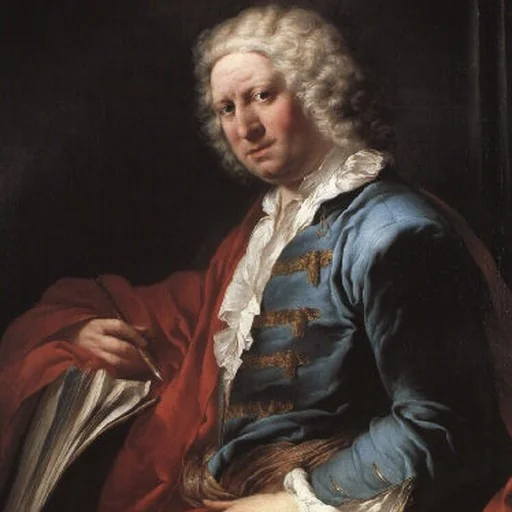
Giovanni Paolo, also known as Gian Paolo Panini or Pannini (17 June 1691 – 21 October 1765), was an Italian Baroque painter and architect who worked in Rome and is primarily known as one of the vedutisti ("view painters").