Artwork
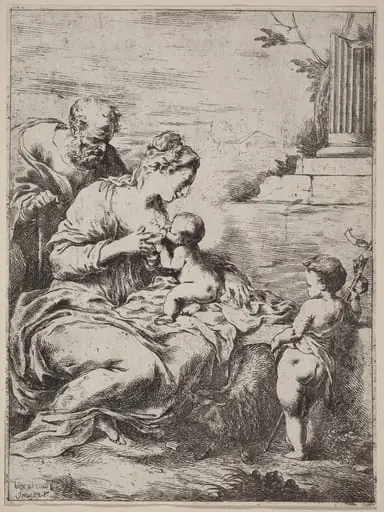
Holy Family with the Infant St. John
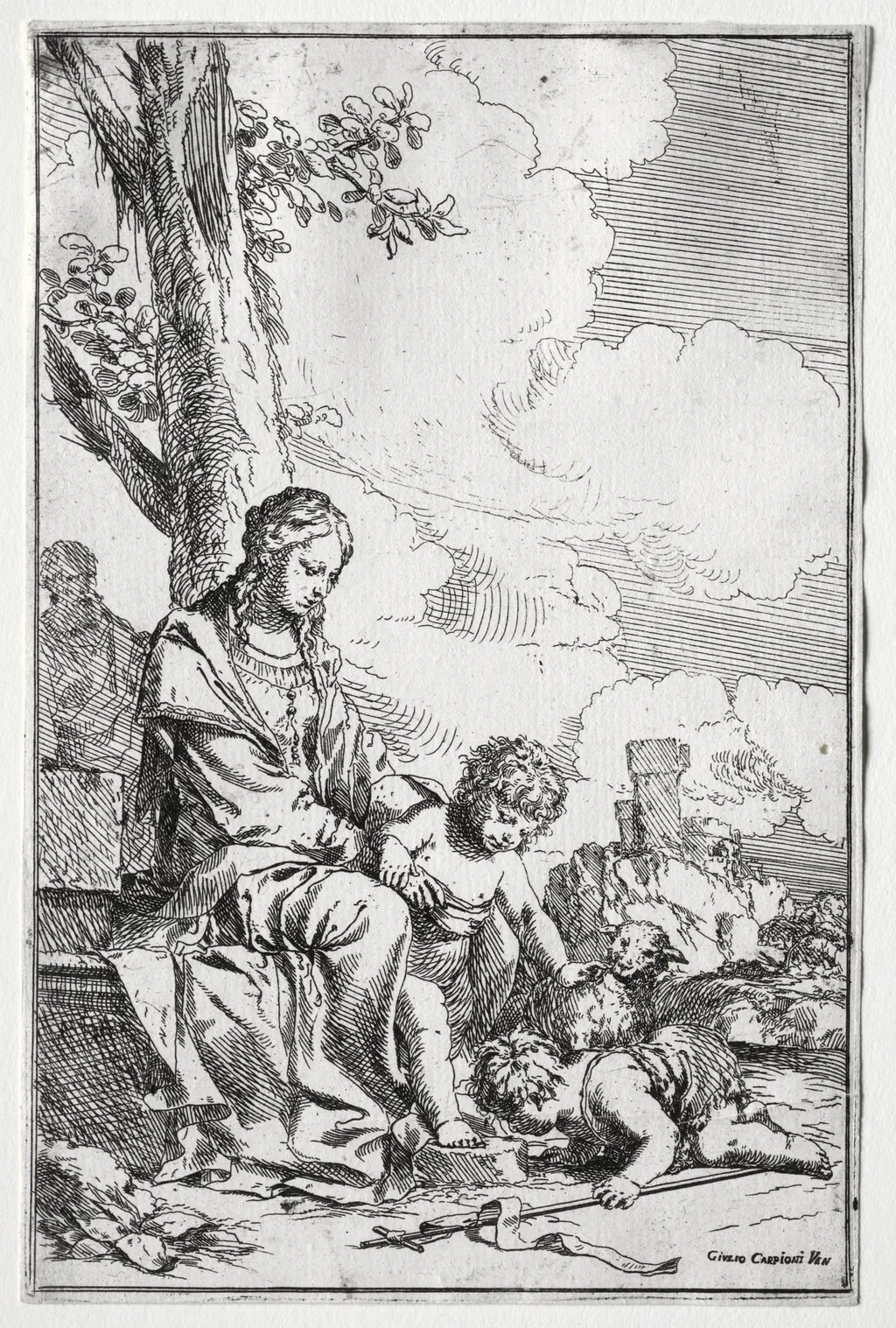
Holy Family with the Infant St. John is a print by the Baroque artist Giulio I Carpioni. It dates from 1650 and is held in the collection of the Cleveland Museum of Art.
About this work
Overview
The composition centers on the Virgin Mary seated on a natural rock, cradling the Christ child, while John, nearby, observes with quiet curiosity.
Created around 1650 by Giulio I Carpioni, this print depicts a quiet moment involving the Holy Family and the infant John the Baptist. The composition centers on the Virgin Mary seated on a natural rock, cradling the Christ child, while John, nearby, observes with quiet curiosity. The scene unfolds outdoors under a soft, overcast sky, framed by a single tree. The work reflects Carpioni’s interest in intimate religious narratives, rendered with restrained emotion and delicate detail.
Subject & Meaning
The painting portrays a tender, non-narrative encounter between sacred figures, emphasizing familial tenderness over doctrinal symbolism. Mary’s calm demeanor and the children’s gentle interaction suggest spiritual harmony. John’s presence, though not engaged in action, alludes to his future role as precursor to Christ. The absence of dramatic gestures or celestial elements shifts focus to human vulnerability and quiet devotion, characteristic of post-Tridentine devotional imagery.
Technique & Style
Carpioni employs soft, blended lines to render the figures, creating a sense of warmth and tactility. The background is painted with looser brushwork, allowing the sky and foliage to recede subtly, enhancing spatial depth. Contrasts in detail—precise faces against atmospheric surroundings—guide the viewer’s attention without overt manipulation. The palette remains muted, favoring earth tones and pale hues that reinforce the scene’s serenity and avoid theatricality.
History & Provenance
The work entered the collection of The Cleveland Museum of Art in the 20th century, though its earlier ownership history remains largely undocumented. As a print, it may have been one of several reproductive versions circulating in northern Italian workshops during the mid-17th century. Its preservation suggests it was valued for devotional use rather than as a display piece, aligning with modest ecclesiastical or private collections of the period.
Context
Produced during the height of the Baroque era, the painting diverges from the movement’s typical dynamism and emotional intensity. Instead, it aligns with quieter regional traditions in Lombardy and Veneto, where artists favored contemplative compositions for domestic devotion. Carpioni’s approach reflects a broader trend among Catholic artists to emphasize accessibility and emotional restraint following the Council of Trent’s guidelines on sacred imagery.
Legacy
Though not widely known outside regional collections, Carpioni’s work contributed to a sustained interest in intimate religious scenes among northern Italian collectors. His blending of naturalism with spiritual calm influenced later artists seeking alternatives to high Baroque spectacle. The Cleveland Museum’s holding preserves an example of this understated devotional mode, offering insight into how faith was visually mediated in everyday contexts.
Artist & collection

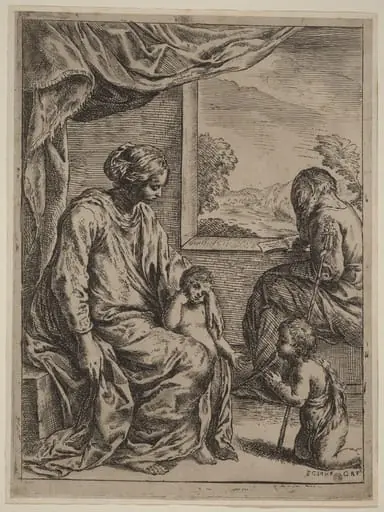 The Holy Family with Saint John the Baptist
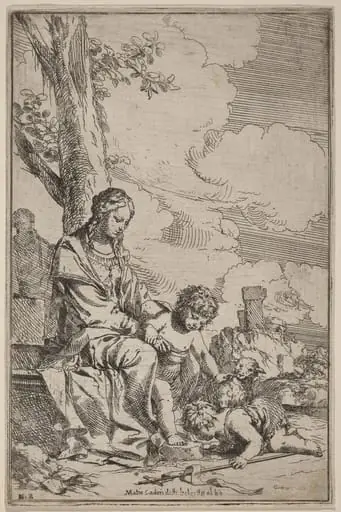 The Virgin and Child with Saint John the Baptist
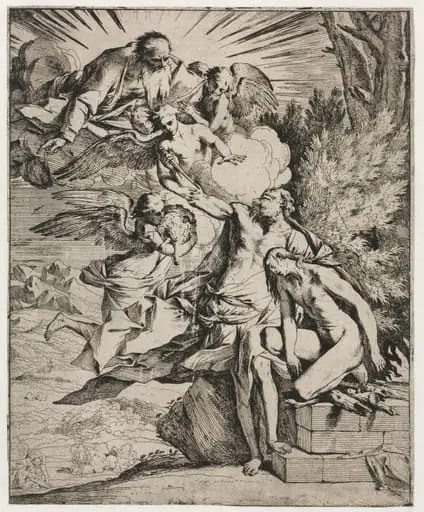 The Sacrifice of Abraham
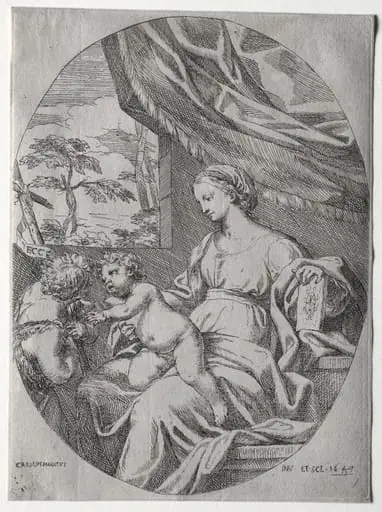 Virgin and Child with the Infant St. John
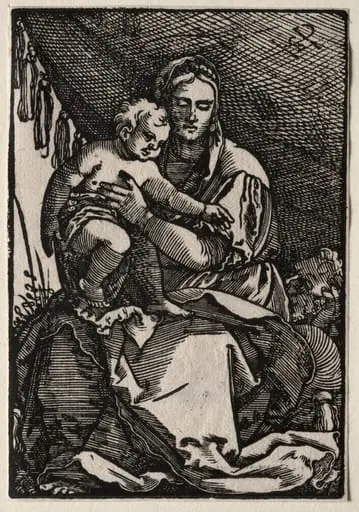 The Holy Family under a Tent
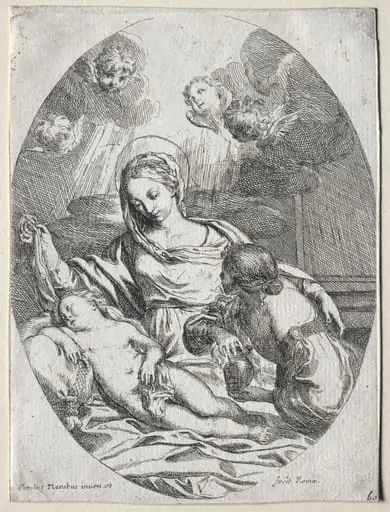 Madonna and Child with the Magdalen
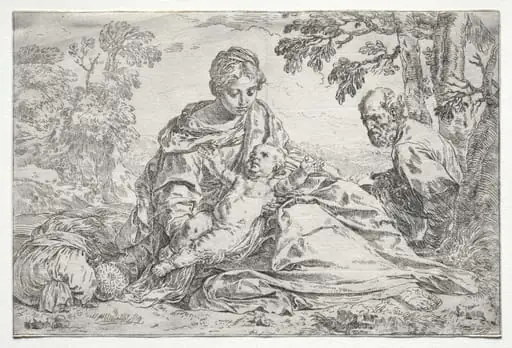 Rest on the Flight into Egypt
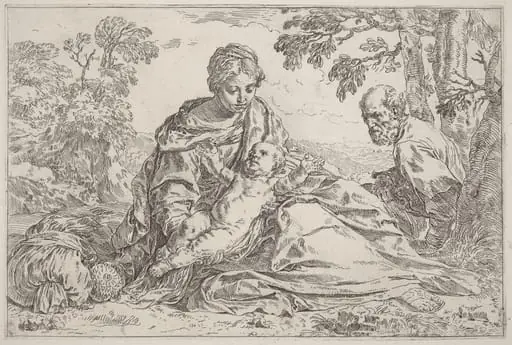 The Rest on the Flight into Egypt
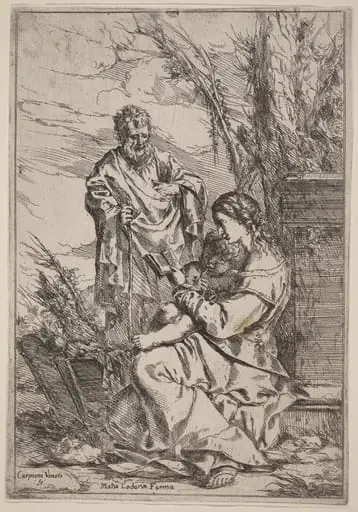 Holy Family with the Virgin Reading
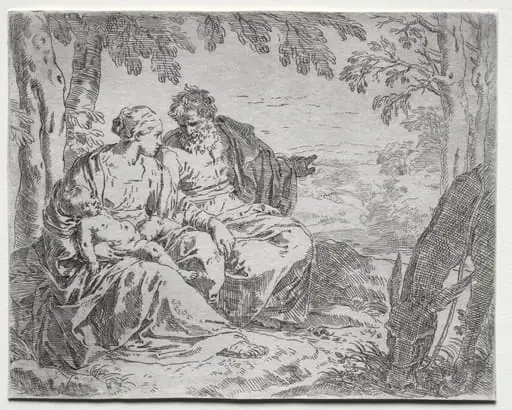 Rest on the Flight in to Egypt
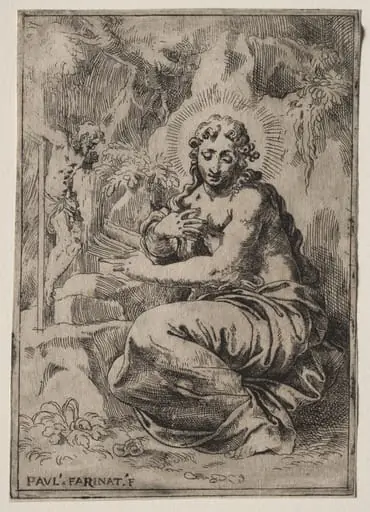 The Magdalen
 The Holy Family with Saint John