Artwork
Tapestry Cartoon: Two Heads from the Massacre of the Innocents
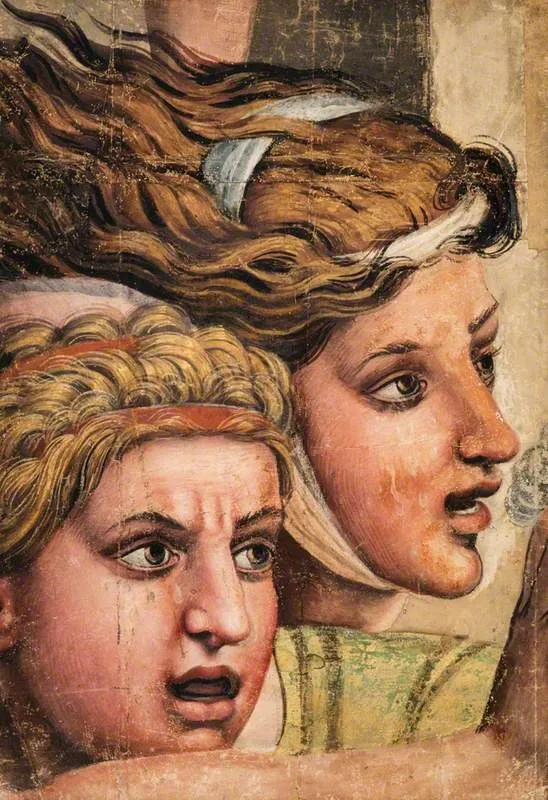
Tapestry Cartoon: Two Heads from the Massacre of the Innocents is an unspecified painting by the Mannerist artist Giulio Romano. It dates from 1522 and is held in the collection of the National Galleries Scotland.
About this work
Overview
Created in 1522 by Giulio Romano, a leading figure of early Mannerism and former assistant to Raphael, this work is a small-scale study intended for a tapestry design. It portrays two female profiles taken from the biblical Massacre of the Innocents, rendered as a fragment of a larger narrative series. The piece now belongs to the Scottish National Gallery’s collection.
Subject & Meaning
The two heads represent women caught in the tragic episode described in the Gospel of Matthew, when King Herod ordered the killing of newborn boys. By isolating the faces, Romano emphasizes the human cost of the massacre, inviting contemplation of grief and loss within a religious context.
Technique & Style
Executed in a highly finished drawing, the composition employs a Mannerist approach: elongated proportions, stylized poses, and a heightened sense of drama. The profiles are rendered with meticulous attention to hair texture and facial detail, while the lack of background suggests the image functioned as a cartoon—a full‑size template for a woven tapestry.
History & Provenance
Romano produced the cartoon as part of a series of designs for a tapestry commission, likely intended for a devotional setting. After remaining in private hands for centuries, the fragment entered the Scottish National Gallery in the 20th century, where it is displayed as an example of the artist’s transition from High Renaissance classicism to Mannerist experimentation.
Artist & collection
Artist
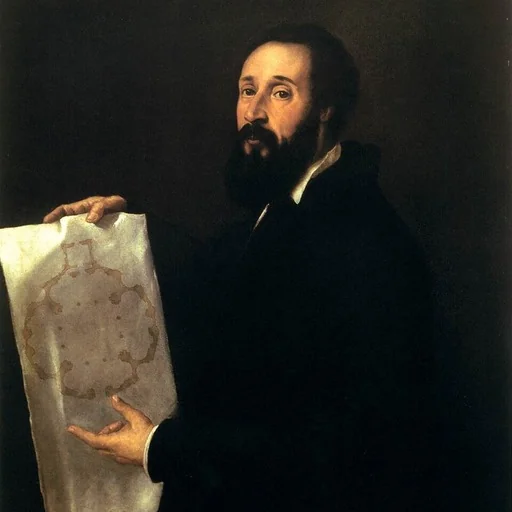
Giulio Pippi (c. 1499 – 1 November 1546), known as Giulio Romano (US: JOOL-yoh rə-MAH-noh( Italian: ) and sometimes known in French as Jules Romain, was an Italian painter and architect. He was a pupil of Raphael, and…

 Königin von Saba vor Salomon
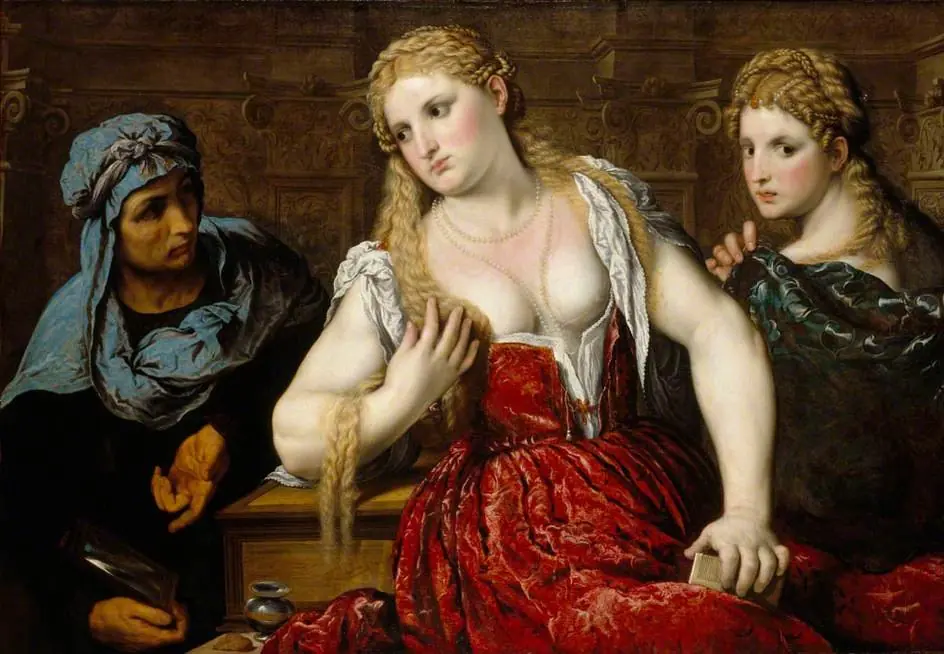 Venetian Women at their Toilet
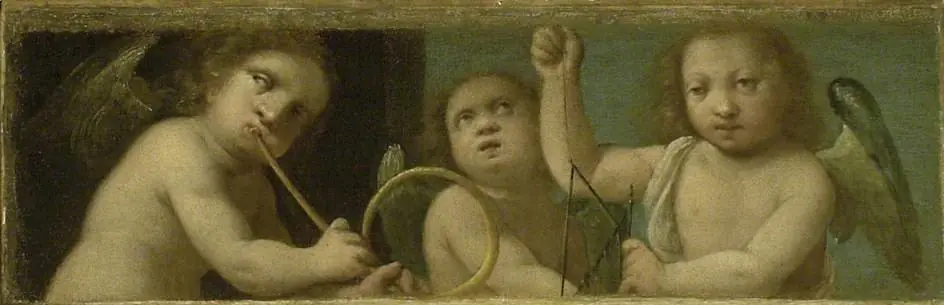 Three Putti with Musical Instruments
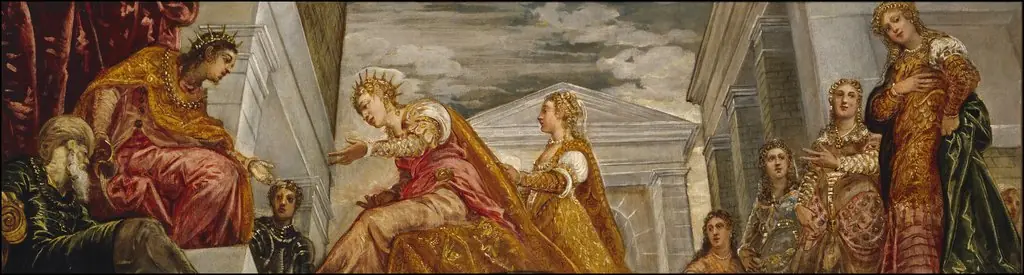 The Queen of Sheba and Solomon
 Simsons Rache an den Philistern
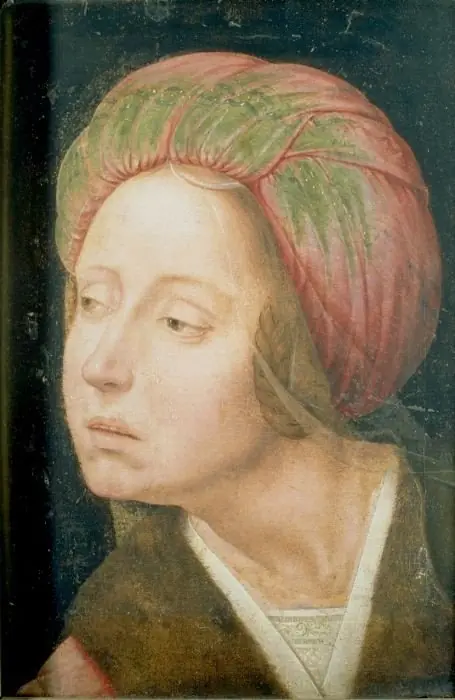 Kopf einer klagenden Frau
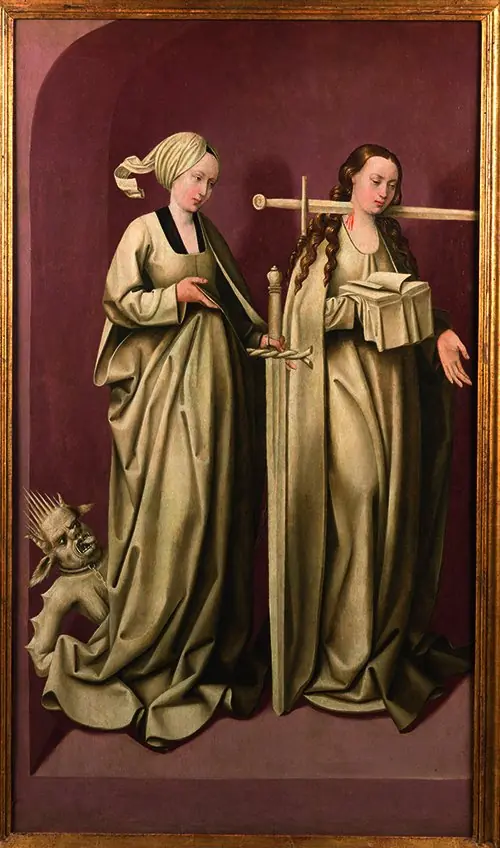 Saints Dymphna and Lucy
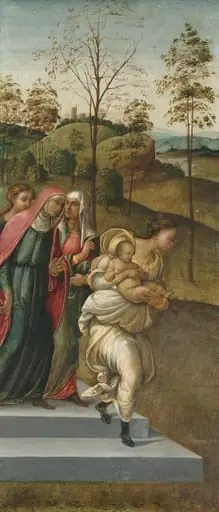 John the Baptist being carried to Zacharias
 Maria mit dem Kinde und vier Engeln
 Arachne challenges Minerva in a weaving contest
 The Prophet Daniel (study for a mosaic in St Paul's Cathedral)
 Virgin and Child with Angels