Artwork
Porträt des Ferdinand II of the Two Sicilies (1810-1859)
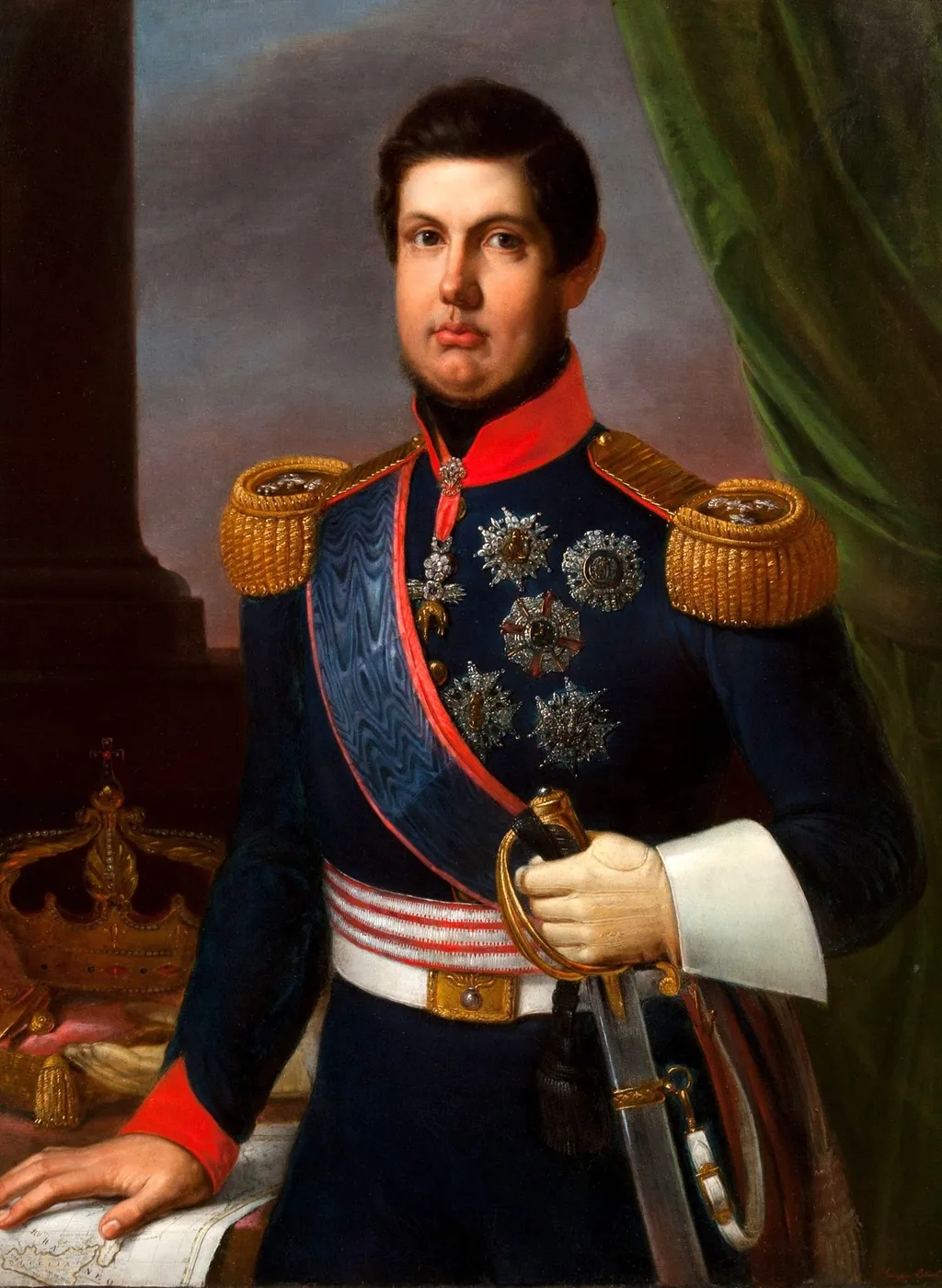
Porträt des Ferdinand II of the Two Sicilies (1810-1859) is an oil painting by the Biedermeier artist Giuseppe Bonolis. It dates from 1835 and is held in the collection of the Palace of Caserta.
About this work
If you're interested in learning more about this style of painting, you might want to look up the artist Giuseppe Bonolis.
This painting is a portrait of a man in a military uniform, holding a sword. He has dark hair and is wearing a blue jacket with gold epaulets and a red collar. The background is a dark, muted color.
The man's uniform is decorated with several medals and badges, indicating his high rank. He is standing in front of a dark, shadowy background, which adds to the sense of formality and gravity.
The painting is done in a realistic style, with attention to detail and texture. It is a good example of a portrait from the early 19th century. If you're interested in learning more about this style of painting, you might want to look up the artist Giuseppe Bonolis.
Overview
Painted in 1835 by Italian artist Giuseppe Bonolis, this oil portrait depicts Ferdinand II, King of the Two Sicilies. Executed in a restrained, detailed manner, the work reflects the Biedermeier aesthetic’s emphasis on quiet dignity and precise observation. It is held in the collection of the Royal Palace of Caserta, where it once served as a formal representation of royal authority within the Bourbon court.
Subject & Meaning
Ferdinand II is portrayed in full military attire, his uniform adorned with medals and gold epaulets, signaling his role as commander-in-chief. The sword at his side reinforces his martial authority. The somber background and direct gaze convey solemnity, aligning the monarch with ideals of duty and stability. The portrait functions less as personal expression and more as a visual assertion of institutional power during a period of political tension in southern Italy.
Technique & Style
Bonolis employed fine brushwork to render the textures of fabric, metal, and skin with clinical precision. The dark, neutral background isolates the figure, enhancing the focus on uniform details and facial expression. Lighting is even and controlled, avoiding dramatic contrasts. This restrained realism, characteristic of Biedermeier portraiture, prioritizes clarity and social decorum over emotional intensity or romantic flourish.
History & Provenance
Commissioned during Ferdinand II’s early reign, the portrait was likely intended for display within the Royal Palace of Caserta, the Bourbon dynasty’s principal residence. It remained in royal collections through the unification of Italy and was later preserved as part of the state heritage. Its continued presence in Caserta underscores its role as a historical document of Bourbon rule in the Kingdom of the Two Sicilies.
Context
Created in 1835, the portrait emerged amid rising liberal movements across Europe and growing unrest in the Italian states. Bonolis’s depiction of Ferdinand II as a composed, authoritative figure reflects the monarchy’s effort to project legitimacy and control. The Biedermeier style, popular in Central Europe, was adapted here to suit southern Italian aristocratic tastes, blending local tradition with broader European norms of elite representation.
Legacy
The portrait remains a key example of mid-19th-century royal imagery in southern Italy. While Bonolis is not widely known today, this work endures as a visual record of Bourbon court culture and the visual language of power in pre-unification Italy. It contributes to scholarly understanding of how portraiture functioned as political tool in a fragmented and volatile region.
Artist & collection
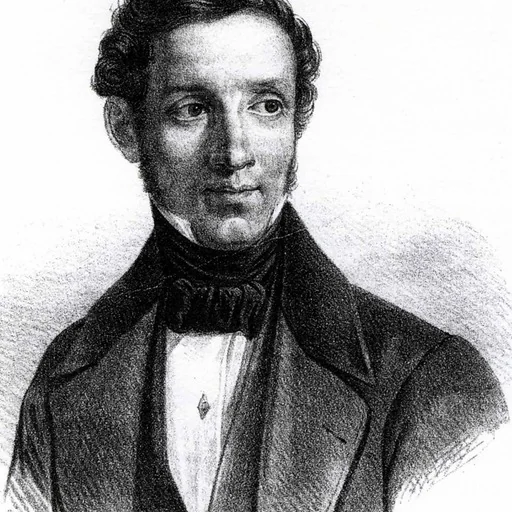
Artist
Giuseppe Bonolis (January 1, 1800 – April 2, 1851) was an Italian painter, known for his portraits and historical canvases.

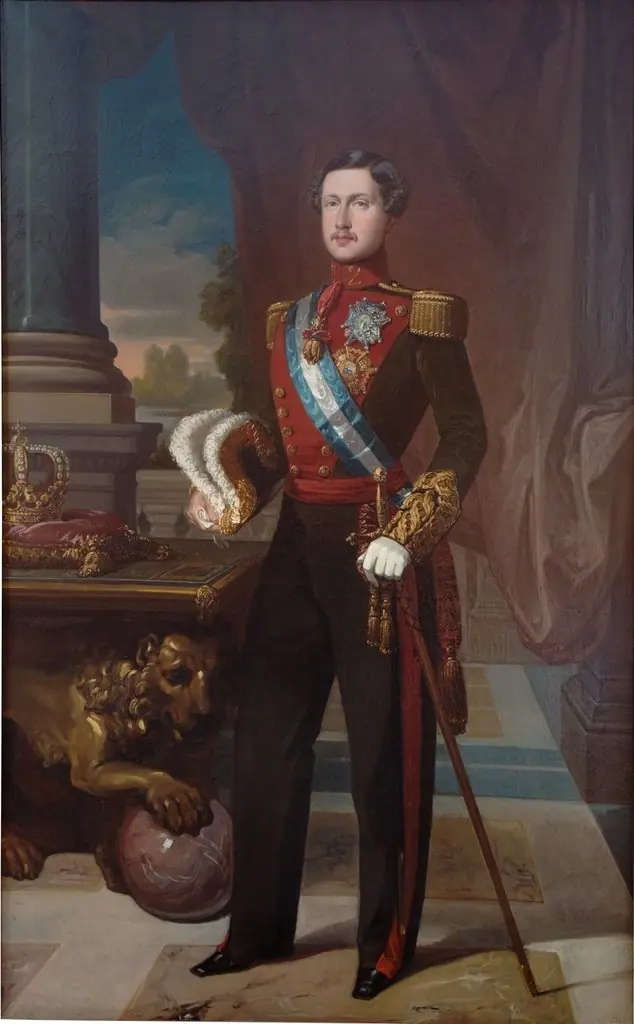 El rey Francisco de Asís con uniforme de capitán general
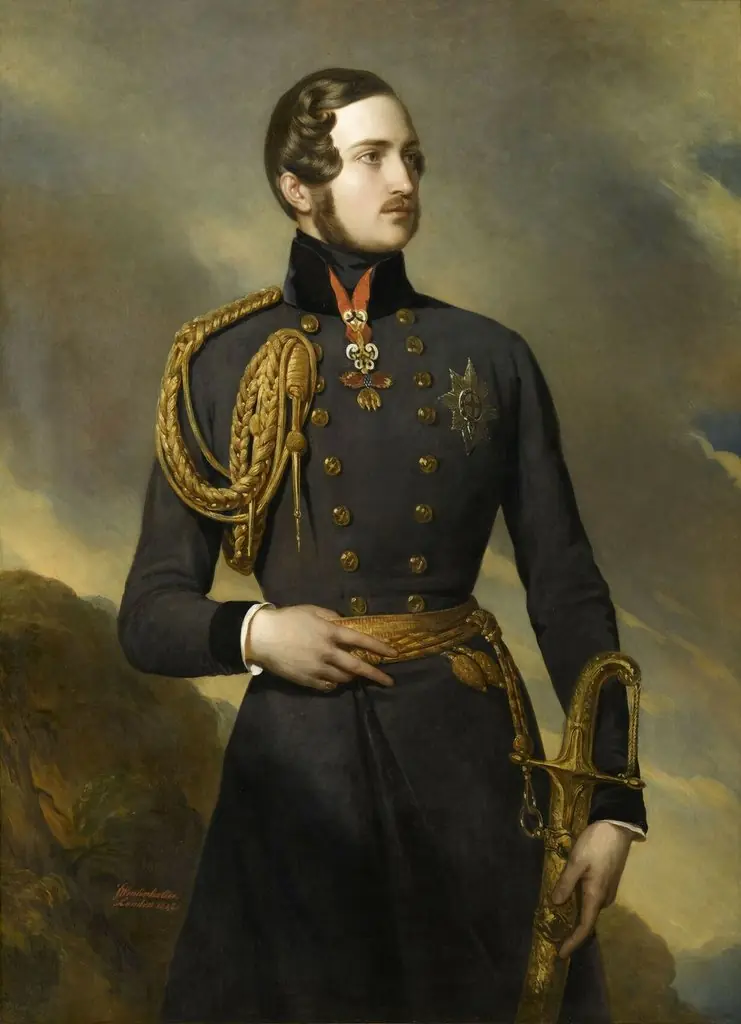 Albert of Saxe-Coburg-Gotha, Prince Consort (1819–1861)
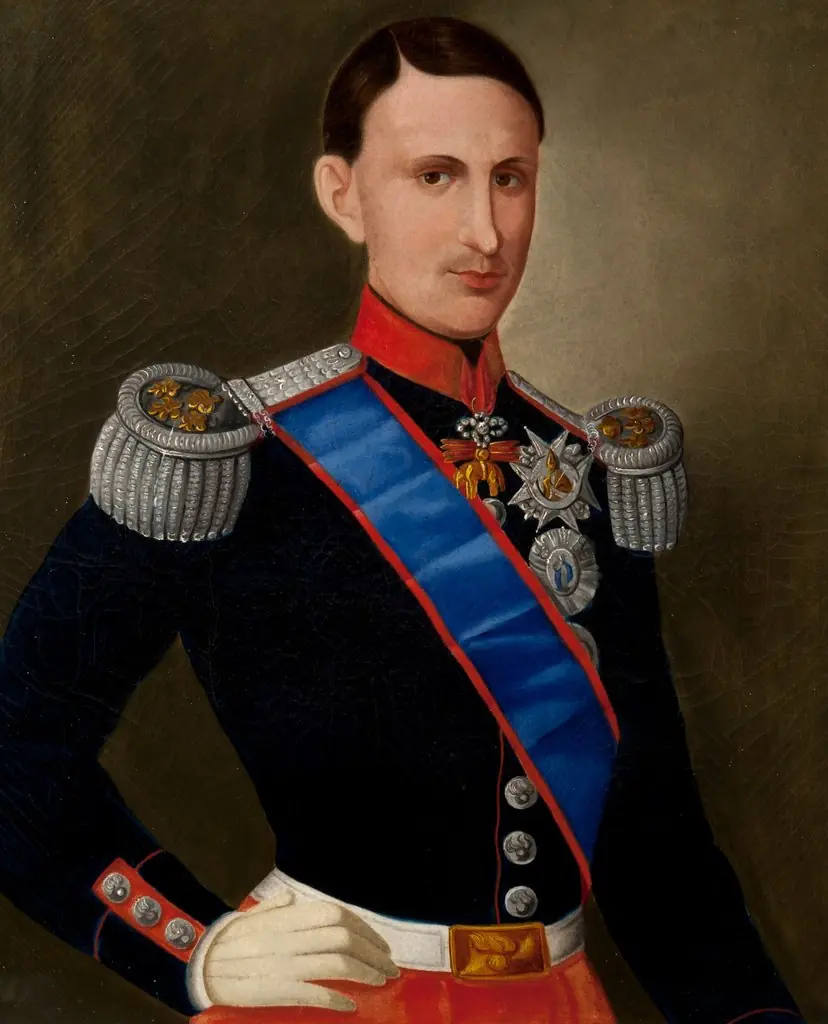 Ritratto di Francesco II di Borbone
 Portrait de Louis Nicolas Davout
 Portrait of Yevstafy Ye. Udom (1760-1836) (2nd)
 Louis-Philippe I, King of the French (1773–1850)
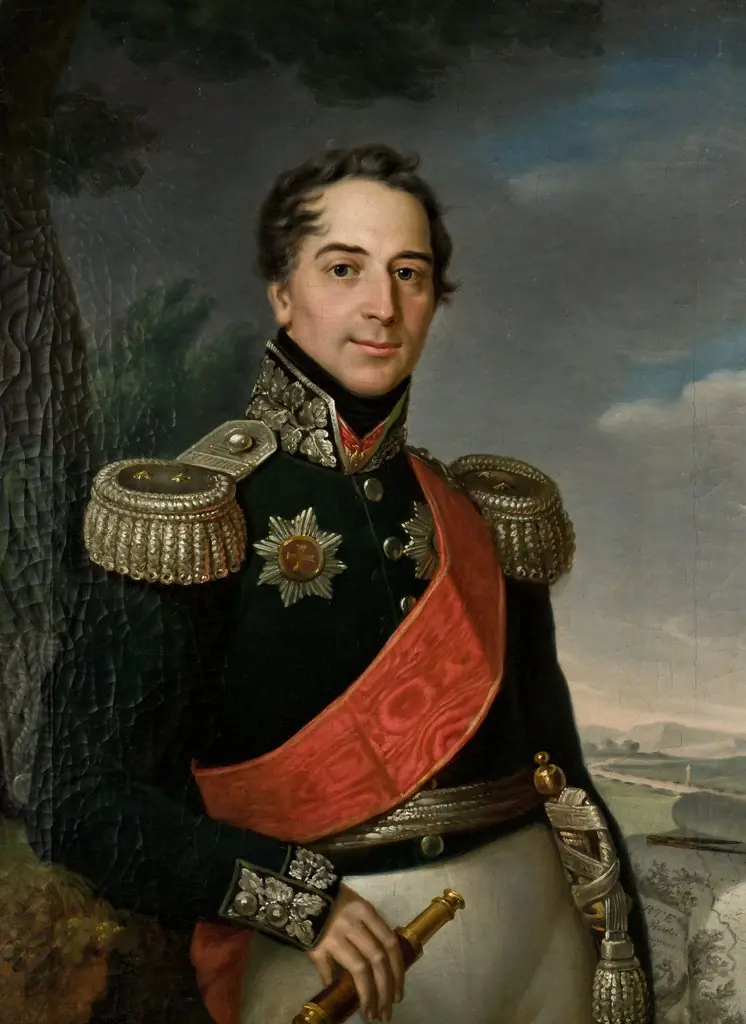 Portrait of Franciszek Ksawery Christiani
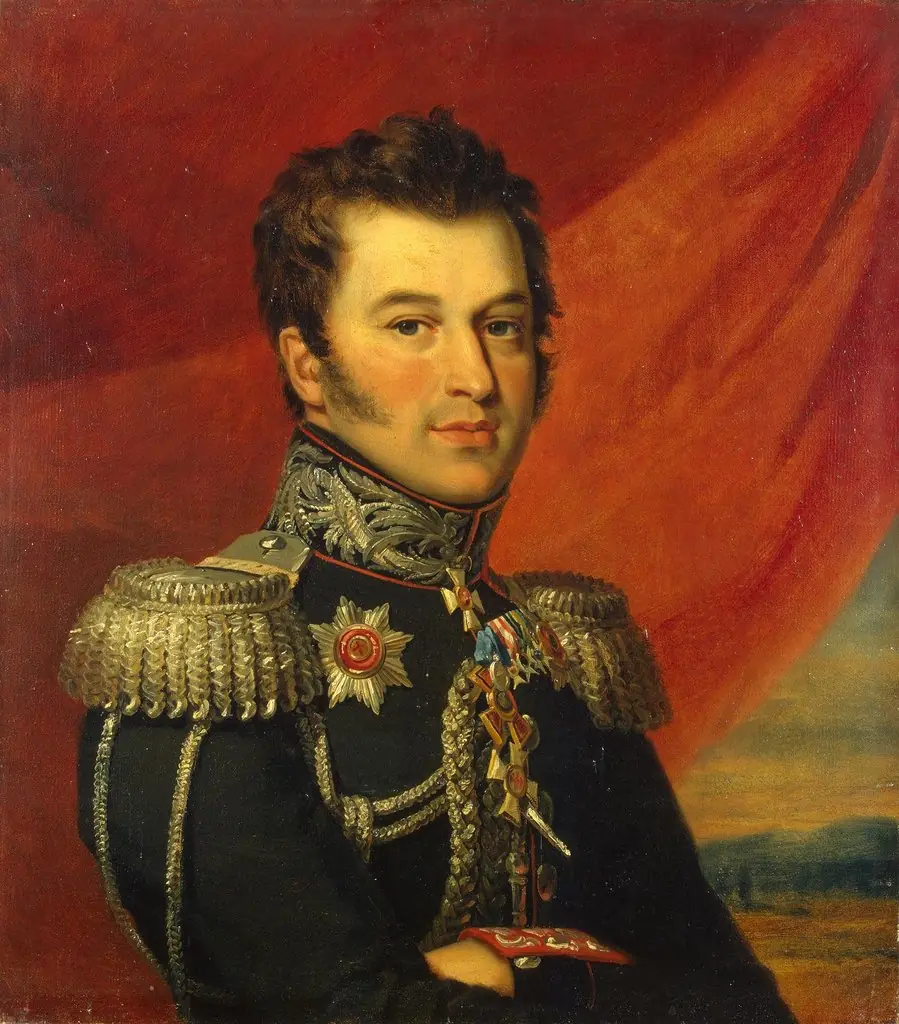 Portrait of Paisy S. Kaisarov (1783-1844)
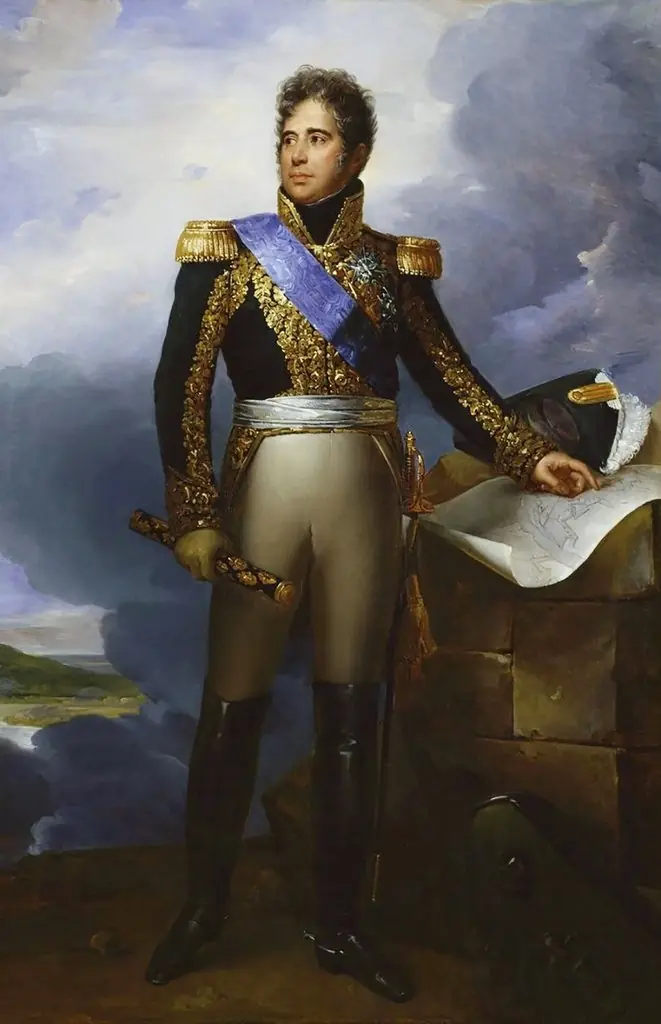 Jacques-Alexandre-Bernard Law de Lauriston
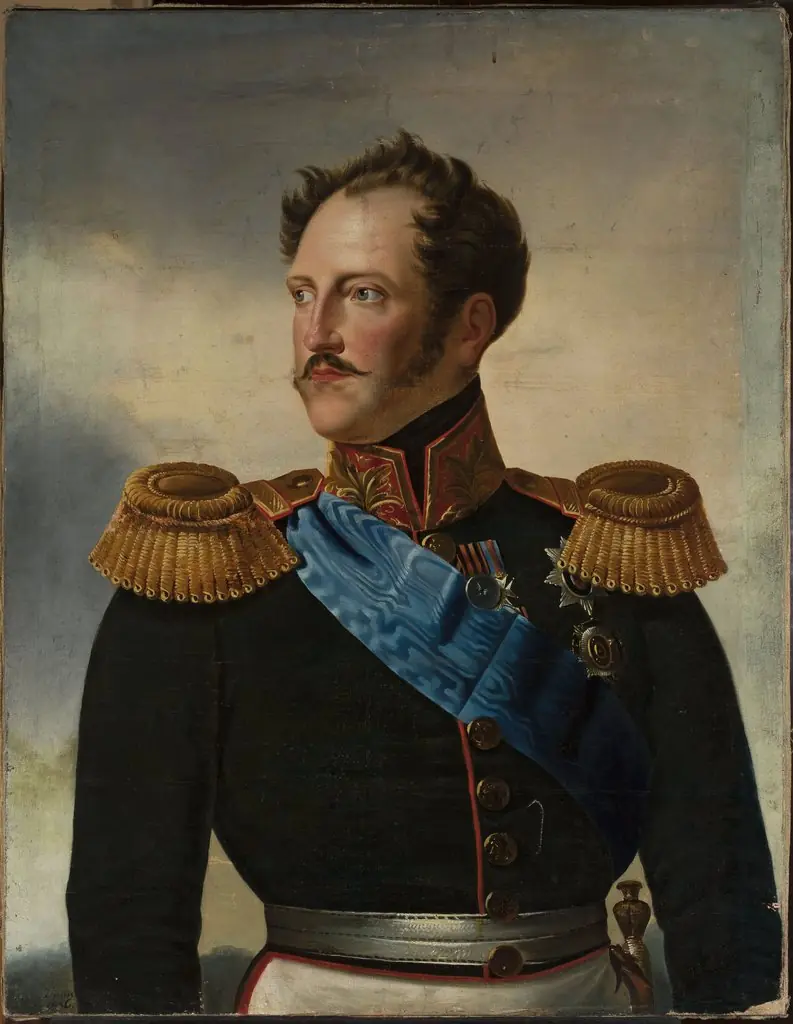 Portrait of Tsar Nicholas I
 Leopold I, King of the Belgians
 Portret van Leopold II, koning der Belgen, als hertog van Brabant