Artwork
William Perkins
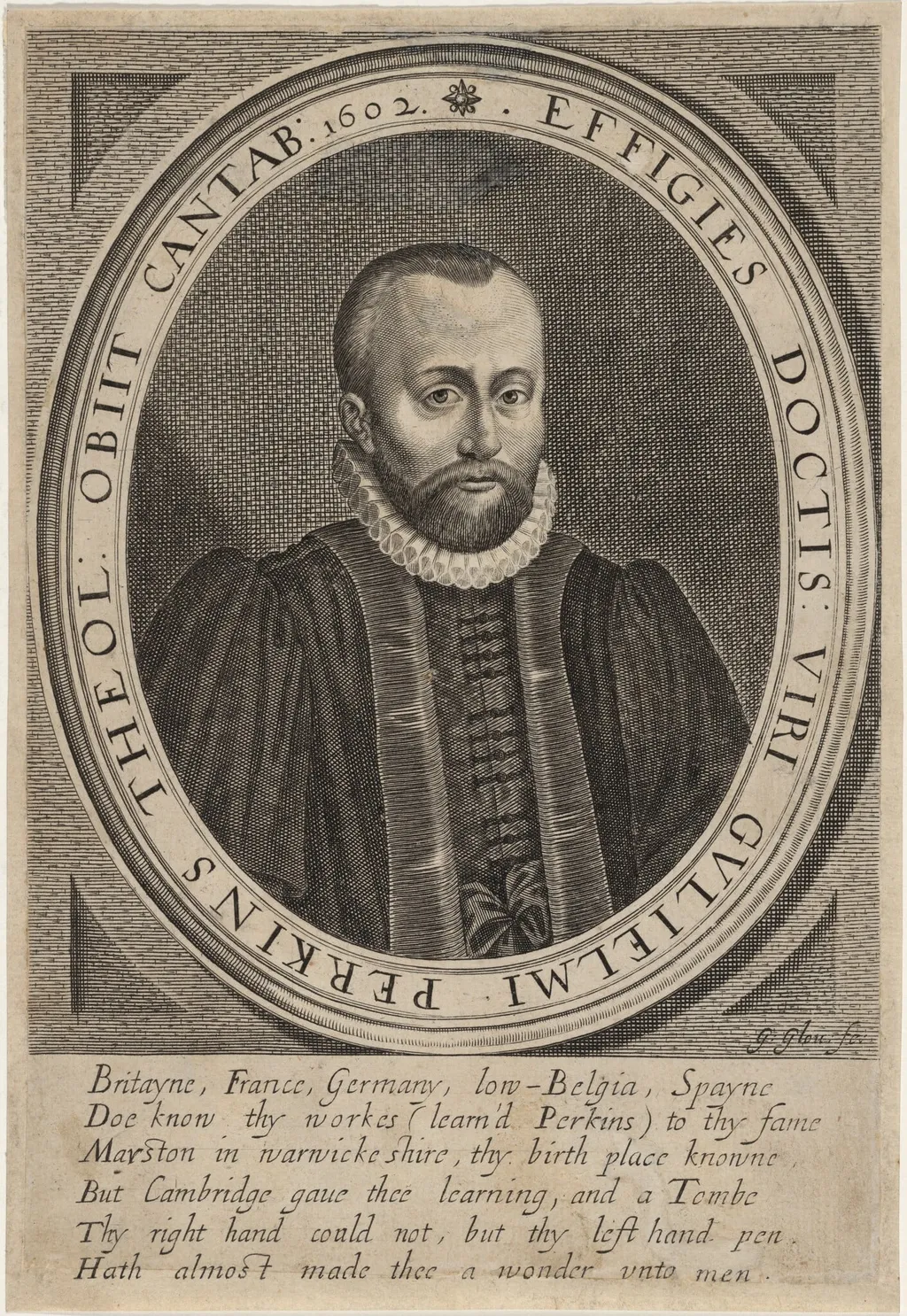
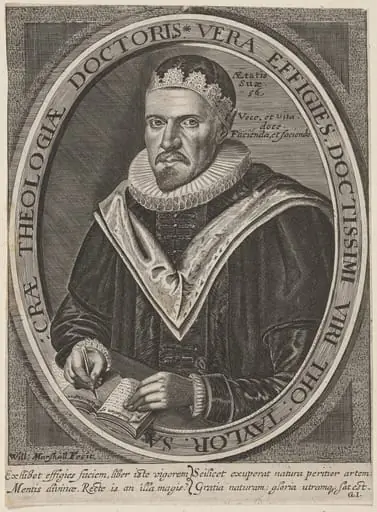
William Perkins is an ink print by the Renaissance artist George Glover. It dates from 1633 and is held in the collection of the National Gallery of Art.
About this work
Overview
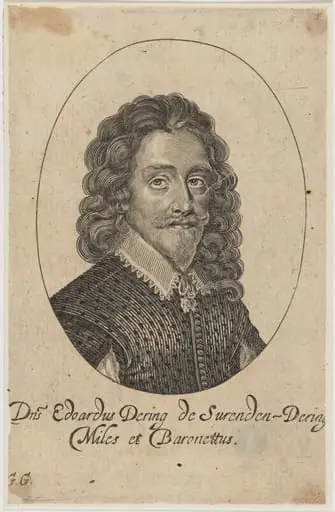
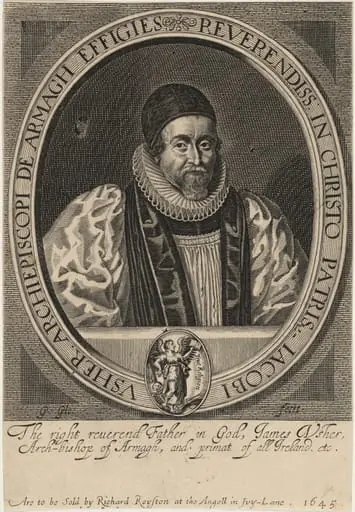
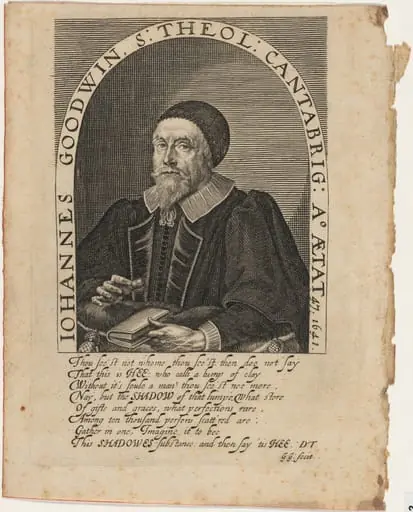
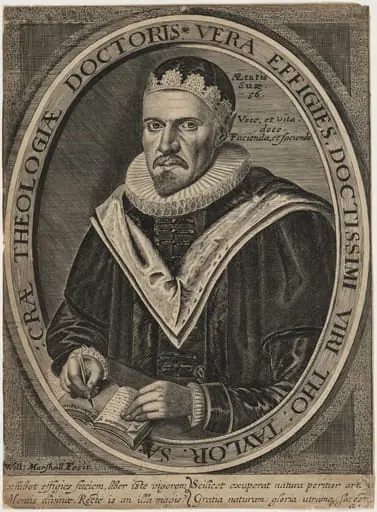
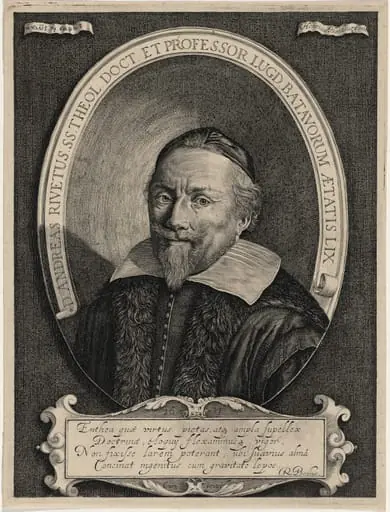
George Glover’s 1633 engraving presents a portrait of William Perkins, identified as a doctor whose reputation extended throughout Europe. Rendered in monochrome, the image focuses on the sitter’s solemn expression, thick beard, and ruff collar, set against an unadorned backdrop that emphasizes the figure’s scholarly attire.
Subject & Meaning
The portrait conveys Perkins’s status as a learned physician, highlighted by his dark, buttoned robe and the formal pose. The surrounding circular inscription and accompanying poem reinforce his academic standing, suggesting that the work was intended to celebrate his contributions to medical knowledge and to circulate his image among learned circles.
Technique & Style
Executed with delicate, intersecting lines, the engraving achieves subtle gradations of tone that model the facial features and fabric folds. Glover’s use of fine hatching creates depth within the limited black‑and‑white palette, while the ornamental lettering around the portrait demonstrates the period’s integration of textual and visual elements in printmaking.
History & Provenance
Produced in the early seventeenth century, the print reflects the growing demand for portraiture of notable scholars in England. Although the original plate’s whereabouts are undocumented, copies of the engraving have been preserved in several European collections, attesting to the work’s distribution and the transnational reputation of Perkins’s scholarship.
Artist & collection