Artwork
Sacrifice of Isaac
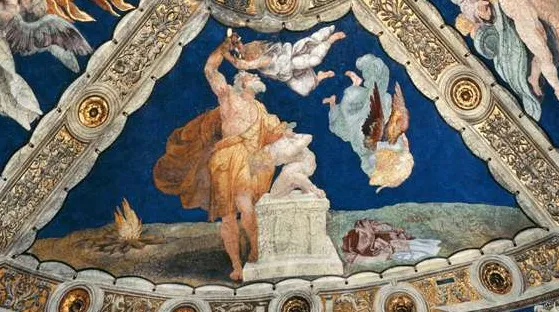
Sacrifice of Isaac is a fresco painting by the High Renaissance artist Raphael. It dates from 1511 and is held in the collection of the Vatican Museums.
About this work
Overview
Executed in the High Renaissance style, it illustrates a pivotal moment from Genesis in which divine intervention halts a father’s act of obedience.
Painted in 1511, the fresco known as the Sacrifice of Isaac is one of Raphael’s contributions to the Vatican’s Stanza di Eliodoro. Executed in the High Renaissance style, it illustrates a pivotal moment from Genesis in which divine intervention halts a father’s act of obedience. The work is part of a larger decorative program commissioned by Pope Julius II to adorn papal chambers with biblical narratives.
Subject & Meaning
The scene captures Abraham, aged and determined, poised to sacrifice his son Isaac, who lies limp with eyes shut, arms raised in passive surrender. An angel, descending swiftly from the left, arrests the blade mid-motion. The moment embodies divine mercy overriding human obedience, reflecting theological themes of faith, submission, and grace central to Renaissance religious thought.
Technique & Style
Raphael employs chiaroscuro to model the figures with subtle gradations of light and shadow, enhancing their three-dimensionality. Warm flesh tones contrast against a cool, deep-blue background, isolating the figures and intensifying emotional focus. A dynamic diagonal composition guides the eye from the knife upward to the angel’s outstretched hand, reinforcing narrative tension and movement.
History & Provenance
Commissioned as part of the Vatican’s Stanza di Eliodoro fresco cycle, the work was completed during Raphael’s tenure as chief artist to Pope Julius II. It remained in situ after the pope’s death and has been continuously housed in the Vatican Museums since the 16th century, with no documented relocation or major restoration altering its original surface.
Context
Created during Raphael’s Roman period, the fresco reflects the influence of Michelangelo’s muscular forms and Leonardo’s compositional harmony. It aligns with contemporary papal efforts to assert theological authority through visual art, using classical balance and emotional clarity to convey sacred stories to both literate and illiterate viewers.
Legacy
Though less widely known than Raphael’s later Madonnas, the fresco exemplifies his mastery of narrative compression and emotional restraint. Its integration into a larger papal program helped define the visual language of Counter-Reformation religious art, influencing later depictions of biblical drama through its controlled dynamism and psychological depth.
Artist & collection
Artist
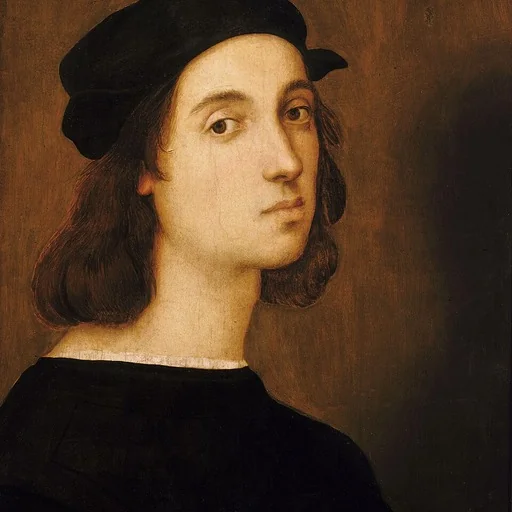
Raphael was born Raffaello Sanzio in Urbino on April 6, 1483, the son of Giovanni Santi, a painter and poet attached to the ducal court.

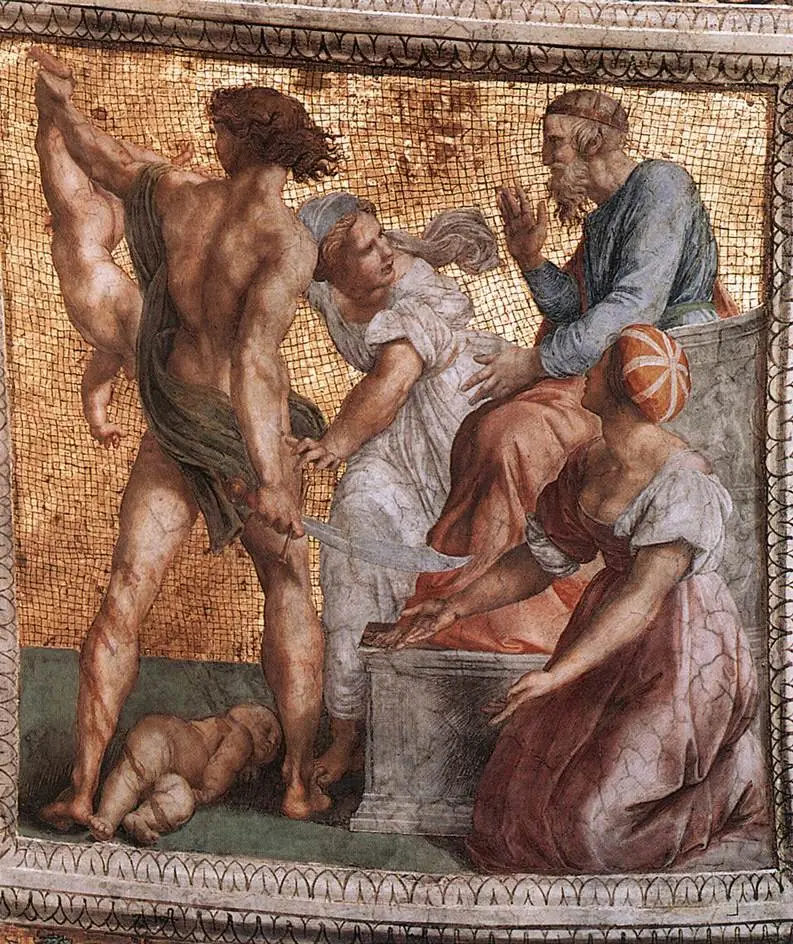 Judgement of Solomon
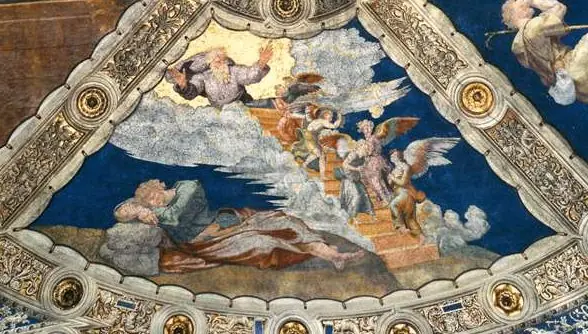 Jacob's dream of the ladder to heaven
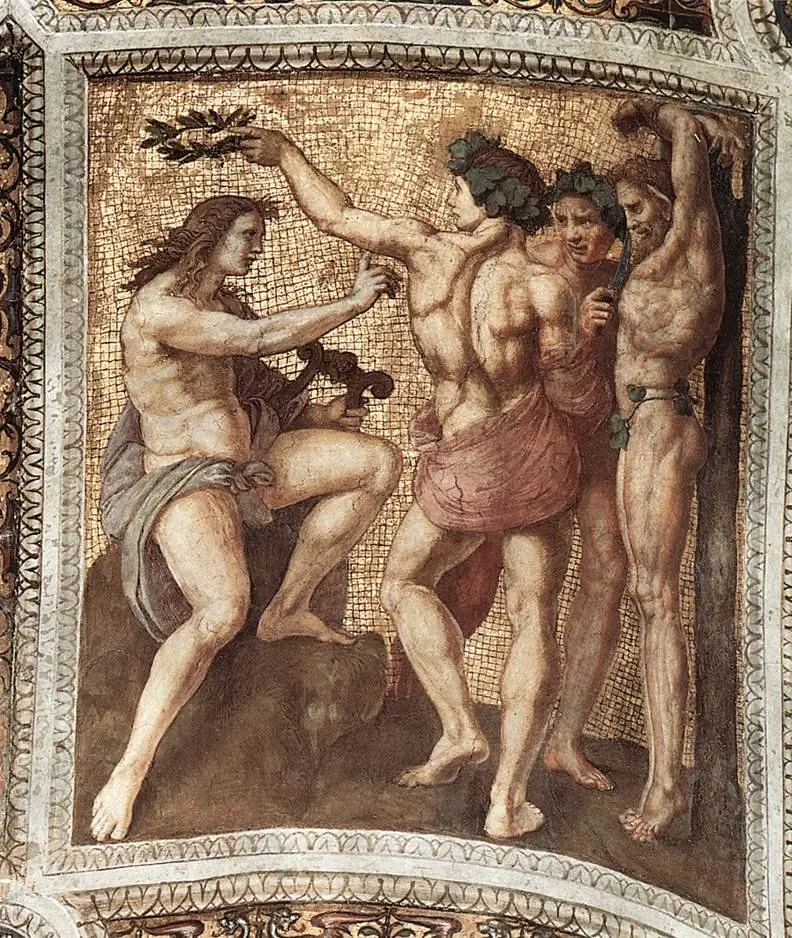 Apollo and Marsyas
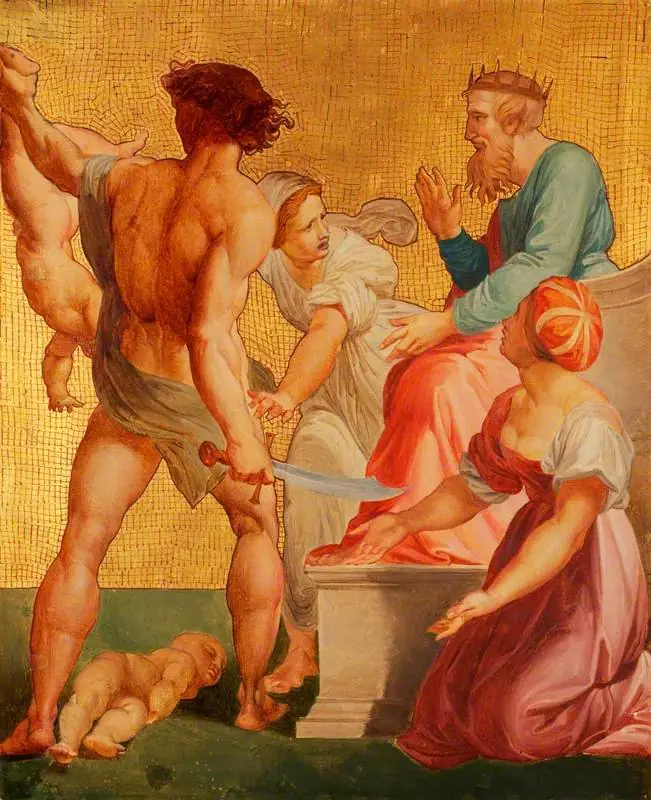 The Judgment of Solomon (after Raphael)
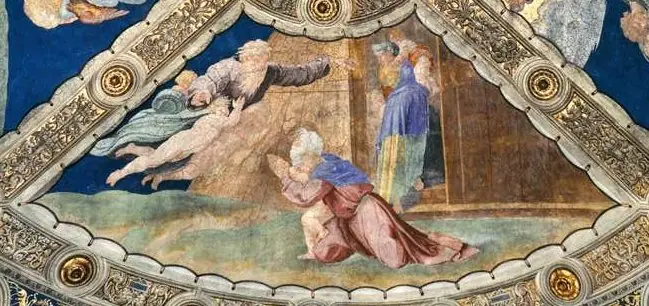 Apparition of God to Noah
 Painting
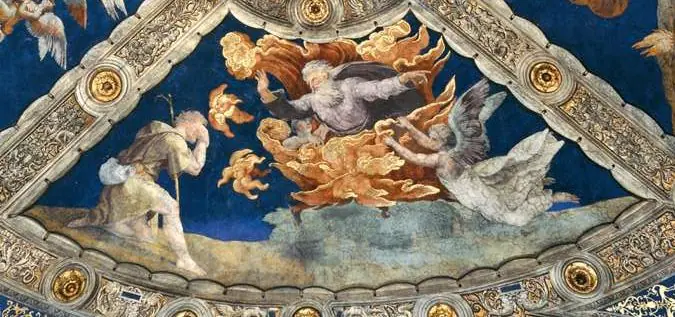 Burning bush
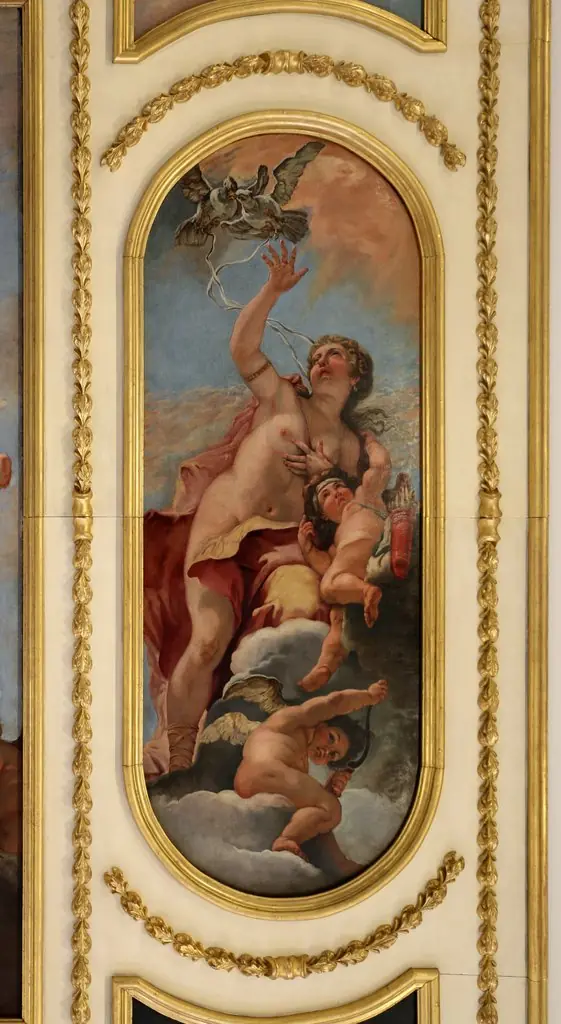 Venus und Cupido
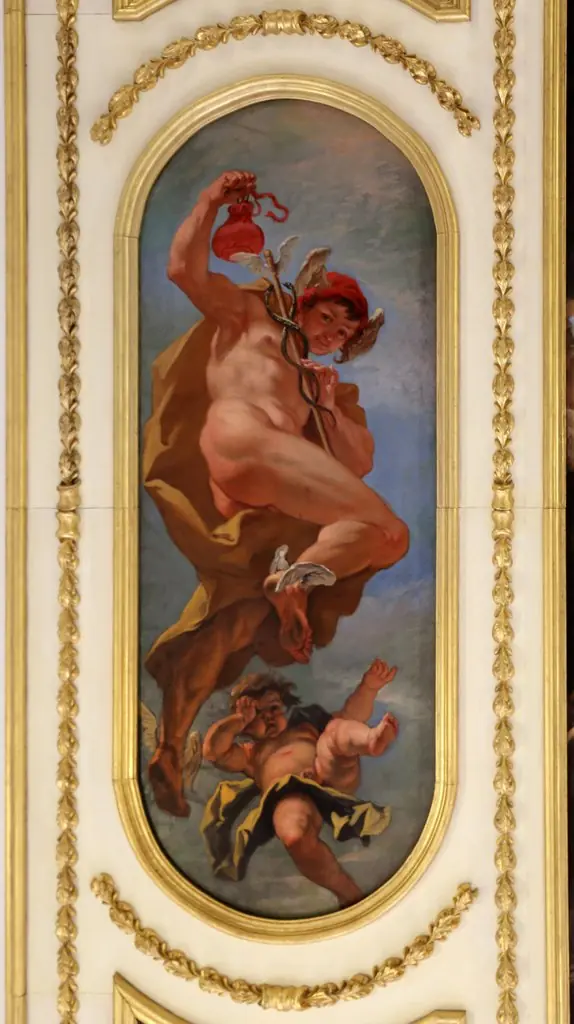 Merkur
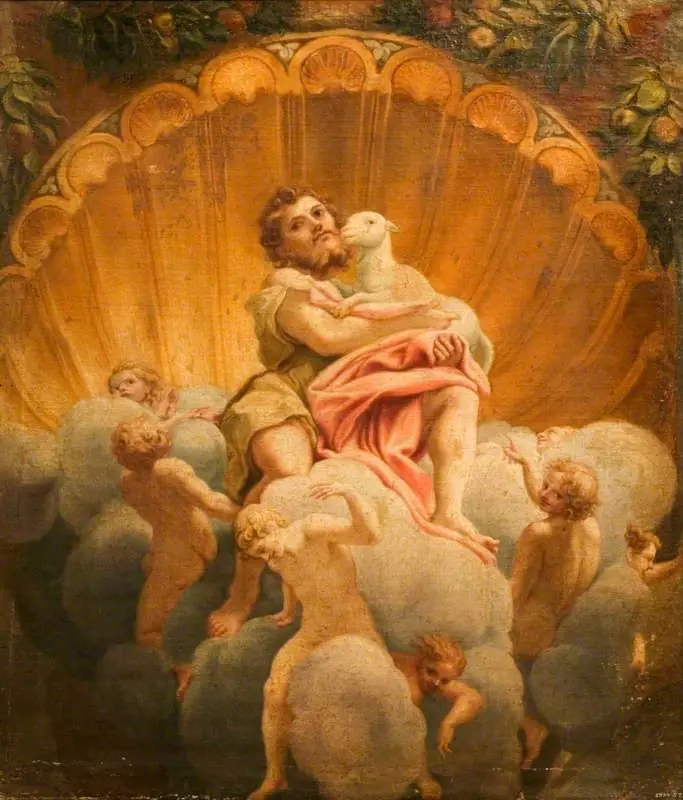 Saint John Bearing the Lamb (copy of the fresco in the cupola of Parma Cathedral)
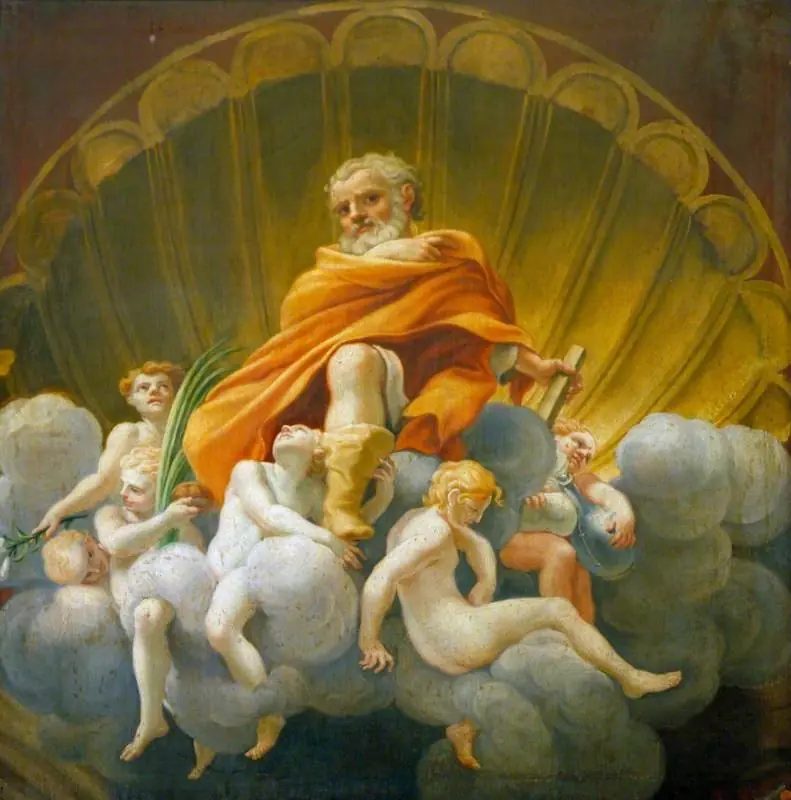 Saint Thomas Surrounded by Angels (copy of the fresco in the cupola of Parma Cathedral)
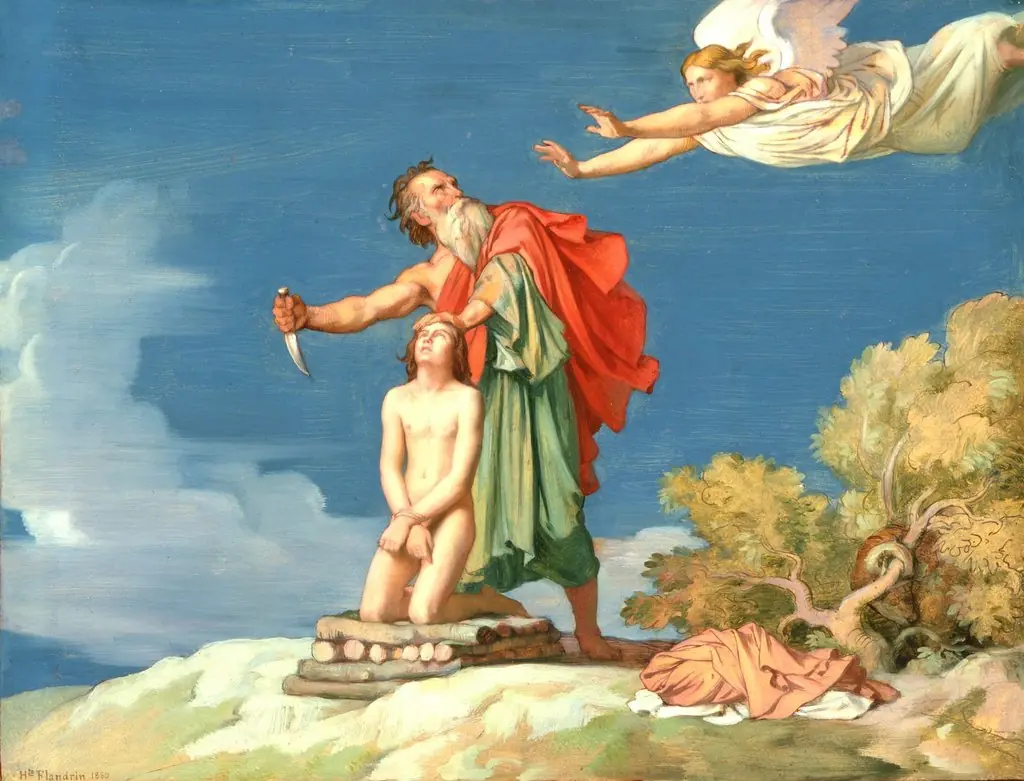 The Sacrifice of Isaac