Artwork
Moses Defending the Daughters of Jethro
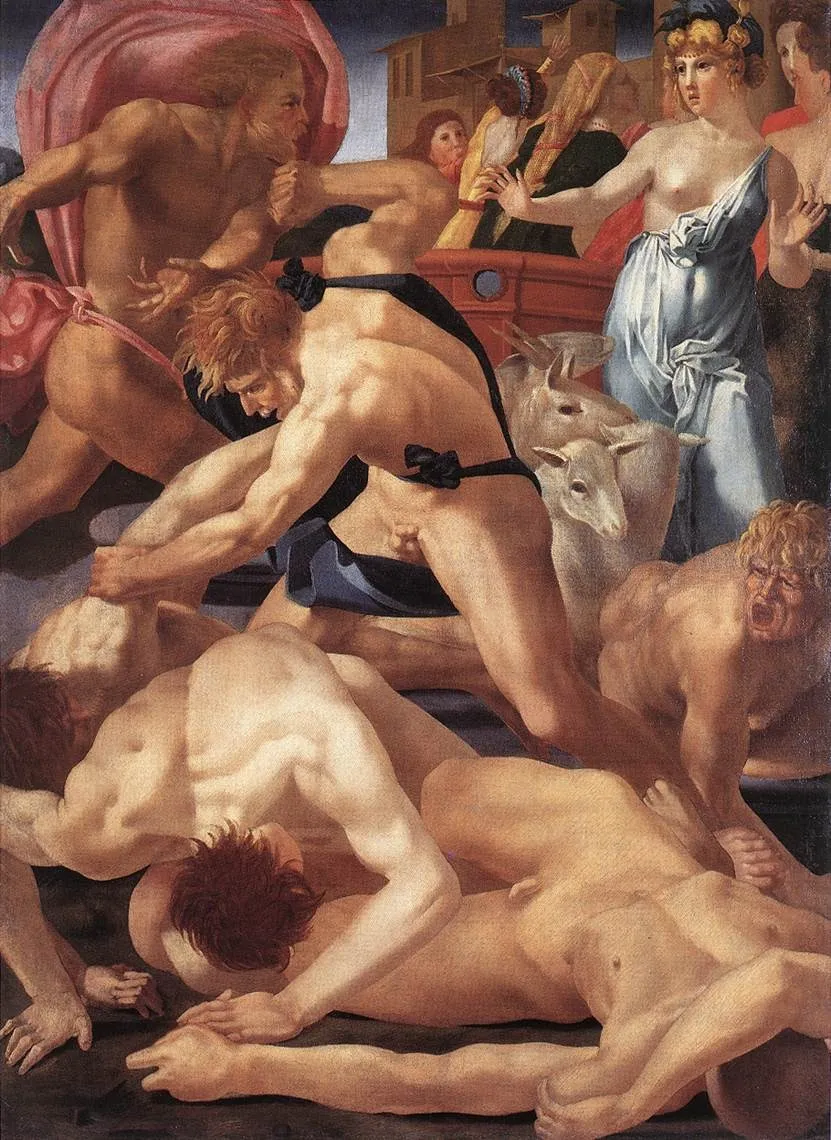
Moses Defending the Daughters of Jethro is an oil painting by the Mannerist artist Rosso Fiorentino. It dates from 1523 and is held in the collection of the Uffizi Gallery.
About this work
Overview
It portrays a moment from the Book of Exodus in which Moses intervenes to protect Jethro’s daughters from harassment at a well.
Painted around 1523–1524, this oil on canvas work is attributed to Rosso Fiorentino, a Florentine Mannerist artist. It portrays a moment from the Book of Exodus in which Moses intervenes to protect Jethro’s daughters from harassment at a well. The painting entered the Uffizi Gallery’s collection in 1632 and remains part of its permanent holdings, reflecting its early recognition within Florentine artistic circles.
Subject & Meaning
The scene illustrates Moses’ act of justice and physical defense of Jethro’s seven daughters, who were being obstructed by local shepherds while attempting to water their flocks. The narrative underscores themes of protection, moral courage, and divine destiny, as this encounter precedes Moses’ marriage to Zipporah and his eventual leadership of the Israelites. The figures are arranged to emphasize Moses’ central role as a righteous intervener.
Technique & Style
Rosso employs dynamic composition and exaggerated poses typical of Mannerism, with torsioned bodies and heightened emotional intensity. Chiaroscuro sharpens the contrast between illuminated figures and shadowed backgrounds, heightening the drama. The figures’ elongated proportions and restless energy reflect the artist’s departure from High Renaissance harmony, favoring expressive tension over idealized balance.
History & Provenance
The painting was likely commissioned for a private patron in Florence before entering the Medici collection. It was recorded in the Uffizi by 1632, among the earliest acquisitions of the gallery’s Old Master holdings. Its survival through centuries with minimal alteration suggests consistent appreciation within Florentine artistic circles, though its attribution was debated in the 19th century before being reaffirmed.
Context
Created during the height of Mannerism, the work responds to the artistic shifts following Raphael and Michelangelo. Rosso, influenced by Michelangelo’s muscular forms and Pontormo’s emotional intensity, infused biblical narratives with psychological urgency. The painting reflects Florence’s ongoing engagement with religious themes, even as stylistic experimentation moved away from classical restraint toward expressive distortion.
Legacy
Though not widely reproduced in popular culture, the painting is studied for its role in the evolution of Mannerist narrative painting. Its bold composition and emotional intensity influenced later artists exploring movement and psychological depth. Within the Uffizi, it remains a key example of early 16th-century Florentine innovation beyond the High Renaissance canon.
Artist & collection

Artist
Rosso Fiorentino stood out in the Italian Renaissance for one reason—he was always bent on doing things his own way.

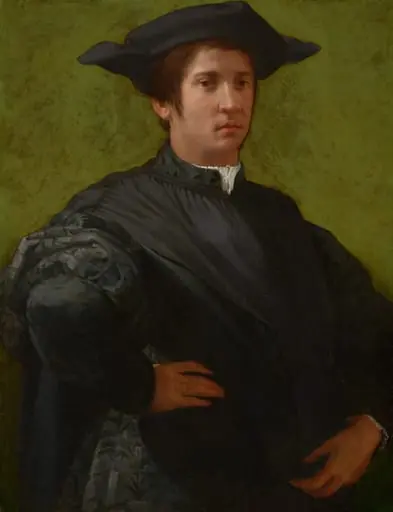 Portrait of a Man
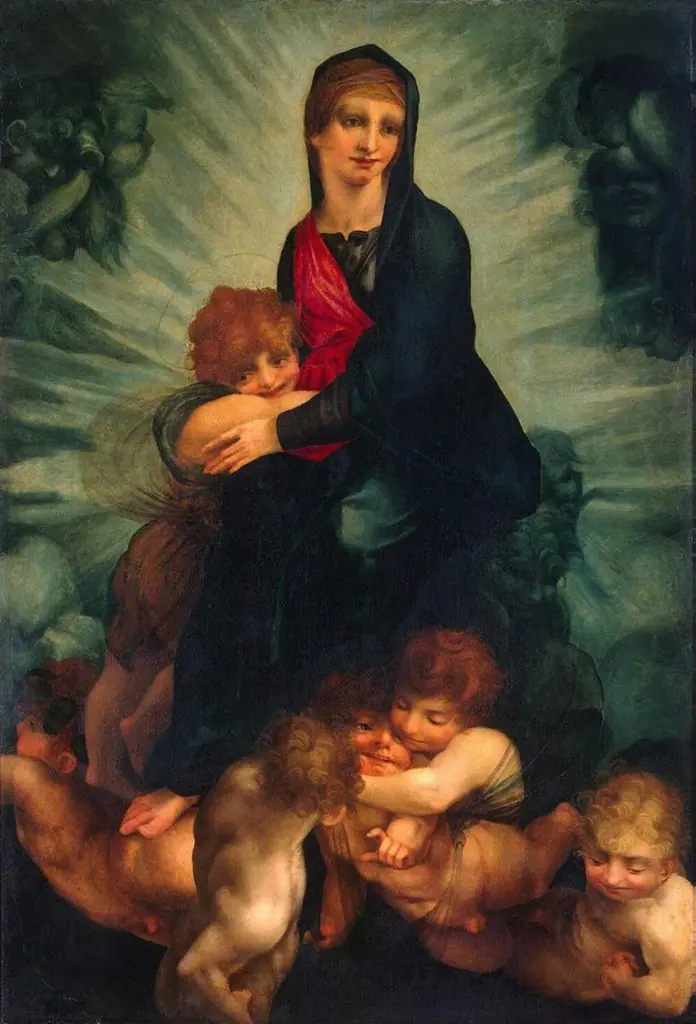 Madonna and Child with Cherubs
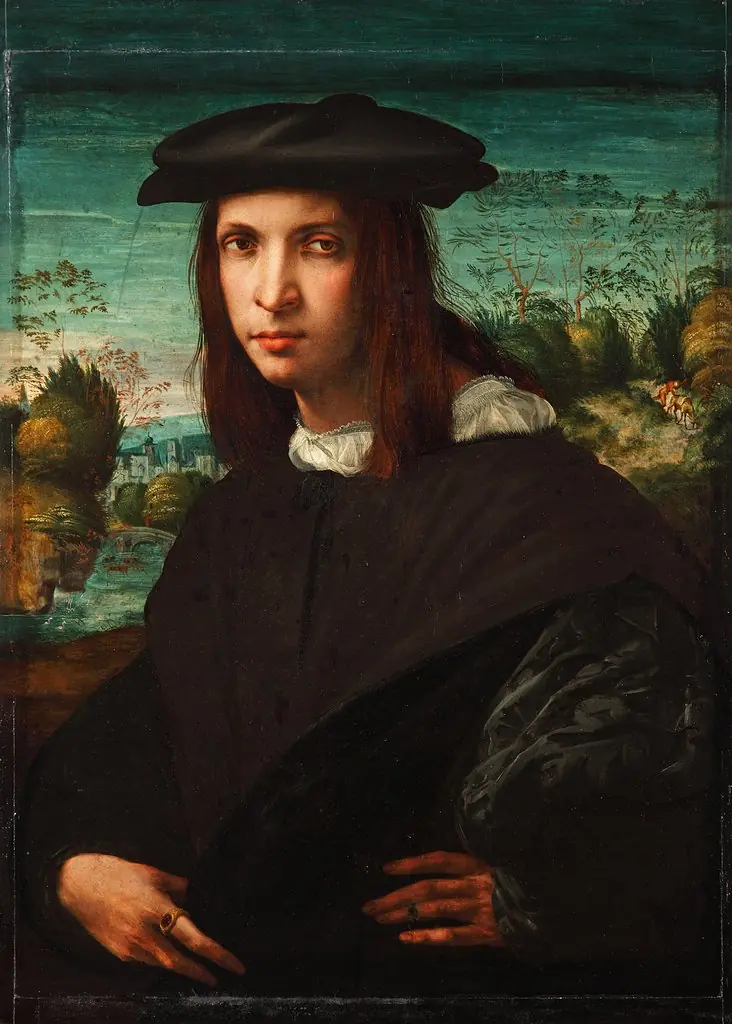 Portrait of a Young Man
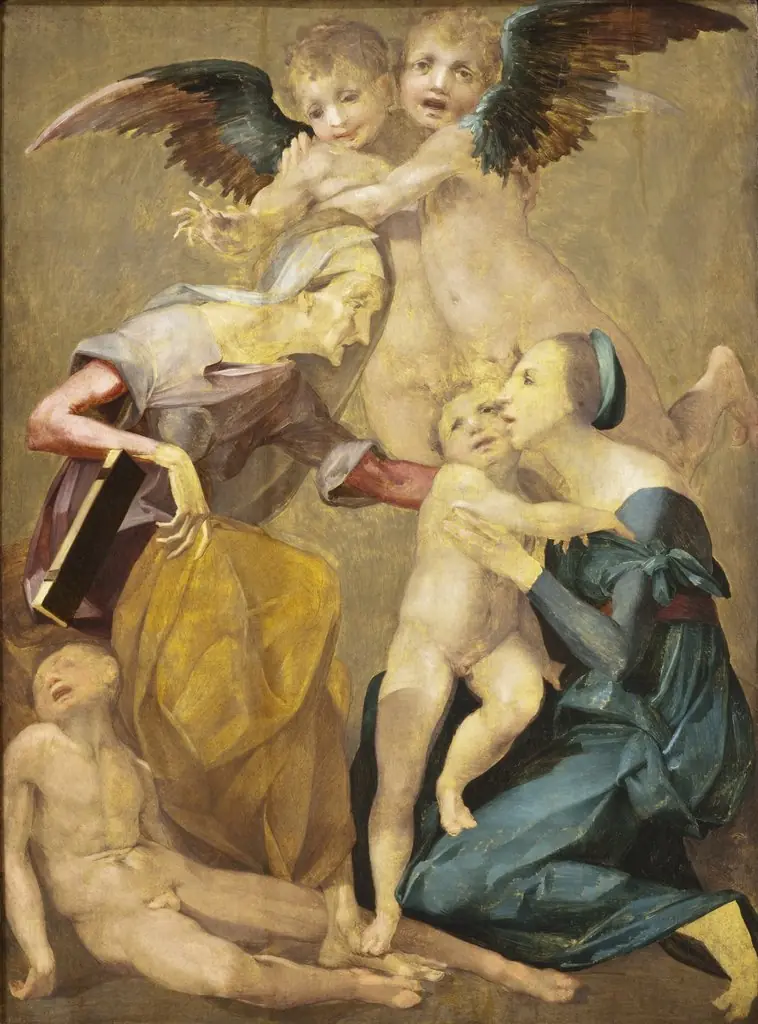 Allegory of Salvation with the Virgin and Christ Child, St. Elizabeth, the Young St. John the Baptist and Two Angels
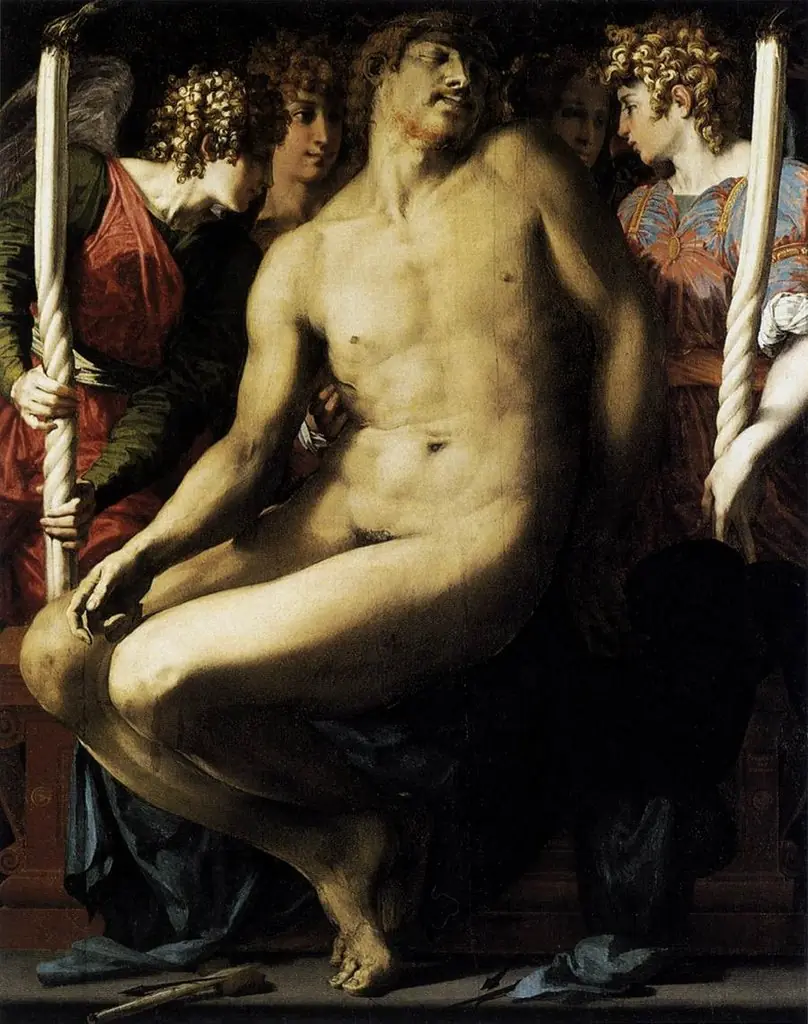 The Dead Christ with Angels
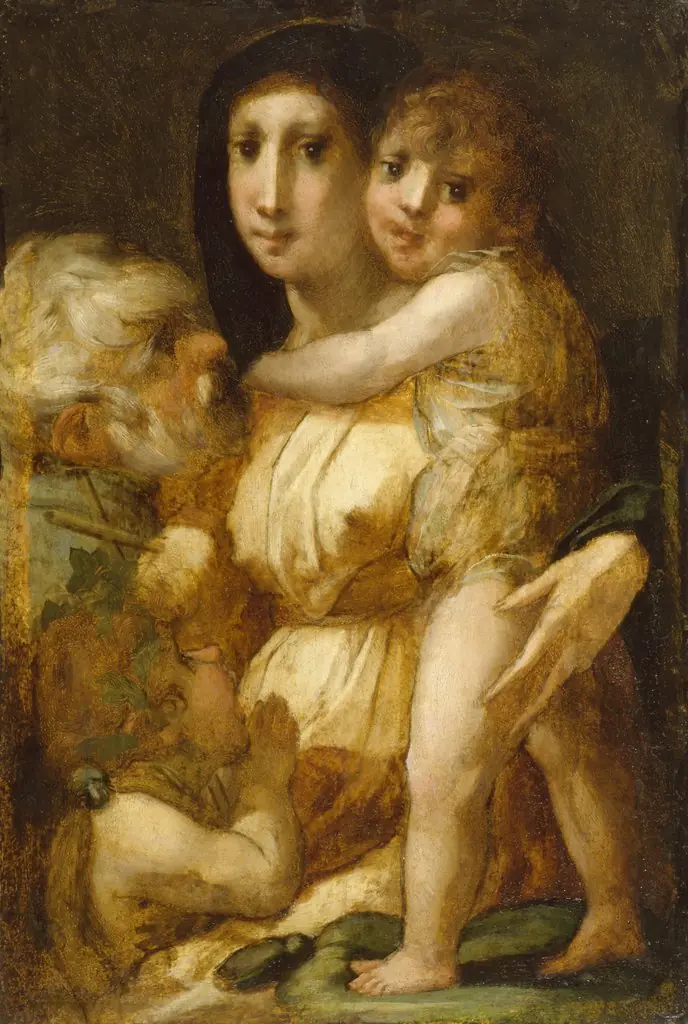 The Holy Family with the Infant Saint John the Baptist
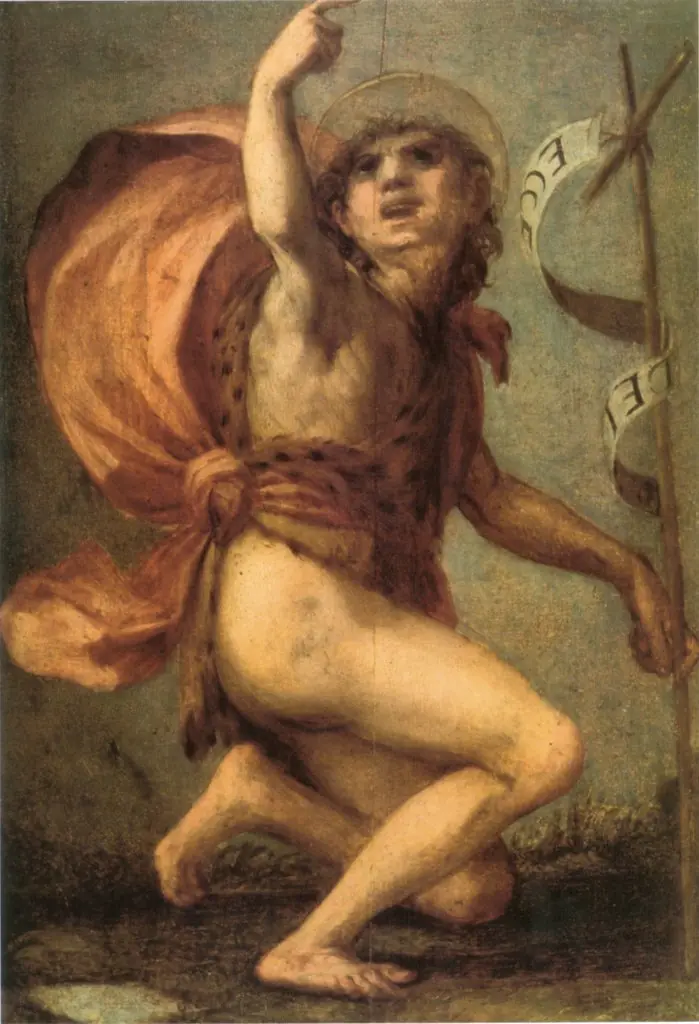 Saint John the Baptist as a Boy
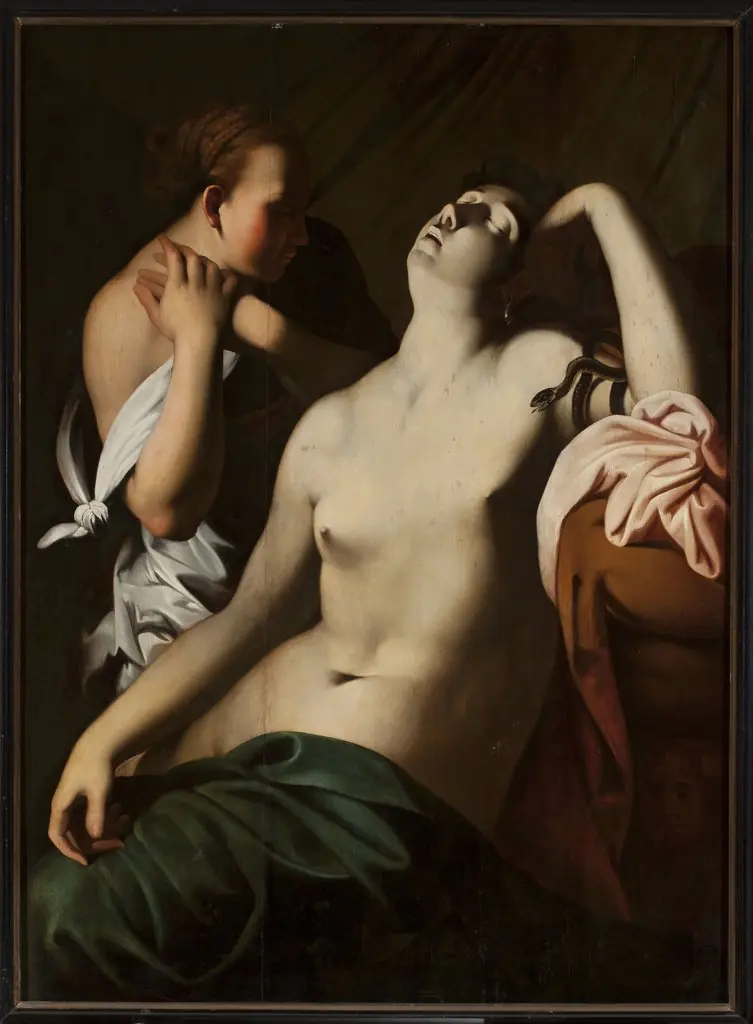 Cleopatra
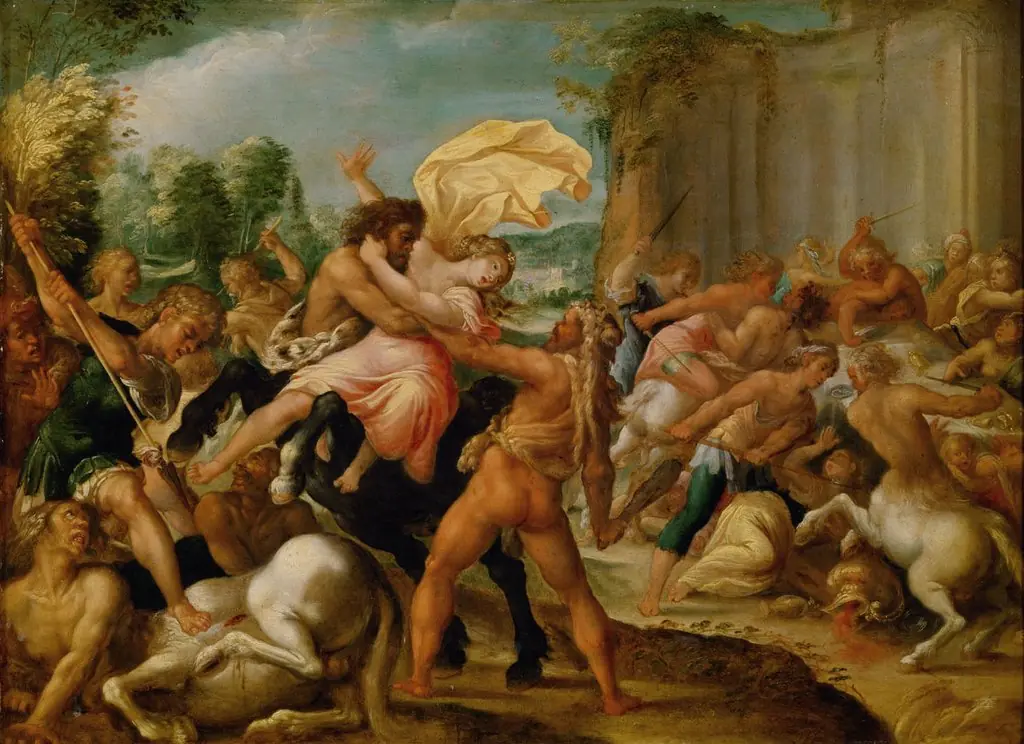 Herkules, Dejanira und der Kentaur Eurytion
 Apollo and Diana Punishing Niobe by Killing her Children
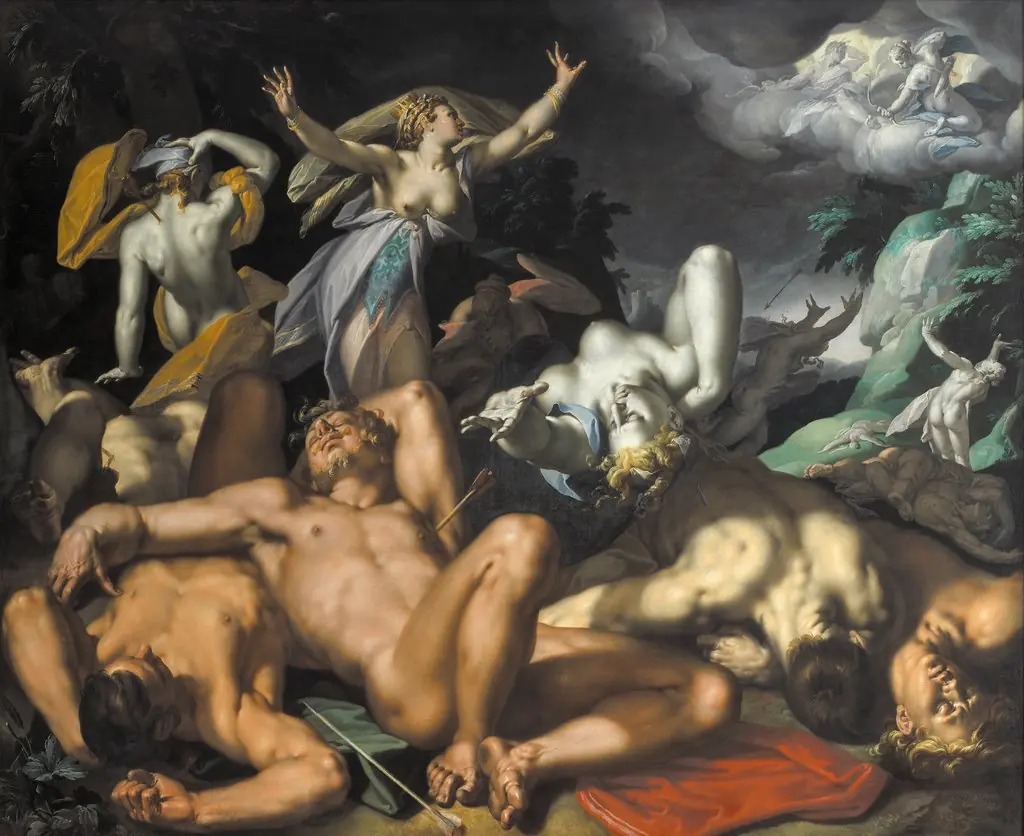 Apollo and Diana Punishing Niobe by Killing her Children
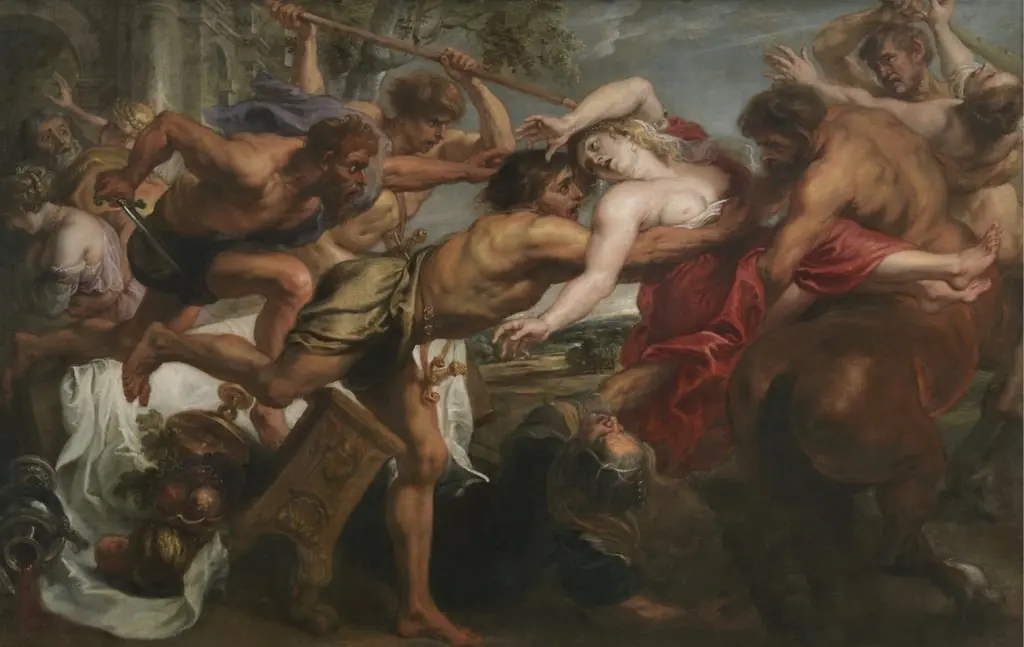 Rape of Hippodamia
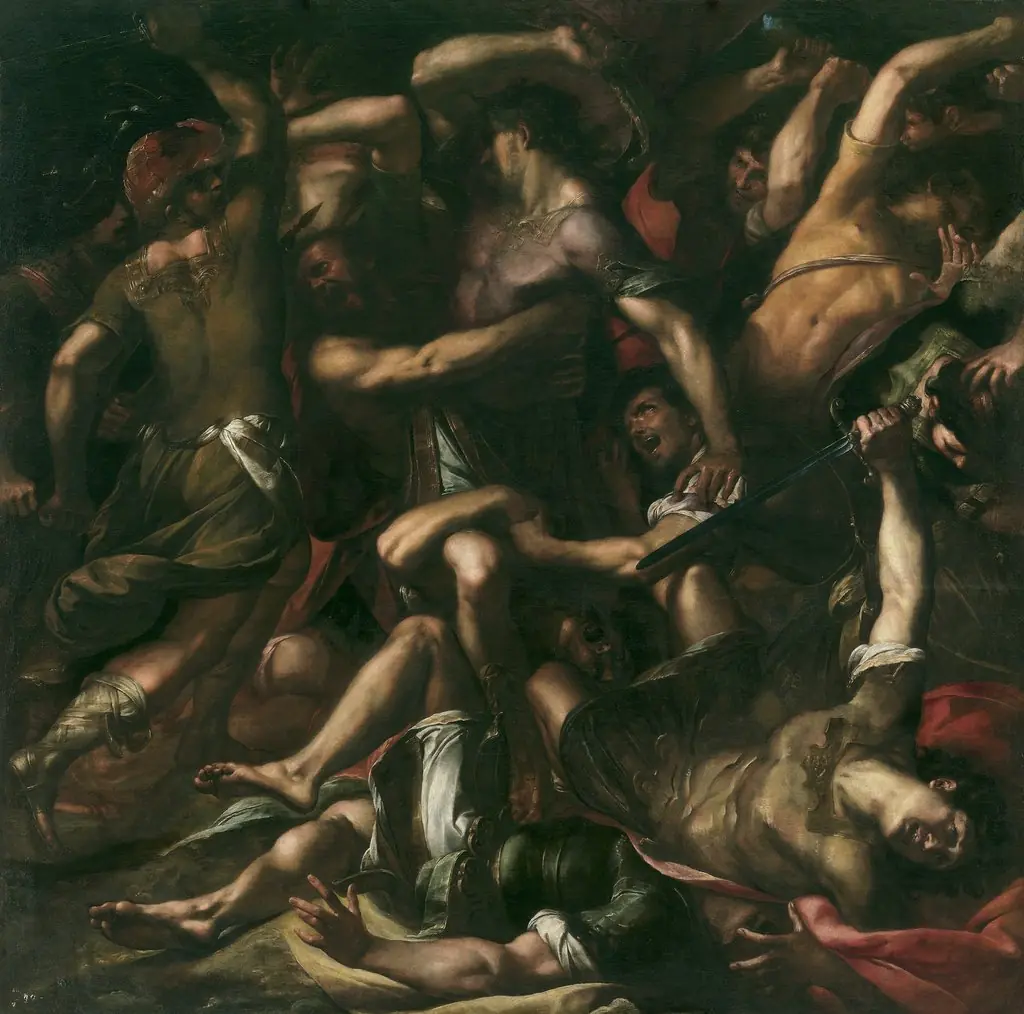 Samson and the Philistines
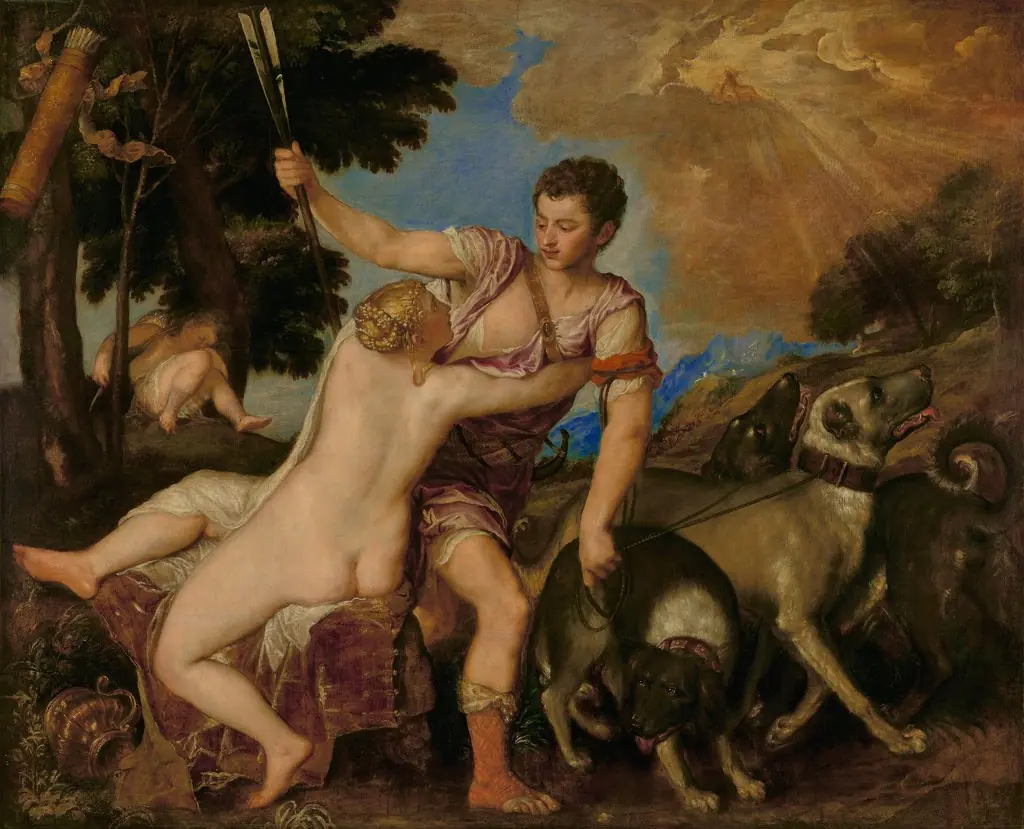 Venus and Adonis
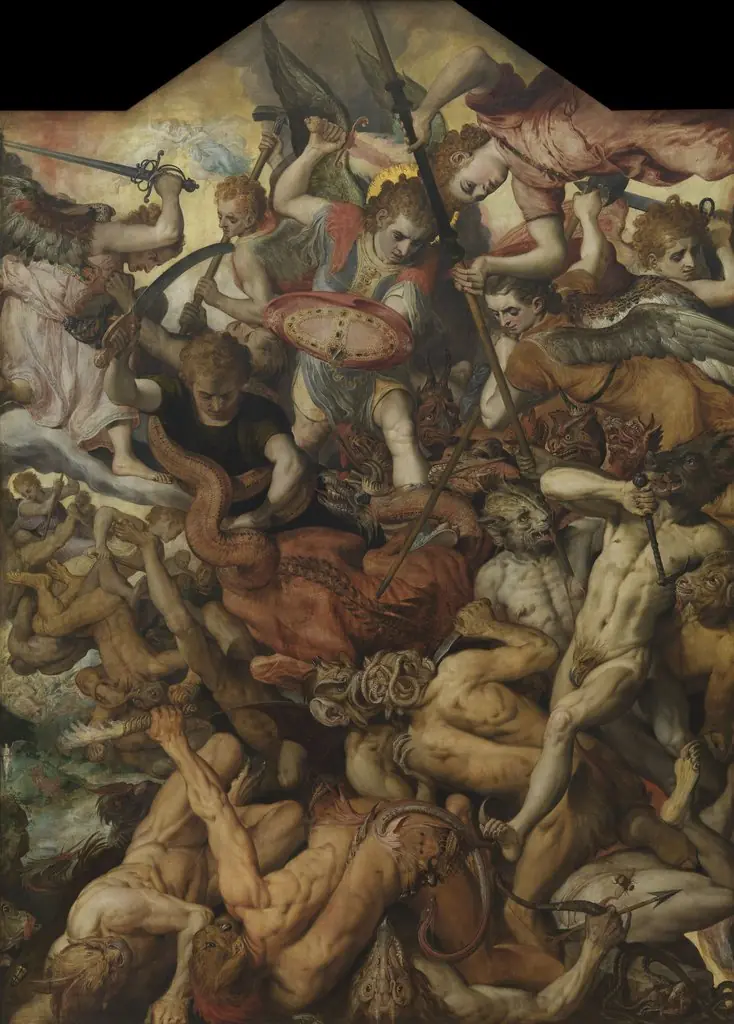 The Fall of the Rebel Angels
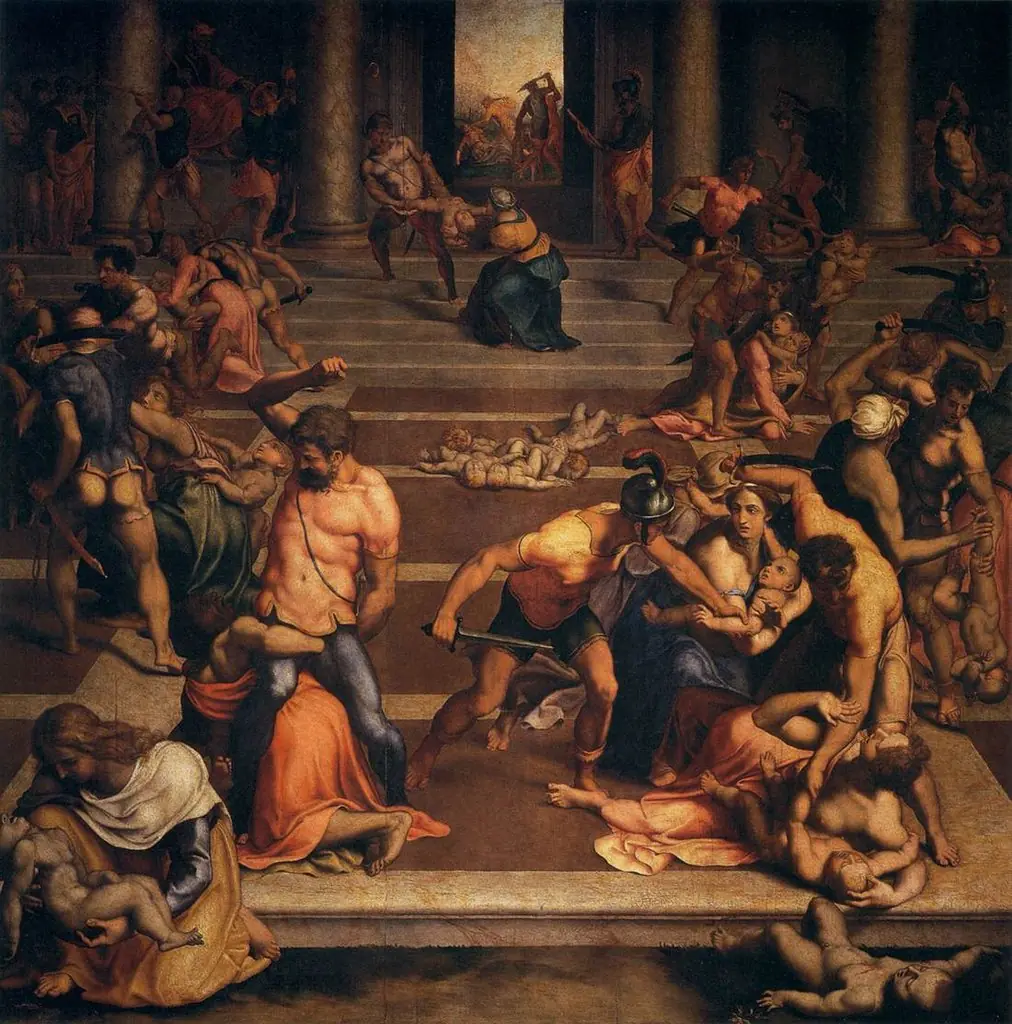 The Massacre of the Innocents
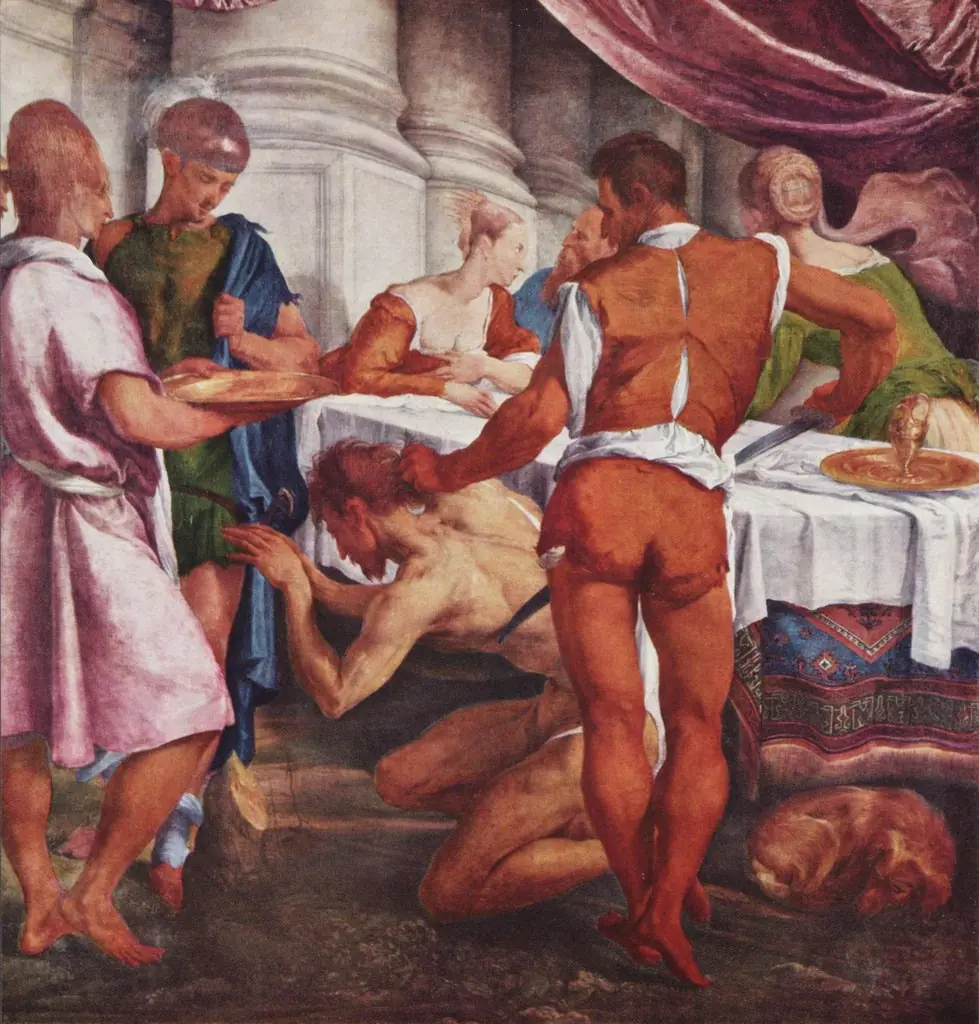 The Decapitation of St John the Baptist
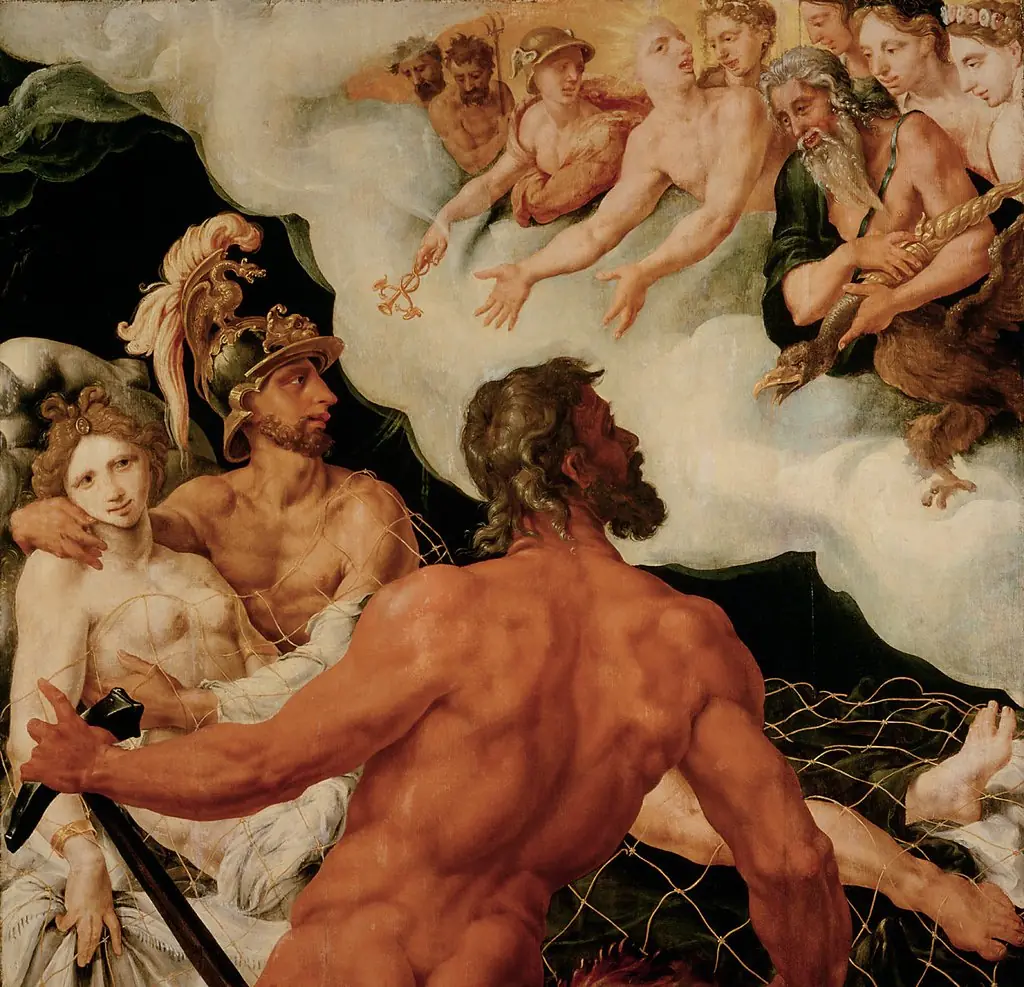 Vulcan showing the captured Mars and Venus to the gods
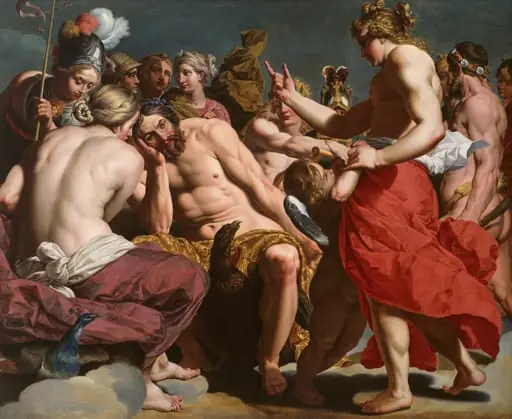 Jupiter Rebuked by Venus
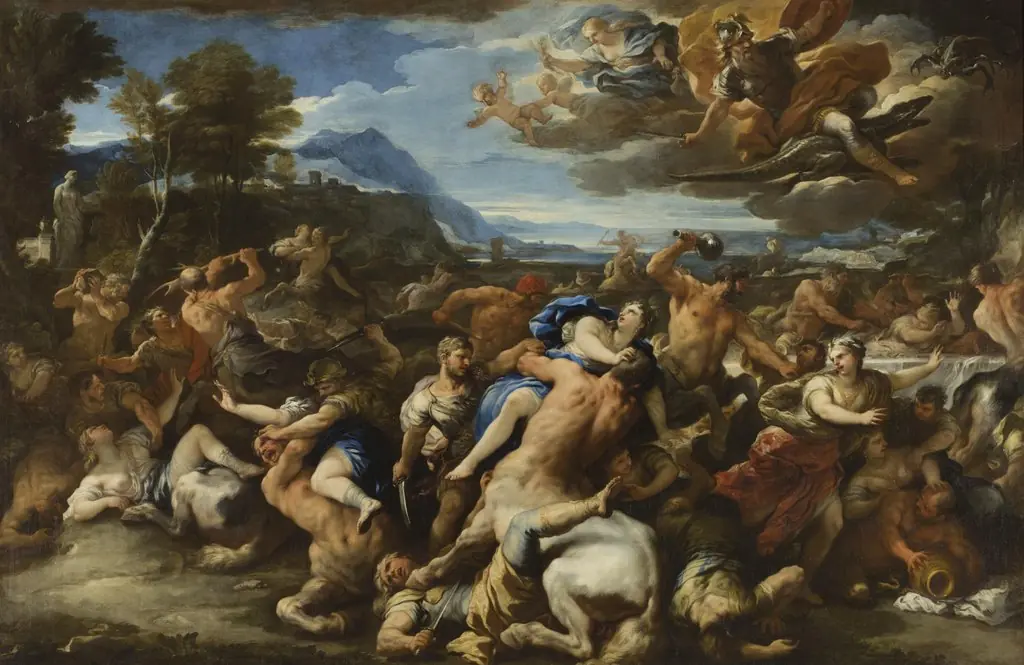 Battle Between the Lapiths and Centaurs