Artwork
Hobson's Conduit, Cambridge
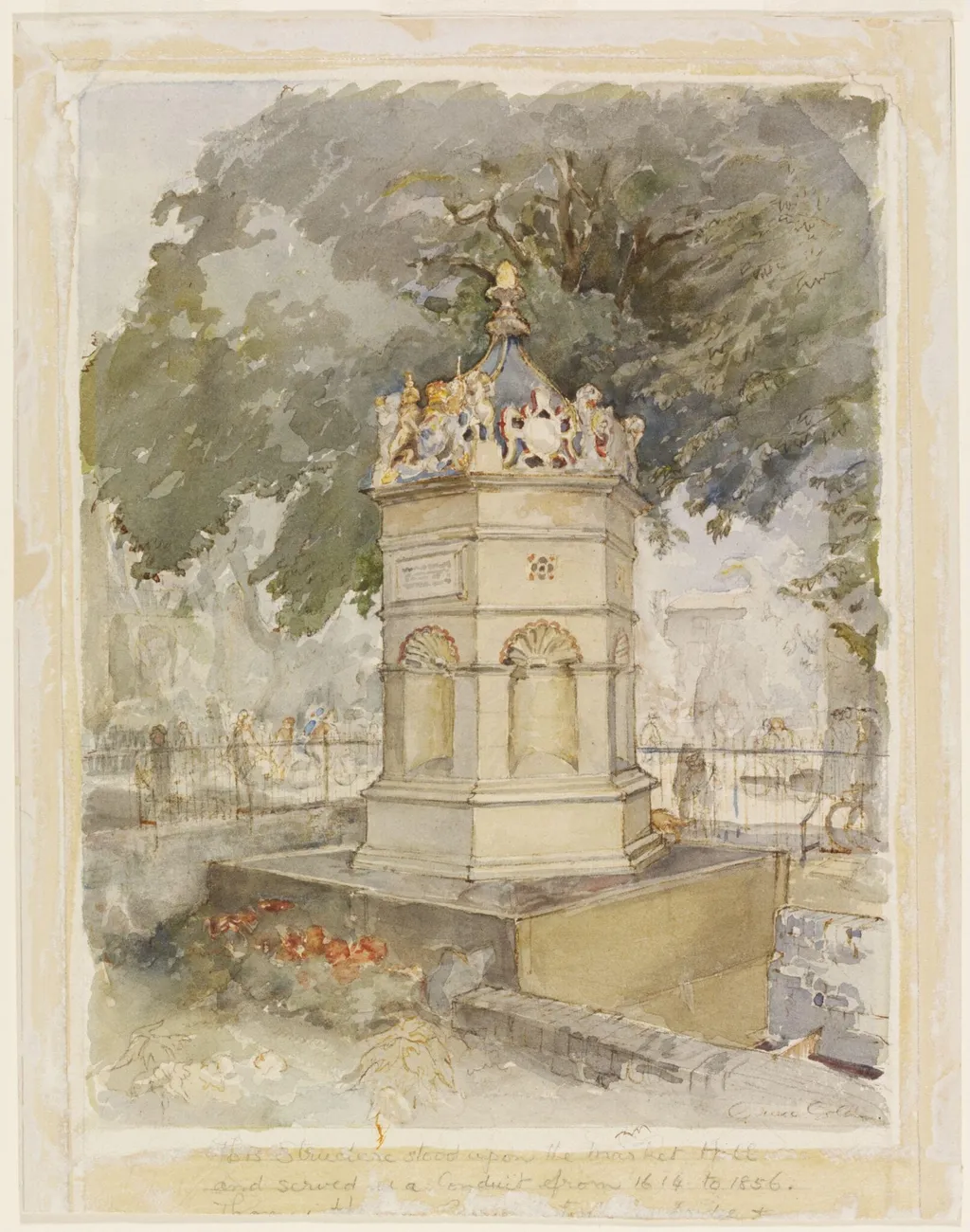
Hobson's Conduit, Cambridge is a watercolor work on paper by Golden. It dates from 1940 and is held in the collection of the Victoria and Albert Museum.
About this work
Overview
Hobson's Conduit, Cambridge is a watercolour painting created in 1940 by the artist Golden. The work depicts a historic fountain in Cambridge, showcasing its architectural details.
Subject & Meaning
The painting focuses on Hobson's Conduit, a fountain with a hexagonal structure on a plinth, set amidst a garden with trees and subtle human presence. The scene captures a tranquil moment, highlighting the fountain's ornate design.
Technique & Style
The watercolour is executed with loose brushstrokes and light colours, conveying a sense of spontaneity. The artist prioritised capturing the overall impression of the fountain and its surroundings over rendering precise details.
History & Provenance
This painting was produced as part of the Recording Britain project, a wartime initiative that documented Britain's landscape and national identity. The project was led by Sir Kenneth Clark and funded by the Pilgrim Trust.
Context
The Recording Britain project aimed to preserve a record of Britain's changing landscape amidst concerns over bomb damage and urban expansion during the Second World War.
Artist & collection
Artist
Golden painted quiet corners you’ve walked past a hundred times. In the 1940s, while everyone chased bigger dramas, he set up his watercolours on Cambridge doorsteps and let the city’s brick and sky do the talking. Look…

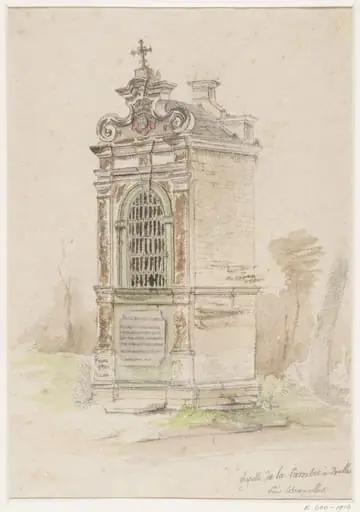 Chapelle de la Cambre à Ixelles, près Bruxelles
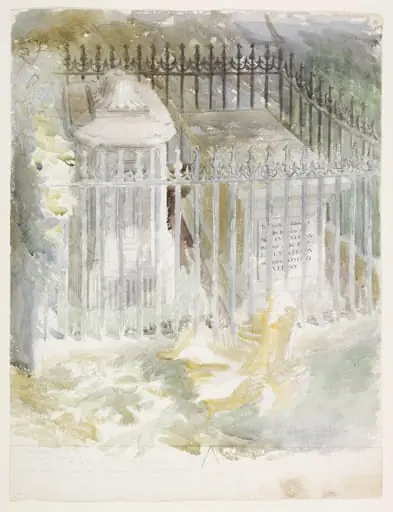 Tomb of Miss Ann Nelson, sister of Horatio Nelson, Bathford churchyard, Bath
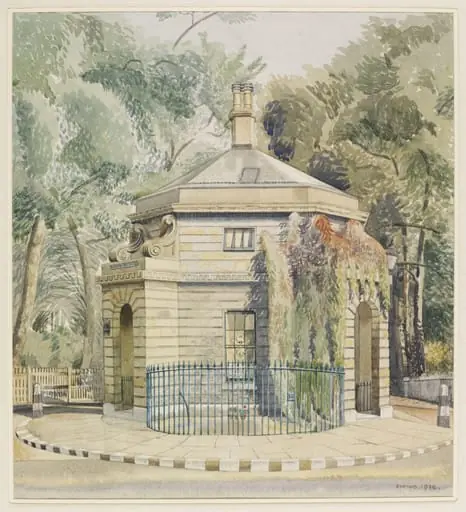 Hanover Gate, Regent's Park, N.W.8
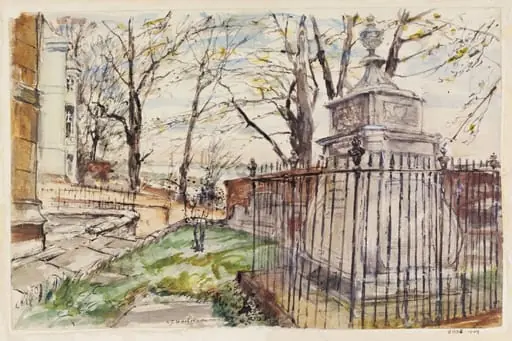 Hogarth's Tomb and Chiswick Reach
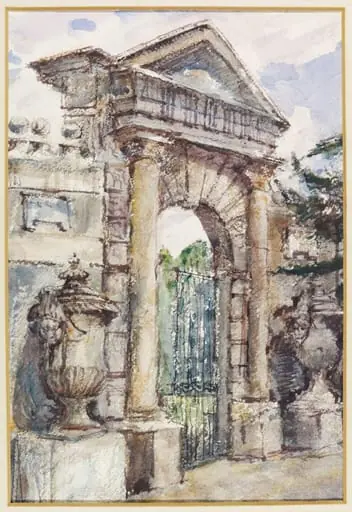 The Inigo Jones Gate, Chiswick House
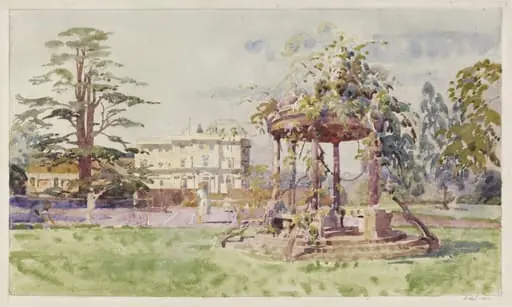 Cannons Park, Edgware; from the Tennis Courts
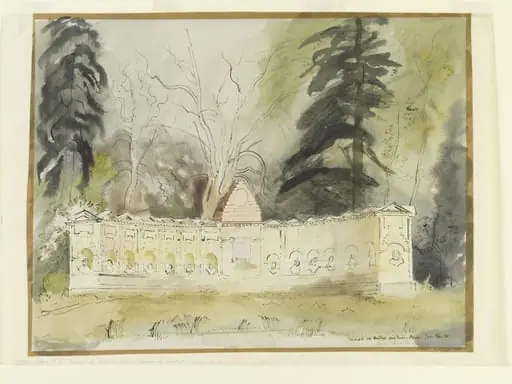 The Temple of British Worthies, Stowe, Gloucestershire
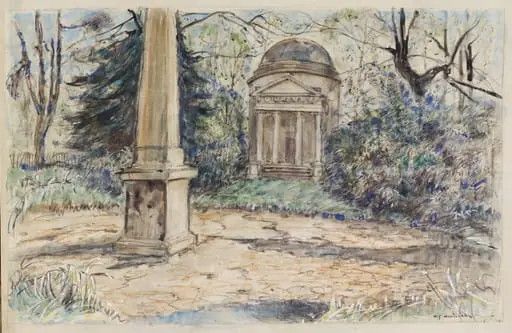 The Temple and the Obelisk, Chiswick House
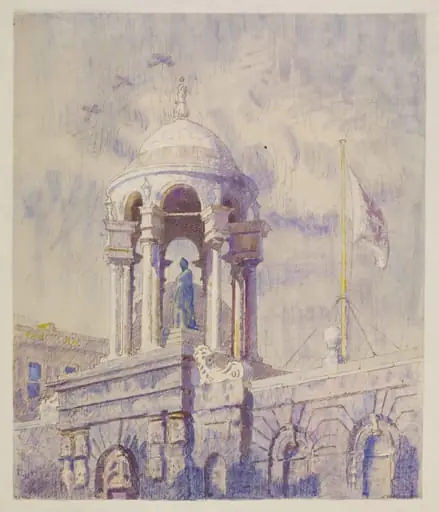 The Dome of Queen's College, Oxford
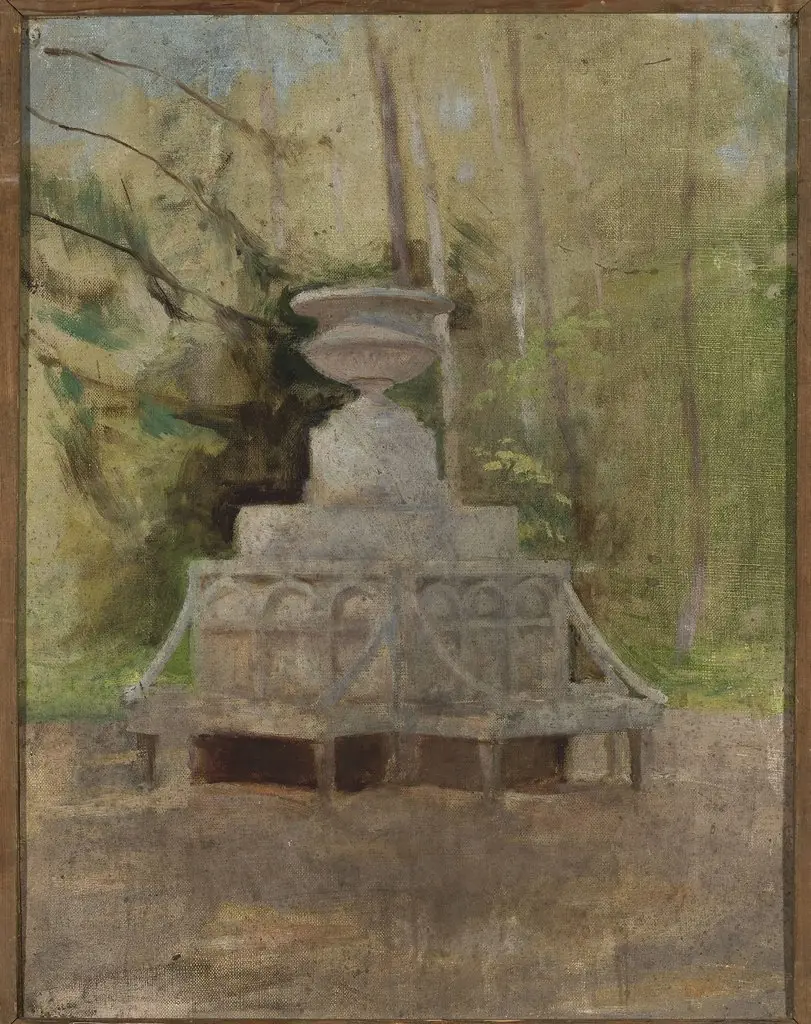 Park motif from Talashkino
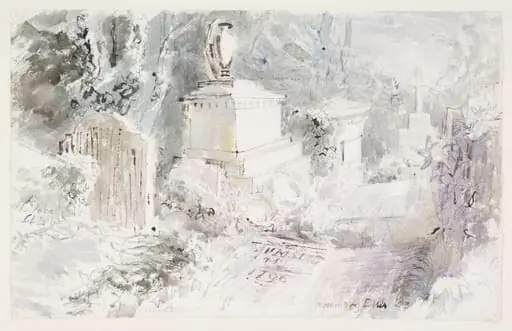 Tombstones, Bathampton Cemetary, Bath
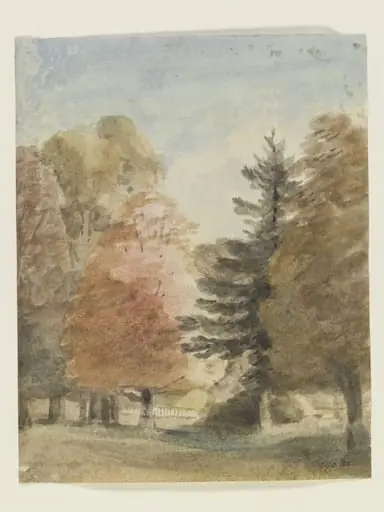 Study of trees in a park, perhaps Helmingham Park