Artwork
Chapelle de la Cambre à Ixelles, près Bruxelles
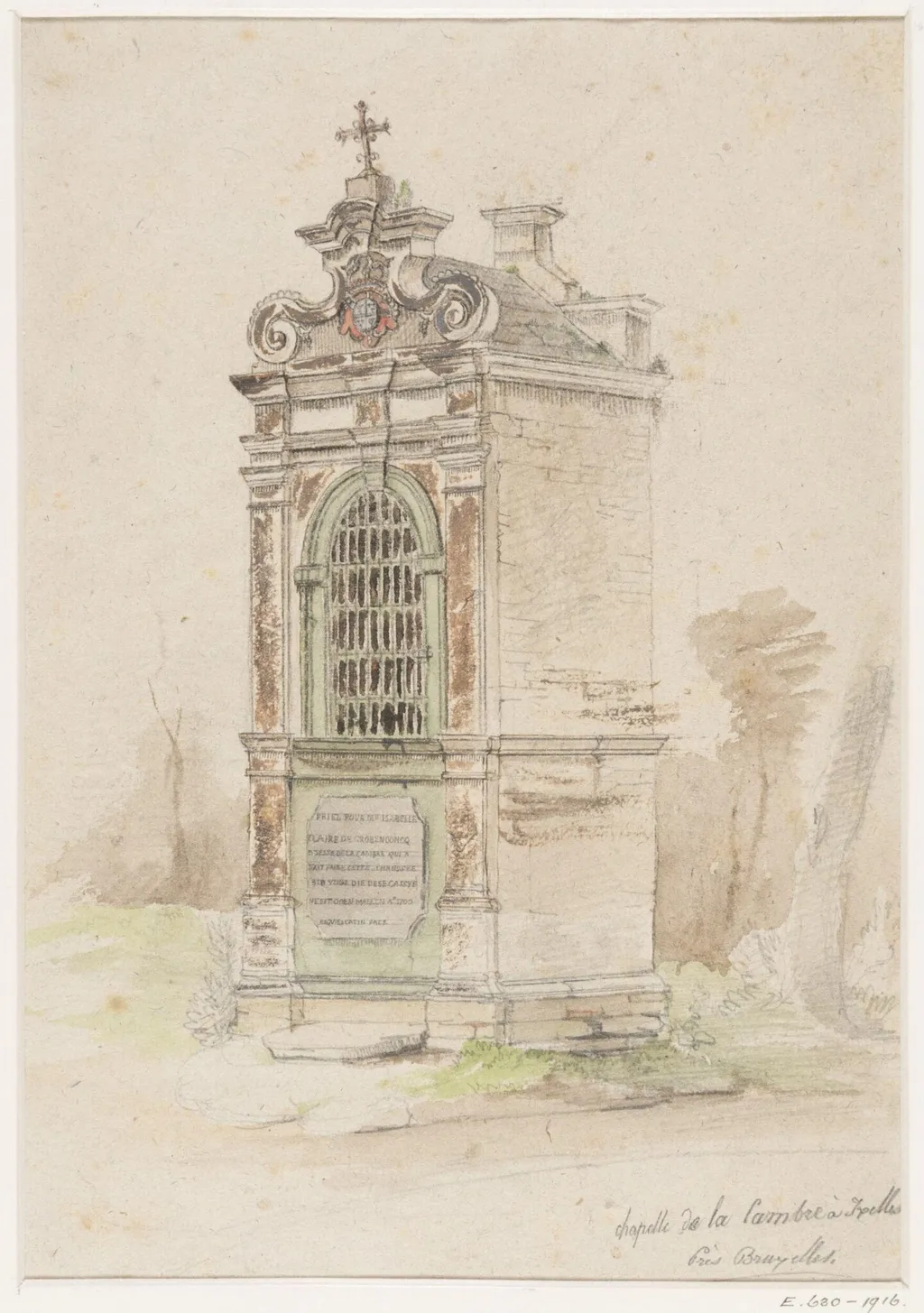
Chapelle de la Cambre à Ixelles, près Bruxelles is a drawing by Thomas Sidney Cooper. It dates from 1850 and is held in the collection of the Victoria and Albert Museum.
About this work
Overview
Thomas Sidney Cooper’s 1850 drawing records the Chapelle de la Cambre, a modest stone chapel situated in the Ixelles district near Brussels. Executed in pencil with watercolor washes, the work captures the building’s slender, arched window and its ornamental roof capped by a cross, set against a lightly rendered parkland backdrop.
Subject & Meaning
The composition focuses on the chapel’s architectural details, emphasizing its delicate stone carvings and the intricate mullioned window. By placing the structure within a tranquil garden scene, Cooper highlights the harmony between built form and natural surroundings, suggesting a contemplative space within an urban setting.
Technique & Style
Cooper employs fine cross‑hatching and stippling to model stone surfaces and foliage, creating subtle tonal variations. The watercolor is applied thinly, lending a soft atmospheric quality that balances the precise pencil lines. This combination of drawing and wash demonstrates the artist’s command of texture and depth without resorting to heavy pigment.
History & Provenance
Created in the mid‑nineteenth century, the drawing reflects Cooper’s interest in European locales beyond his usual rural subjects. While the work’s ownership trail is not extensively documented, it remains associated with collections focusing on Belgian architectural studies and nineteenth‑century British draughtsmanship.
Artist & collection
Artist
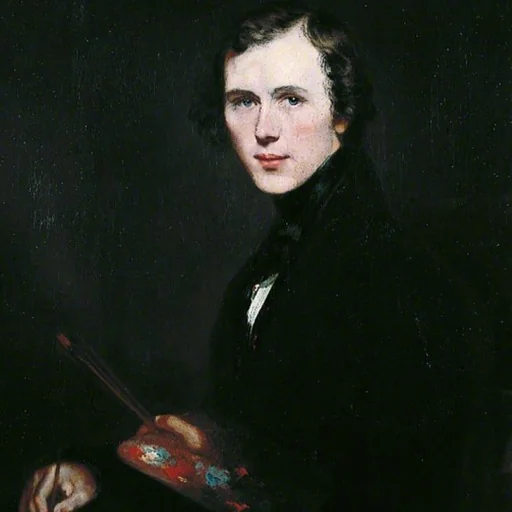
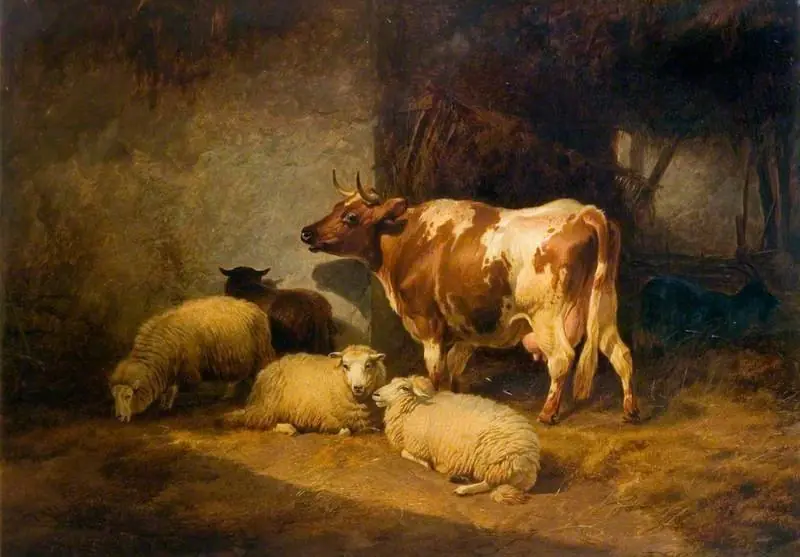
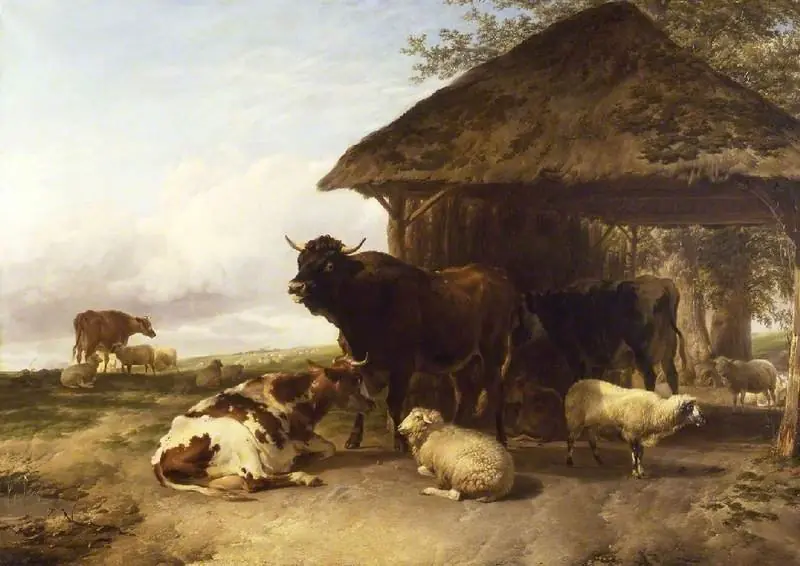
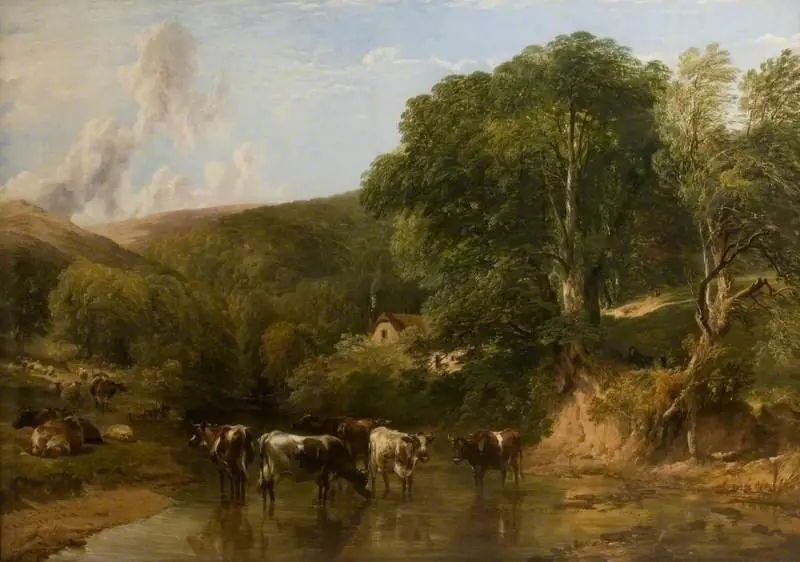
Thomas Sidney Cooper was an English landscape painter from Canterbury, noted for his images of cattle and farm animals.


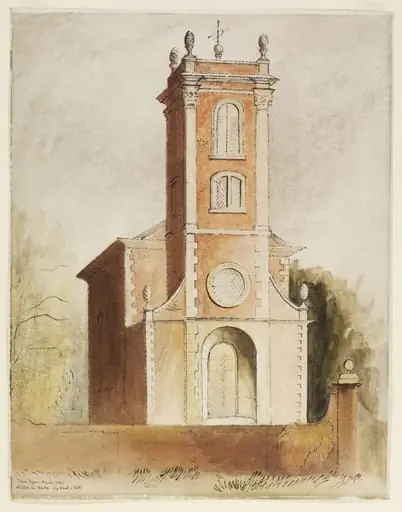 Busby's Church, Willen
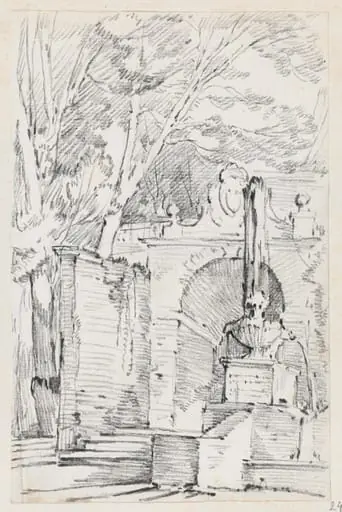 Fountain of Pomona in the Gardens of the Villa d'Este, Tivoli
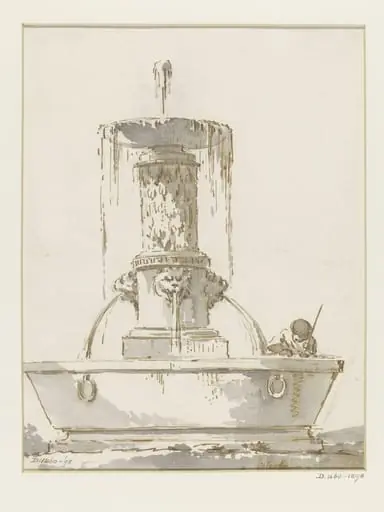 Drawing of fountain
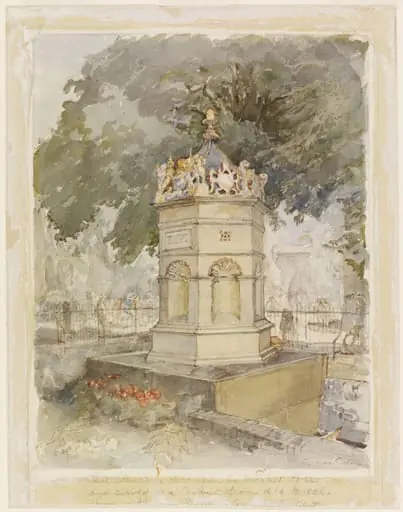 Hobson's Conduit, Cambridge
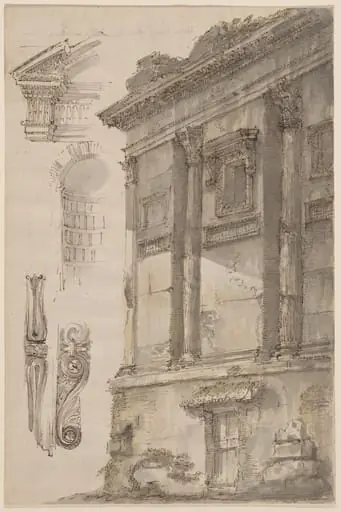 Studies of the Cenotaph of Annia Regilla
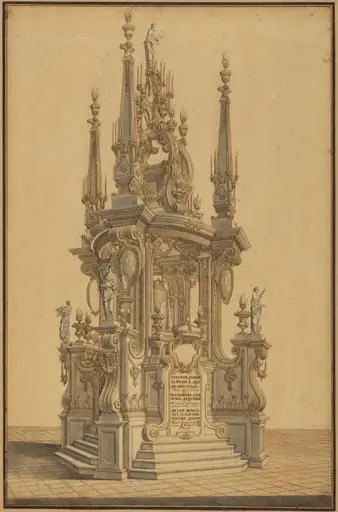 Magnificent Catafalque in Honor of John III, King of Poland
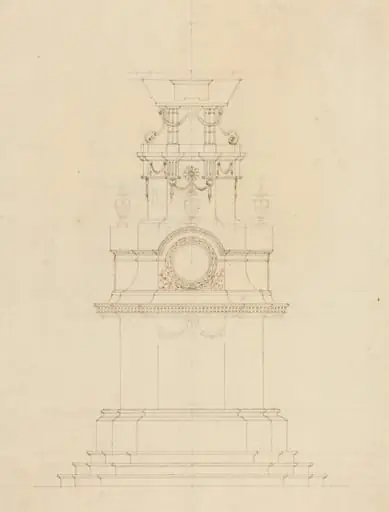 Design for a Catafalque
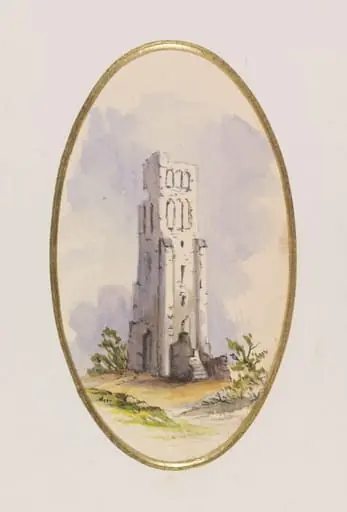 Ruin near Arimathea
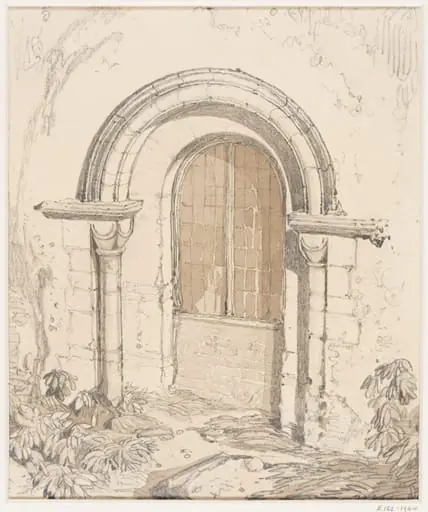 Norman doorway of St. Mary's Church, Thetford, Suffolk
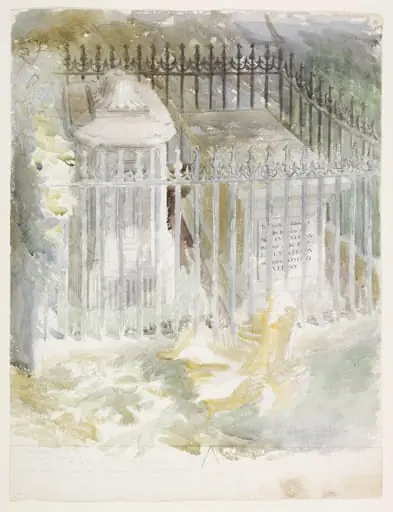 Tomb of Miss Ann Nelson, sister of Horatio Nelson, Bathford churchyard, Bath
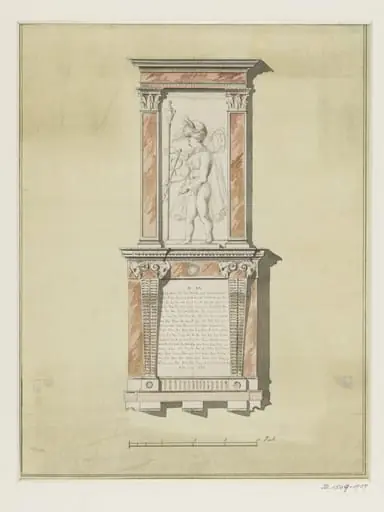 Untitled
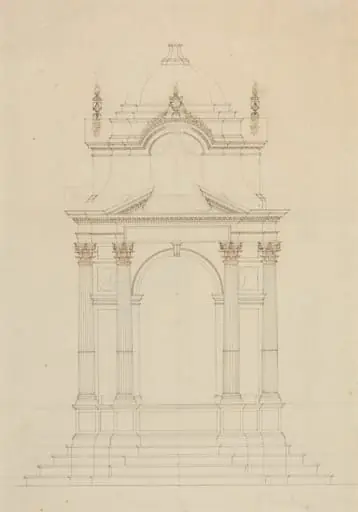 Design for a Baldaquin