Artwork
Pride
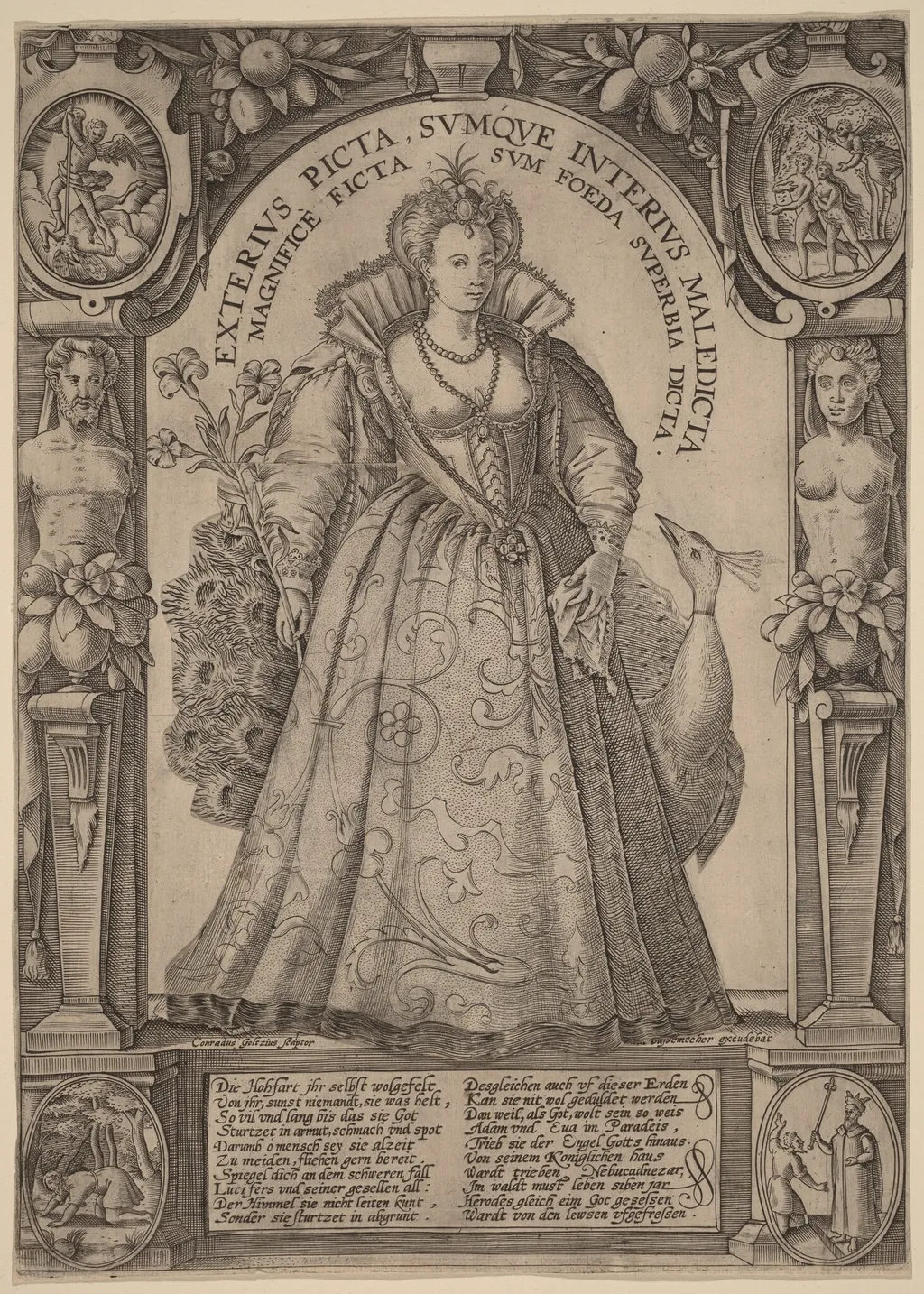
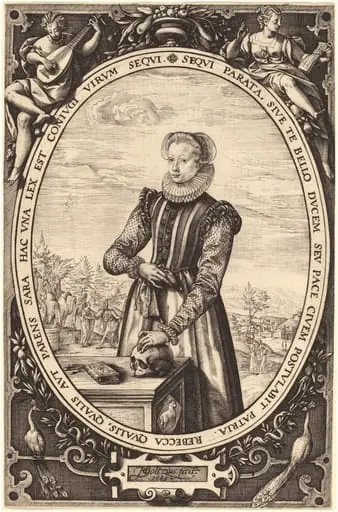
Pride is an ink print by the Renaissance artist Conrad Goltzius. It dates from 1607 and is held in the collection of the National Gallery of Art.
About this work
Overview
Conrad Goltzius’s 1607 print titled Pride is an engraving executed on laid paper that incorporates a removable flap. The central figure is a woman dressed in an elaborate gown, holding a fan and a scroll, surrounded by smaller vignettes of musicians, scholars and decorative motifs. Latin inscriptions and ornamental borders frame the composition, creating a complex visual narrative.
Subject & Meaning
The dominant female figure, poised with luxurious accessories, serves as an allegorical embodiment of pride. The surrounding scenes—people with instruments, books, and other symbols of learning and leisure—contrast with the central theme, suggesting a moral commentary on the excesses of self‑esteem and vanity common in early‑modern emblematic art.
Technique & Style
Goltzius employs the fine, cross‑hatched line work characteristic of early 17th‑century engravings to model form and generate subtle tonal variations. The use of laid paper, with its visible ribbed texture, enhances the depth of the image, while the liftable flap demonstrates a playful, interactive element rarely seen in prints of the period.
History & Provenance
Created in 1607, Pride reflects the flourishing print culture of the Dutch Golden Age, when engravers produced didactic images for a growing literate audience. The work has been documented in several European collections, though its precise ownership trail prior to the 19th century remains incomplete.
Context
The engraving aligns with contemporary emblem books that paired visual allegories with Latin mottos to convey moral lessons. Goltzius, a member of a prominent family of artists, contributed to this tradition by integrating intricate decorative borders and textual elements that reinforce the work’s instructional purpose.
Legacy
While not as widely reproduced as later emblematic prints, Pride exemplifies the technical skill and didactic intent of early modern Dutch engraving. Its combination of detailed line work, interactive components, and moral symbolism continues to inform studies of printmaking practices and visual rhetoric of the period.
Artist & collection

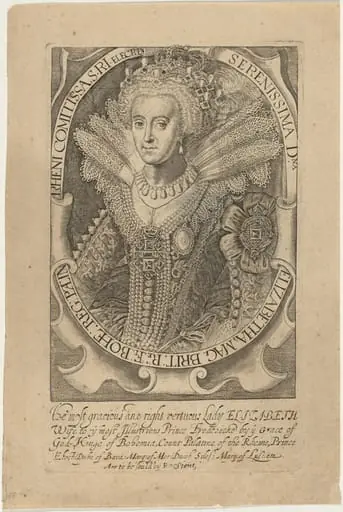 Elizabeth, Queen of Bohemia
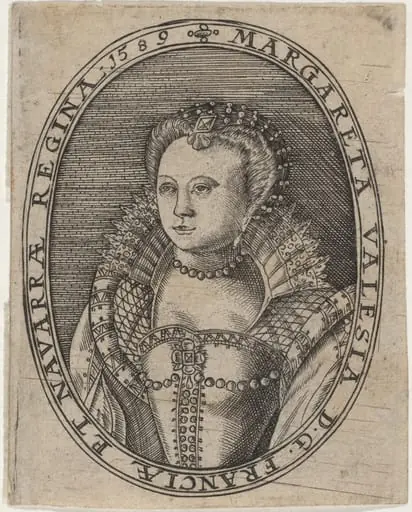 Marguerite de Valois, Wife of Henry of Navarre
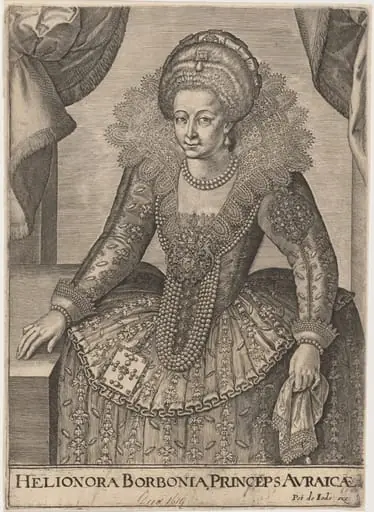 Eleanora, Princess of Orange
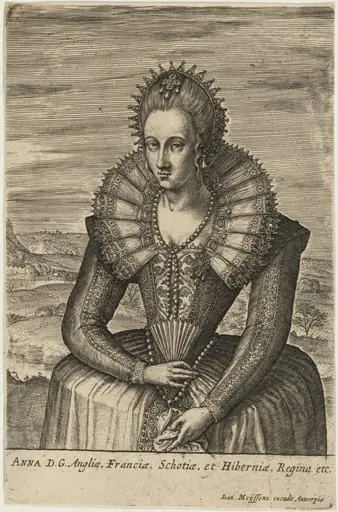 Anne of Denmark
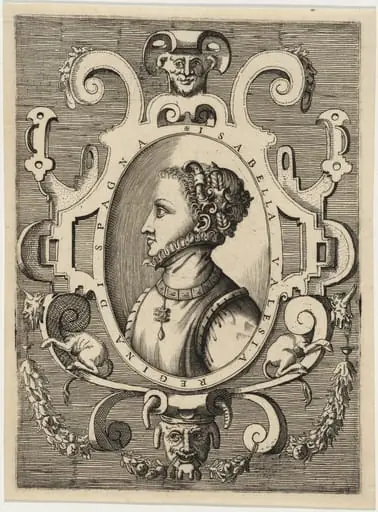 Isabella, Wife of Philip IV of Spain
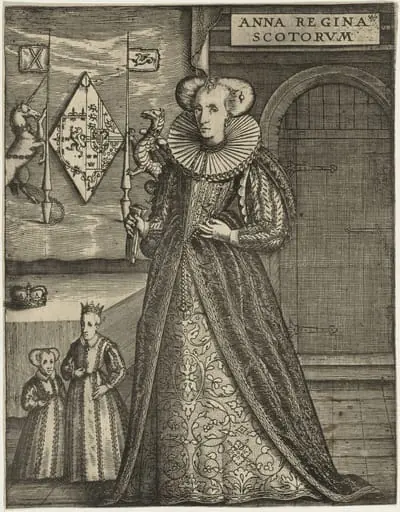 Anne of Denmark
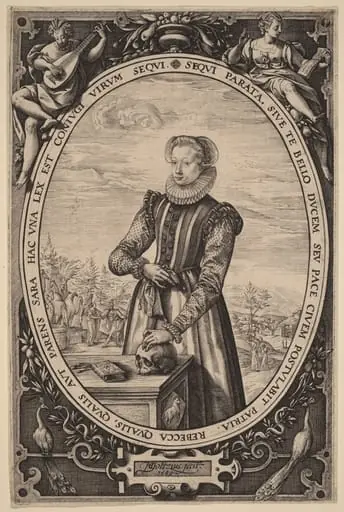 Josina Hamels
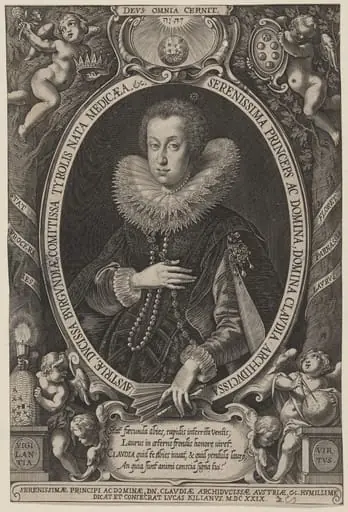 Claudia de Medici, Wife of Leopold of Austrian Tyrol
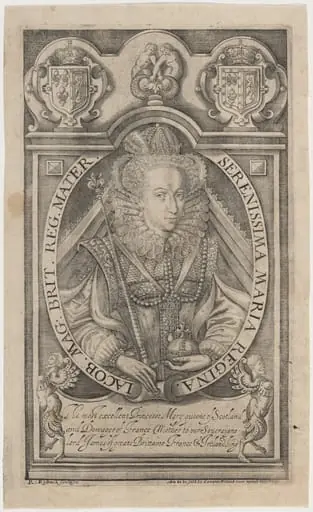 Mary, Queen of Scots
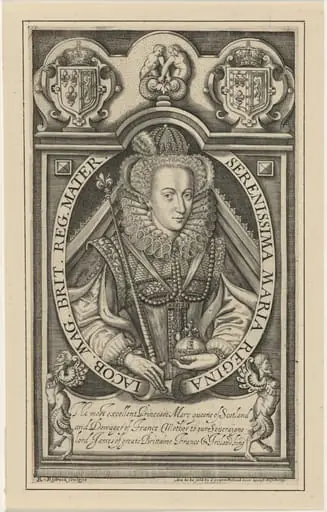 Mary, Queen of Scots
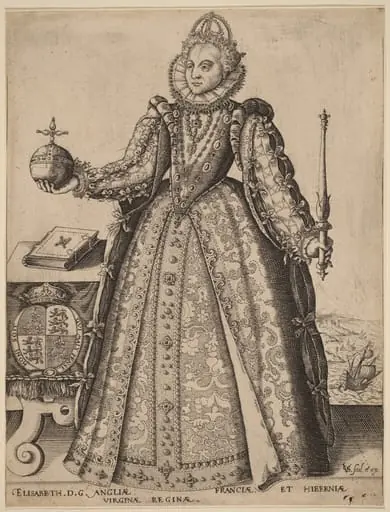 Elizabeth, Queen of Great Britain
 Josina Hamels