Artwork
Elizabeth, Queen of Great Britain
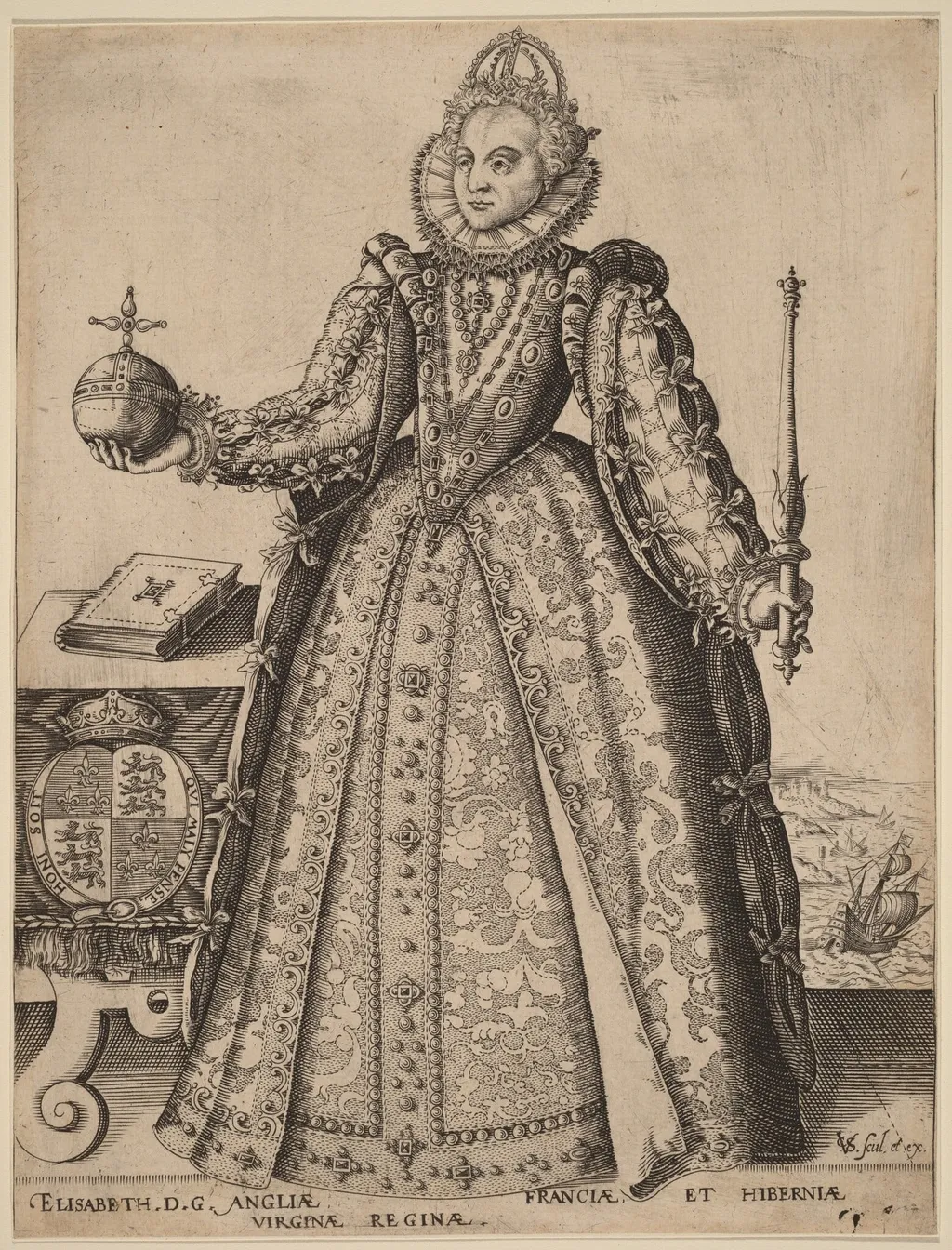
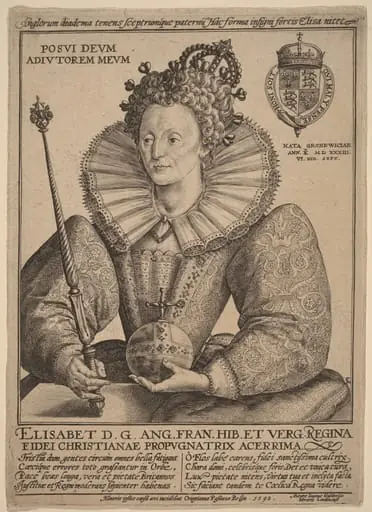
Elizabeth, Queen of Great Britain is an ink print by the Baroque artist Christoffel van Sichem I. It dates from 1601 and is held in the collection of the National Gallery of Art.
About this work
Overview
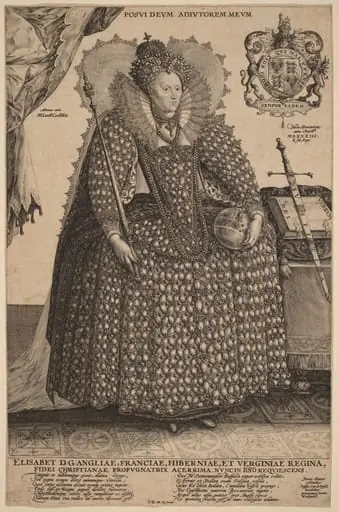
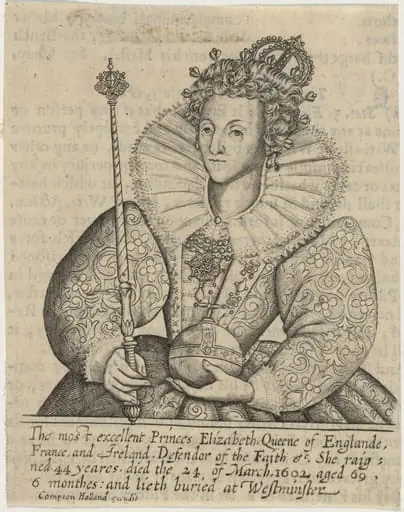
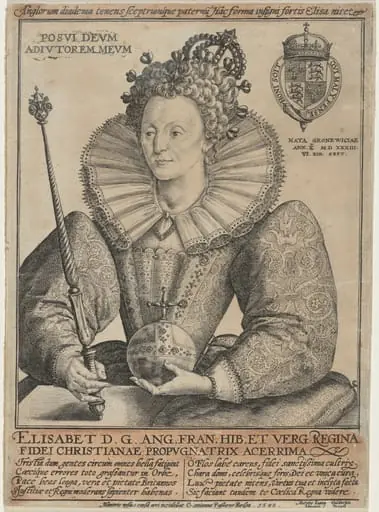
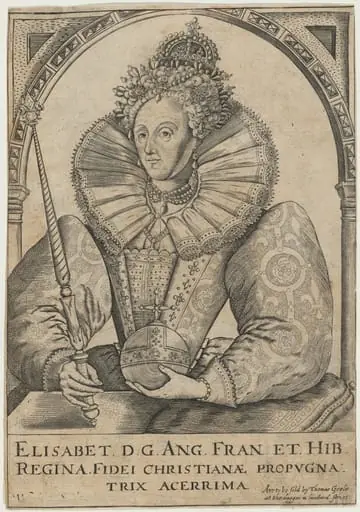
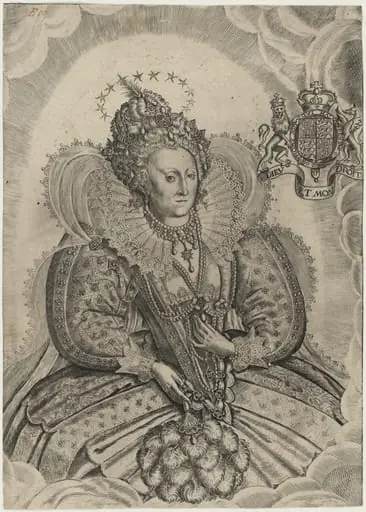
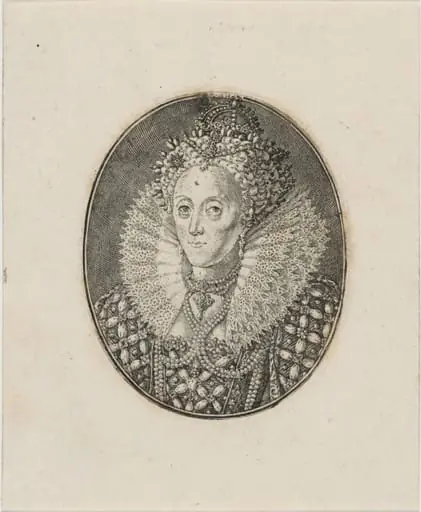
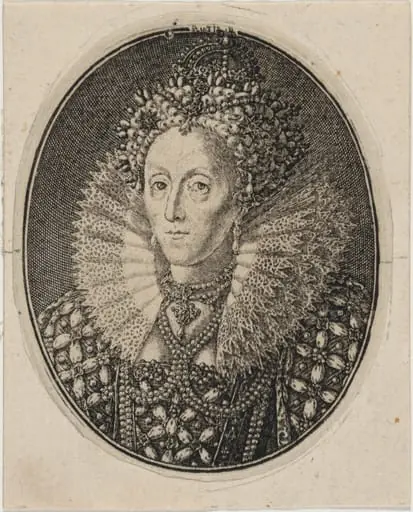
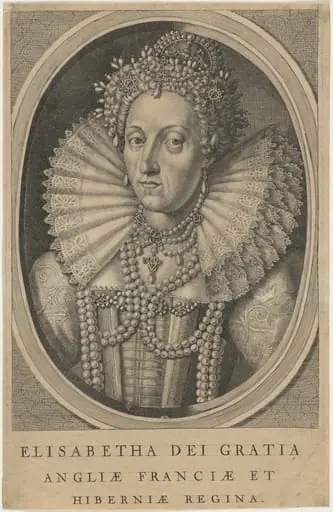
Christoffel van Sichem I created the engraving 'Elizabeth, Queen of Great Britain' in 1601. The work depicts Queen Elizabeth in a symbolic pose, surrounded by elements of power, knowledge, and national identity.
Subject & Meaning
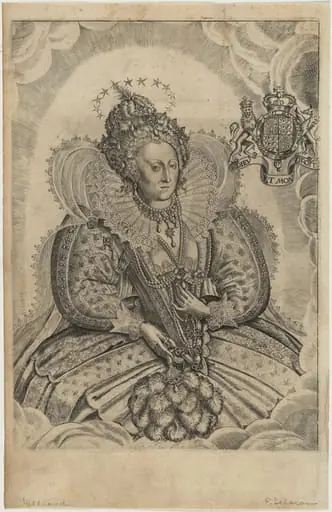
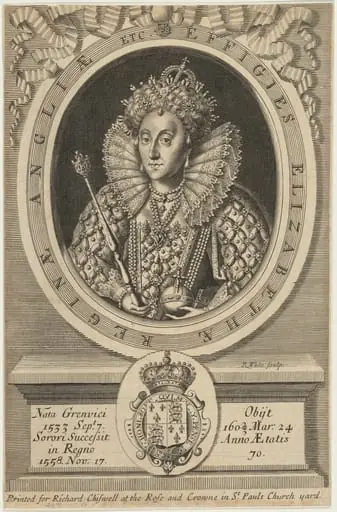
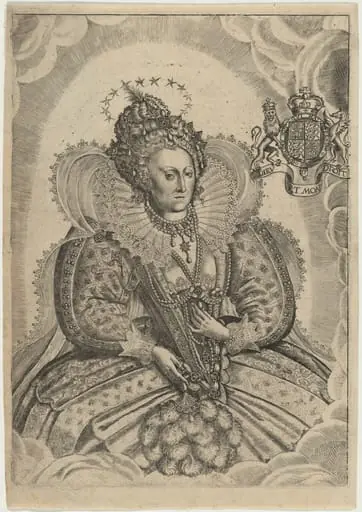
The engraving portrays Queen Elizabeth wearing elaborate attire with a ruffled collar and sleeves, holding a globe and scepter. These symbols convey her authority and intellectual stature. A shield with a lion, a crowned book, and a nearby ship further emphasize her reign's characteristics: strength, learning, and maritime dominance.
Technique & Style
As an engraving on laid paper, the piece showcases the detailed, high-contrast capabilities of the medium. The level of intricacy in the queen's attire, the textures of the globe and scepter, and the background elements demonstrate van Sichem's skill in achieving nuanced detail through engraving.
History & Provenance
Created in 1601, the engraving 'Elizabeth, Queen of Great Britain' by Christoffel van Sichem I is a product of its time, reflecting the artistic and political climate of the early 17th century. Provenance details are not specified in the provided information.
Context
The engraving was produced during a period of significant cultural and political transformation in Britain. It captures the enduring image of Elizabeth, who had passed away in 1603, just two years after the engraving's creation, reflecting her lasting legacy in the transitional years leading to the Stuart dynasty.
Legacy
This engraving contributes to the visual canon of Queen Elizabeth's portrayal, highlighting her revered status through symbolic attributes. It also stands as an example of early 17th-century engraving techniques, preserving both artistic and historical value.
Artist & collection