Artwork
Euterpe
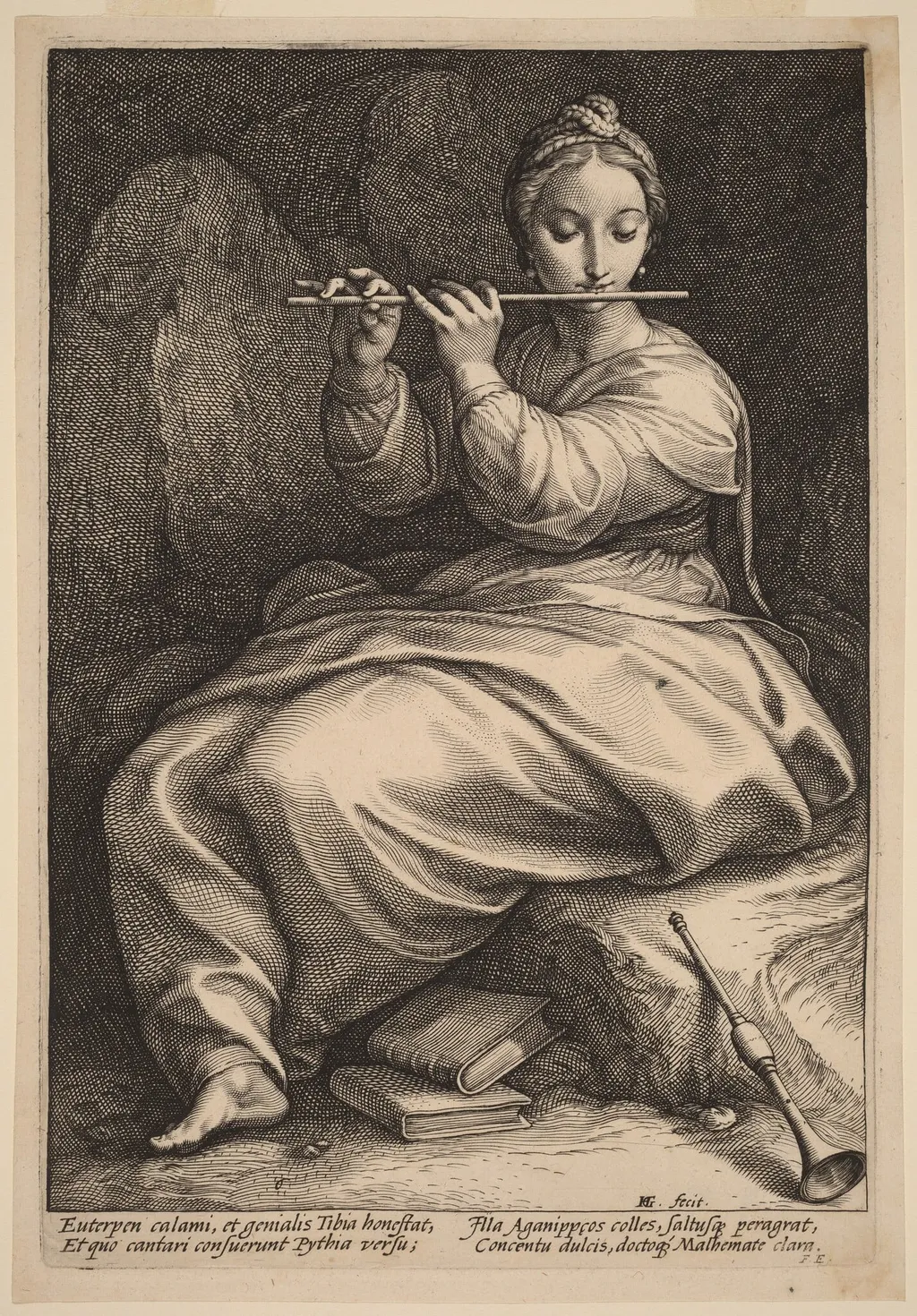
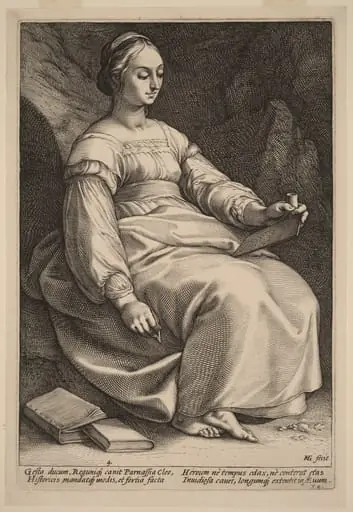
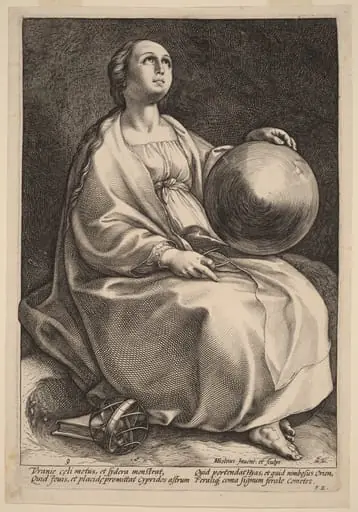
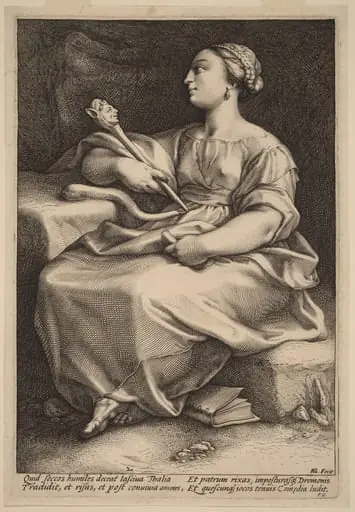
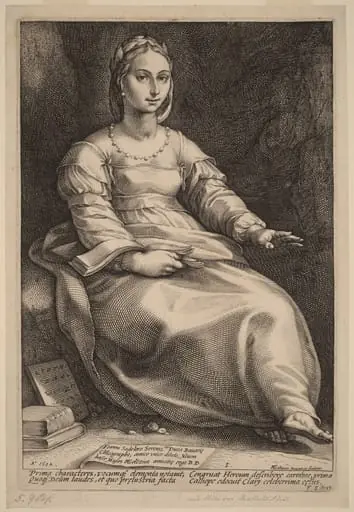
Euterpe is an ink print by the Renaissance artist Hendrik Goltzius. It dates from 1592 and is held in the collection of the National Gallery of Art.
About this work
Overview
Euterpe is an engraving created by Hendrick Goltzius around 1592, exemplifying the artist's technical prowess in printmaking, a medium central to his early reputation.
Subject & Meaning
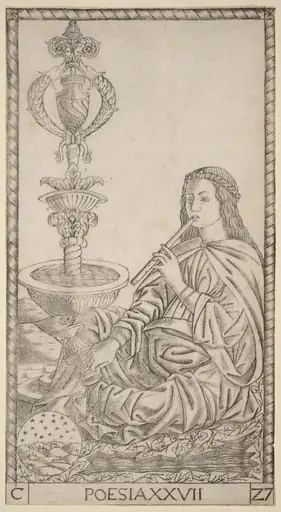
The engraving depicts a winged, robed woman playing a lute, identified as Euterpe, the Greek muse of music and song, symbolizing the embodiment of musical inspiration.
Technique & Style
Characterized by intricate, tiny lines etched into a metal plate, the work showcases Goltzius's mastery of engraving techniques, hallmark of his contribution to Northern Mannerism.
History & Provenance
Created in the early Baroque period, Euterpe marks a pivotal work in Goltzius's career as a printmaker before his transition to painting, with the artist's nationality as a German-born Dutch.
Context
Euterpe reflects the Northern European fascination with classical themes during the late 16th century, blending mythological subject matter with the refined technique of the era's printmaking.
Legacy
As one of Goltzius's notable engravings, Euterpe contributes to his lasting influence on Dutch printmaking and the broader development of Northern Mannerism in art.
Artist & collection
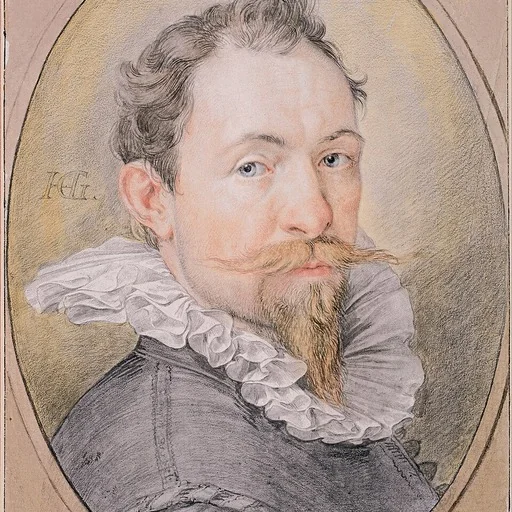
Artist
Hendrick Goltzius (German: , Dutch: ; né Goltz; January or February 1558 – 1 January 1617) was a German-born Dutch printmaker, draftsman, and painter.