Artwork
The Mocking of Ceres
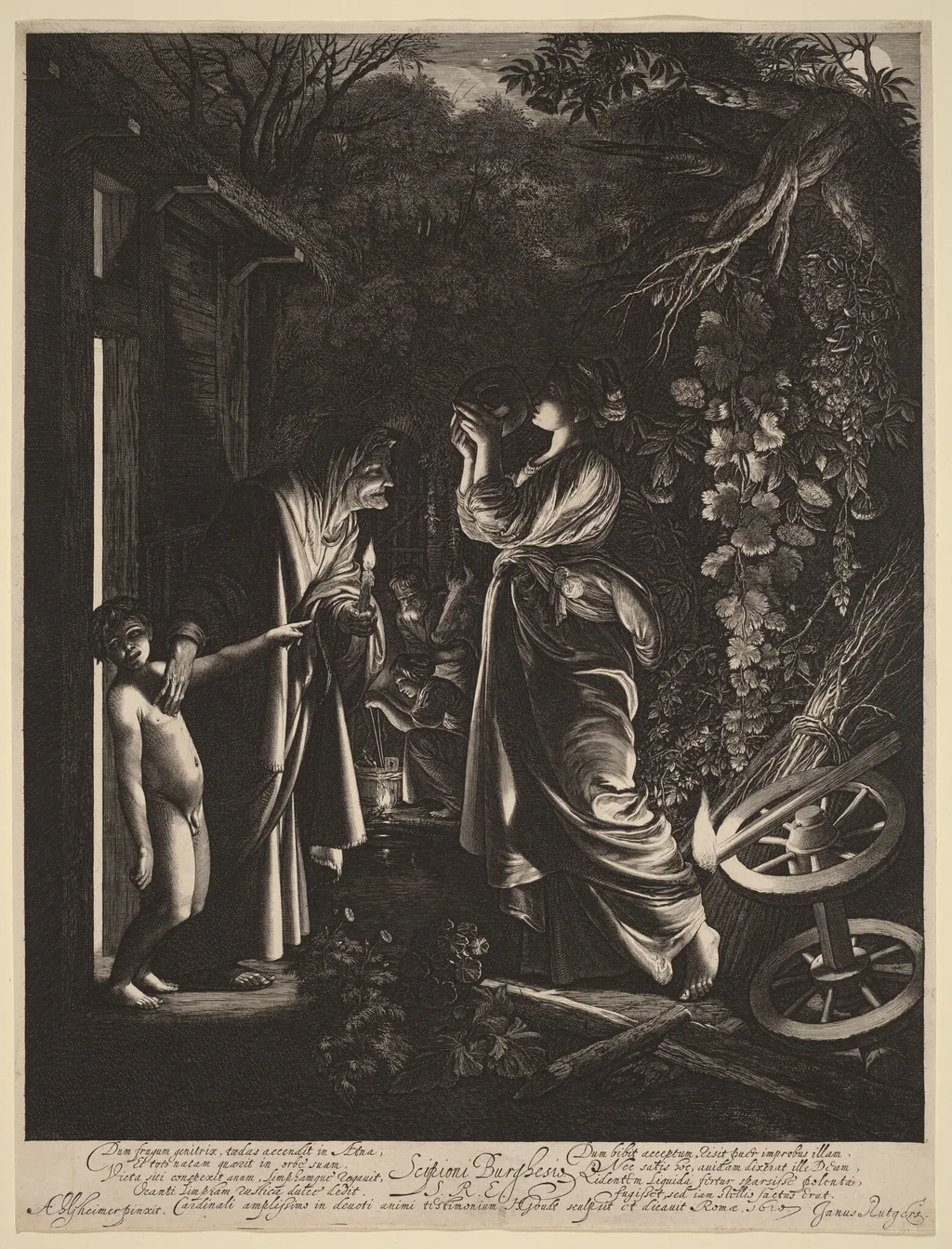
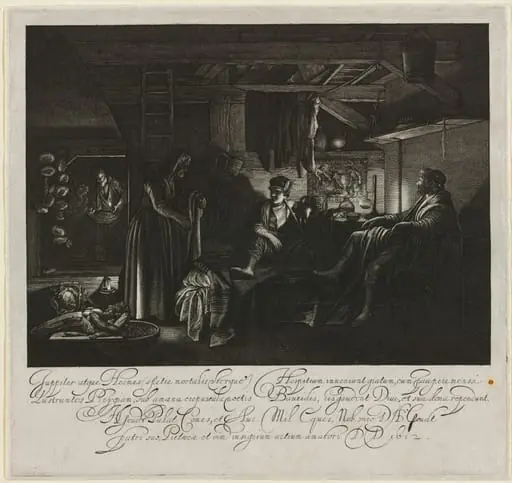
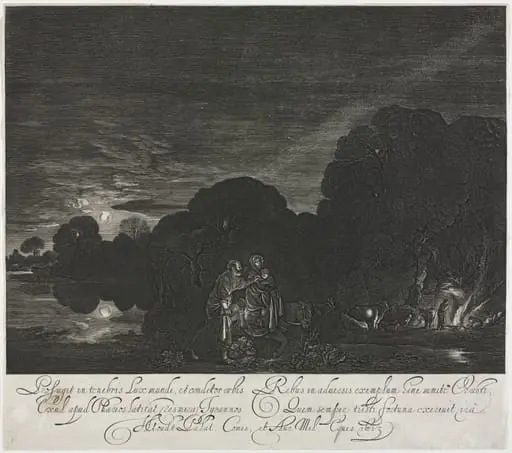
The Mocking of Ceres is an ink print by the Baroque artist Hendrik Goudt. It dates from 1610 and is held in the collection of the National Gallery of Art.
About this work
Overview
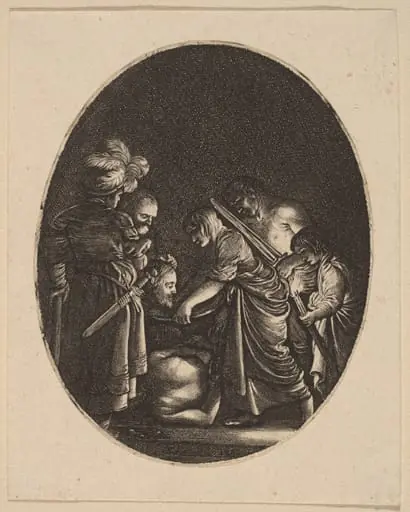
Hendrik Goudt’s engraving titled The Mocking of Ceres dates from 1610. Executed as a print, the work depicts the Roman goddess of agriculture seated amid a group of onlookers who gesture and laugh at her. The composition captures a moment of quiet resignation, as Ceres clutches a sheaf of wheat while her expression remains weary rather than confrontational.
Subject & Meaning
Surrounded by mocking figures, she appears isolated, holding the wheat bundle as a symbol of her dwindling power or the precarious state of the harvest.
The image presents Ceres, traditionally associated with grain and fertility, as a figure of subdued endurance. Surrounded by mocking figures, she appears isolated, holding the wheat bundle as a symbol of her dwindling power or the precarious state of the harvest. The work may reflect contemporary anxieties about agricultural failure or serve as an allegorical commentary on societal disregard for essential labor.
Technique & Style
Goudt employs fine, densely packed lines to model the folds of Ceres’s drapery, while broader, more open strokes suggest the expanse of sky. The engraving relies on cross‑hatching—a network of intersecting lines—to achieve tonal depth, creating subtle shadows that give the figures a three‑dimensional presence despite the medium’s flatness.
History & Provenance
Created in the early seventeenth century, The Mocking of Ceres is part of Goudt’s broader oeuvre of religious and mythological prints. The engraving is held in the collection of the National Gallery of Art in Washington, where it is displayed alongside other works that illustrate the period’s printmaking practices.
Artist & collection