Artwork
Johann Georg Sulzer
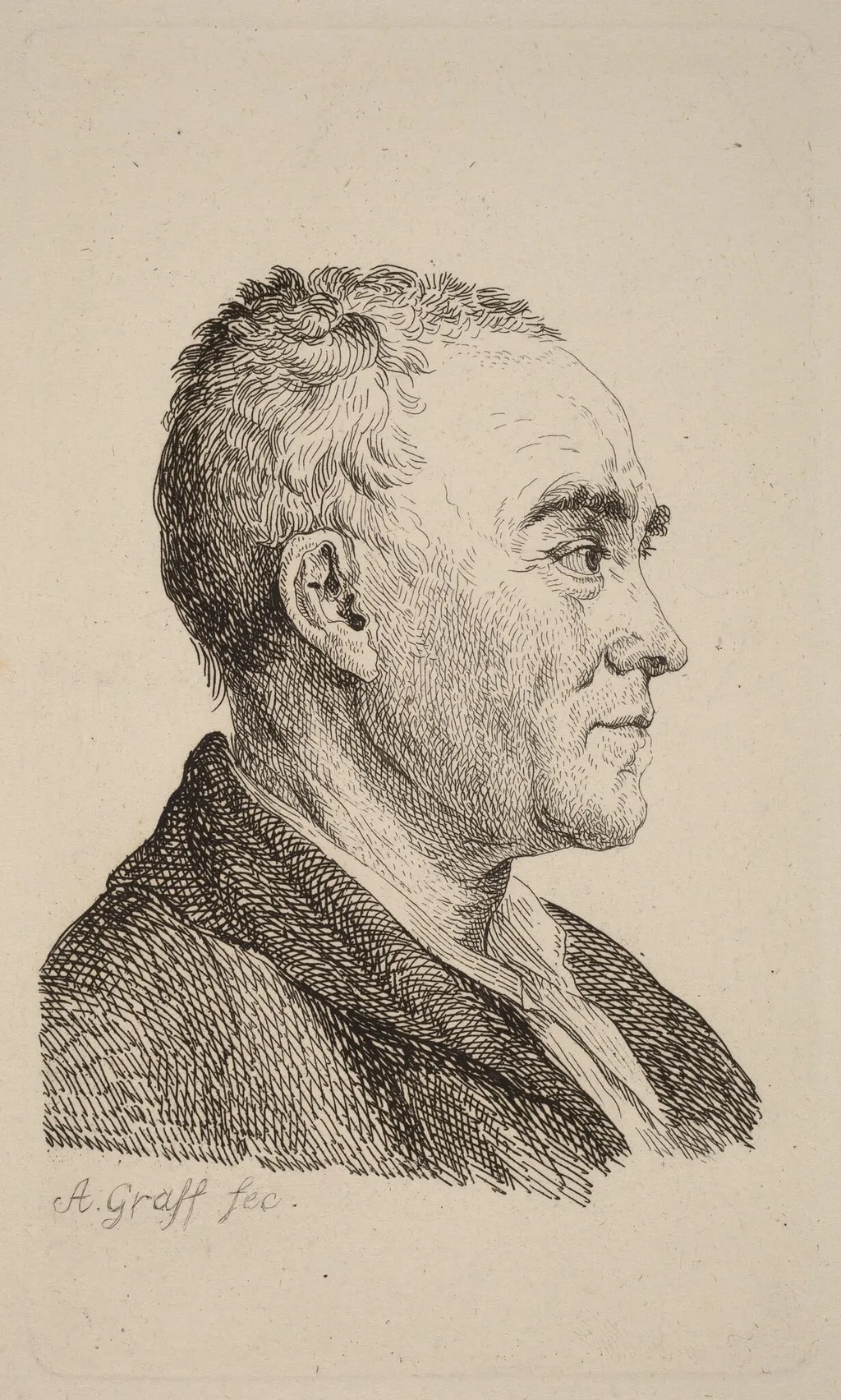
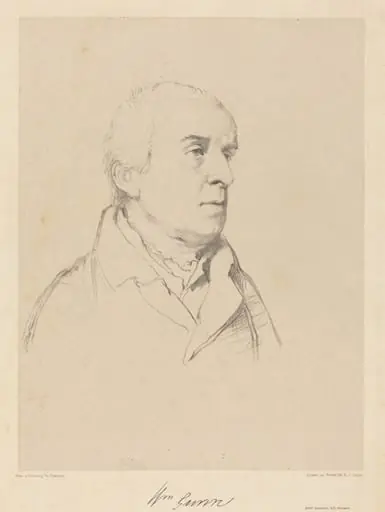
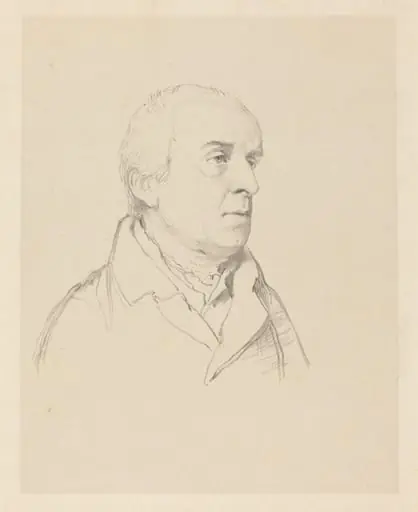
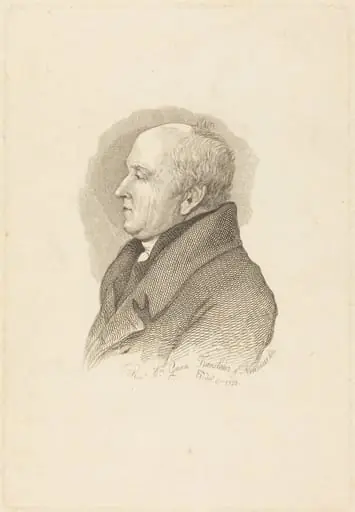
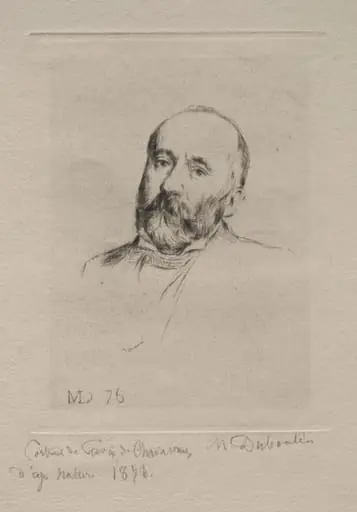
Johann Georg Sulzer is an ink print by the Romanticist artist Anton Graff. It dates from 1774 and is held in the collection of the National Gallery of Art.
About this work
Overview
Rendered on laid paper, the image isolates the sitter against an unadorned backdrop, focusing attention on his facial features and attire.
This 1774 etching presents the philosopher Johann Georg Sulzer in a restrained profile view. Rendered on laid paper, the image isolates the sitter against an unadorned backdrop, focusing attention on his facial features and attire. The composition emphasizes Sulzer’s contemplative demeanor, typical of Enlightenment portraiture that sought to convey intellectual presence through modest visual means.
Subject & Meaning
Johann Georg Sulzer, a Swiss‑German thinker noted for his contributions to aesthetics and moral philosophy, is depicted with a serious expression and a gaze directed outward. The portrait’s sober tone and lack of ornamental elements reflect the period’s interest in portraying the inner character of scholars, suggesting a respect for his rational and reflective nature.
Technique & Style
Executed in fine etching, the work employs delicate line work and subtle cross‑hatching to model the subject’s hair, clothing, and facial planes. The artist’s control of light and shadow on the laid paper creates a sense of depth despite the flat background, exemplifying the late‑18th‑century approach to portraiture that valued precise rendering over dramatic flair.
History & Provenance
The print was produced by Anton Graff, a Swiss portraitist active during the Enlightenment who specialized in likenesses of intellectuals and artists. Graff’s reputation for capturing the psychological nuance of his sitters made him a sought‑after chronicler of the era’s cultural figures, and this etching forms part of his broader oeuvre of scholarly portraiture.
Context
Created at a time when Enlightenment ideals emphasized reason and individual merit, the portrait aligns with contemporary trends that favored sober, character‑focused representations. The plain background and restrained attire echo the period’s aesthetic shift away from baroque extravagance toward a more restrained visual language that highlighted the sitter’s mental faculties.
Artist & collection
Artist
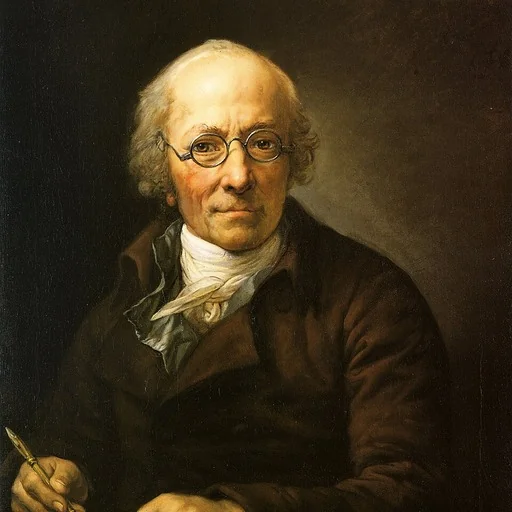
Anton Graff (18 November 1736 – 22 June 1813) was a Swiss portrait artist. Among his famous subjects were Friedrich Schiller, Christoph Willibald Gluck, Heinrich von Kleist, Frederick the Great, Friederike Sophie…

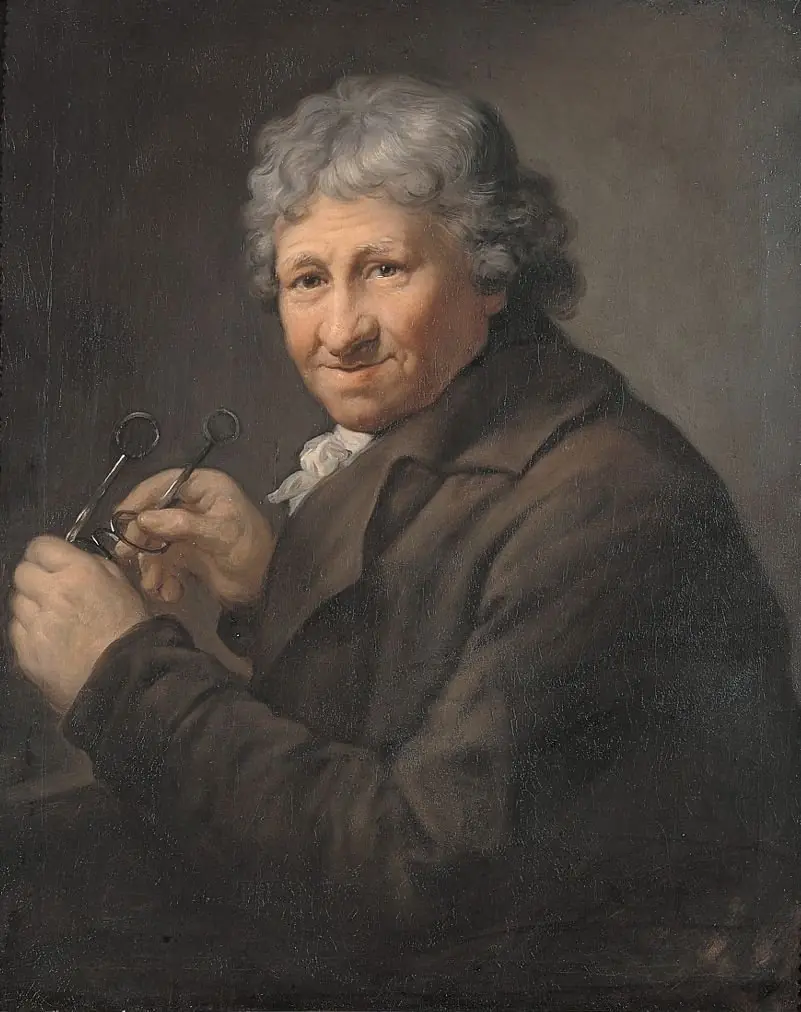 Daniel Chodowiecki
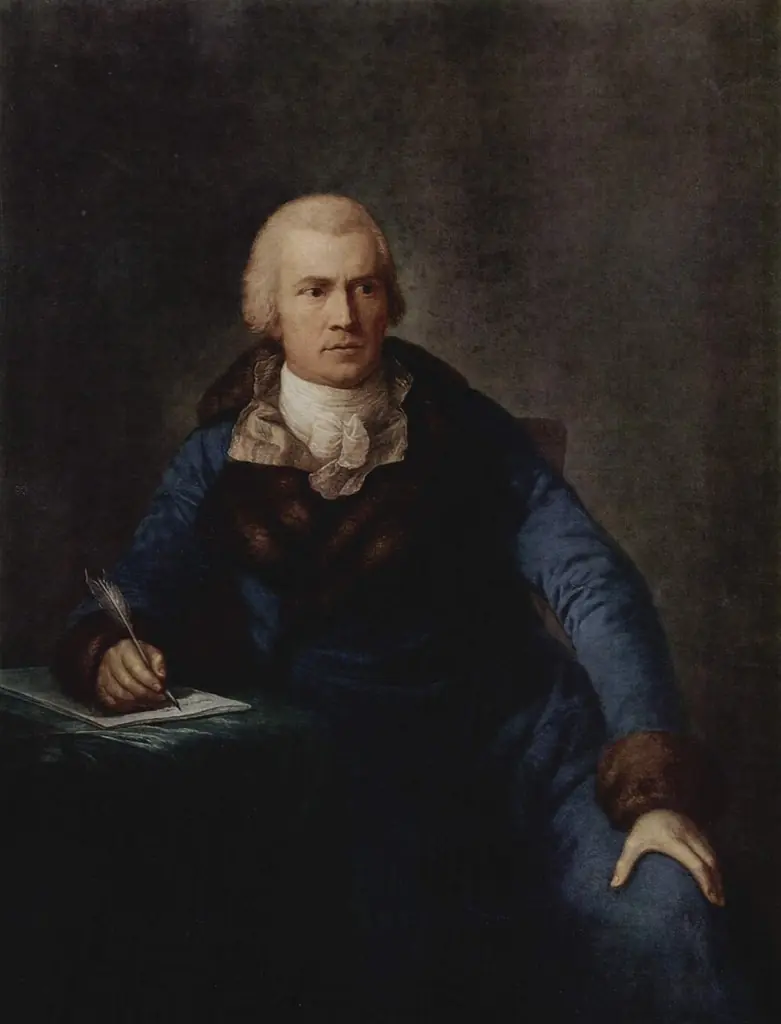 Portrait of a Man
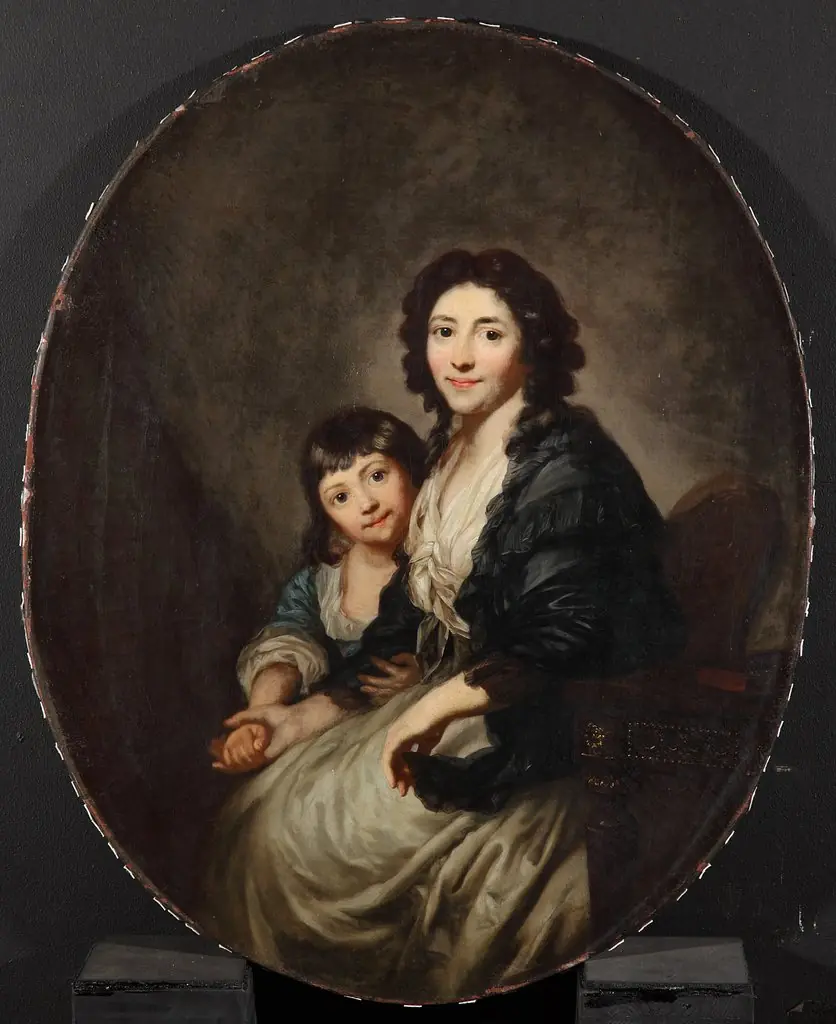 Elizabeth Sophia Augusta Graff, born Sulzer (1753-1812) and her Daughter Caroline Susanne (1781-1828)
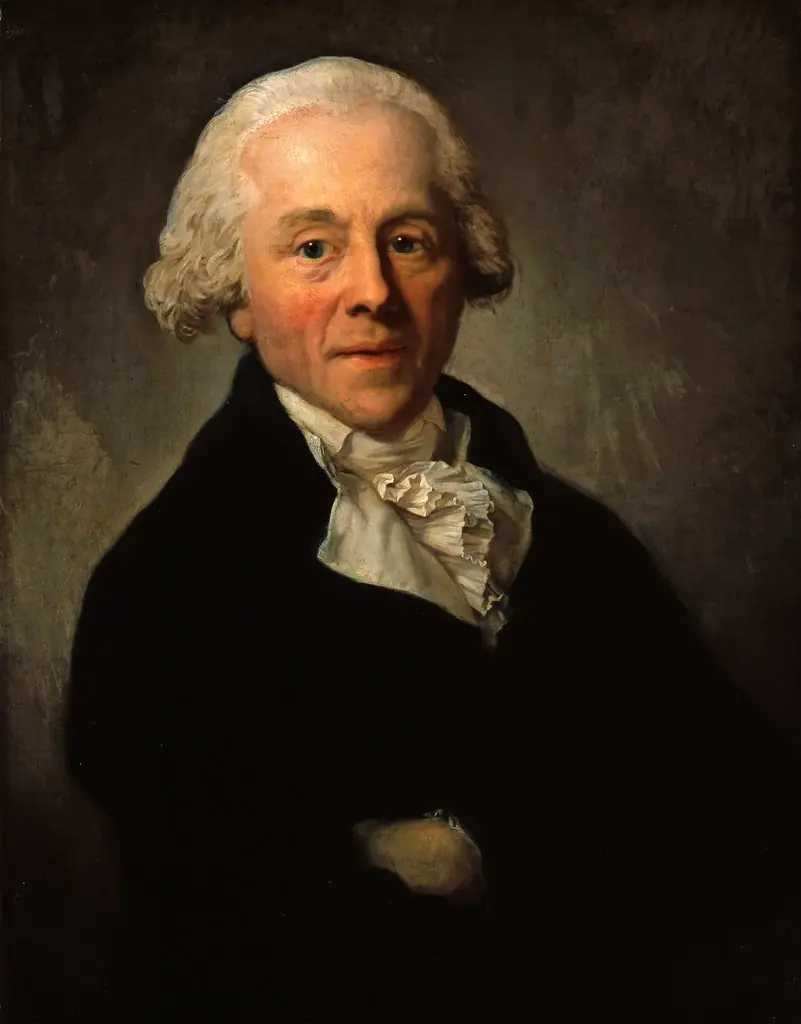 Friedrich Ludolf Hansen (1738-1803)
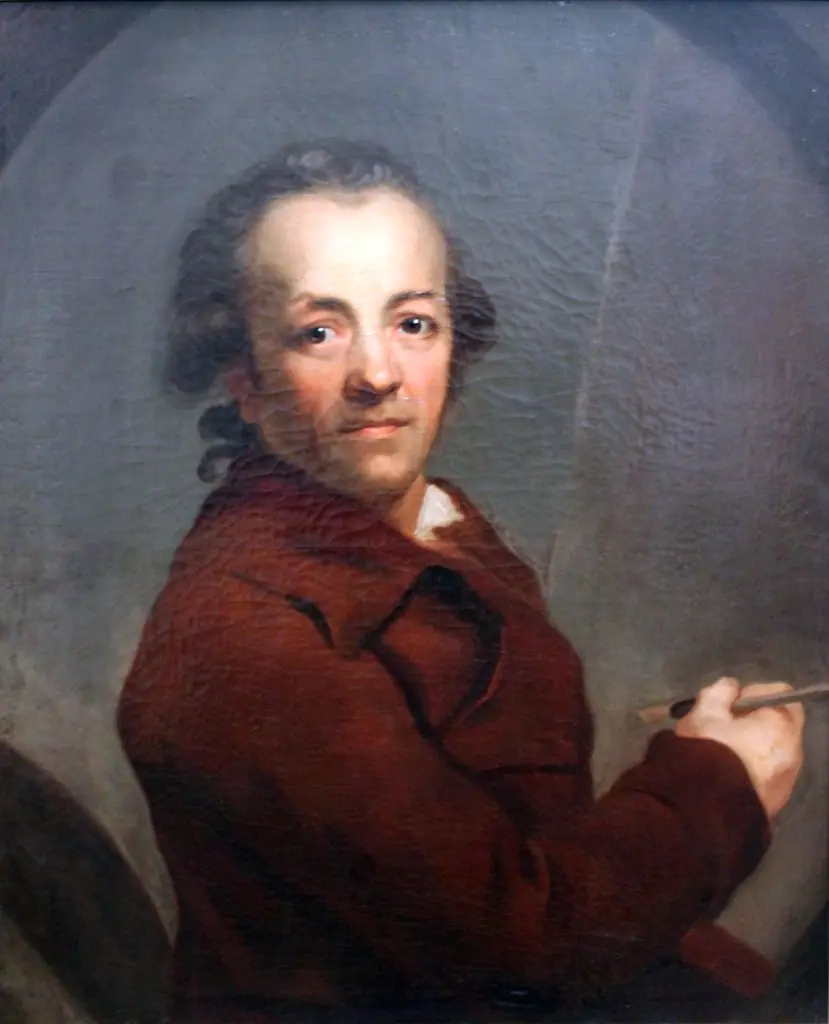 Self-portrait
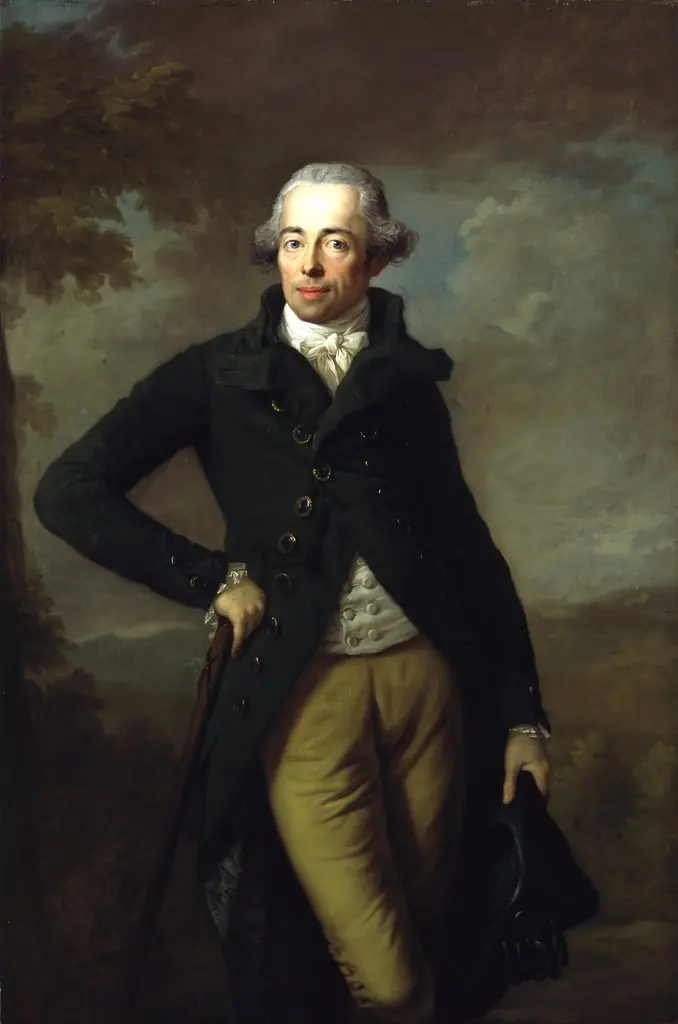 Heinrich XIV. Reuss Elder Line (Reuß ältere Linie) (1749-1799)
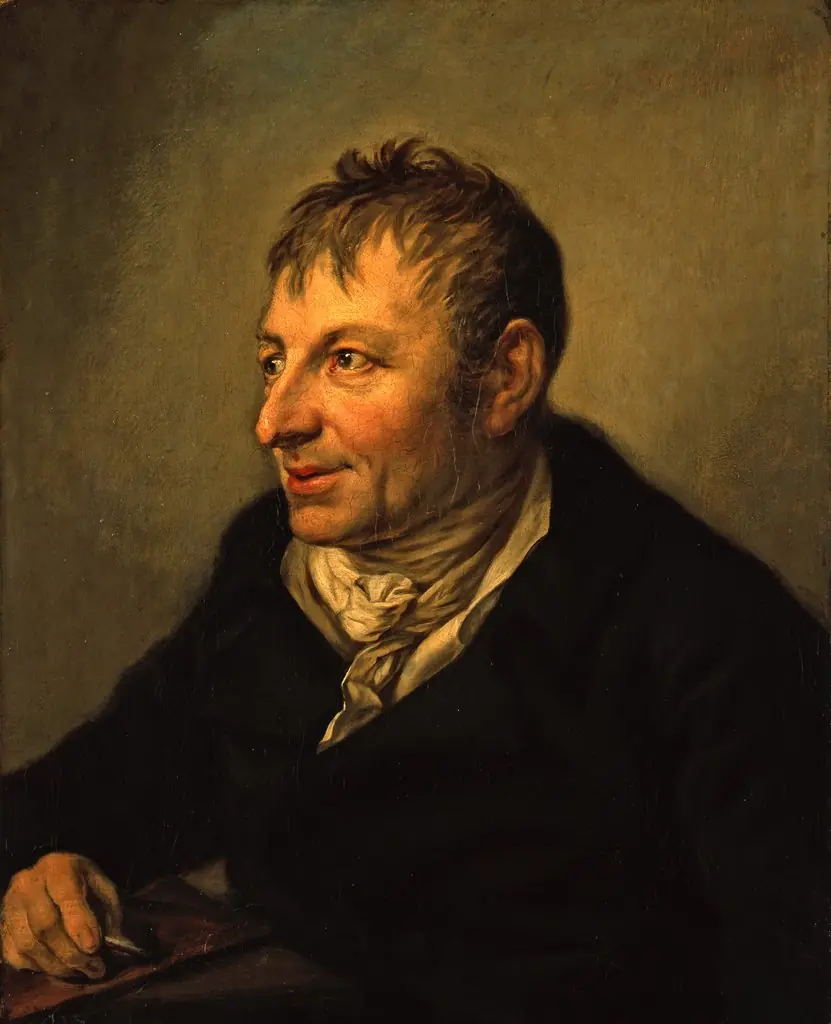 Portrait and History Painter Carl Friedrich Demiani (1768-1828)
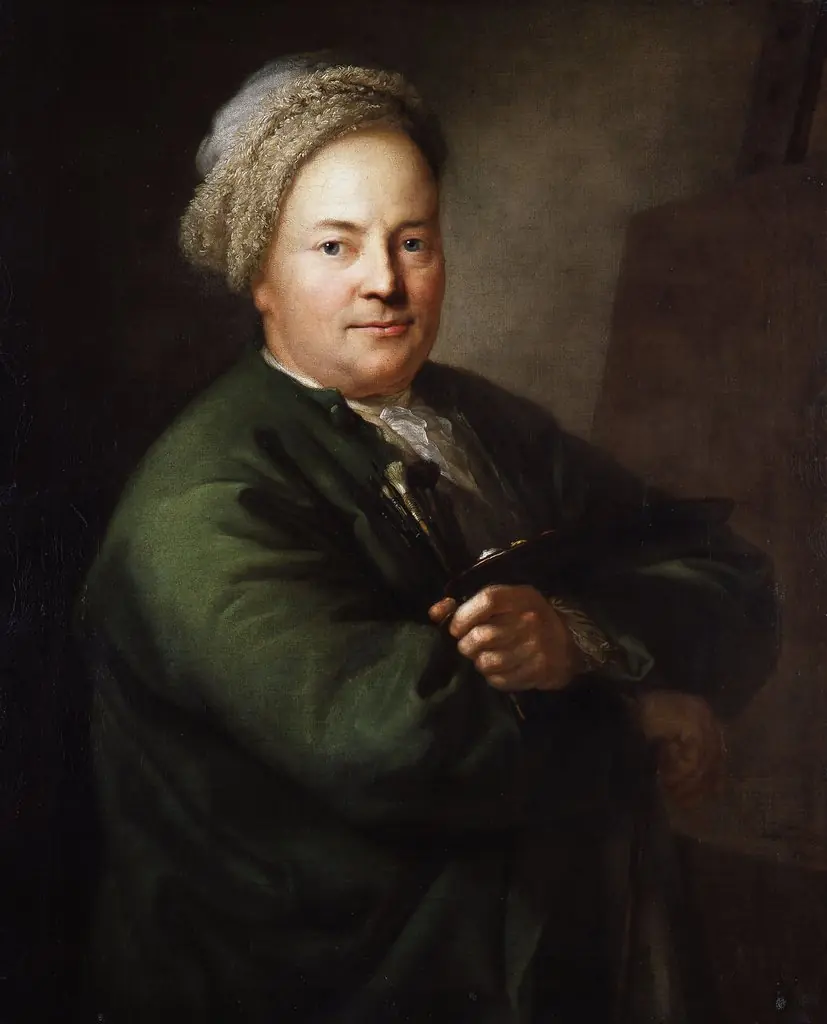 The Painter Christian Wilhelm Ernst Dietrich (1712-1774)