Artwork
Copy of painting inside the Ajanta caves (cave 17)
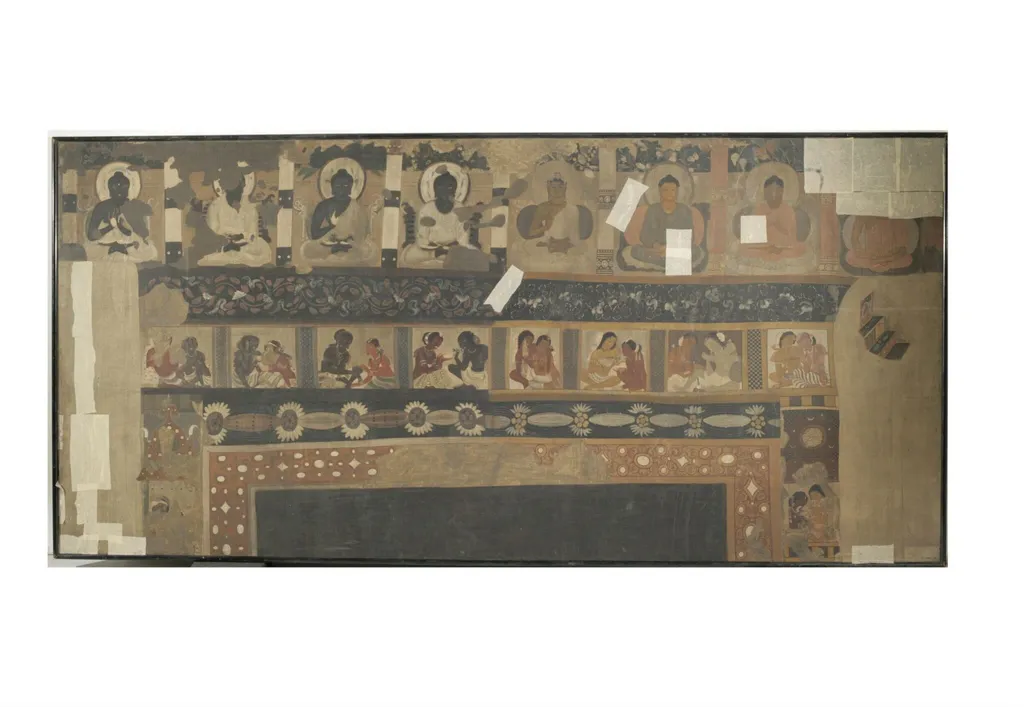
Copy of painting inside the Ajanta caves (cave 17) is an oil painting by the Impressionist artist John Griffiths. It dates from 1882 and is held in the collection of the Victoria and Albert Museum.
About this work
Bright reds and golds outline six past Buddhas, the present Buddha Sakyamuni, and the future Buddha Maitreya.
This painting copies an ancient wall mural in India’s Ajanta Cave 17. Bright reds and golds outline six past Buddhas, the present Buddha Sakyamuni, and the future Buddha Maitreya. These figures tell stories from the Buddha’s past lives called Jatakas.
Griffiths added oil paint in 1881 to save the fading original, which dates back 2,000 years. White patches mark areas too fragile to touch. The light catches the Buddhas’ robes, making them glow against the cave’s rough stone.
See how Griffiths’ work compares to the artist’s other copies at the Victoria and Albert Museum.
Overview
This oil painting is a reproduction of a mural from Cave 17 at Ajanta, created in the late 19th century by John Griffiths and his students. It replicates a sequence of Buddhist figures originally painted on the cave wall between the 1st century BCE and 5th century CE. The work was part of a broader effort to preserve visual records of Ajanta’s deteriorating murals, using oil on canvas to capture details at risk of loss.
Subject & Meaning
The composition depicts nine Buddhas: six from previous ages, the historical Sakyamuni, and the future Buddha Maitreya. These figures represent the Buddhist concept of cyclical time and enlightened succession. Their arrangement reflects narratives from the Jataka tales, stories of the Buddha’s prior incarnations, intended to illustrate moral and spiritual development across lifetimes.
Technique & Style
Griffiths employed oil paint to replicate the original fresco’s color and form, contrasting with the cave’s natural pigments. Bright reds and golds define the figures’ robes, enhancing their luminosity against the rough stone background. White patches indicate areas of the original mural too fragile for direct copying, preserved here as marks of conservation necessity rather than artistic intent.
History & Provenance
After Major Robert Gill’s earlier copies were lost in a fire, Griffiths led a team from the Bombay School of Art to document Ajanta’s murals between 1872 and 1885. This painting is one of approximately 300 produced during their seasonal expeditions. The copies were intended as scholarly records, later dispersed to institutions including the Victoria and Albert Museum, where many remain today.
Context
The Ajanta caves, rediscovered in 1819, revealed India’s earliest surviving wall paintings. Their Buddhist iconography and narrative depth drew colonial and Indian scholars alike. Griffiths’ project emerged from a growing urgency to preserve these fragile works amid environmental decay and neglect, reflecting early efforts in heritage documentation before modern conservation standards were established.
Legacy
Griffiths’ reproductions became vital references after the originals continued to fade. Though not exact replicas, they preserved compositional details and color schemes otherwise lost. Today, they serve as historical documents of both the murals’ condition in the 1880s and 19th-century approaches to cultural preservation, offering insight into the intersection of art, archaeology, and colonial scholarship.
Artist & collection
Artist
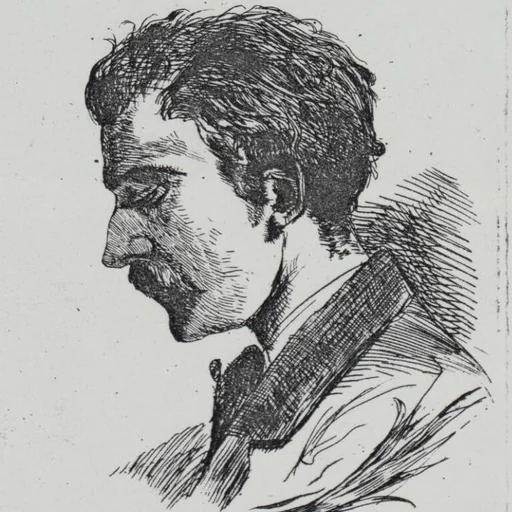
John Griffiths (29 November 1837 – 1 December 1918) was a Welsh artist who worked in India, noted for his Orientalist works.

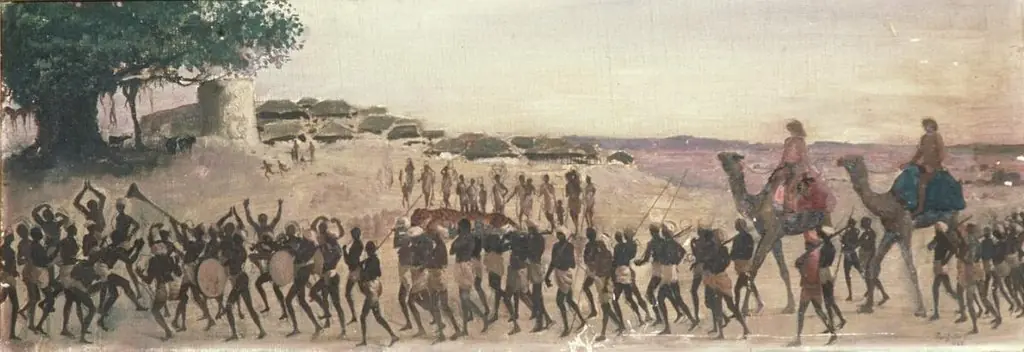 Tiger shooting in East Berar
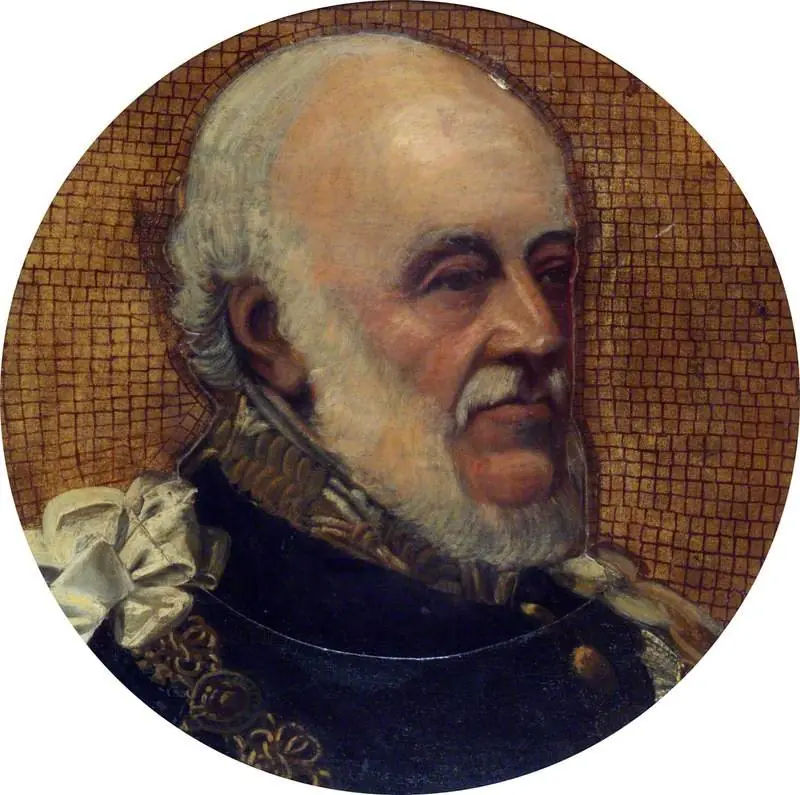 The Marquis of Salisbury (1791–1868)
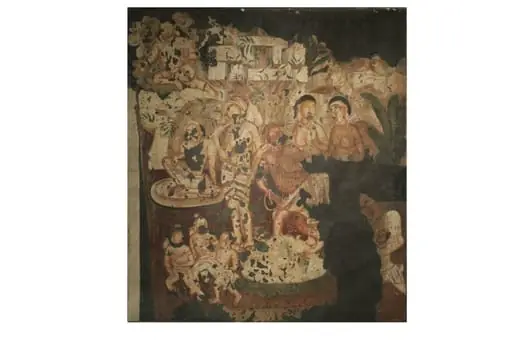 Copy of painting inside the caves of Ajanta (Cave 2)
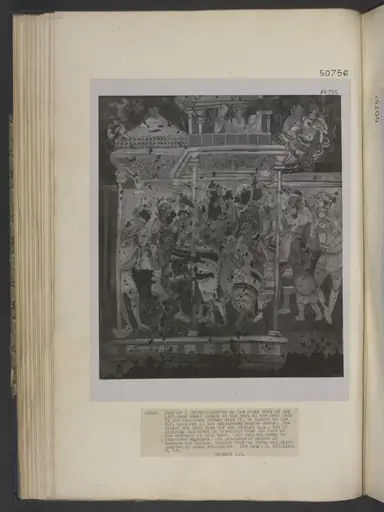 Copy of painting in the caves of Ajanta (cave 2)
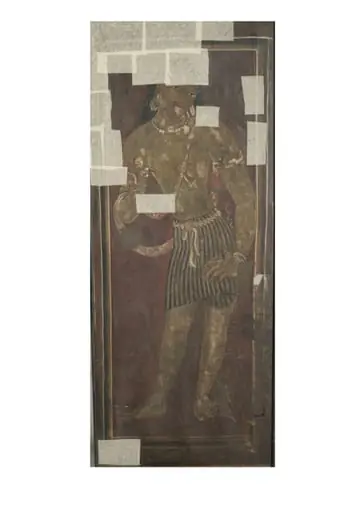 Copy of painting in the caves of Ajanta (cave 17)
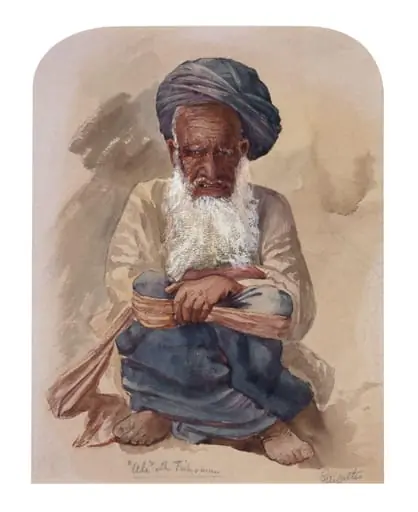 Ali the fisherman
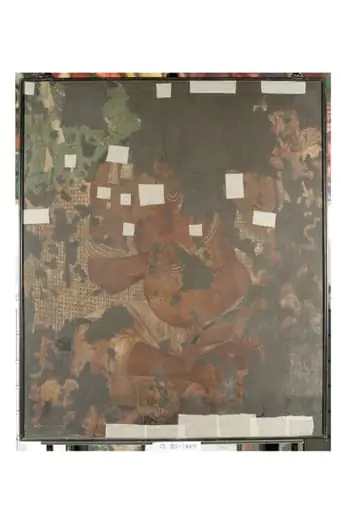 Copy of painting inside the caves of Ajanta (cave 16)
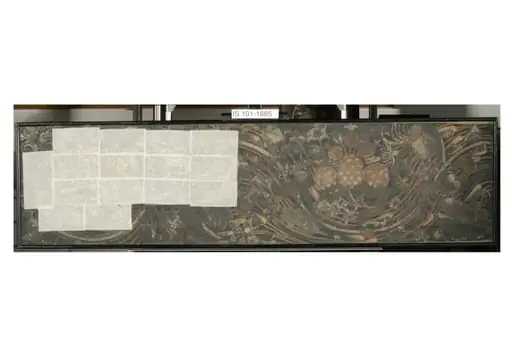 Copy of painting inside the caves of Ajanta (Cave 9)
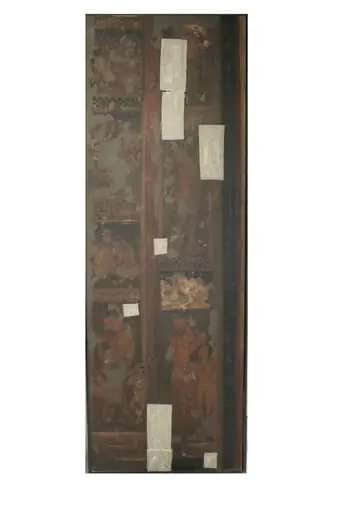 Copy of painting in the caves of Ajanta (cave 6)
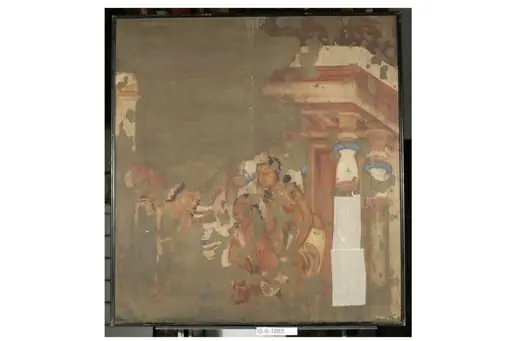 Copy of painting inside the caves of Ajanta (Cave 1)
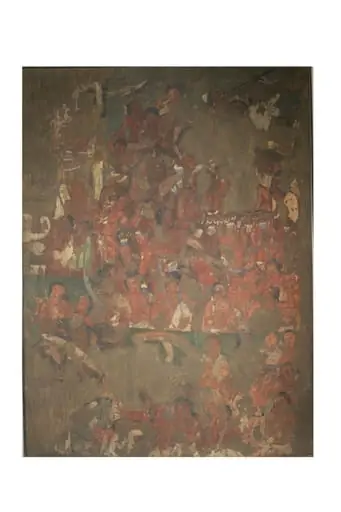 Untitled
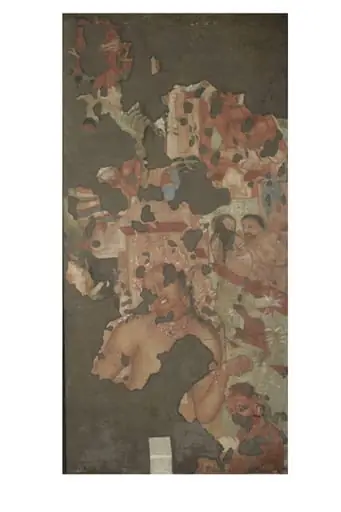 Copy of painting inside the caves of Ajanta (cave 9)
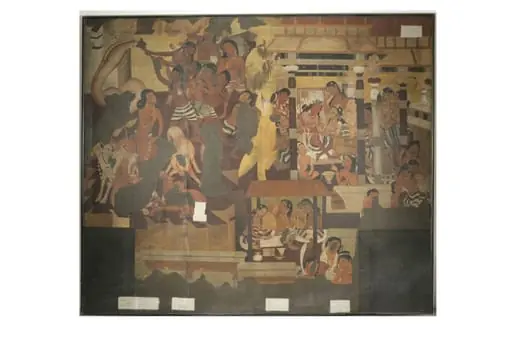 Copy of painting inside the caves of Ajanta (cave 1)
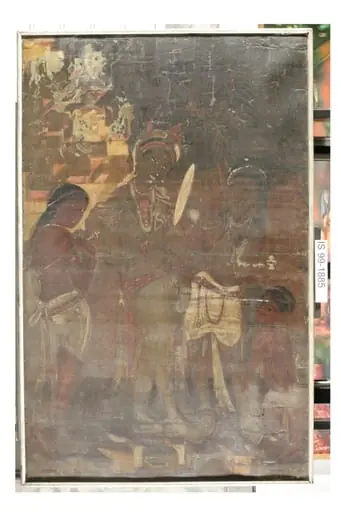 Copy of painting inside the caves of Ajanta (cave 17)
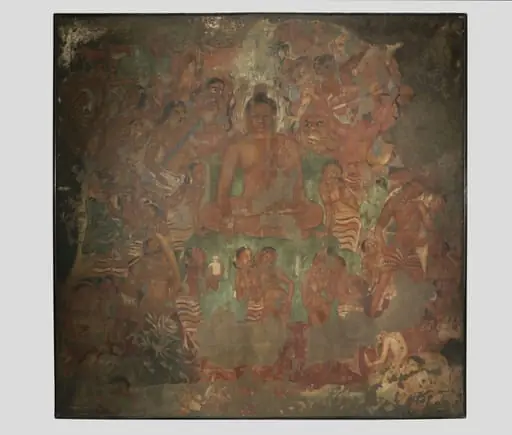 Copy of painting inside the caves of Ajanta (Cave 1)
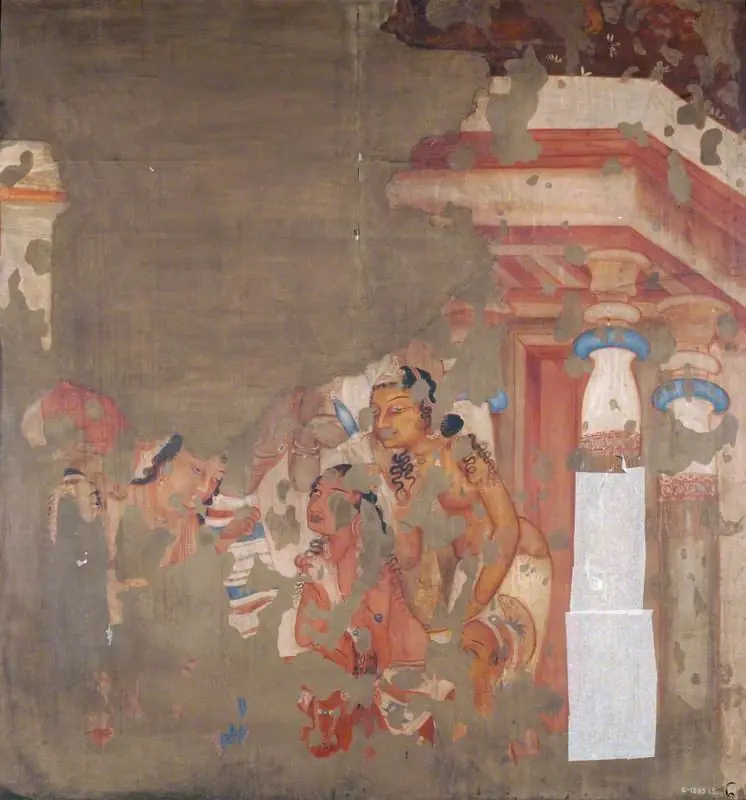 Copy of Painting inside the Caves of Ajanta (cave 1)
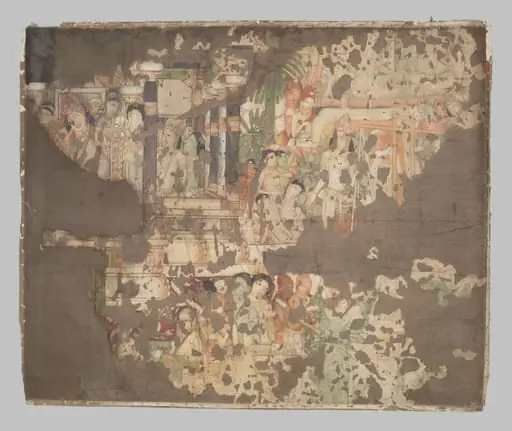 Copy of painting inside the Ajanta caves
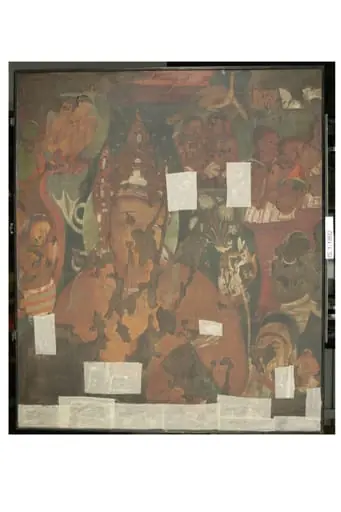 Copy of painting inside the caves of Ajanta (cave 11)