Artwork
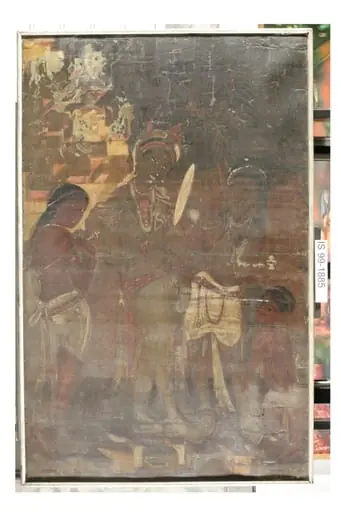
Copy of painting inside the caves of Ajanta (cave 2)
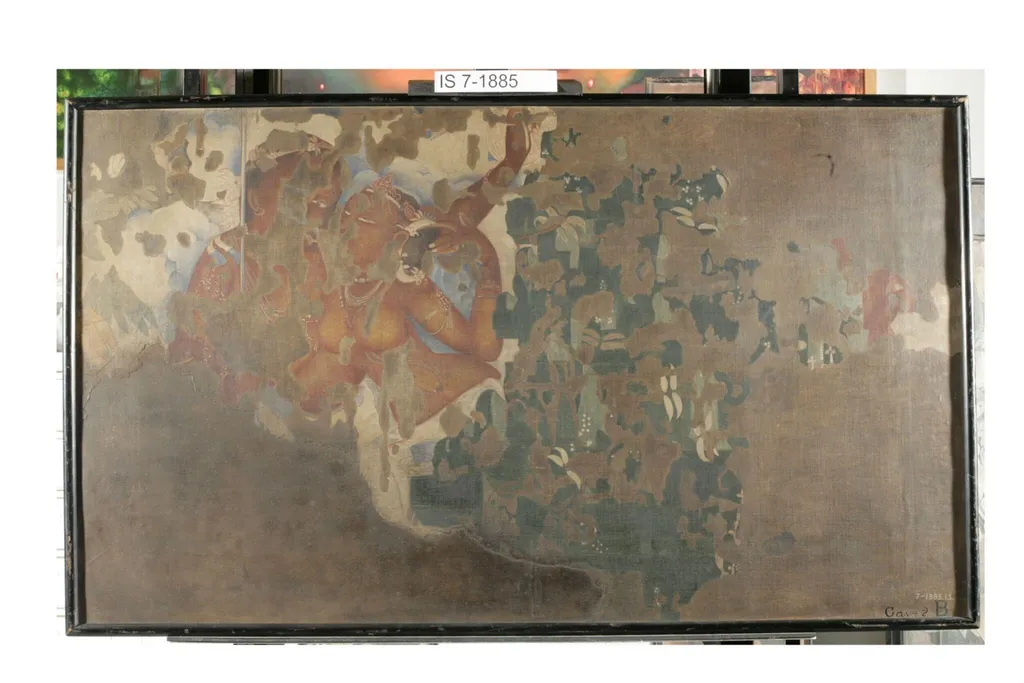
Copy of painting inside the caves of Ajanta (cave 2) is an oil painting by the Impressionist artist John Griffiths. It dates from 1874 and is held in the collection of the Victoria and Albert Museum.
About this work
Overview
This oil painting is a 19th-century copy of an ancient mural from Cave 2, Ajanta, India, reproducing a scene from the Jatakas, stories about the Buddha's lives.
Subject & Meaning
The painting depicts Vidyadhara, a celestial male-female pair dwelling above a rocky landscape, with the male figure holding a upward-pointing sword and a shield, symbolizing wisdom or charm.
Technique & Style
Executed in oil, the copy reflects a Realist approach, aiming for faithful representation of the original ancient artwork, which itself belongs to a much older, distinct stylistic tradition.
History & Provenance
Originally painted between 1st century BC and AD 480, the Ajanta mural was copied by John Griffiths (and Indian students from the Bombay School of Art) between 1872-1885, following the loss of earlier copies made by Major Robert Gill in a 1866 fire.
Context
The original painting is part of the Ajanta cave complex, discovered in 1819, featuring some of India's oldest surviving paintings, primarily illustrating Buddhist narratives.
Legacy
As a copy, this painting contributes to the preservation and dissemination of ancient Indian art, while the originals at Ajanta remain significant cultural and religious heritage sites.
Artist & collection
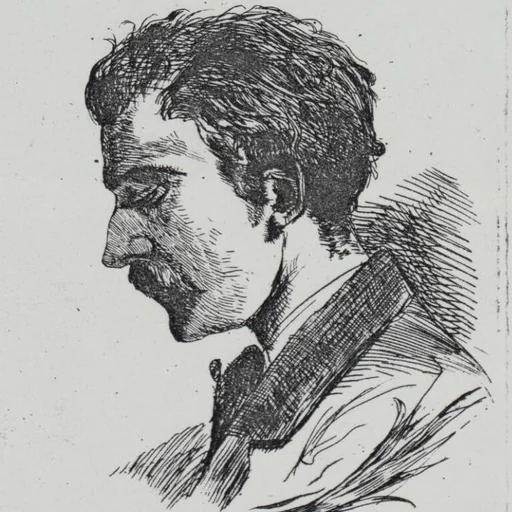
Artist
John Griffiths (29 November 1837 – 1 December 1918) was a Welsh artist who worked in India, noted for his Orientalist works.

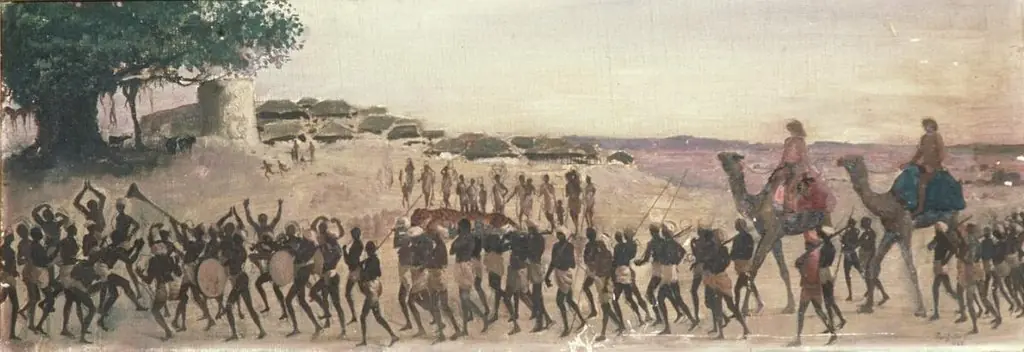 Tiger shooting in East Berar
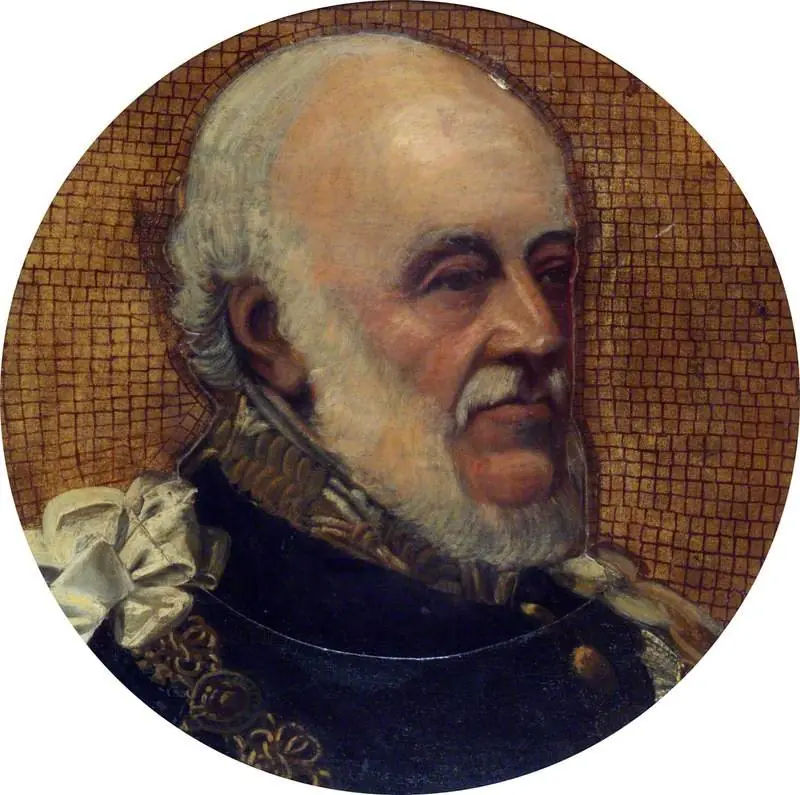 The Marquis of Salisbury (1791–1868)
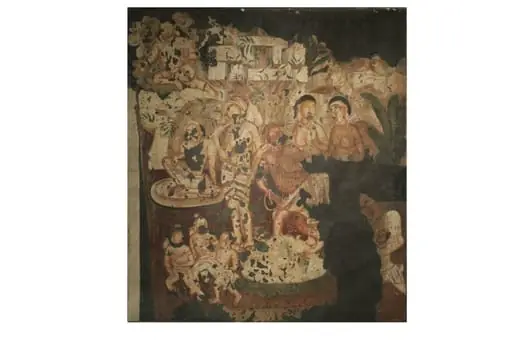 Copy of painting inside the caves of Ajanta (Cave 2)
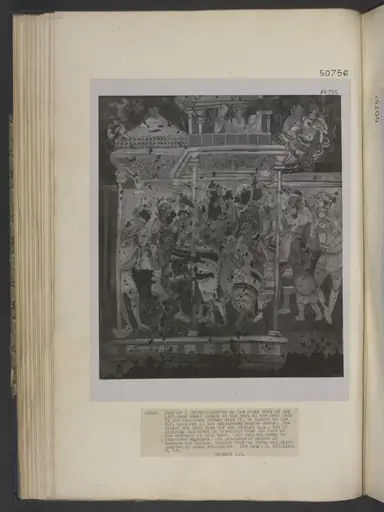 Copy of painting in the caves of Ajanta (cave 2)
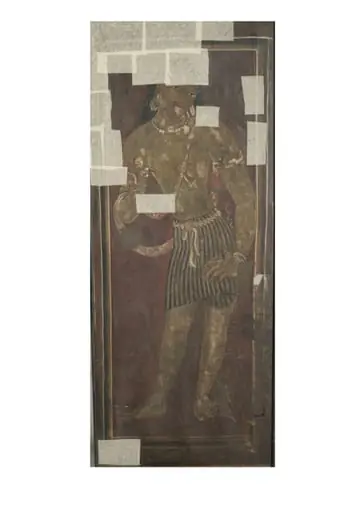 Copy of painting in the caves of Ajanta (cave 17)
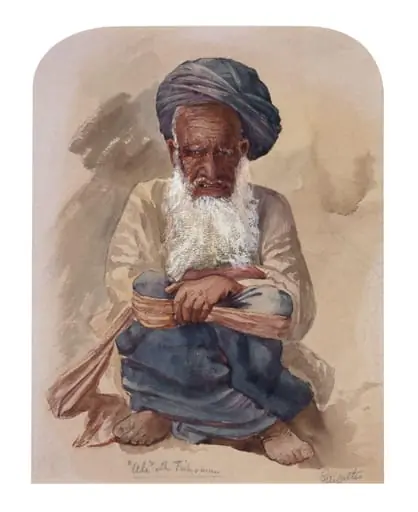 Ali the fisherman
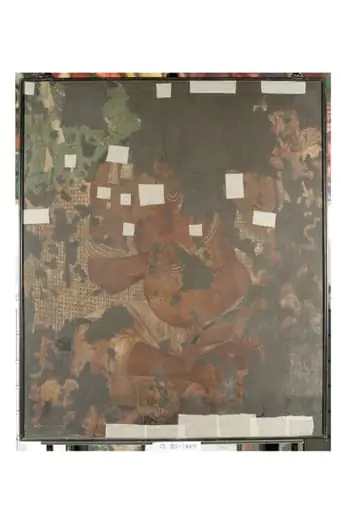 Copy of painting inside the caves of Ajanta (cave 16)
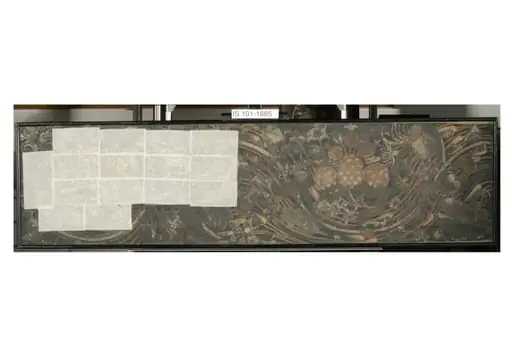 Copy of painting inside the caves of Ajanta (Cave 9)
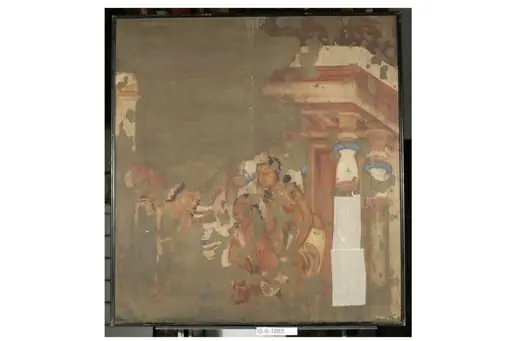 Copy of painting inside the caves of Ajanta (Cave 1)
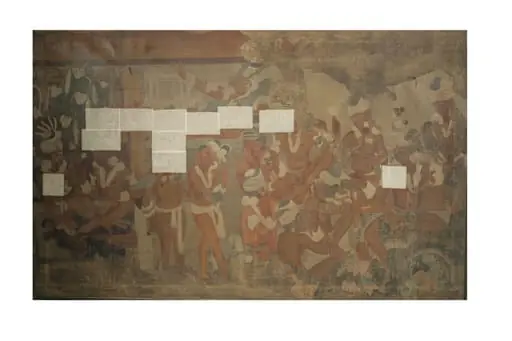 Copy of painting inside the caves of Ajanta (Cave 1)
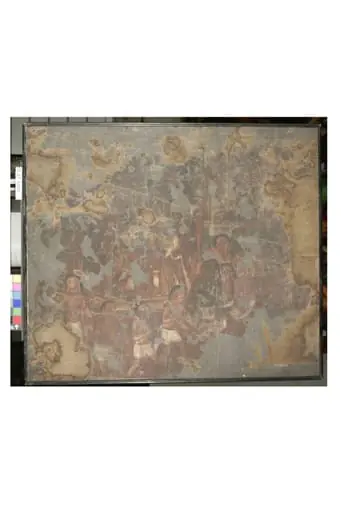 Copy of painting inside the caves of Ajanta (cave 17)
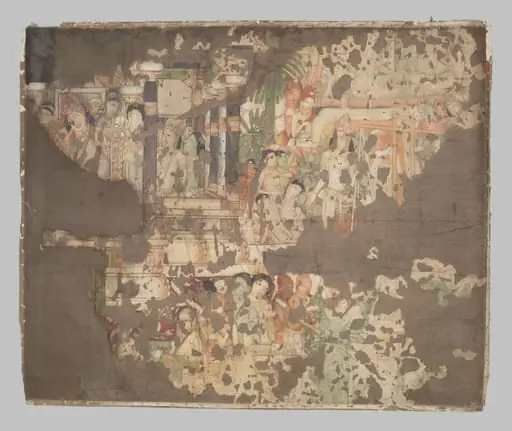 Copy of painting inside the Ajanta caves
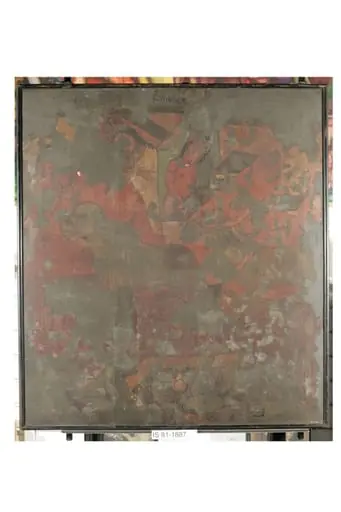 Copy of painting inside the caves of Ajanta (cave 16)
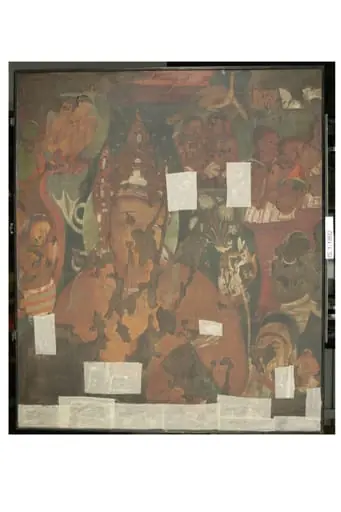 Copy of painting inside the caves of Ajanta (cave 11)
 Copy of painting inside the caves of Ajanta (cave 17)
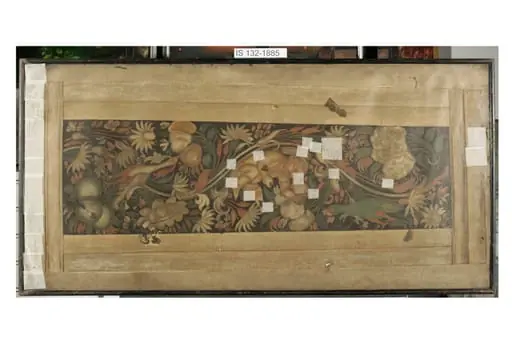 Copy of painting inside the caves of Ajanta (cave 1)