Artwork
Copy of painting inside the caves of Ajanta (cave 17)
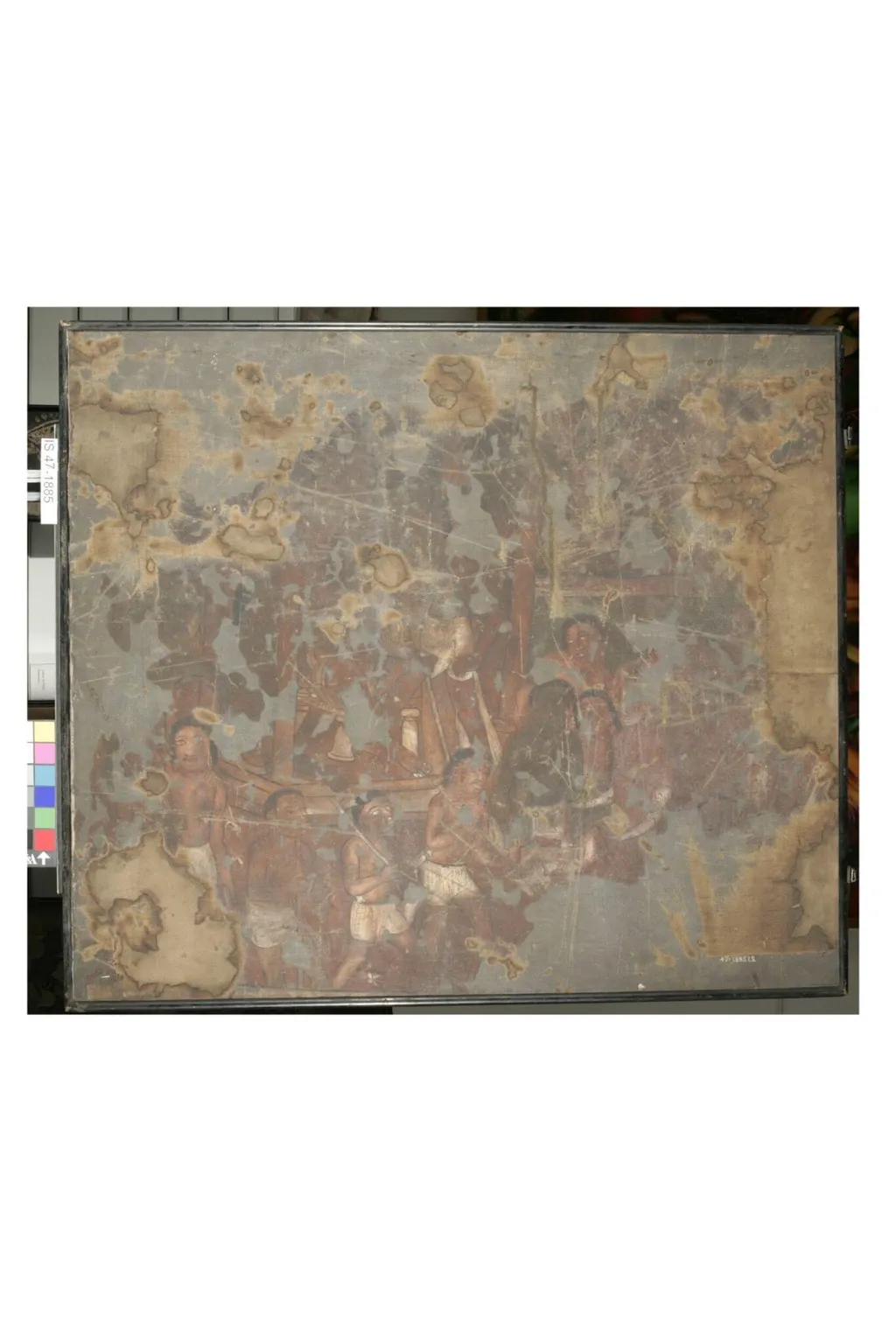
Copy of painting inside the caves of Ajanta (cave 17) is an oil painting by the Impressionist artist John Griffiths. It dates from 1882 and is held in the collection of the Victoria and Albert Museum. This oil work, executed between 1881 and 1883, reproduces a mural from Cave 17 at the Ajanta complex.
About this work
This is an oil painting from 1881–83, based on ancient cave murals in India. It shows scenes from a Buddhist story. The painter worked with Indian students over many years.
The original cave paintings are very old—some date back 2,000 years. A fire in 1866 destroyed many earlier copies, so this one was made to preserve the art.
Look up the artist Griffiths, John next.
Overview
This oil work, executed between 1881 and 1883, reproduces a mural from Cave 17 at the Ajanta complex. It presents a sequence from the Prabhasa Jataka, a Buddhist narrative, and serves as a visual record of the ancient Indian paintings that date from the 1st century BC to the 5th century AD.
Subject & Meaning
The composition illustrates episodes from the Prabhasa Jataka, one of the many stories recounting the previous lives of the Buddha. The scenes convey moral teachings central to Buddhist doctrine, emphasizing virtues such as generosity and compassion.
Technique & Style
Rendered in oil on canvas, the copy mirrors the original fresco technique through careful modeling of figures and use of muted earth tones. The artists employed a realistic approach to detail, yet retained the stylized gestures characteristic of the Ajanta murals.
History & Provenance
After Major Robert Gill’s 1844 copies were largely lost in the 1866 fire, the British artist John Griffiths, together with seven Indian apprentices, undertook a systematic program of copying Ajanta murals each winter from 1872 onward. This painting is one of roughly 300 reproductions produced during that thirteen‑year effort.
Context
The Ajanta caves, rediscovered in 1819, contain the oldest surviving Indian wall paintings, illustrating Buddhist Jataka tales. The 19th‑century copying project aimed to preserve these fragile artworks for scholarship, as the original frescoes were vulnerable to decay and damage.
Legacy
Although the copy itself suffered fire damage, it remains a valuable documentary source for researchers studying the lost or deteriorated sections of the Ajanta murals. The collaborative work of Griffiths and his Indian students exemplifies early cross‑cultural art preservation initiatives.
Artist & collection
Artist
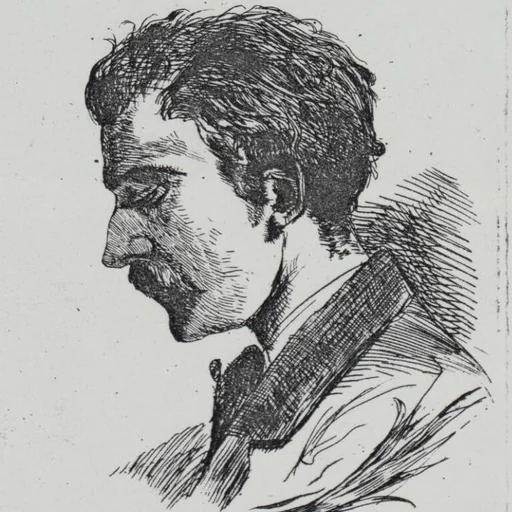
John Griffiths (29 November 1837 – 1 December 1918) was a Welsh artist who worked in India, noted for his Orientalist works.

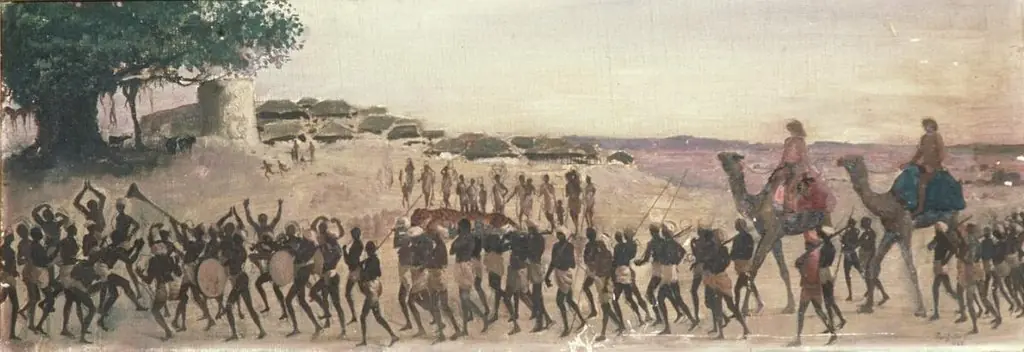 Tiger shooting in East Berar
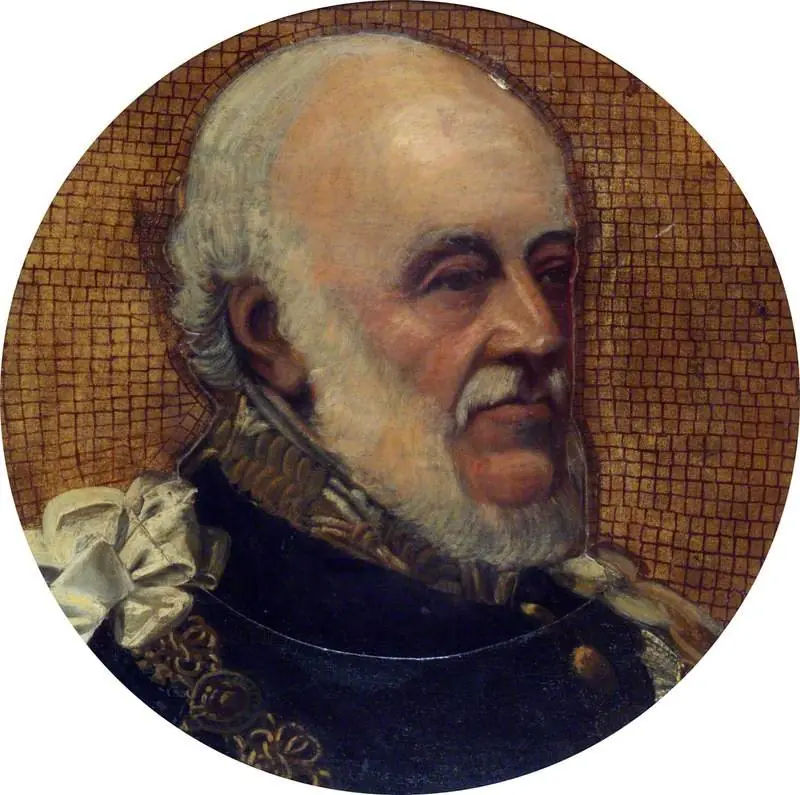 The Marquis of Salisbury (1791–1868)
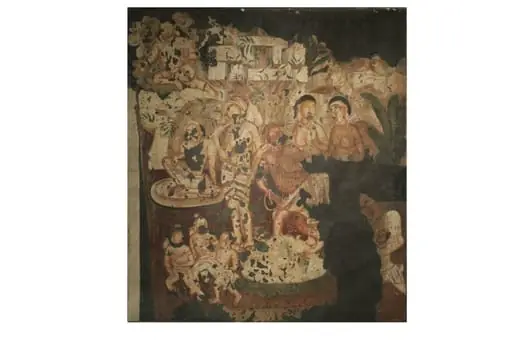 Copy of painting inside the caves of Ajanta (Cave 2)
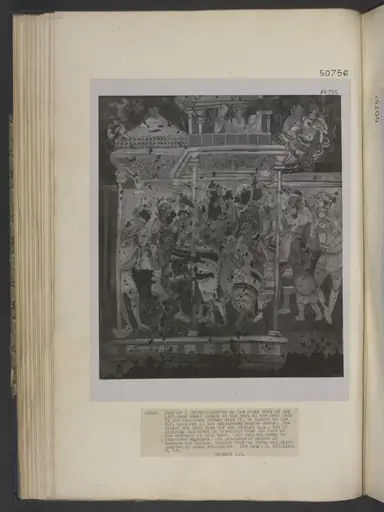 Copy of painting in the caves of Ajanta (cave 2)
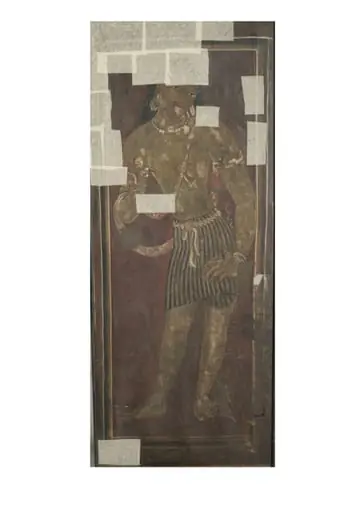 Copy of painting in the caves of Ajanta (cave 17)
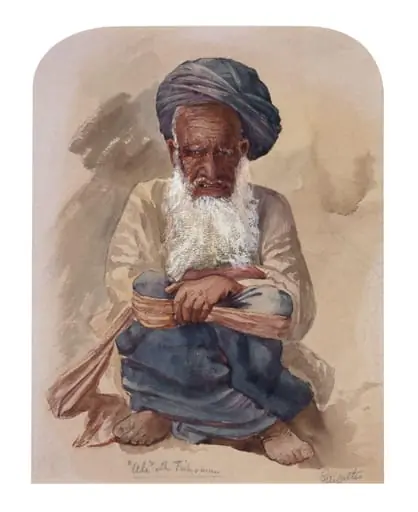 Ali the fisherman
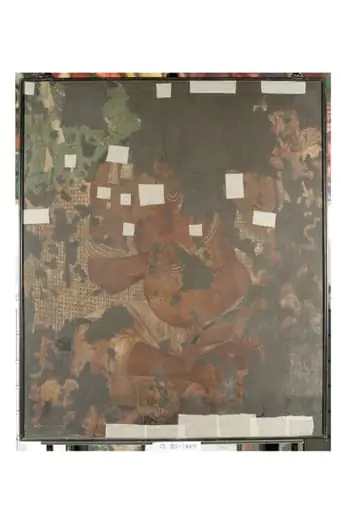 Copy of painting inside the caves of Ajanta (cave 16)
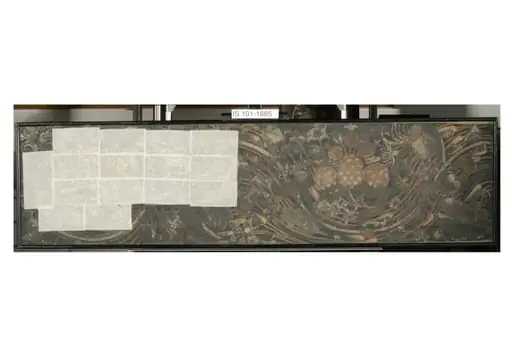 Copy of painting inside the caves of Ajanta (Cave 9)
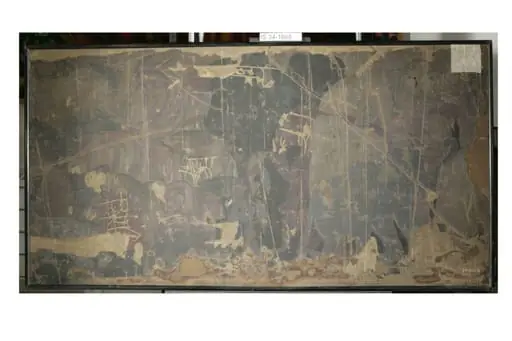 Copy of painting inside the caves of Ajanta (cave 10)
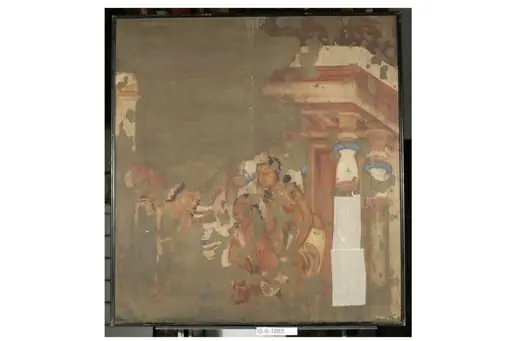 Copy of painting inside the caves of Ajanta (Cave 1)
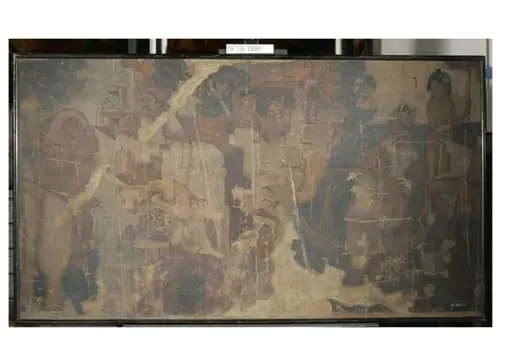 Copy of painting inside the Ajanta caves (cave 10)
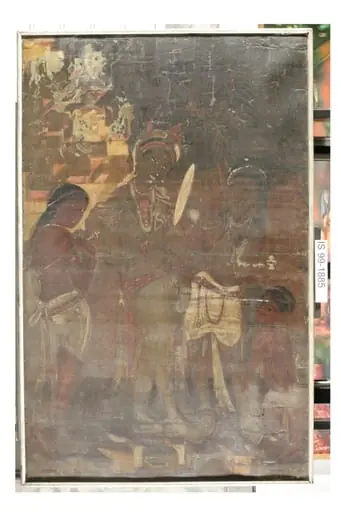 Copy of painting inside the caves of Ajanta (cave 17)
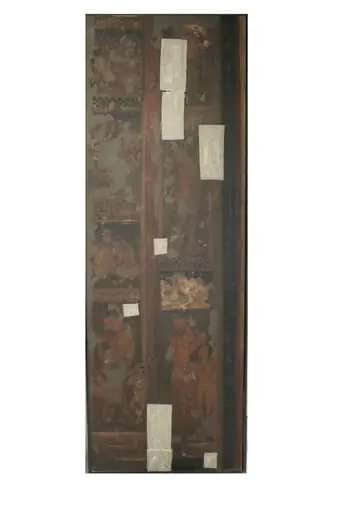 Copy of painting in the caves of Ajanta (cave 6)
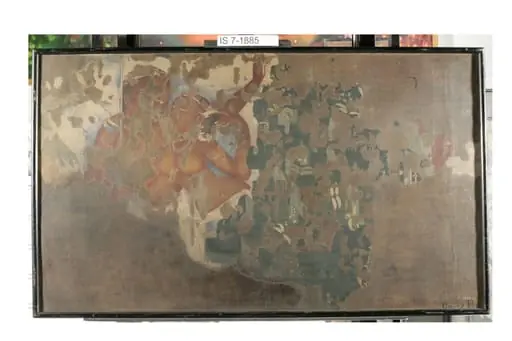 Copy of painting inside the caves of Ajanta (cave 2)
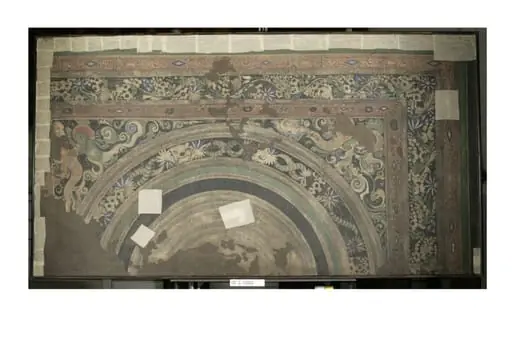 Copy of painting inside the caves of Ajanta (cave 21)
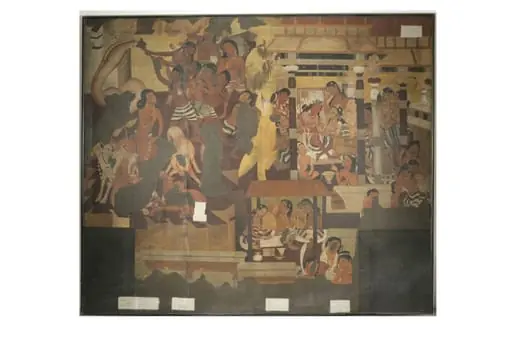 Copy of painting inside the caves of Ajanta (cave 1)
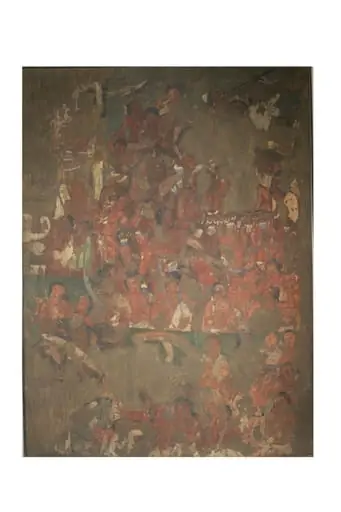 Untitled