Artwork
Ecce Homo
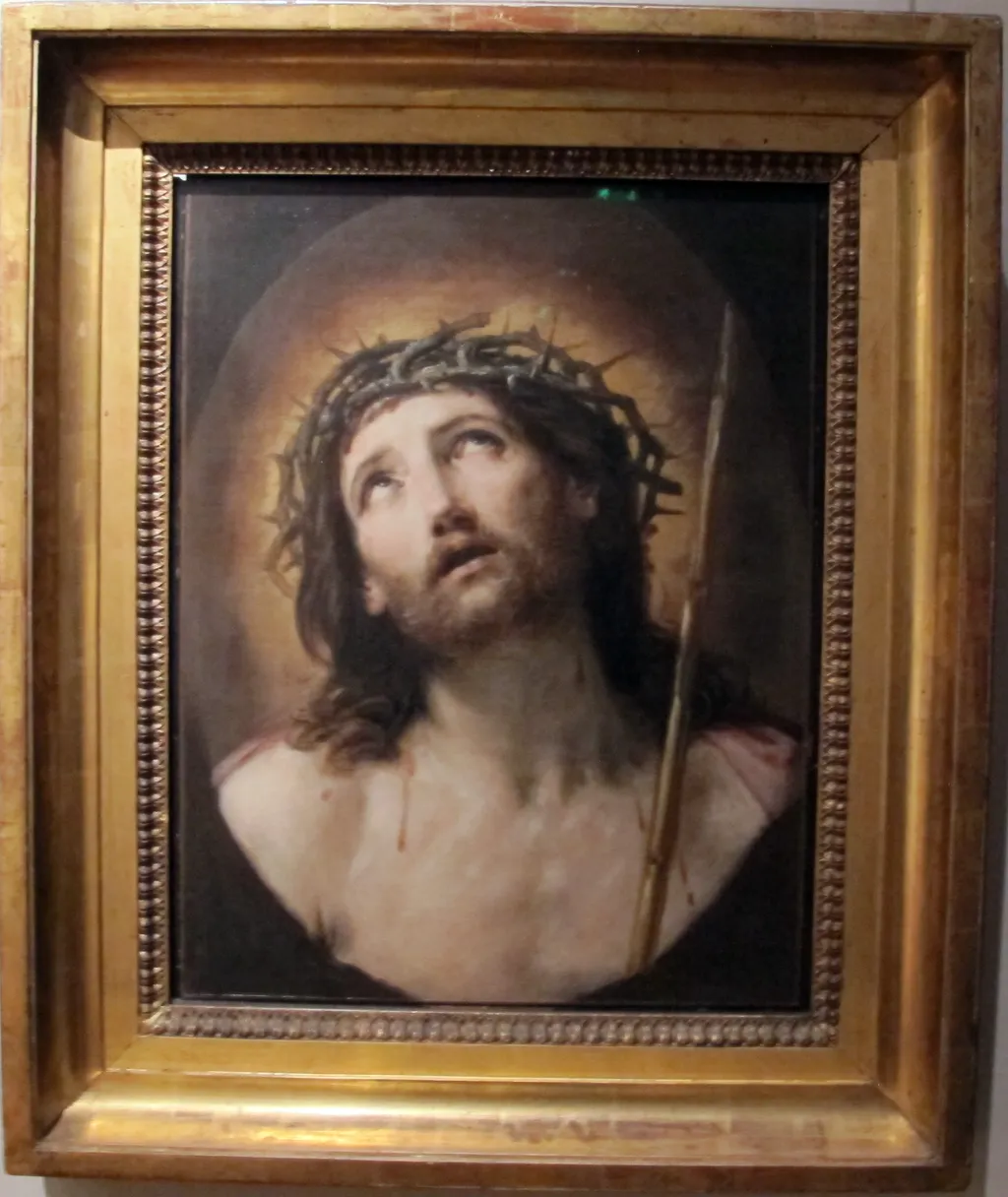
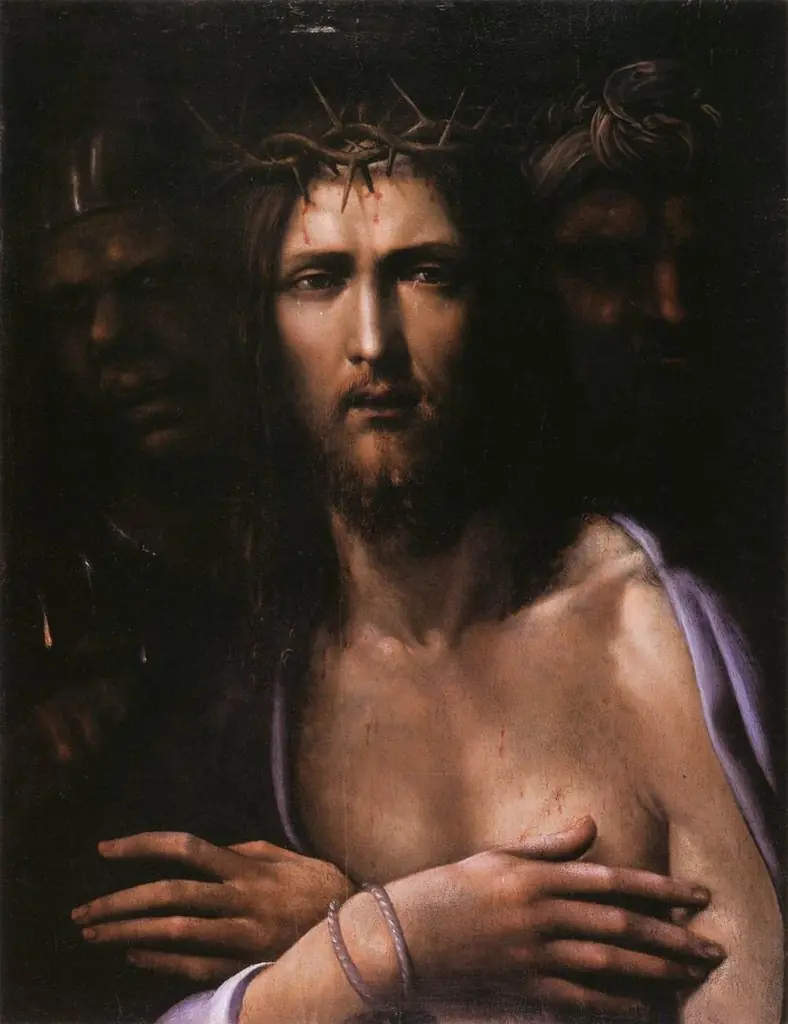
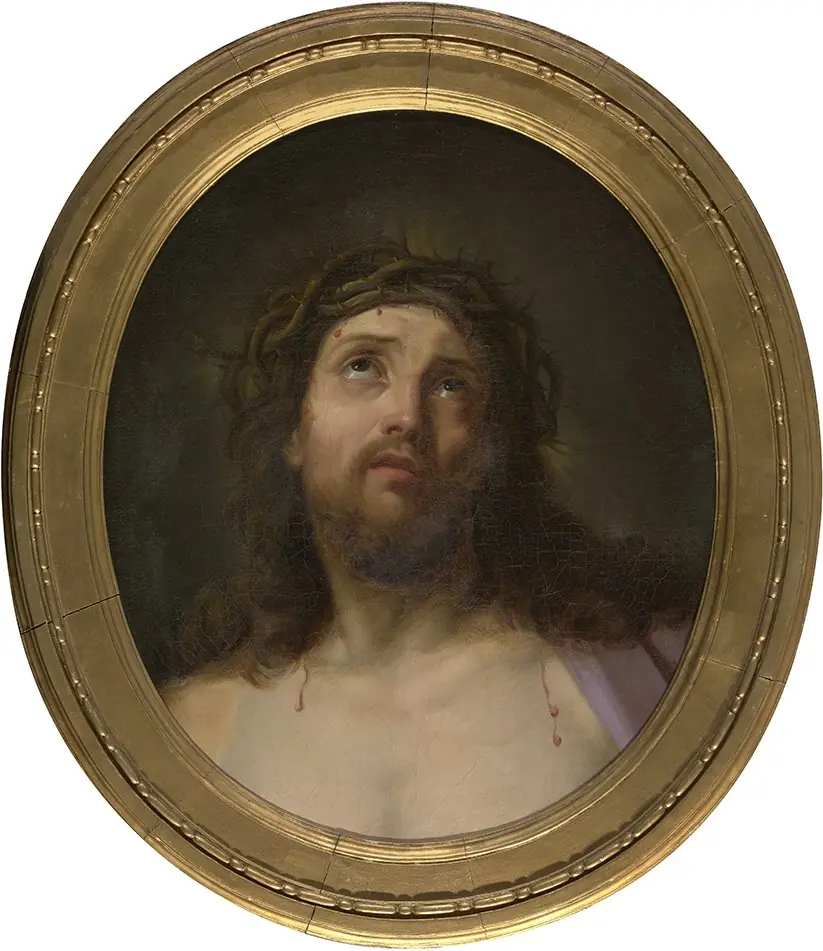
Ecce Homo is an oil painting by the Early Baroque Italian artist Guido Reni. It dates from 1639 and is held in the collection of the Department of Paintings of the Louvre.
About this work
Overview
Ecce Homo is a 1639 oil painting by Guido Reni, depicting a pivotal moment in Christian iconography. The work is part of the collection at the Städel Museum.
Subject & Meaning
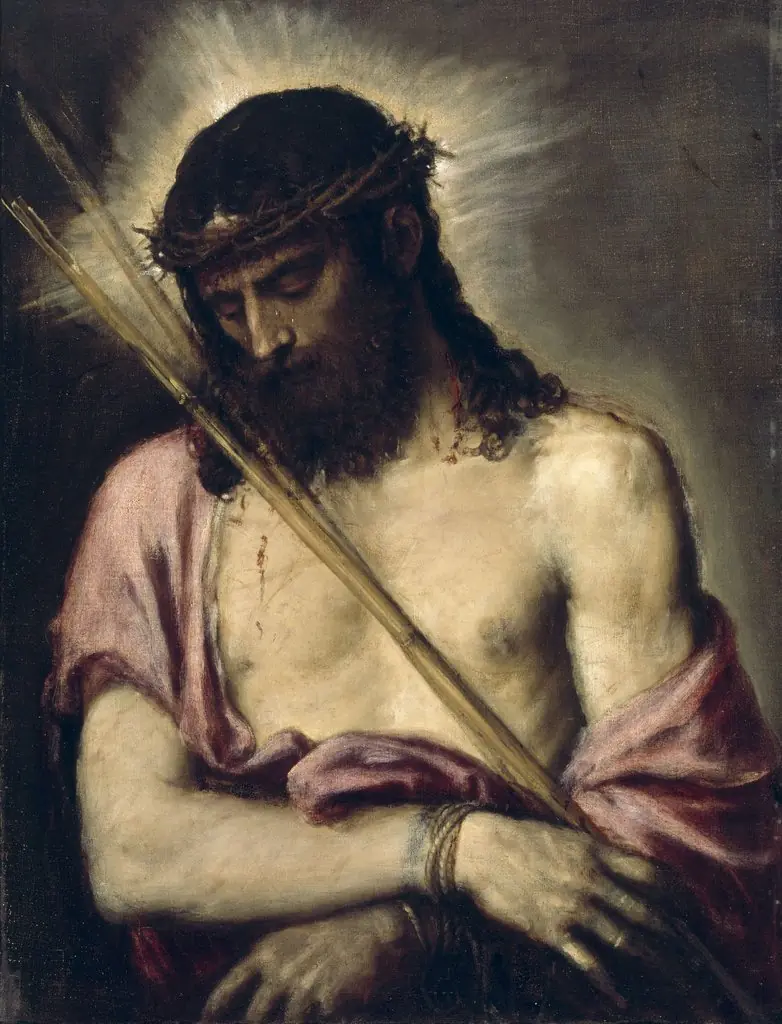
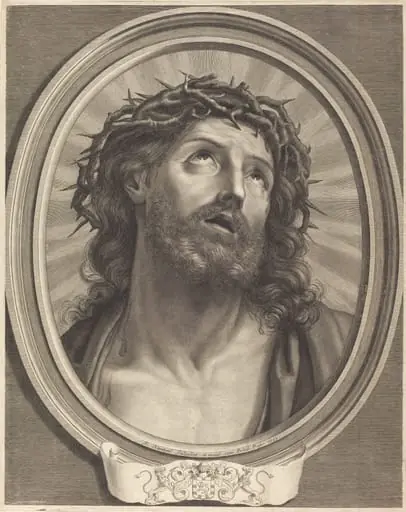
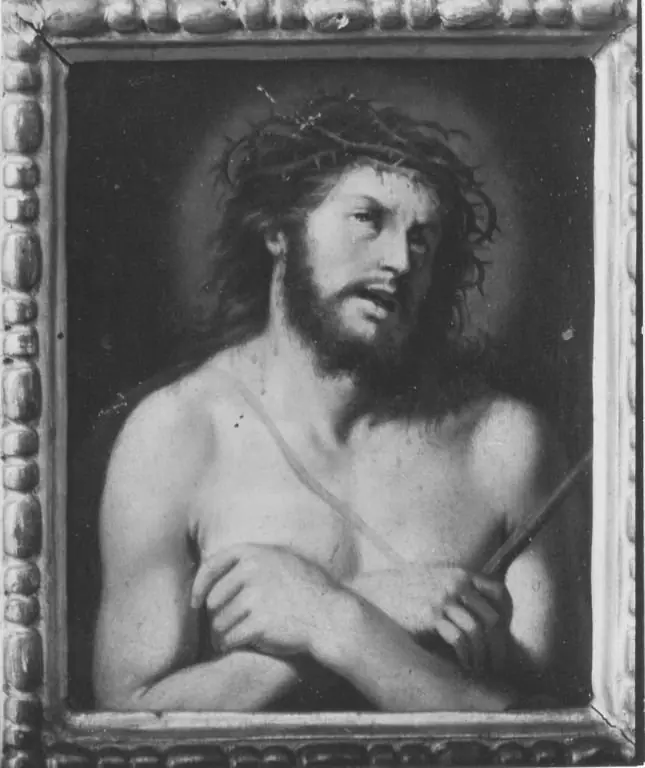
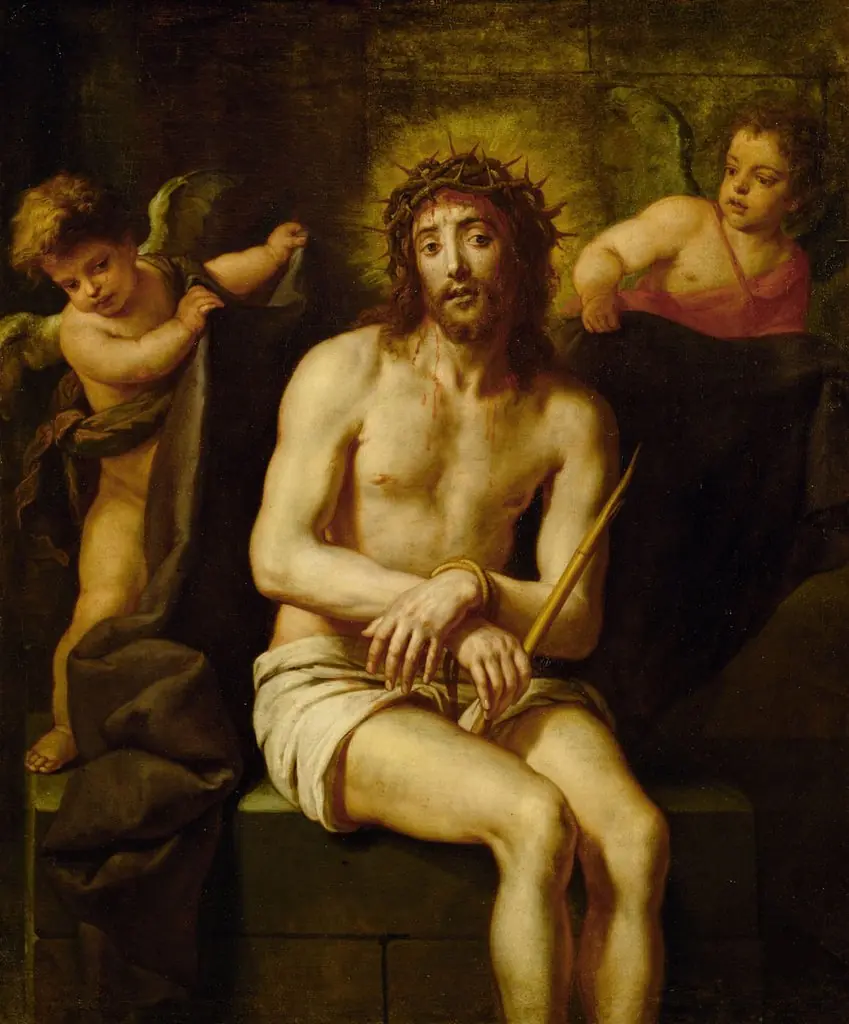
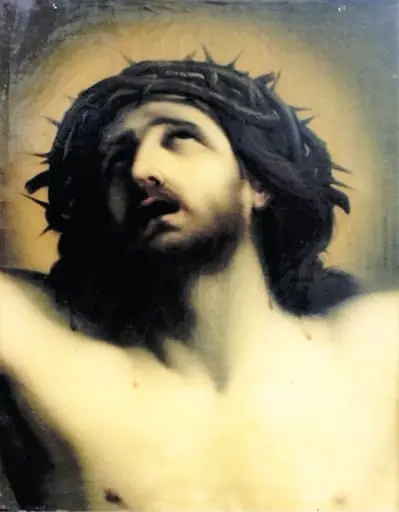
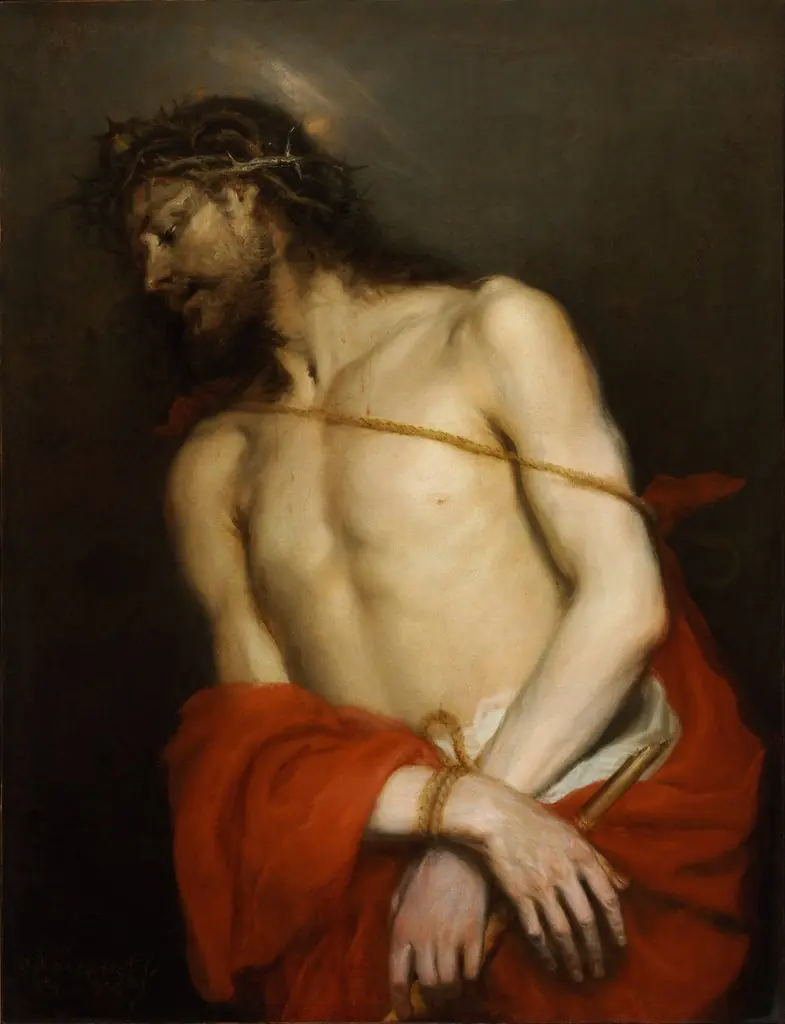
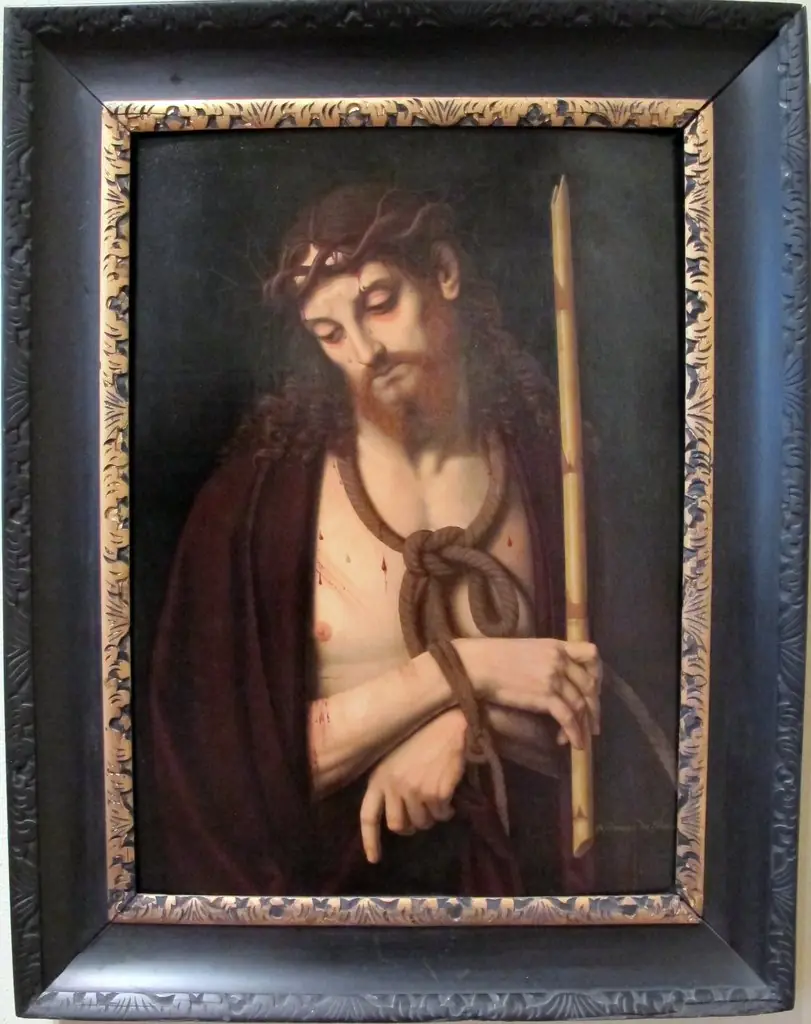
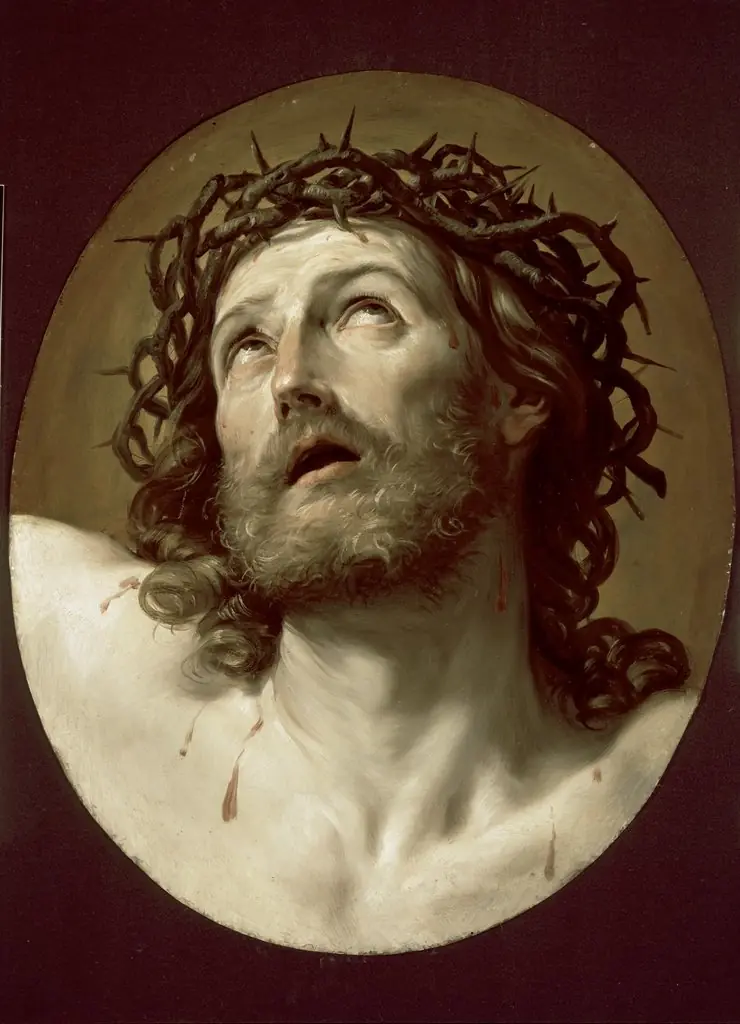
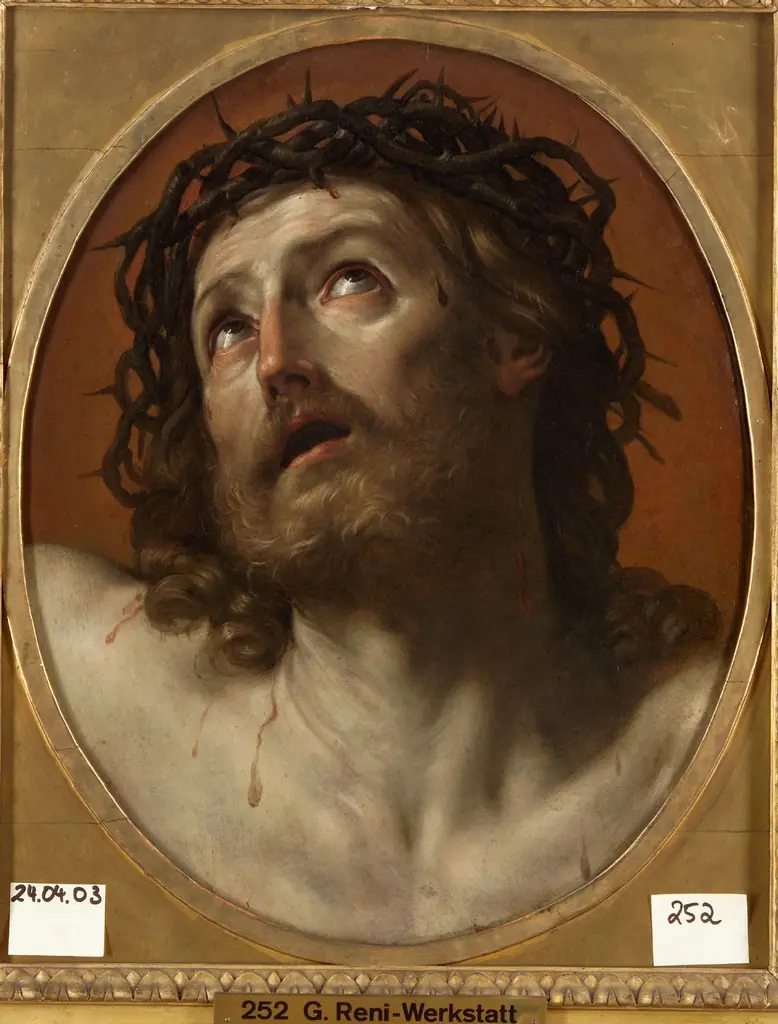
The painting portrays Jesus Christ with a crown of thorns, embodying the 'Ecce Homo' (Behold the Man) theme. His expression conveys a serene sadness, inviting contemplation on his plight.
Technique & Style
Reni employs chiaroscuro, characteristic of his style, with a dark background that contrasts with a halo of light around Christ's head, emphasizing his face and emotional state.
History & Provenance
Created in 1639, the painting's history prior to its current location at the Städel Museum is not detailed here, highlighting the need for further research on its provenance.
Context
As a Baroque piece, it reflects the era's emphasis on emotional depth and dramatic lighting, aligning with Reni's known artistic inclinations.
Legacy
While specific influences or notable exhibitions of this 'Ecce Homo' are not highlighted, it contributes to the broader legacy of Reni's work in capturing religious themes with profound emotional resonance.
Artist & collection
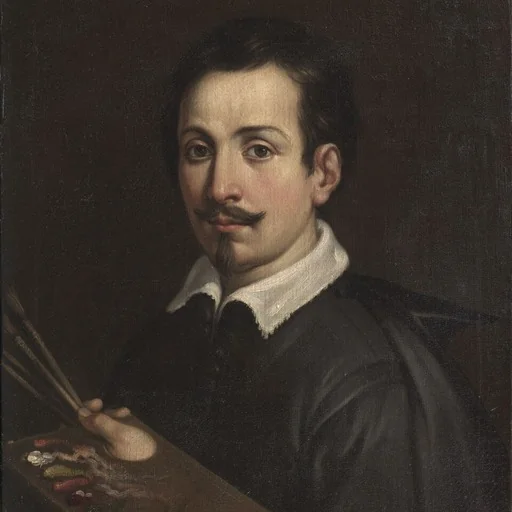
Artist
Guido Reni was an Italian Baroque painter, although his works showed a classical manner, similar to Simon Vouet, Nicolas Poussin, and Philippe de Champaigne.

Museum
Department of Paintings of the Louvre
Continue through works from the same source collection.