Artwork
Street Scene (recto); Sketches (verso)
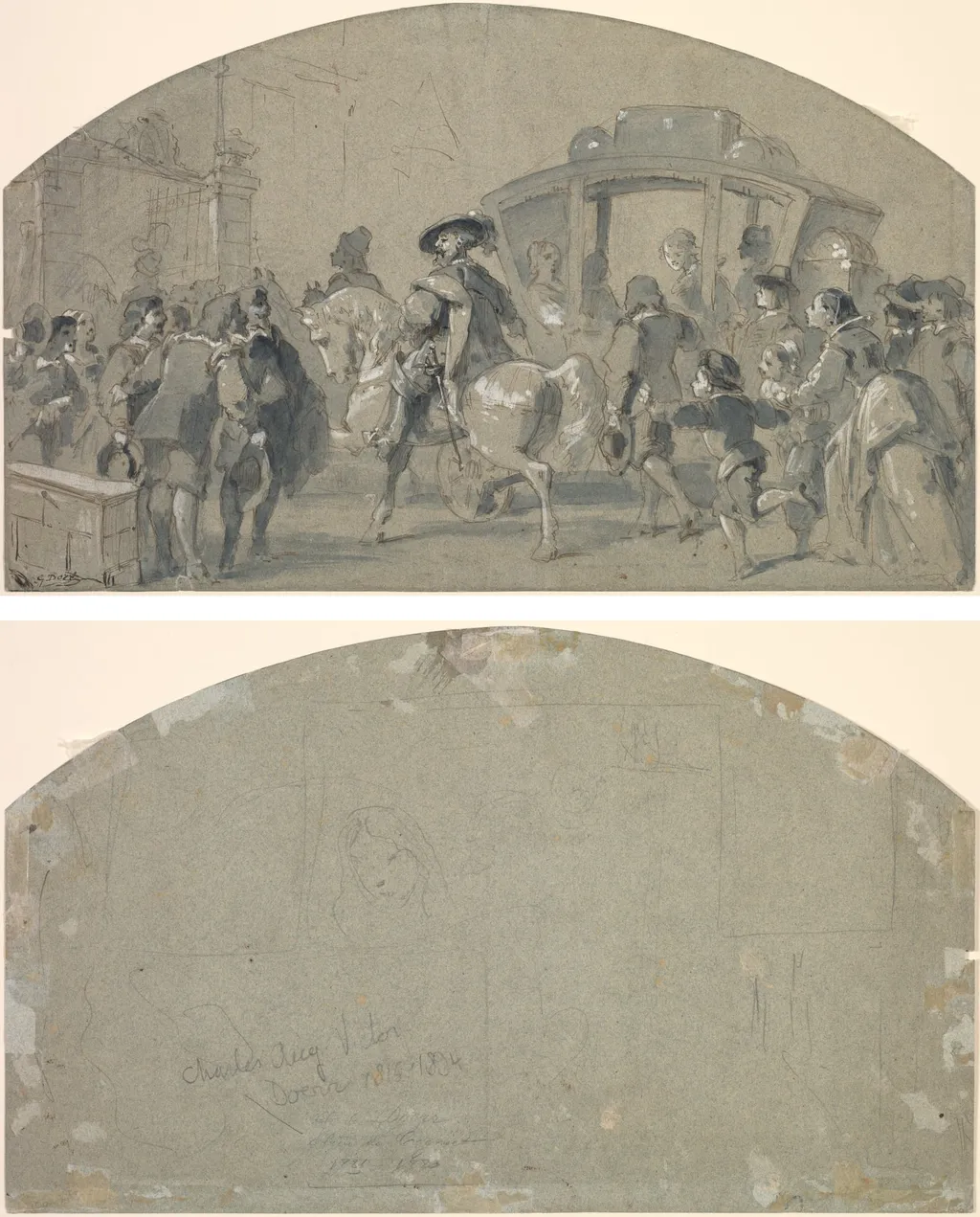
Street Scene (recto); Sketches (verso) is a drawing by the Romanticist artist Gustave Doré. It dates from 1848 and is held in the collection of the Cleveland Museum of Art.
About this work
You see a scene of people on a street in this painting.
The street is busy with activity, and the artist paid attention to details like the buildings and clothes. This was likely done when the artist was quite young, which is interesting.
You can learn more about this style by looking at the work of artist: Gustave Doré (French, 1832–1883).
Overview
At just sixteen years old, Doré demonstrated an acute eye for detail and movement, capturing the rhythms of city streets with remarkable precision for his age.
Created around 1848, this double-sided drawing by Gustave Doré features a bustling urban scene on the recto and a series of informal sketches on the verso. Executed in pencil and ink, it reflects the artist’s early engagement with everyday life in Paris. At just sixteen years old, Doré demonstrated an acute eye for detail and movement, capturing the rhythms of city streets with remarkable precision for his age.
Subject & Meaning
The recto depicts a crowded Parisian street, with figures in period attire moving between modest brick buildings. Pedestrians, vendors, and carriage riders suggest a routine urban moment, not a grand event. The composition emphasizes the anonymity and motion of city life, hinting at Doré’s developing interest in social observation—a theme that would later define his illustrations of urban and rural populations.
Technique & Style
Doré employed quick, confident pen and pencil strokes to render figures and architecture with minimal detail yet maximum clarity. The lines are fluid and economical, capturing posture and gesture without heavy shading. The verso contains fragmented studies—hands, faces, and architectural elements—revealing his process of visual note-taking, a practice common among young artists training in observational drawing.
History & Provenance
The drawing entered the collection of The Cleveland Museum of Art as part of a larger group of Doré’s works acquired in the 20th century. Its survival as a private sketch, rather than a finished illustration, offers rare insight into his formative years. No documented ownership history exists prior to its museum acquisition, suggesting it remained in the artist’s circle or was preserved by a collector familiar with his early work.
Context
In 1848, Paris was undergoing political upheaval and rapid urban transformation. Doré, still a teenager, absorbed the city’s changing character through direct observation. His drawings from this period reflect the influence of emerging realist traditions and the growing public appetite for images of everyday life, setting the stage for his later work in illustrated newspapers and books.
Legacy
This early drawing underscores Doré’s precocious talent and his lifelong commitment to documenting human activity. Though he later gained fame for grand historical and literary illustrations, these intimate sketches reveal the foundation of his visual language: attention to detail, dynamic composition, and empathy for the ordinary. They remain valuable records of a young artist learning to see the world with clarity and purpose.
Artist & collection
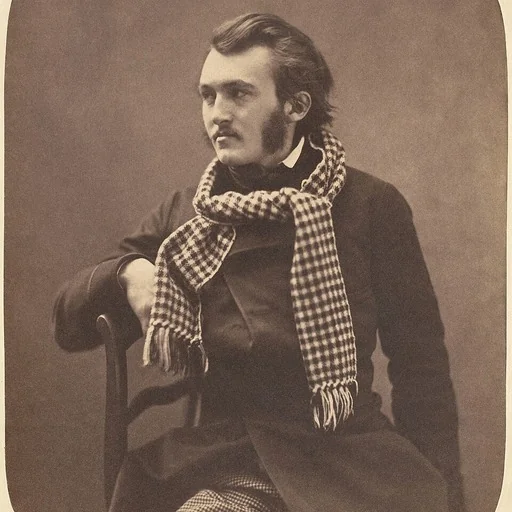
Artist
Paul Gustave Louis Christophe Doré was a French printmaker, illustrator, painter, comics artist, caricaturist, and sculptor.

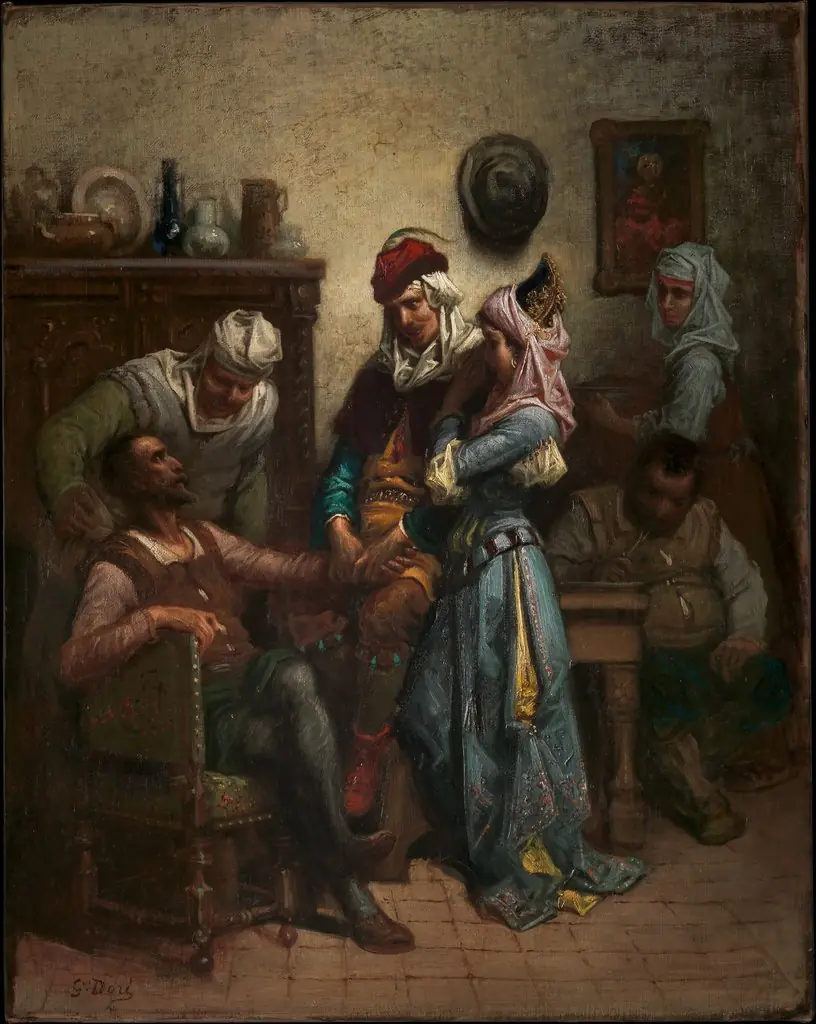
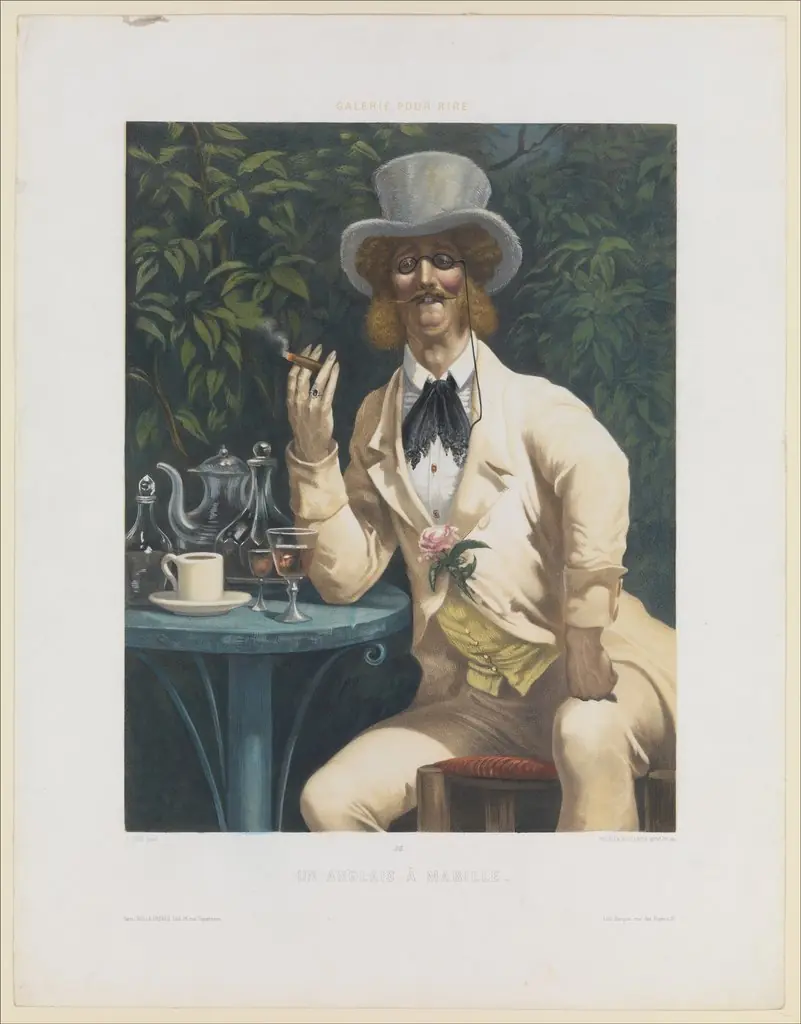
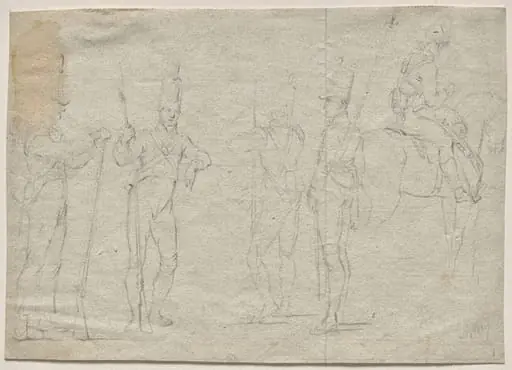 Soldiers
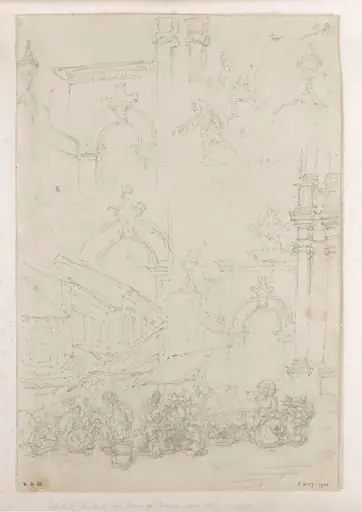 The market by the Church of S. Domingos, Macau, with other architecture
 Study for 'The Siege of Gibraltar'
 Part of the A-Ma temple, Macau
 An Elegant Hunting Party Resting by a Fountain
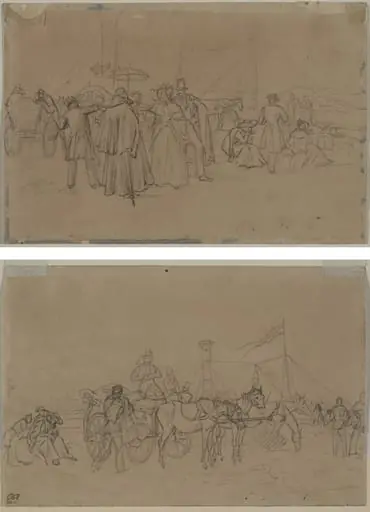 Passengers for Rhine Steamer (recto) Passengers for Rhine Steamer (verso)
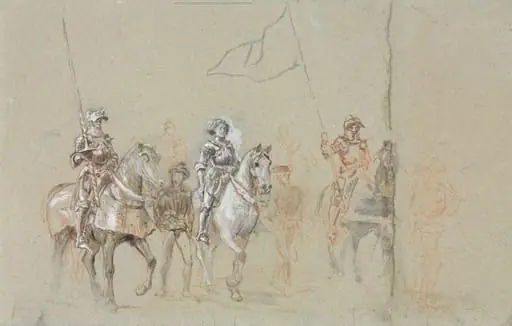 Joan of Arc
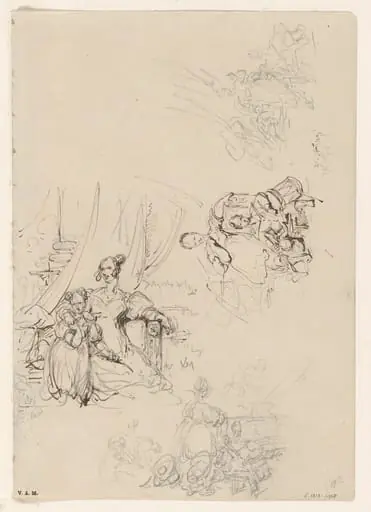 A Western woman with her children in Macau
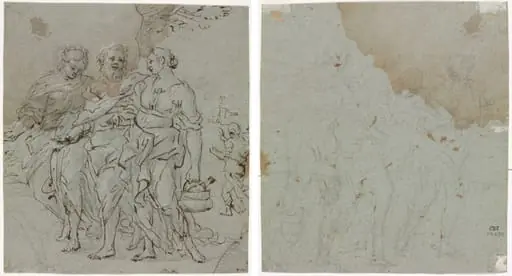 Lot and His Daughters (recto); Sketch for Lot and His Daughters (verso)