Artwork
Study for The Baptism of Vajk
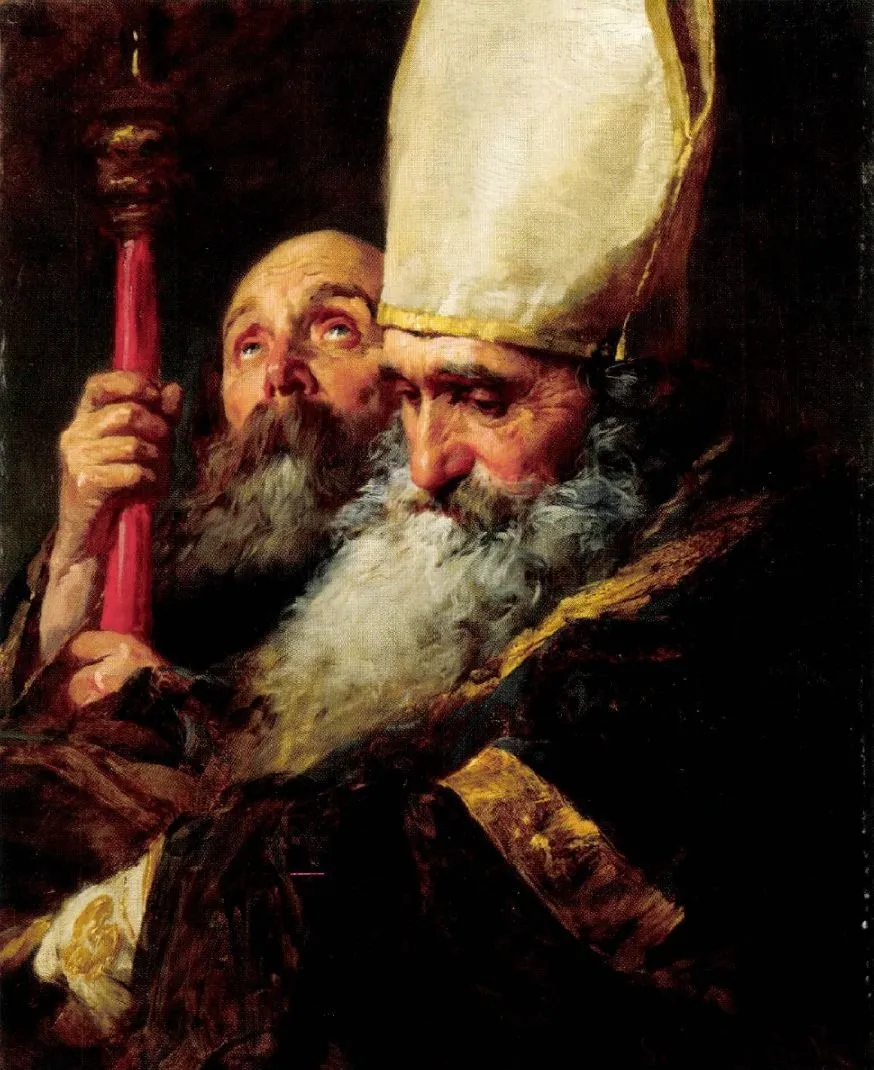
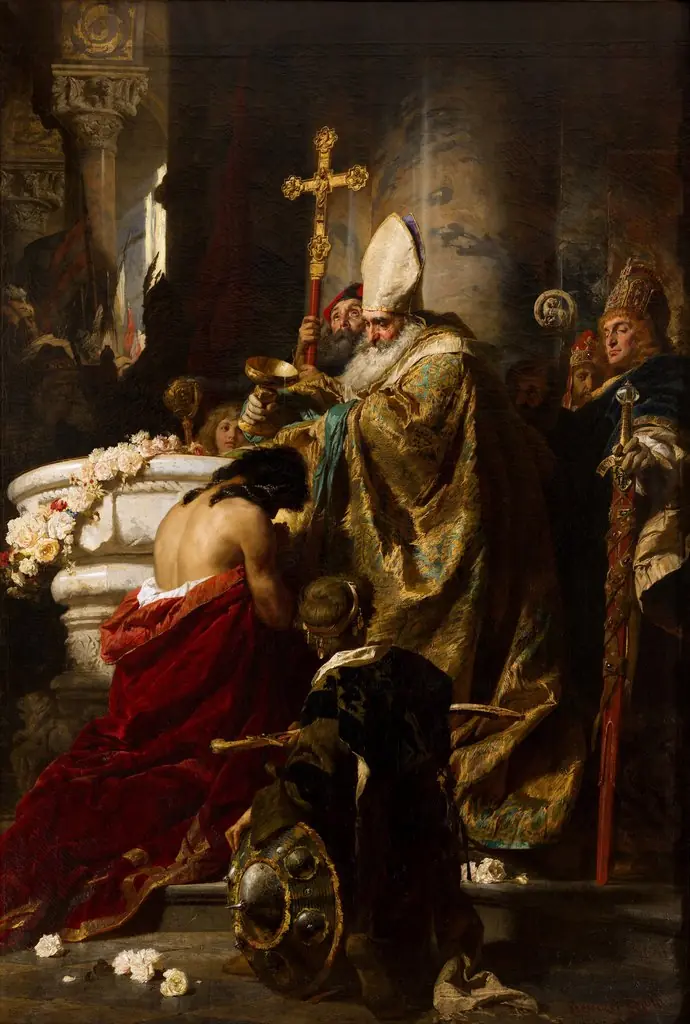
Study for The Baptism of Vajk is an oil painting by the Realist artist Gyula Benczúr. It dates from 1871 and is held in the collection of the Hungarian National Gallery.
About this work
Overview
Executed in the academic realist style, it focuses on a moment of ritual significance with restrained composition and careful attention to figure and gesture.
Created in 1871 by Hungarian artist Gyula Benczúr, this oil painting serves as a preparatory study for a larger historical work depicting the baptism of Vajk, later King Stephen I of Hungary. Executed in the academic realist style, it focuses on a moment of ritual significance with restrained composition and careful attention to figure and gesture. The piece resides in the Hungarian National Gallery, where it contributes to the documentation of national historical iconography.
Subject & Meaning
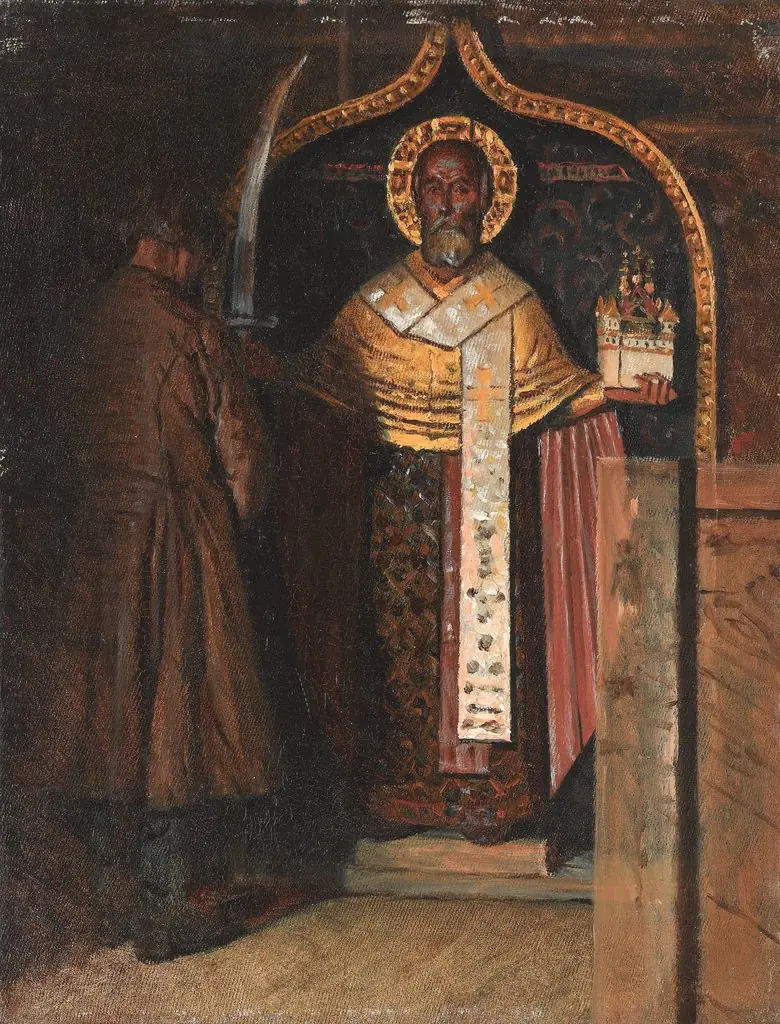
The scene centers on a religious figure, likely a bishop, holding an ornate red staff while looking downward, suggesting solemnity or invocation. A second figure, positioned behind, supports the staff, implying ritual assistance. The subject references the Christianization of Hungary, with Vajk’s baptism marking the nation’s transition to Christianity. The quiet intensity of the moment emphasizes spiritual gravity over spectacle, aligning with 19th-century efforts to anchor national identity in religious history.
Technique & Style
Benczúr employs oil paint with controlled brushwork to define form and texture, particularly in the folds of the robe and the polished surface of the staff. The dark, muted background isolates the figures, while directional lighting accentuates their contours and facial expressions. The palette is restrained, with the red staff serving as the sole vivid element, drawing focus to the ceremonial object. The study reflects academic training, prioritizing anatomical accuracy and compositional clarity over emotional dramatization.
History & Provenance
Painted in 1871, this study was part of Benczúr’s process for a commissioned historical painting on the baptism of Vajk, a foundational event in Hungarian statehood. It remained in the artist’s possession until its acquisition by the Hungarian National Gallery, where it has been preserved as both an artistic artifact and a document of national narrative construction during the Austro-Hungarian era.
Context
In the late 19th century, Hungary experienced a surge in historical painting as part of a broader cultural movement to assert national identity under Habsburg rule. Benczúr, a leading academic painter, contributed to this effort by visualizing key moments from Hungary’s Christian origins. This study reflects the state’s investment in art as a tool for historical legitimation, aligning religious tradition with emerging nationalist sentiment.
Legacy
Though the final large-scale painting is less frequently exhibited, this study endures as a refined example of Benczúr’s preparatory method and his role in shaping Hungary’s visual historiography. It remains a touchstone for understanding how academic realism was deployed to convey national myths, influencing later generations of Hungarian artists engaged with historical subject matter.
Artist & collection
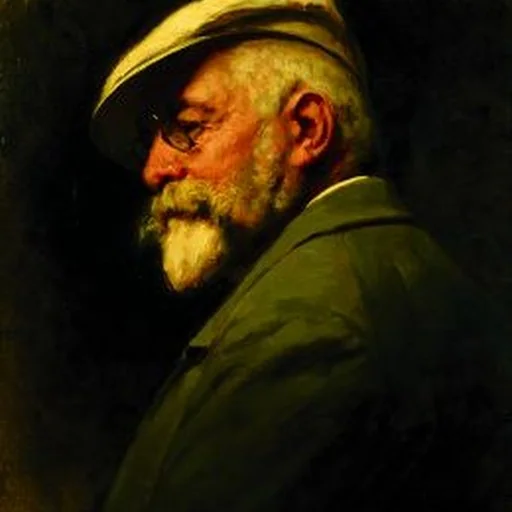
Artist
Gyula Benczúr (28 January 1844 – 16 July 1920) was a Hungarian painter and art teacher.

 Icon of St Nicholas from the Upper Reaches of the River Pinega
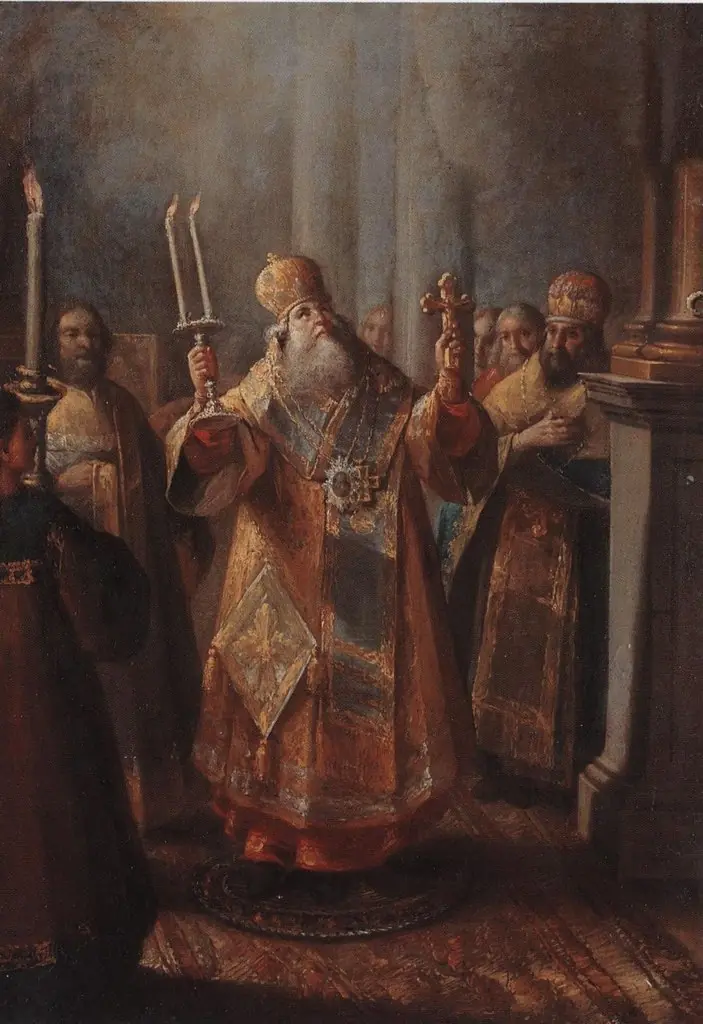 The bishop serving Divine Liturgy
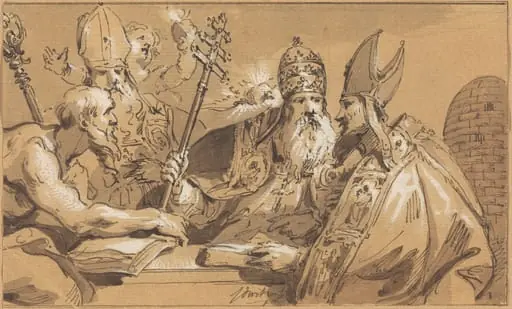 The Four Fathers of the Church
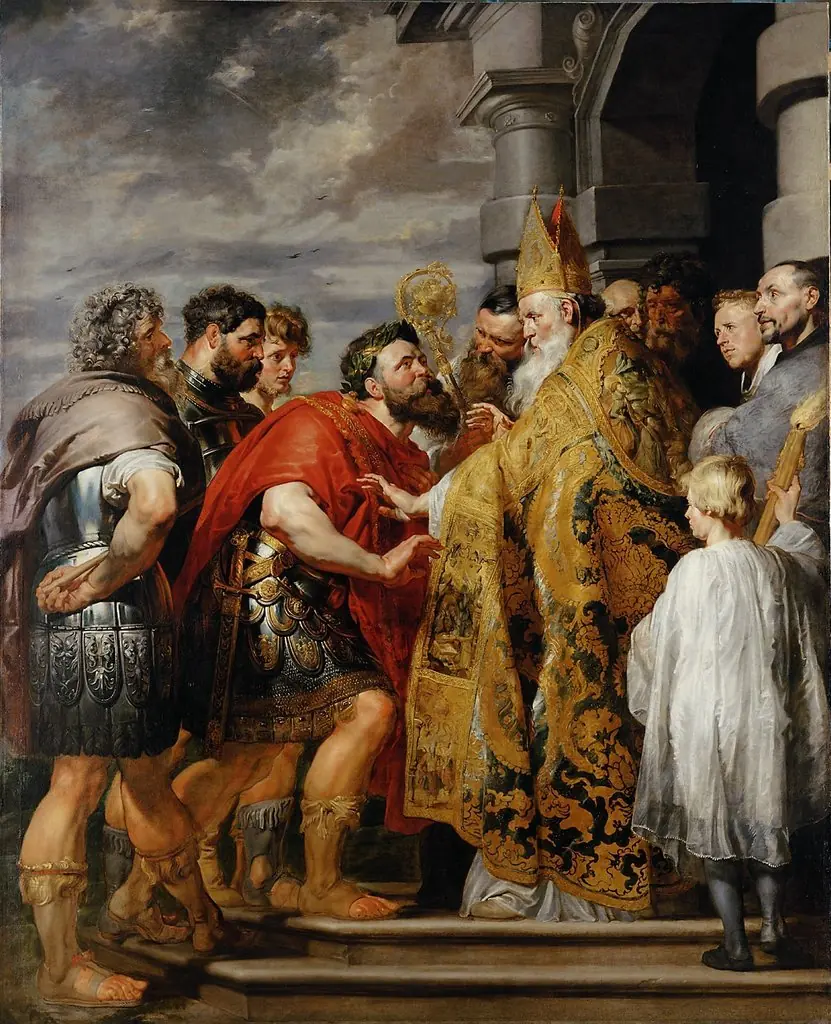 Theodosius and Saint Ambrose
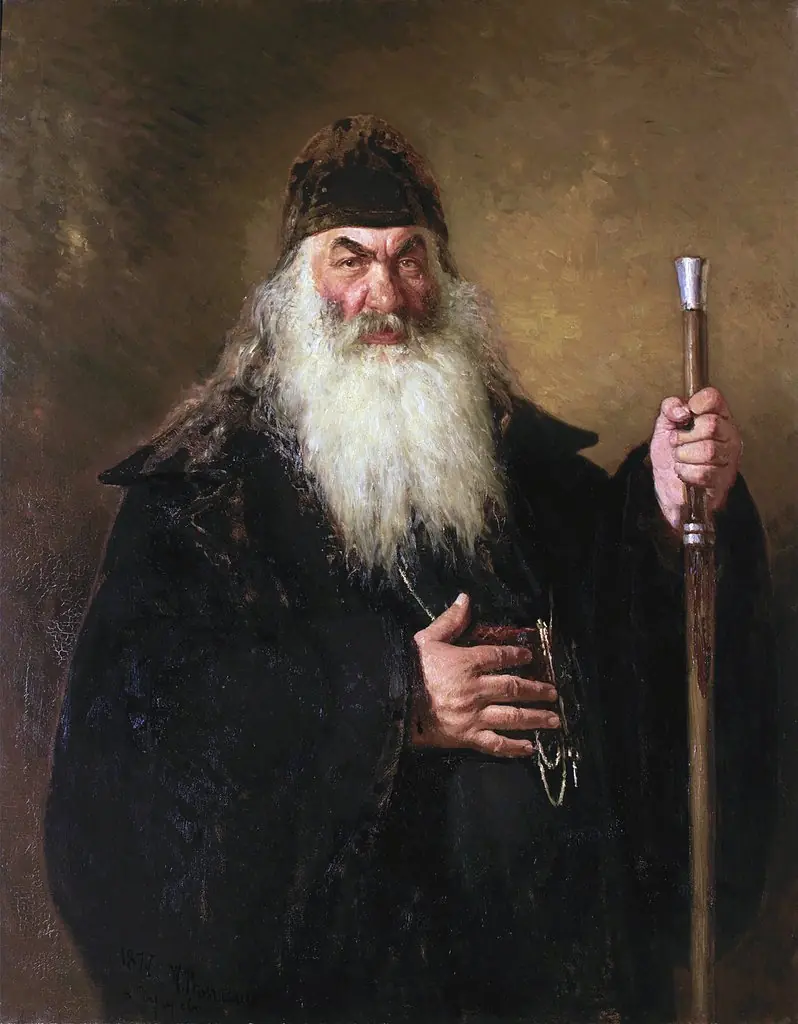 Portrait of An Archdeacon
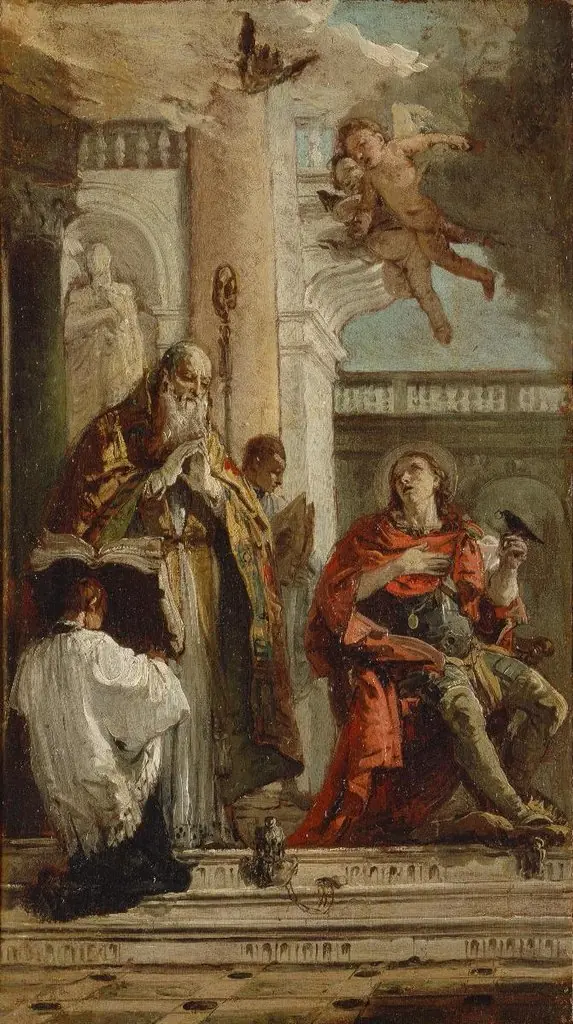 Santi Massimo e Osvaldo
 Portrait of Metropolitan Palladius
 Saint Augustine in Ecstasy
 Archbishop Anthony (Khrapovitsky)
 Portrait of Metropolitan Antonius
 Saint Attila
 The Baptism of Vajk