Artwork
The Hadji's Grave
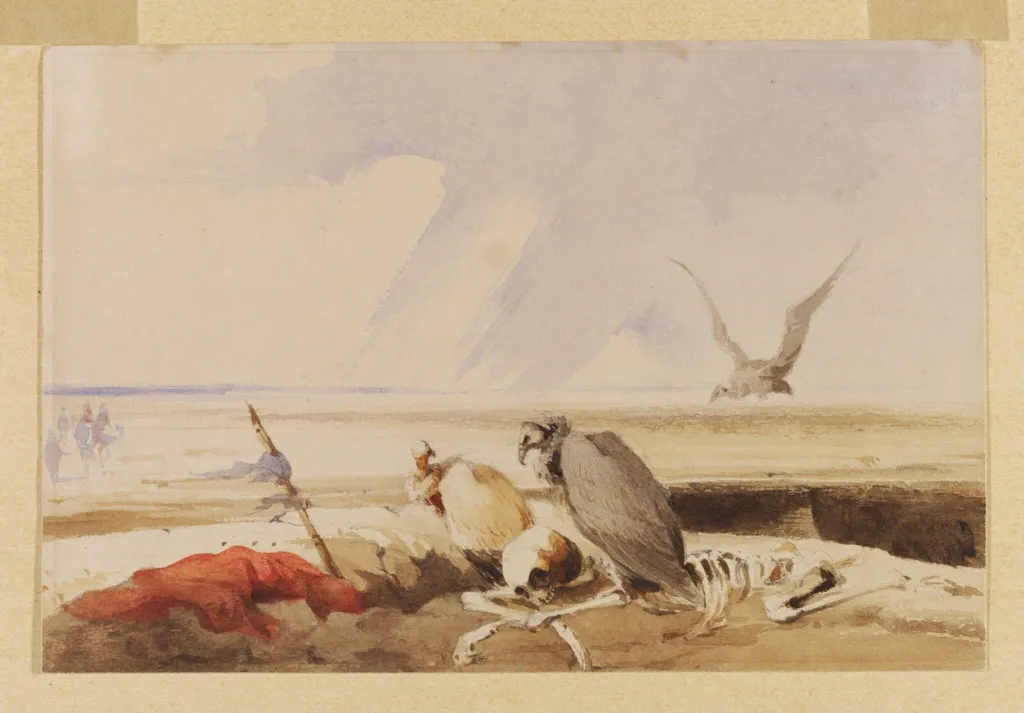
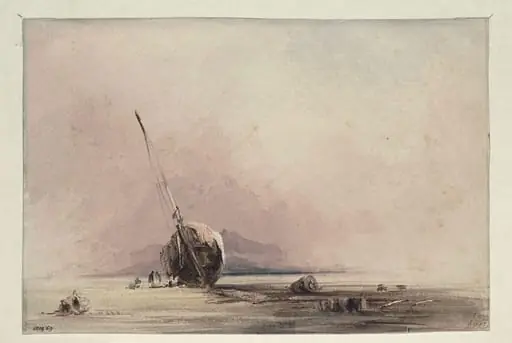
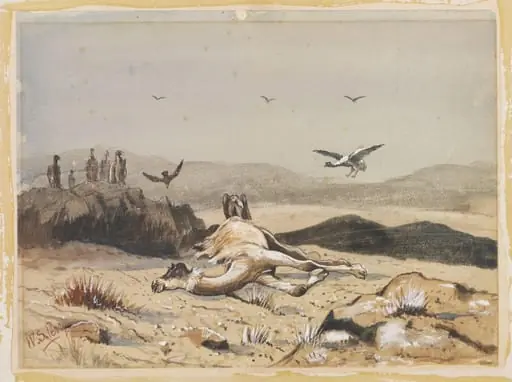
The Hadji's Grave is a watercolor work on paper by the Orientalist artist Carl Haag. It dates from 1850 and is held in the collection of the Victoria and Albert Museum.
About this work
Overview
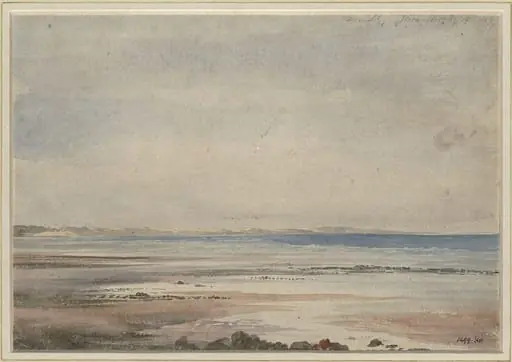
Created around 1850 by Carl Haag, The Hadji's Grave is a watercolor sketch depicting a quiet coastal scene. The work is part of the Victoria and Albert Museum’s collection and reflects the artist’s interest in observational drawing during his travels. Its informal, spontaneous quality suggests it was made on-site, capturing a fleeting moment rather than a composed composition.
Subject & Meaning
The scene centers on the carcass of a horse, still covered by a faded red blanket, lying on a sandy shore. A dog and a cat linger nearby, while seagulls wheel above. Distant human figures near the water imply a larger context, perhaps a funeral or abandonment. The absence of overt drama invites contemplation of mortality and neglect in a remote landscape.
Technique & Style
Haag employed loose, transparent watercolor washes, allowing the paper’s natural tone to suggest light and texture. Brushwork is swift and unrefined, with minimal detail in forms and no heavy outlines. The pale sky and muted tones reinforce the work’s sketch-like character, emphasizing atmosphere over precision and conveying immediacy rather than finish.
History & Provenance
The painting entered the Victoria and Albert Museum’s collection as part of Haag’s broader body of travel studies. Though little is documented about its specific origin, it aligns with his practice of recording scenes from the Mediterranean and Middle East during the mid-19th century. Its preservation suggests it was valued as a personal record rather than a public exhibition piece.
Context
During the 1850s, European artists increasingly traveled beyond urban centers, documenting unfamiliar landscapes and cultures. Haag’s work reflects this trend, blending ethnographic curiosity with personal observation. The presence of a dead horse—possibly a companion or transport—hints at the hardships of travel in remote regions, a theme common among contemporaries.
Legacy
The Hadji's Grave remains a quiet example of 19th-century travel sketching, valued for its honesty and restraint. It contributes to understanding how artists engaged with the peripheries of empire and the everyday realities of life beyond the studio. Its unpolished nature offers insight into the working methods of artists who prioritized observation over idealization.
Artist & collection
Artist
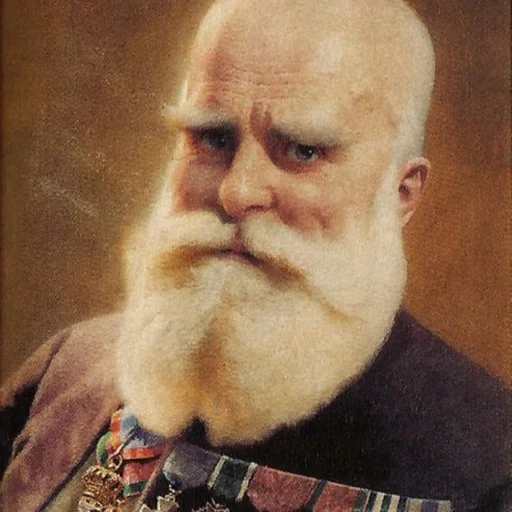
Carl Haag was a Bavarian-born painter who became a naturalized British subject and was court painter to the duke of Saxe-Coburg and Gotha.

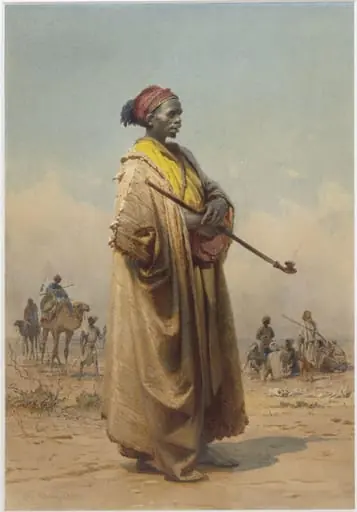
![The Hadjis Cheif[sic] Mourners, by Carl Haag](https://artifactworldgallery.com/img/carl-haag--the-hadjis-cheif-sic-mourners--ffef3d06cecf7aae-w320.webp)