Artwork
The Triumphal Arch, Palmyra
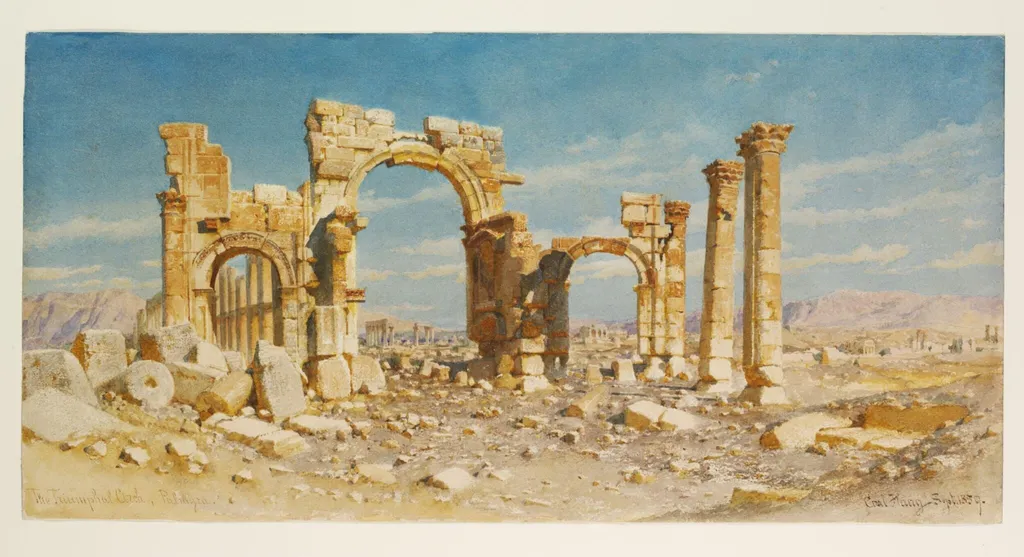
The Triumphal Arch, Palmyra is a watercolor work on paper by the German Romanticist artist Carl Haag. It dates from 1859 and is held in the collection of the Victoria and Albert Museum.
About this work
Overview
The Triumphal Arch, Palmyra is a watercolour painting by Carl Haag, depicting the ancient arch set amidst a desert landscape. Created following Haag's 1859 visit to Palmyra, the work reflects his fascination with the site's architecture and atmospheric conditions.
Subject & Meaning
The painting focuses on the Triumphal Arch of Palmyra, capturing its grandeur within a desert environment. Haag's emphasis on light and atmosphere distinguishes his work from earlier, more academically inclined depictions of the site.
Technique & Style
Haag employed his signature watercolour technique, which he designed to blend the 'brilliancy of oil painting' with the 'tender-sweetness of water-colours'. This approach allowed for a vivid, expressive portrayal of the arch and its surroundings.
History & Provenance
Inspired by preliminary sketches and on-site drawings made during his 1858-60 Middle Eastern tour, Haag created the watercolour upon his return to London. The piece was part of an exhibition showcasing his travels.
Context
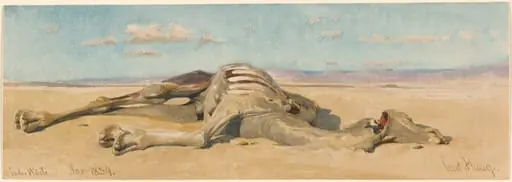
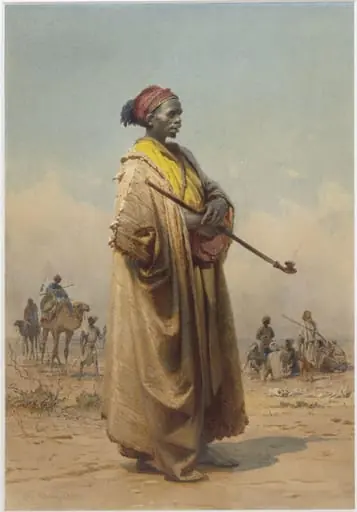
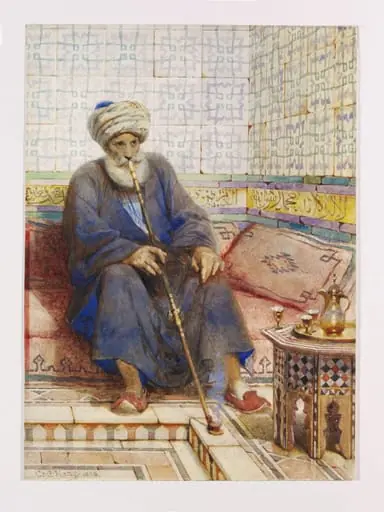
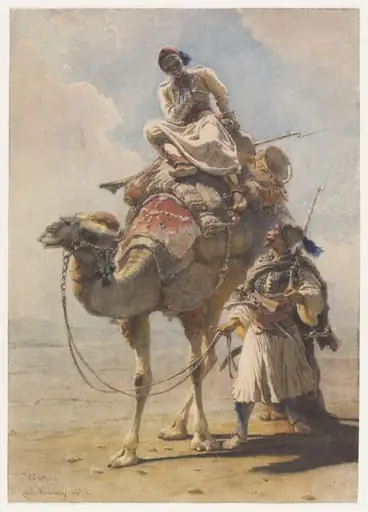
Part of Haag's post-1850 specialisation in oriental subjects after perfecting his watercolour technique, The Triumphal Arch, Palmyra reflects his shift towards capturing the beauty of Eastern architectural ruins, influenced by his fifteen-month journey through Egypt, Palestine, Syria, and Lebanon.
Legacy
As part of Haag's oeuvre, The Triumphal Arch, Palmyra contributes to his reputation as a prolific and successful watercolour painter, with his works, including this piece, available for viewing at the museum.
Artist & collection
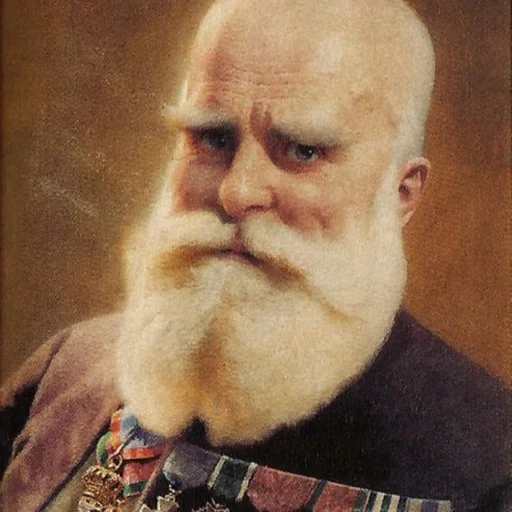
Artist
Carl Haag was a Bavarian-born painter who became a naturalized British subject and was court painter to the duke of Saxe-Coburg and Gotha.