Artwork
Kensington Gardens (The Small Plate)
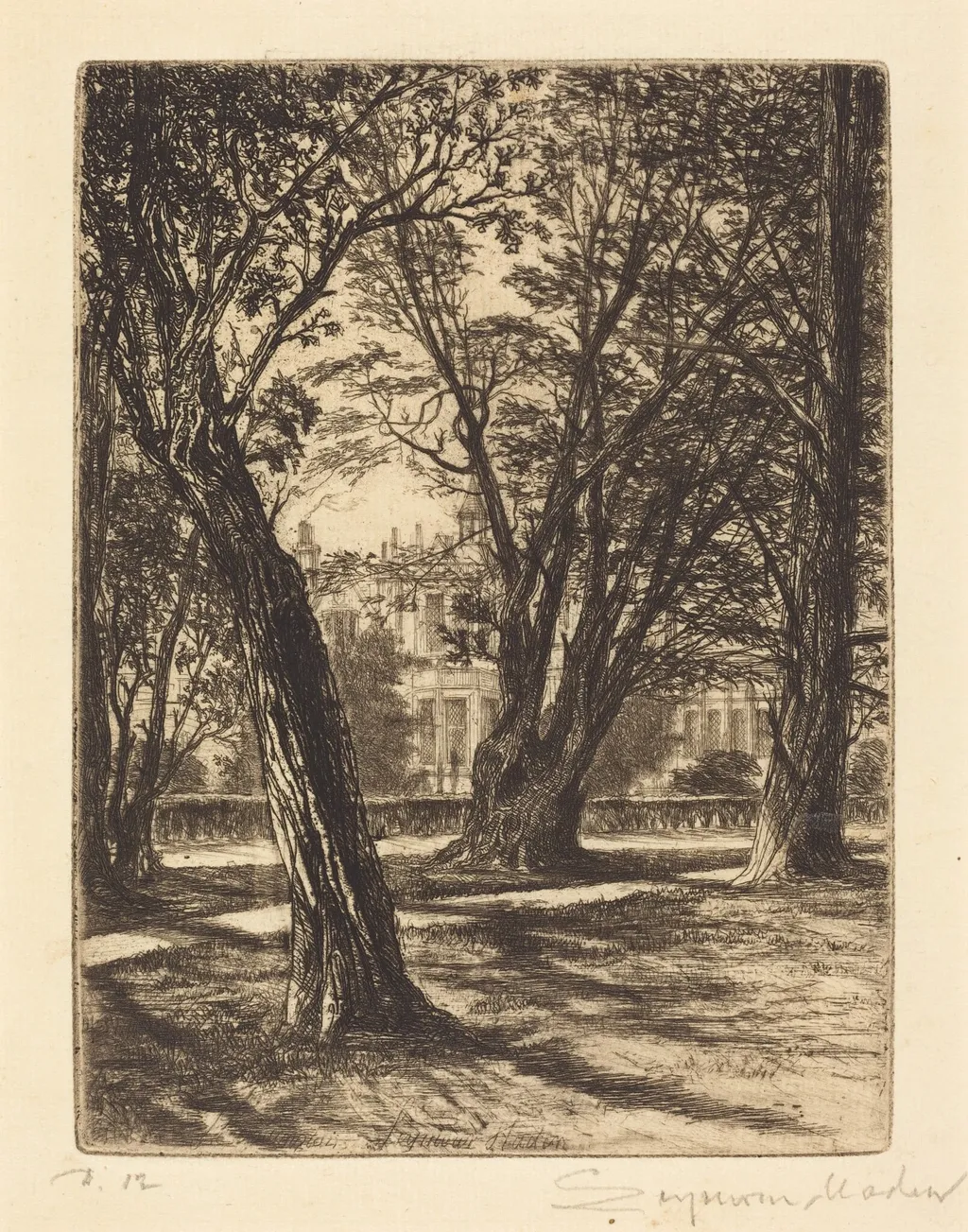
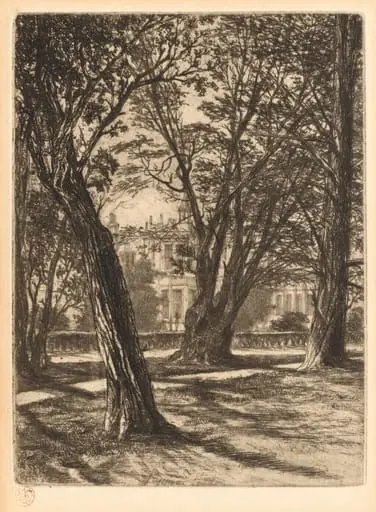
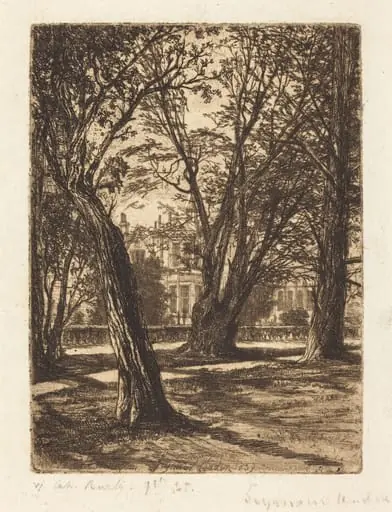
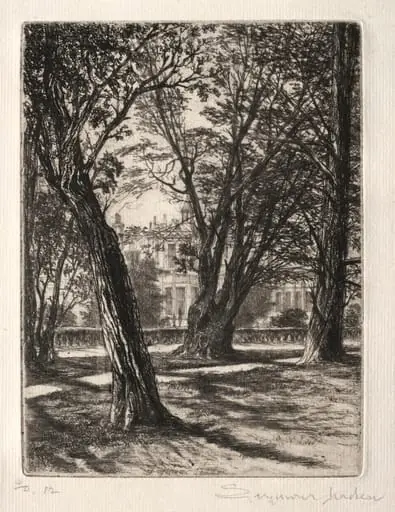
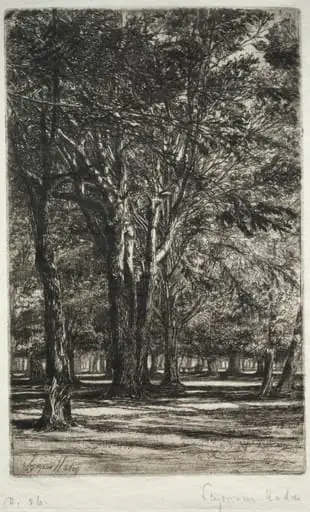
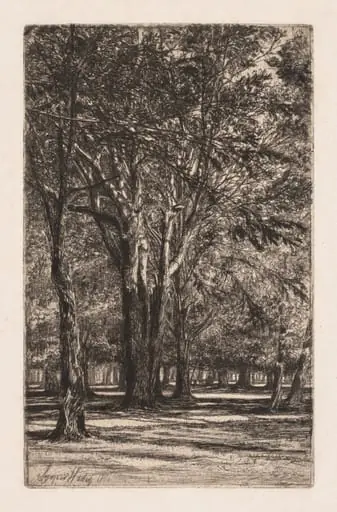
Kensington Gardens (The Small Plate) is an ink print by the Impressionist artist Francis Seymour Haden. It dates from 1859 and is held in the collection of the National Gallery of Art.
About this work
Overview
Its small scale and intimate composition reflect Haden’s interest in landscape as a subject for quiet, contemplative observation rather than grand narrative.
Francis Seymour Haden created Kensington Gardens (The Small Plate) in 1859 as an etching with drypoint, a printmaking method that combines acid-bitten lines with direct incisions into the plate. The work captures a quiet corner of London’s Kensington Gardens, emphasizing natural forms over human activity. Its small scale and intimate composition reflect Haden’s interest in landscape as a subject for quiet, contemplative observation rather than grand narrative.
Subject & Meaning
The scene depicts a tranquil stretch of parkland with slender trees in the foreground and a distant structure barely visible beyond. No figures are present, reinforcing a sense of solitude and stillness. The absence of human presence shifts focus to the natural environment, suggesting a meditation on urban green space as a refuge. The composition invites quiet reflection rather than storytelling, aligning with Haden’s broader artistic philosophy.
Technique & Style
Haden employed etching to define fine linear details and drypoint to create rich, velvety shadows through burr marks on the plate. The contrast between delicate tree trunks and the soft, blurred mass of foliage demonstrates his mastery of tonal gradation. Drypoint’s inherent texture enhances the tactile quality of bark and grass, while the restrained ink application preserves a lightness that avoids heaviness, reinforcing the scene’s serenity.
History & Provenance
Created during Haden’s early period as a printmaker, this work predates his formal association with the Etching Revival movement but already exhibits its hallmarks. It was likely produced for private circulation among artist circles rather than public sale. The plate was never widely reprinted, and surviving impressions are rare, contributing to its status as a modest but significant early example of his graphic work.
Context
In 1859, London’s public gardens were increasingly valued as spaces for leisure and moral renewal amid rapid urbanization. Haden, a physician turned artist, was drawn to such settings as sites of personal respite. His choice of Kensington Gardens—a recently formalized royal park—reflects a broader cultural shift toward appreciating nature within the city, a theme echoed in contemporary literature and painting.
Legacy
Though not among Haden’s most famous prints, Kensington Gardens (The Small Plate) exemplifies his quiet, observational approach that influenced later British etchers. Its restrained technique and emphasis on atmosphere over spectacle helped define a distinct strand of 19th-century printmaking, one that prioritized mood and craftsmanship over dramatic effect. The work remains a subtle testament to the aesthetic potential of everyday landscapes.
Own this work as a print
Artist & collection


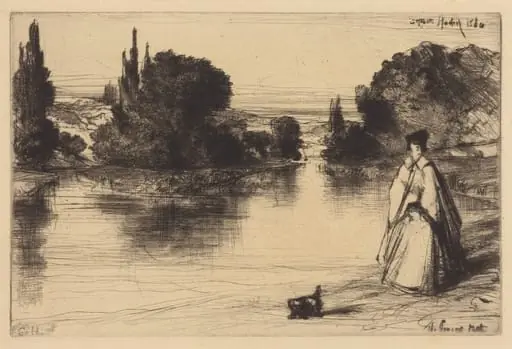
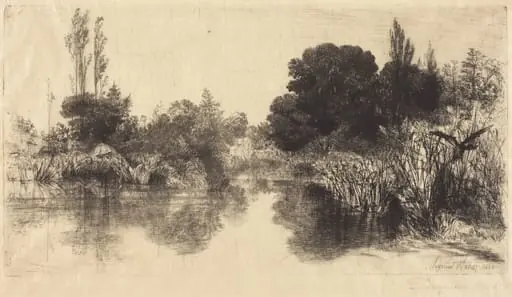
 Kensington Gardens, No. 1 (Small Plate)
 Kensington Gardens (The Small Plate)
 Kensington Gardens (The Small Plate)
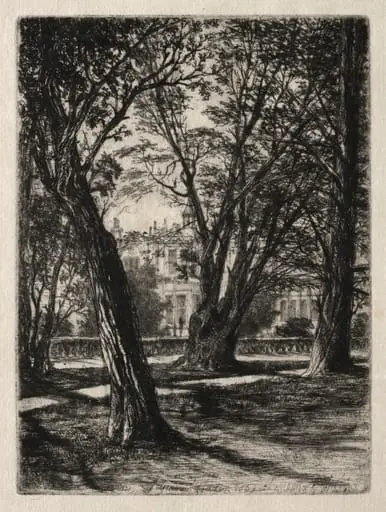 Kensington Gardens
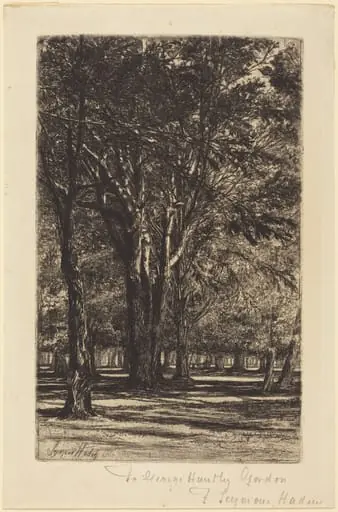 Kensington Gardens (The Larger Plate)
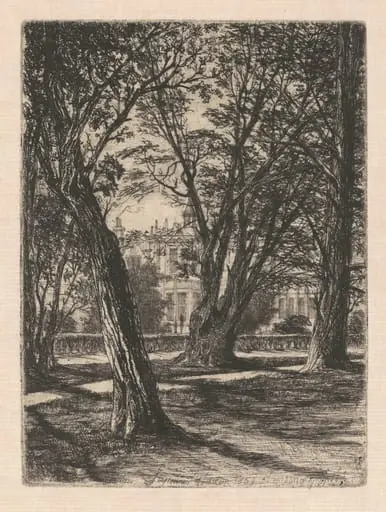 Kensington Gardens, No. 1
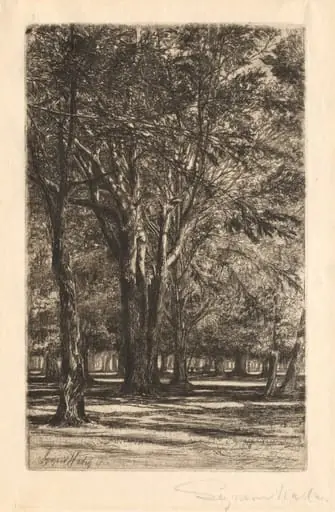 Kensington Gardens, No. 2 (Large Plate)
 Kensington Gardens (The Larger Plate)
 Kensington Gardens, No. 2 (The Larger Plate)