Artwork
Die Flucht nach Ägypten
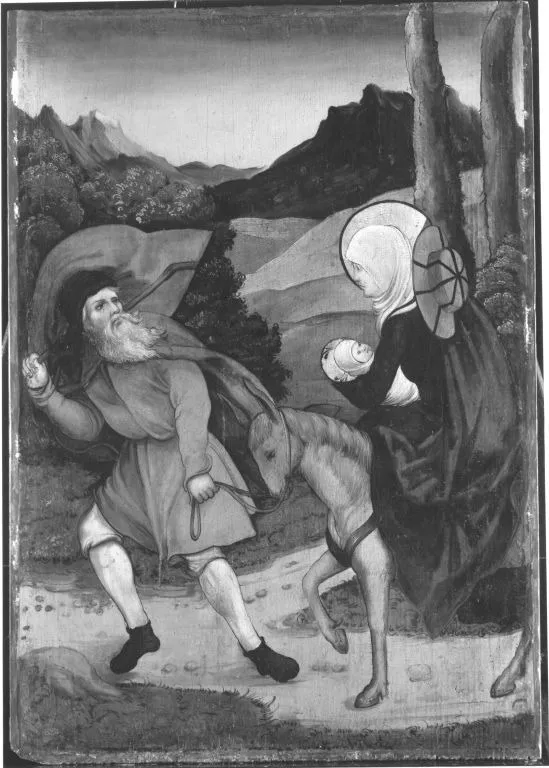
Die Flucht nach Ägypten is an unspecified painting by the Northern Renaissance artist Hans Leonhard Schäufelein. It dates from 1503 and is held in the collection of the Bavarian State Painting Collections.
About this work
Overview
This early sixteenth-century panel by Hans Leonhard Schäufelein forms part of the Northern Renaissance religious cycle. Executed in 1503, it remains in the collection of the Alte Pinakothek, Munich. The composition compresses sacred narrative into a tense, intimate moment set against a stark landscape.
Subject & Meaning
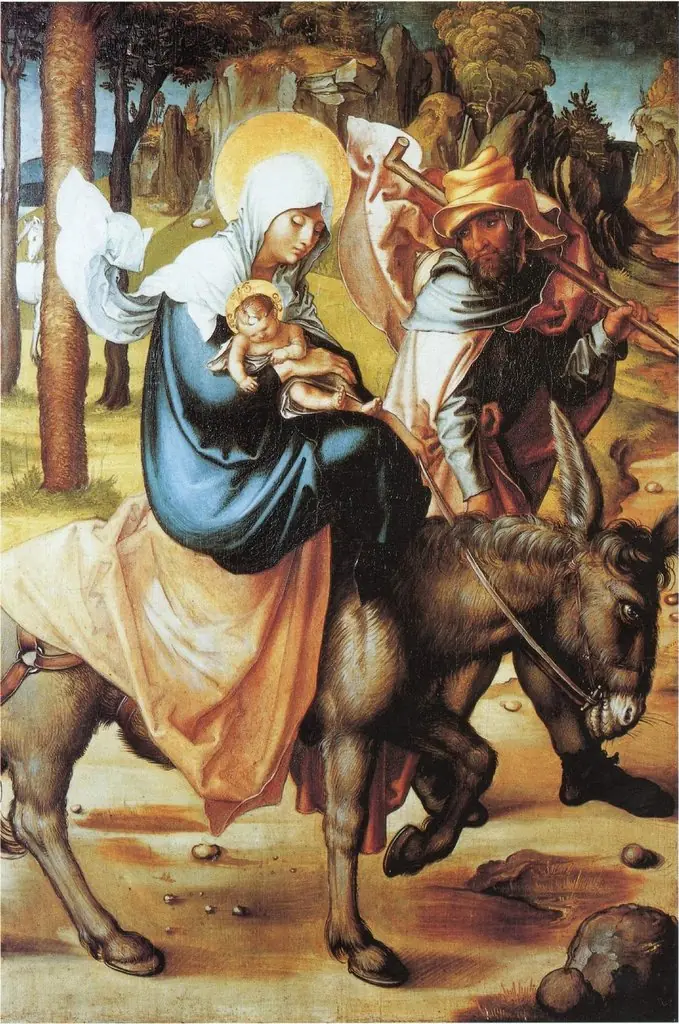
The painting depicts Joseph’s flight into Egypt, a biblical episode recounted in Matthew 2:13–14. Instead of the Holy Family, Schäufelein isolates Joseph, hurrying with a small dog while an airborne angel guides him. The angel’s outstretched hand and Joseph’s strained expression underscore urgency, evoking divine protection amid mortal peril.
Technique & Style
Schäufelein employs a restrained chiaroscuro, contrasting the luminous angelic figure with Joseph’s shadowed form and the jagged, dark rocks behind. Fine linear detail defines drapery folds and facial features, while atmospheric perspective softens distant hills. The brim of Joseph’s hat, caught in an unseen wind, heightens the scene’s immediacy.
History & Provenance
Created in 1503, the work entered the Bavarian royal collections during the early nineteenth century. It has since been housed at the Alte Pinakothek, where it is catalogued as part of the museum’s Northern Renaissance holdings. No earlier ownership records survive.
Context
Schäufelein, a workshop associate of Albrecht Dürer, produced this panel during a period of heightened devotional imagery in German-speaking lands. The Flight into Egypt was a frequent subject, often emphasizing human vulnerability and celestial intervention. The painting’s compressed format suggests it may have been intended for private meditation.
Artist & collection
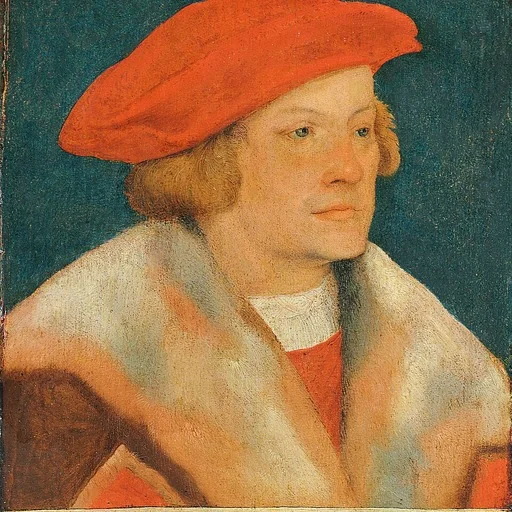
Artist
Hans Leonhard Schäufelein (1480–1540) was an artist, born in Nuremberg.

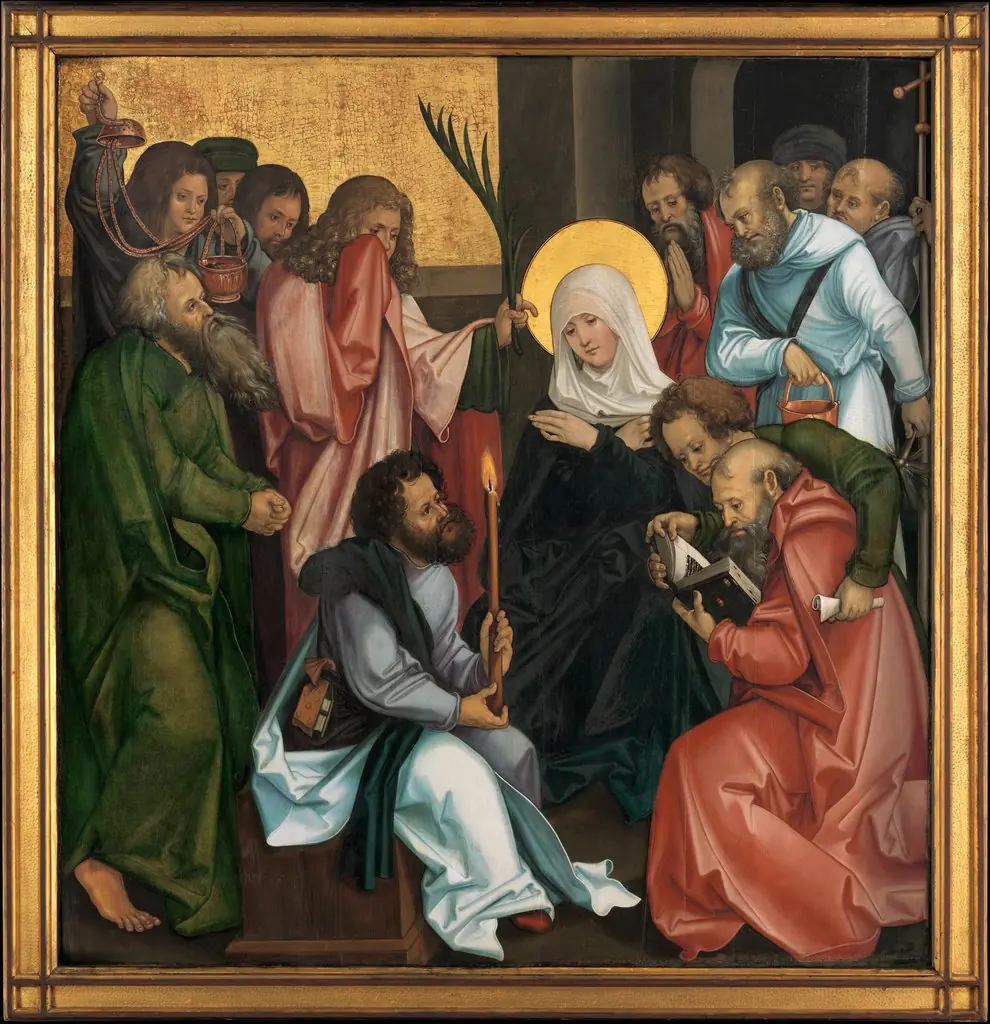 The Dormition of the Virgin; (reverse) Christ Carrying the Cross
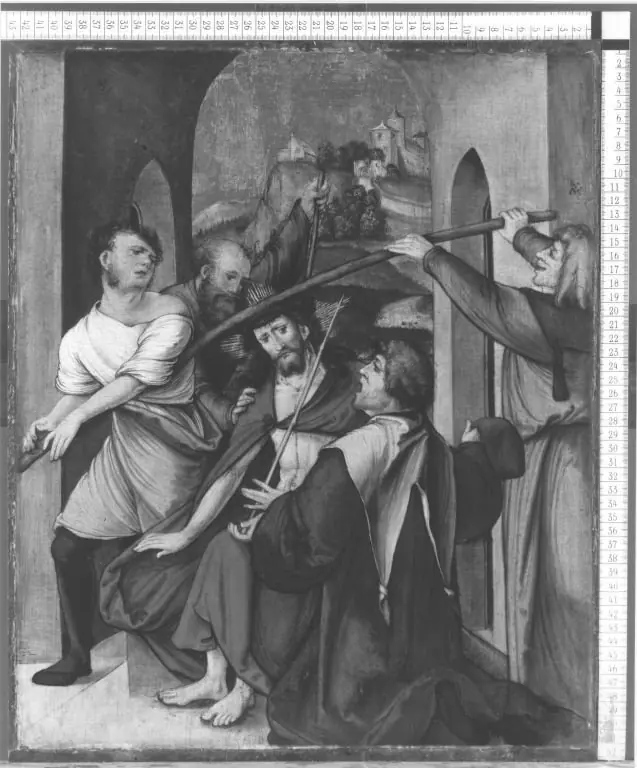 Christ crowned with thorns
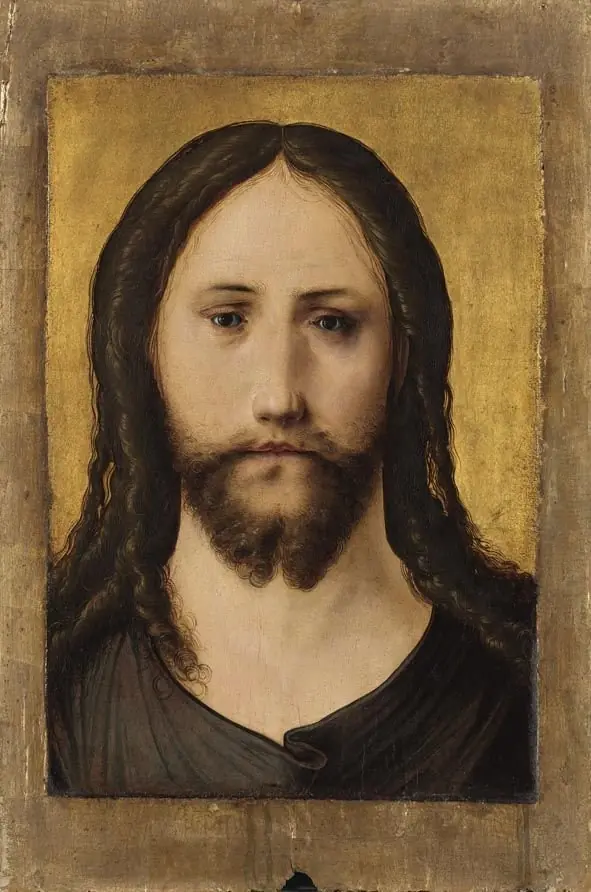 Christuskopf
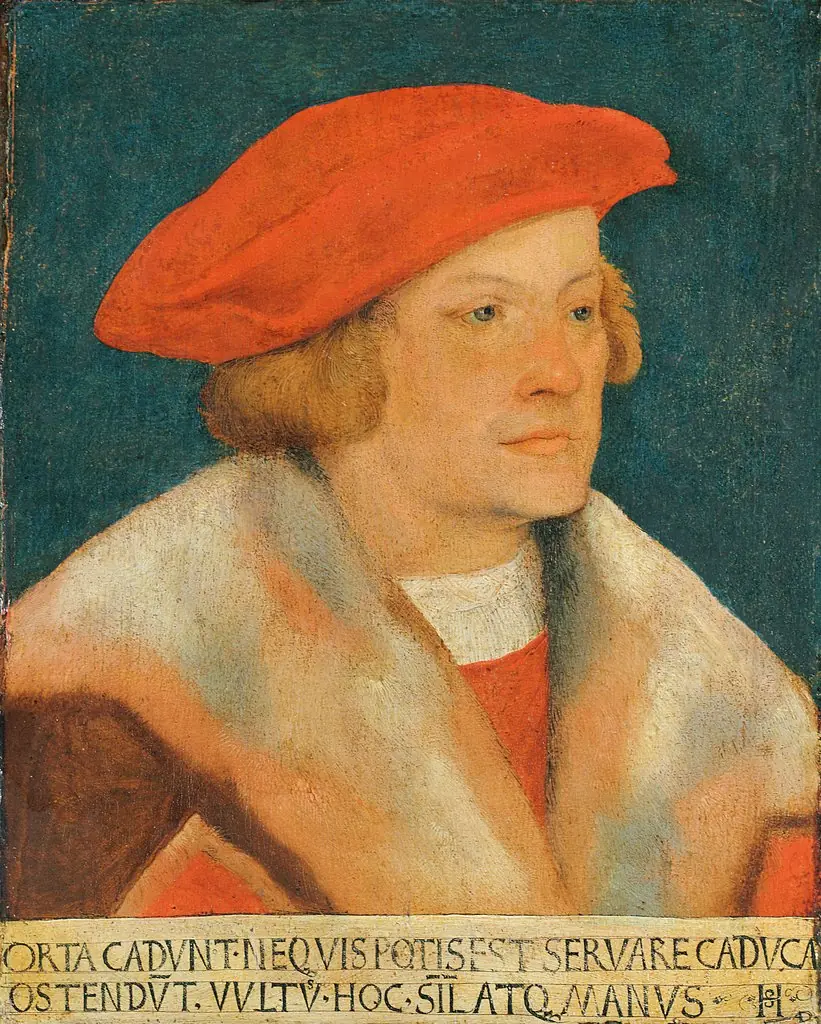 Portrait of a Man (Self-portrait?)
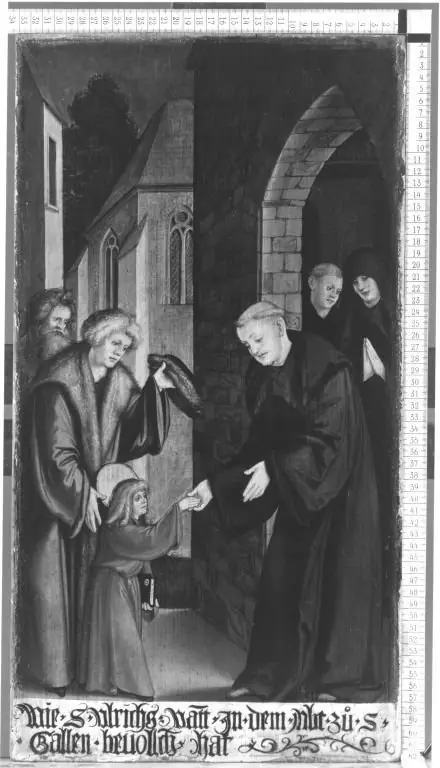 Der hl. Ulrich vor dem Abt von St. Gallen
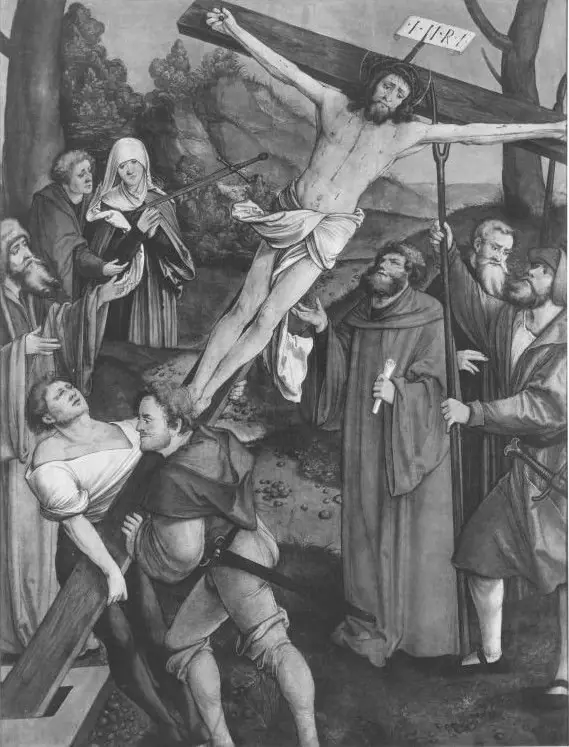 Christgartner Altar: Fall Christi bei der Kreuzaufrichtung (Abgetrennte Rückseite von WAF 920)
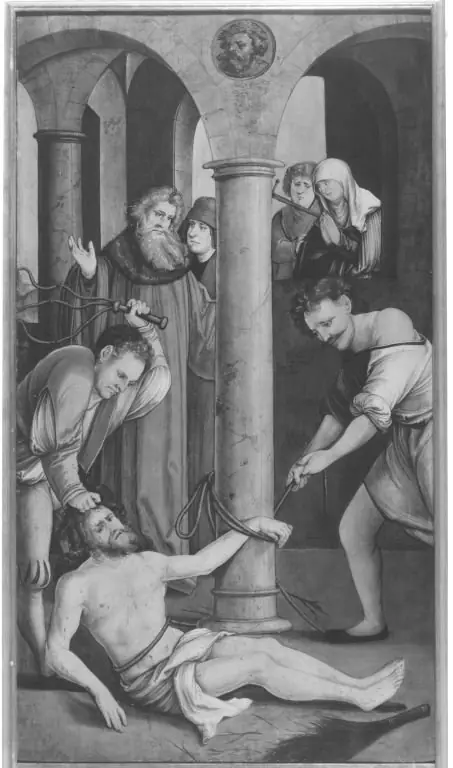 Fall of Christ during the Flagellation
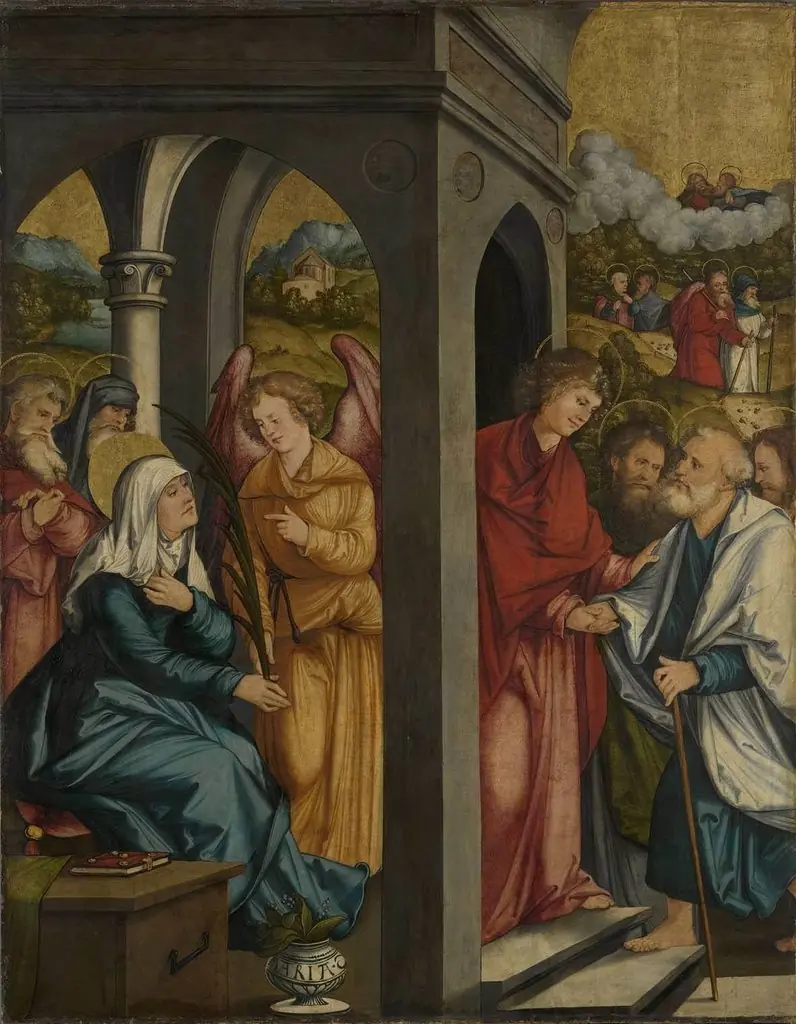 Christgartner Altar: Ein Engel reicht Maria die Palme
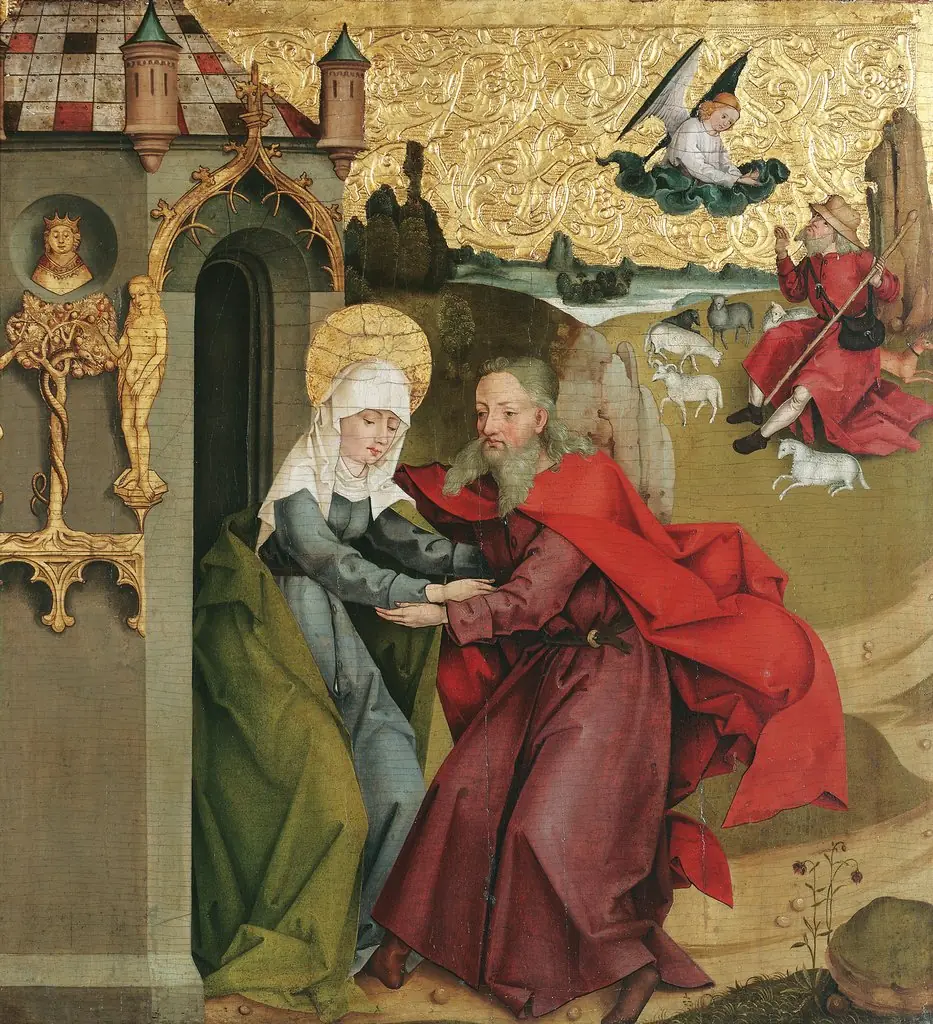 Begegnung Joachims und Annas an der Goldenen Pforte
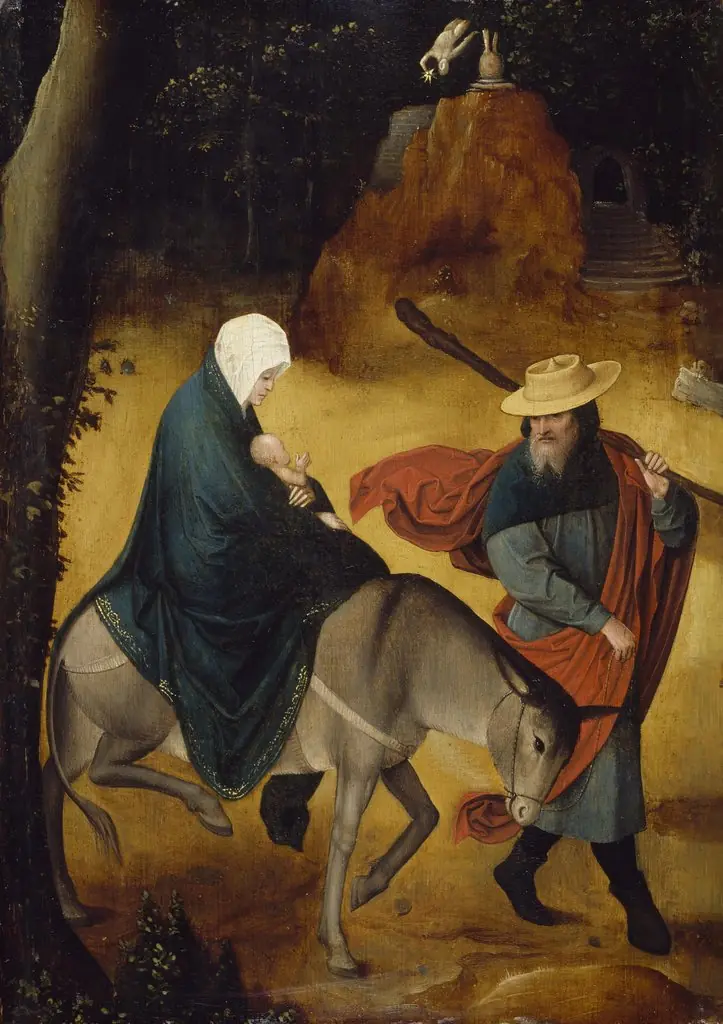 The Flight into Egypt
 The Saints Vitus, Modestus and Crescentia
 The Holy Family with a Lamb
 Flucht nach Ägypten
 Flight to Egypt
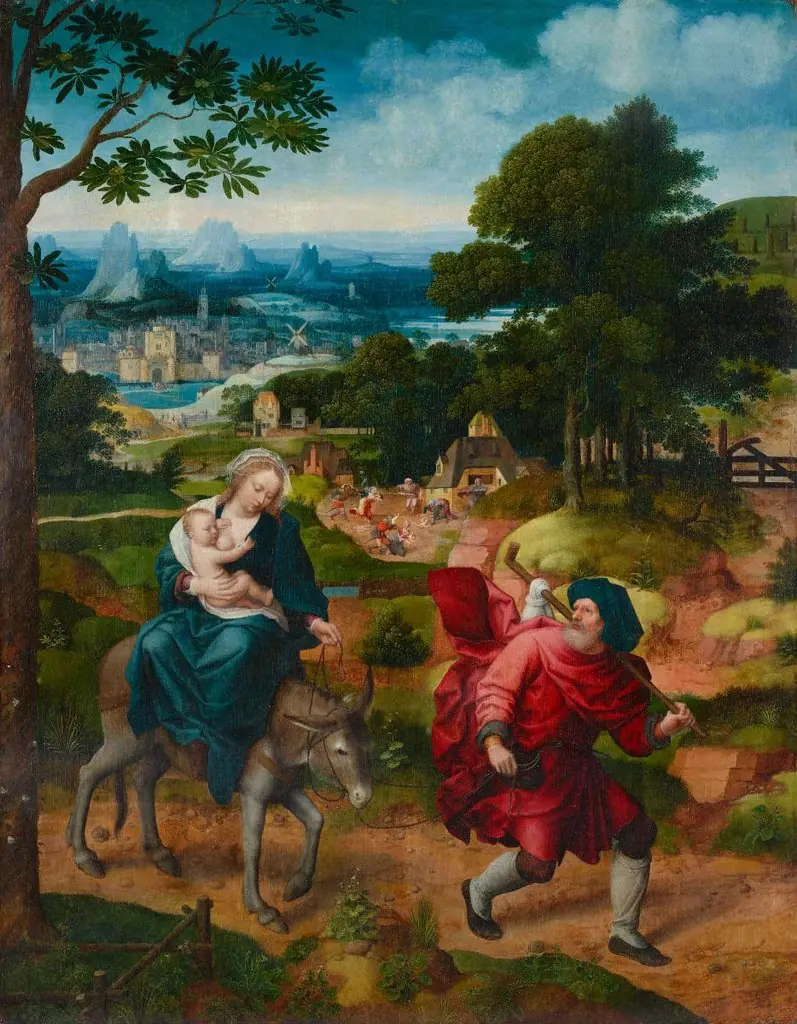 Flucht nach Ägypten
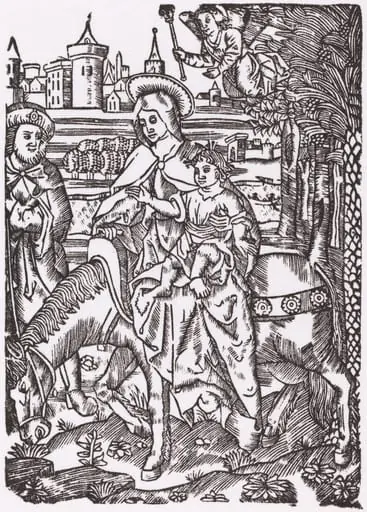 The Flight to Egypt
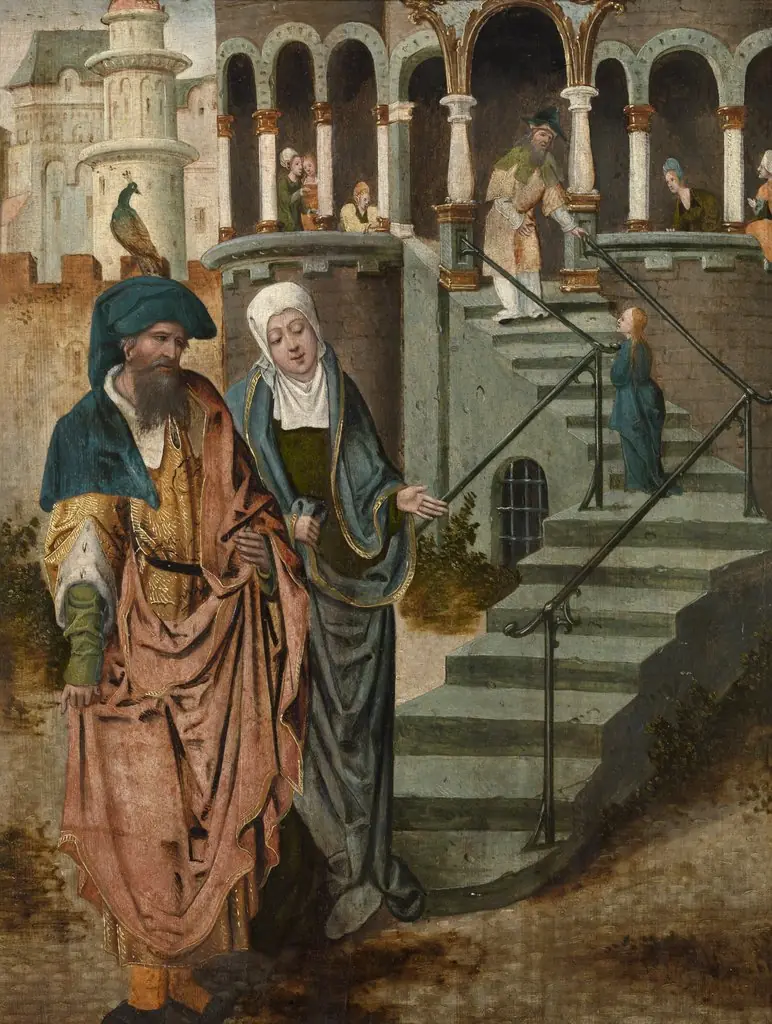 Presentation of Mary in the Temple
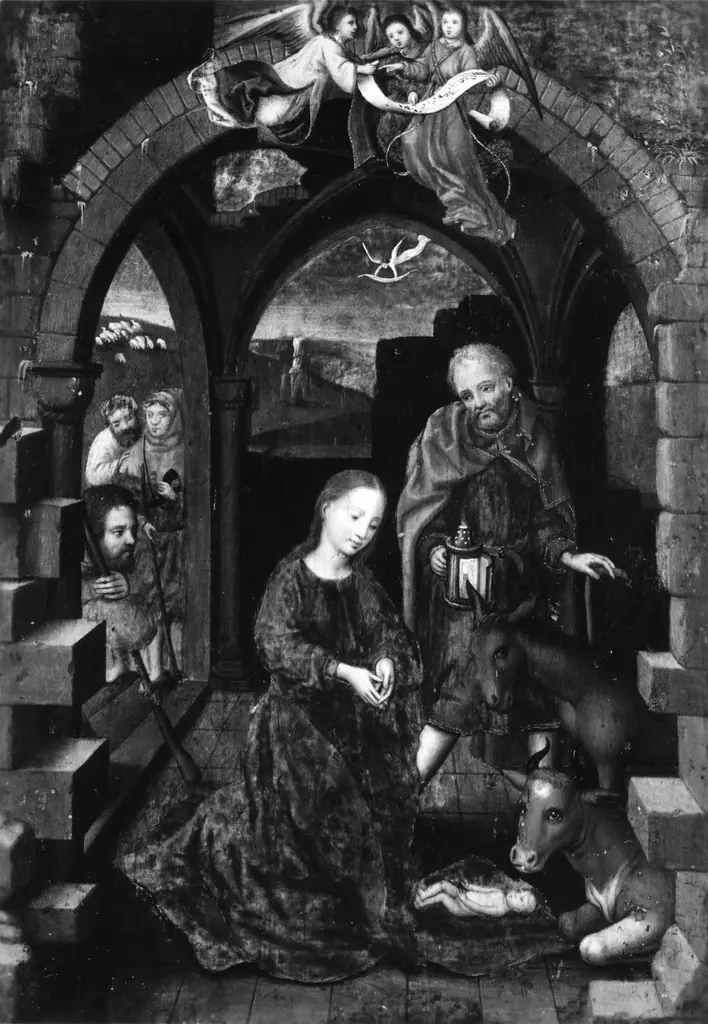 The Nativity with the Adoration of the Shepherds
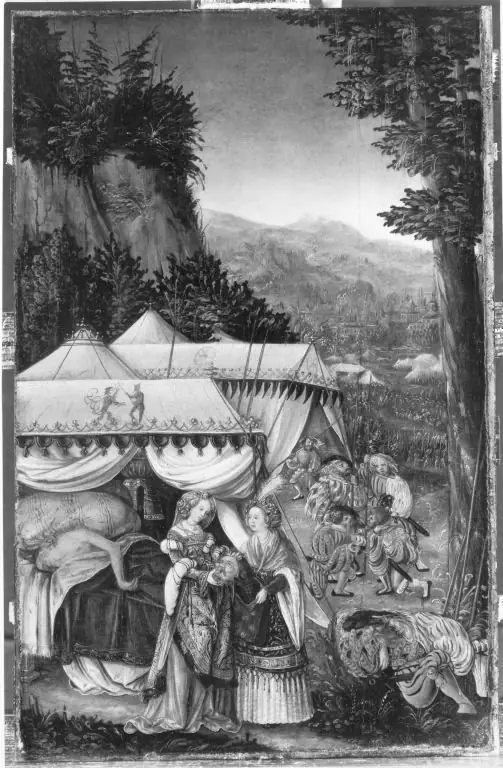 Judith and Holofernes
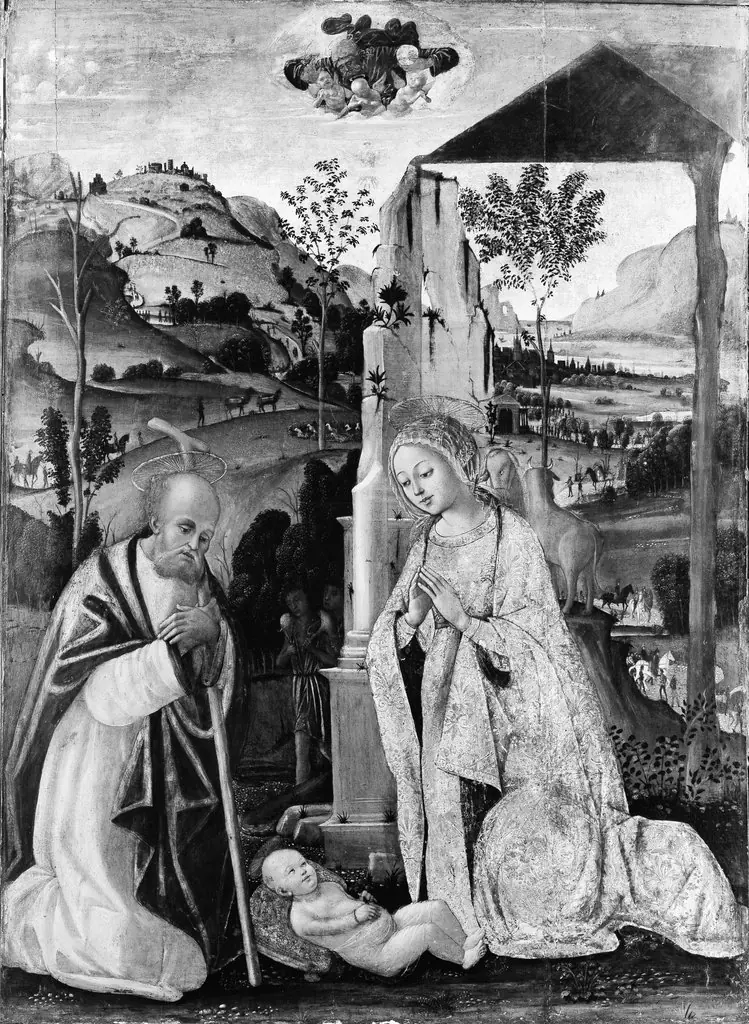 The Nativity