Artwork
The Flight to Egypt
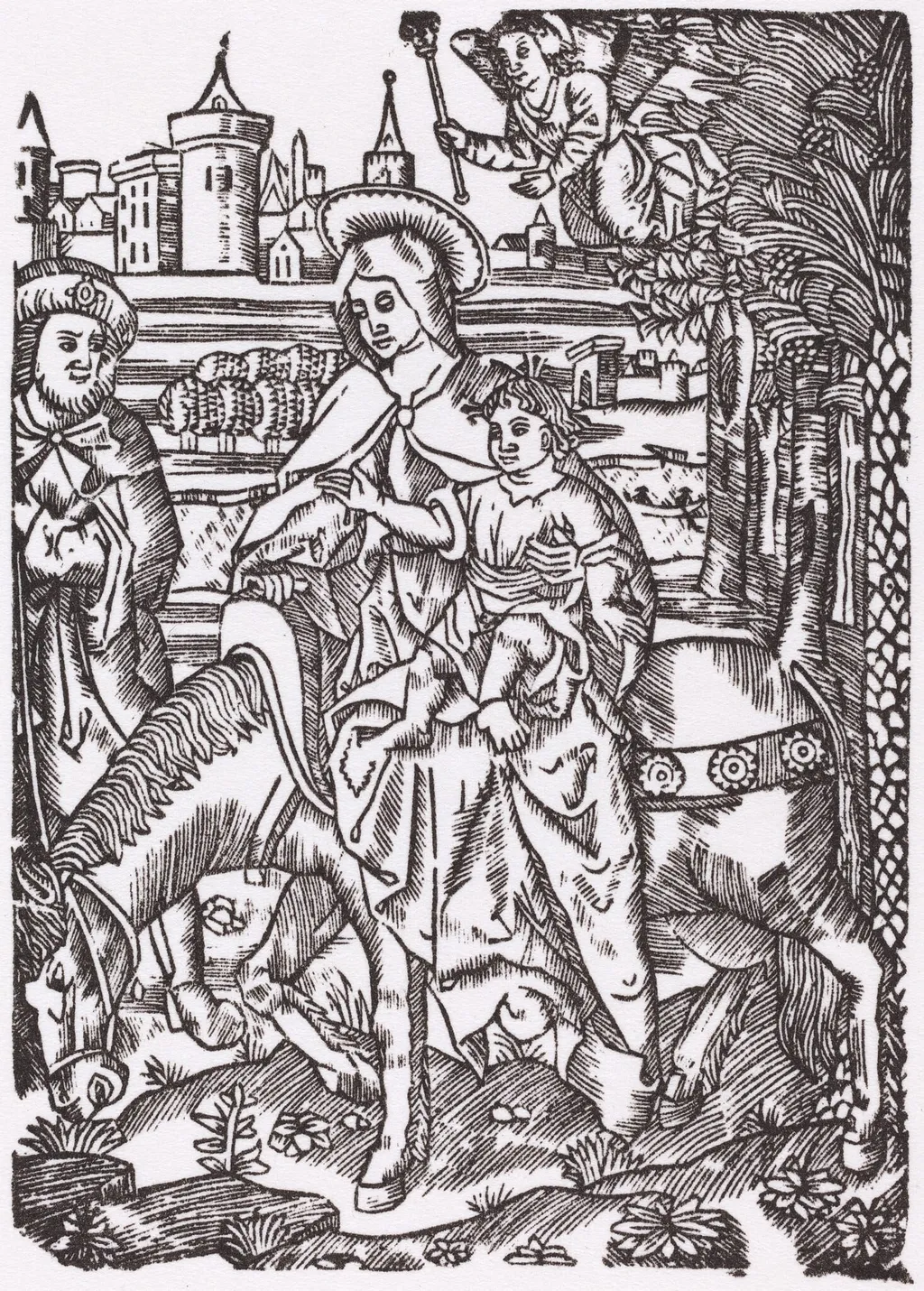
The Flight to Egypt is an ink print by the Renaissance artist French 16th Century. It dates from 1550 and is held in the collection of the National Gallery of Art. This 1968 restrike is a black-and-white woodcut depicting the biblical Flight to Egypt.
About this work
Overview
The image shows the Virgin Mary with the infant Jesus, marked by a halo, walking ahead of Joseph, who carries a bundle.
This 1968 restrike is a black-and-white woodcut depicting the biblical Flight to Egypt. The image shows the Virgin Mary with the infant Jesus, marked by a halo, walking ahead of Joseph, who carries a bundle. Behind them, a distant town with towers recedes as they move across a landscape of hills, trees, and a narrow river. The composition is simplified, emphasizing movement and quiet urgency rather than ornate detail.
Subject & Meaning
The scene illustrates the moment when Joseph, warned in a dream, leads Mary and Jesus to safety in Egypt to escape Herod’s massacre. This narrative, drawn from the Gospel of Matthew, was a common subject in Christian art, symbolizing divine protection and the vulnerability of the holy family. The quiet, unadorned depiction focuses on the journey itself — a moment of refuge rather than spectacle.
Technique & Style
Executed as a woodcut, the image was carved into a wooden block and printed in multiple impressions. The bold, linear forms and high contrast between black and white reflect the medium’s inherent constraints and strengths. Figures are rendered with minimal detail, yet clearly defined — a hallmark of reproductive printmaking, where clarity and repetition were prioritized over individual brushwork.
History & Provenance
Though the original design likely dates to the Renaissance, this version is a 1968 restrike, produced from the original or a surviving block. Such restrikes were common in the 20th century to preserve and disseminate historic prints. The work carries no signature or publisher mark, suggesting it was issued without attribution, possibly for educational or archival purposes.
Context
Woodcuts were the dominant form of image reproduction in Europe before the rise of engraving and etching. Artists and printers used them to distribute religious imagery widely, especially in regions with limited access to painted altarpieces. This print reflects a tradition of devotional imagery made accessible through mechanical reproduction, bridging sacred narrative and public literacy.
Legacy
As a restrike, this print preserves the visual language of early printmaking without the rarity of original impressions. It serves as a tangible link to the circulation of religious stories through mass-produced imagery. While not the work of a named master, it exemplifies how communal artistic traditions endured across centuries through the durability of the woodcut medium.
Artist & collection

Artist
A French artist from the 1500s made metal sculptures and prints that feel like Renaissance snapshots.

![Allegory of the Life of a Scholar in a Rich Household [fol. 3 verso / 4 recto], by French 16th Century](https://artifactworldgallery.com/img/french-16th-century--allegory-of-the-life-of-a-scholar-in-a-rich-household-fol-3--52df746155b443e5-w320.webp)
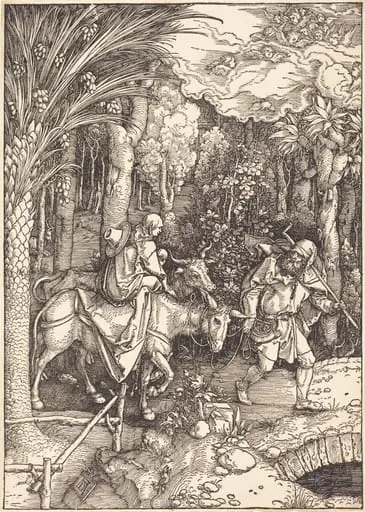 The Flight into Egypt
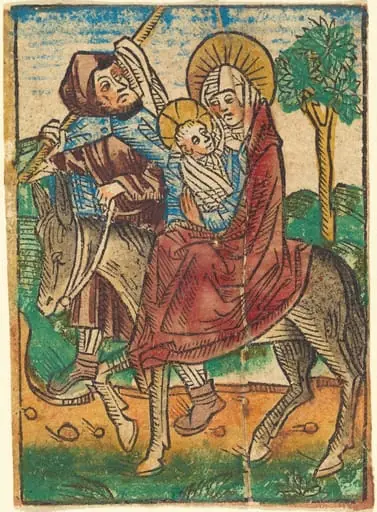 The Flight into Egypt
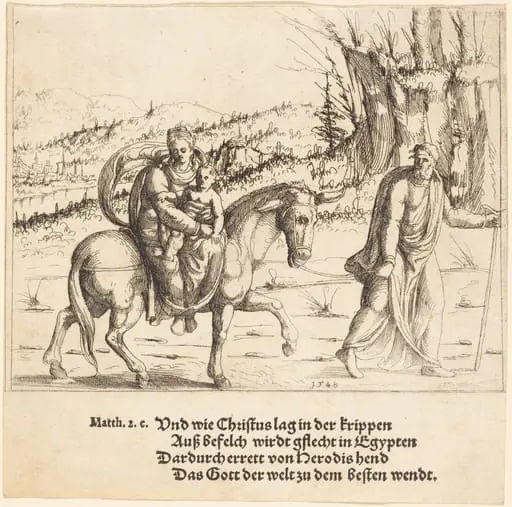 The Flight into Egypt
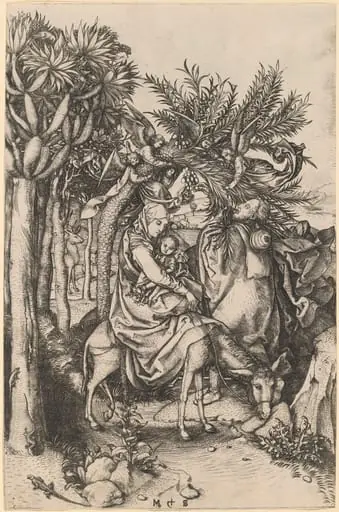 The Flight into Egypt
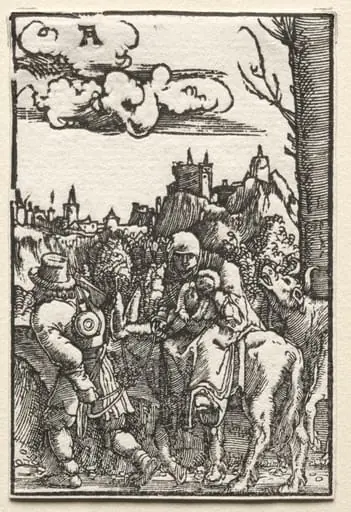 The Fall and Redemption of Man: The Flight into Egypt
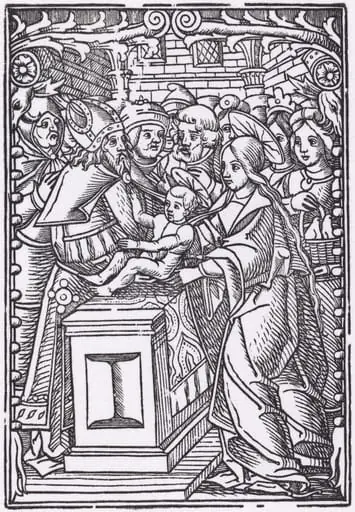 Presentation in the Temple
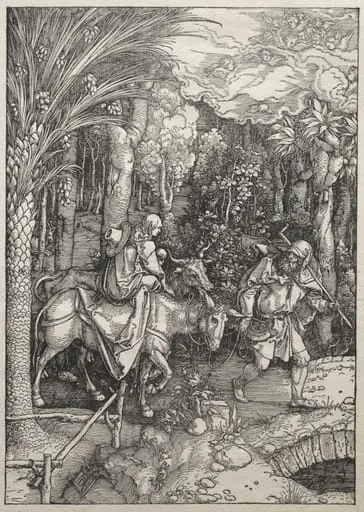 Life of the Virgin: Flight into Egypt
![Christ's Entry into Jerusalem [left], by Master of St. Erasmus](https://artifactworldgallery.com/img/master-of-st-erasmus--christ-s-entry-into-jerusalem-left--3dcdb0c1336527b4-w320.webp) Christ's Entry into Jerusalem [left]
Christ's Entry into Jerusalem [left]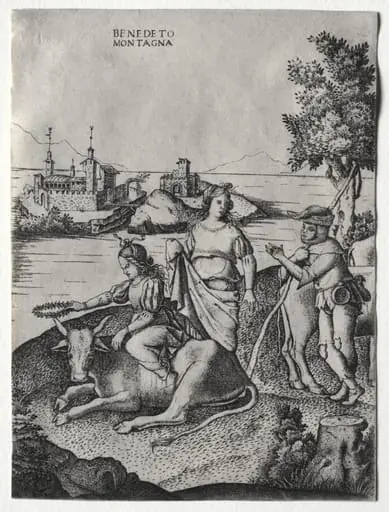 Rape of Europa
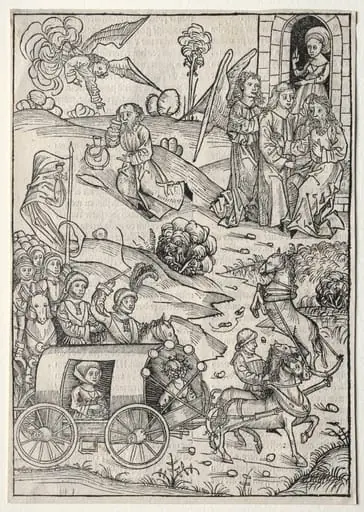 Der Schatzbehalter: The Return of Tobias to Tobit; The Arrival of Tobias' Wife; The Angel Bringing Food and Drink to Elijah in the Desert
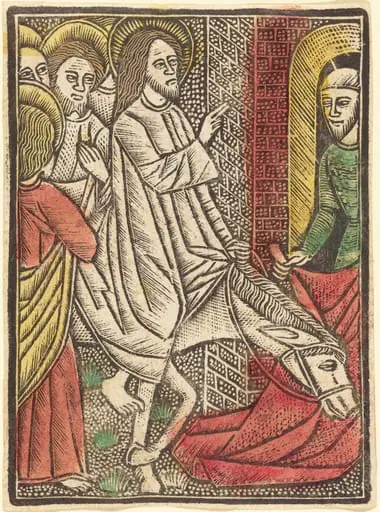 The Entry into Jerusalem
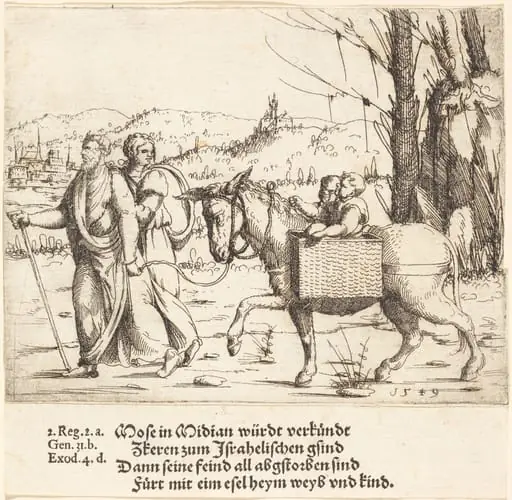 Moses Returns to Egypt from Midian